



How is Law Promoting Sustainable Development?
Imagine a world where economic progress doesn't come at the expense of our planet, where social equity thrives alongside environmental health. Sounds utopian? It's not. Law, in its many forms, is the unsung hero actively shaping a future where development is truly sustainable.
The question isn't whether law *can* promote sustainable development, but *how effectively* it's currently doing so. We face a complex web of environmental degradation, social inequality, and economic instability. Can legal frameworks provide the necessary tools to navigate these challenges?
This comprehensive guide will delve into the multifaceted role of law in fostering sustainable development. From international treaties to local regulations, we'll explore the mechanisms, successes, and limitations of legal interventions aimed at creating a more just and sustainable world. By the end, you'll understand the crucial role law plays in shaping our future.
The Foundation: Defining Sustainable Development in Legal Terms
What is Sustainable Development?
Sustainable development, as defined by the Brundtland Report, is development that "meets the needs of the present without compromising the ability of future generations to meet their own needs." This seemingly simple definition has profound implications for legal frameworks.
- Intergenerational Equity: Ensuring future generations inherit a healthy planet.
- Environmental Protection: Safeguarding natural resources and ecosystems.
- Social Equity: Promoting fairness and opportunity for all.
- Economic Viability: Fostering economic growth that doesn't deplete resources or harm the environment.
Law provides the tools to translate these principles into concrete actions, setting standards, enforcing compliance, and resolving disputes.
The Role of Law in Operationalizing Sustainability
Law acts as a bridge, connecting the abstract concept of sustainable development to tangible outcomes. It does this through:
- Setting Standards: Establishing environmental quality standards, resource management protocols, and social safeguards.
- Enforcing Compliance: Monitoring adherence to regulations and imposing penalties for violations.
- Promoting Innovation: Incentivizing the development and adoption of sustainable technologies.
- Resolving Disputes: Providing mechanisms for resolving conflicts related to environmental damage or social injustice.
Without effective legal frameworks, sustainable development remains a lofty aspiration, not a practical reality.
International Law and Global Sustainability
Multilateral Environmental Agreements (MEAs)
International law plays a crucial role in addressing global environmental challenges that transcend national borders. Multilateral Environmental Agreements (MEAs) are key instruments in this effort. For example, the Paris Agreement aims to limit global warming, while the Montreal Protocol addresses ozone depletion.
These agreements establish common goals, principles, and obligations for participating states.
- Setting Global Standards: MEAs define internationally agreed-upon environmental standards.
- Promoting Cooperation: They foster collaboration among nations to address shared environmental problems.
- Monitoring and Enforcement: MEAs often include mechanisms for monitoring compliance and enforcing obligations.
The effectiveness of MEAs depends on the willingness of states to ratify and implement them effectively.
The Sustainable Development Goals (SDGs) and the Law
The Sustainable Development Goals (SDGs), adopted by the United Nations in 2015, provide a comprehensive framework for achieving sustainable development by 2030. Many of the SDGs have direct legal implications.
For example:
- SDG 6 (Clean Water and Sanitation): Requires legal frameworks for water resource management and pollution control.
- SDG 7 (Affordable and Clean Energy): Calls for policies that promote renewable energy and energy efficiency.
- SDG 13 (Climate Action): Necessitates laws and regulations to reduce greenhouse gas emissions.
- SDG 16 (Peace, Justice and Strong Institutions): Promotes the rule of law and access to justice for all.
Law is essential for translating the SDGs into national policies and regulations, ensuring accountability, and driving progress towards these ambitious goals.
National Laws and Sustainable Development
Environmental Protection Laws
National environmental protection laws are the cornerstone of sustainable development. These laws regulate a wide range of activities that can impact the environment, including:
- Pollution Control: Limiting emissions of pollutants into the air, water, and soil.
- Resource Management: Regulating the extraction and use of natural resources, such as forests, minerals, and water.
- Protected Areas: Establishing national parks, reserves, and other protected areas to conserve biodiversity.
- Environmental Impact Assessment (EIA): Requiring developers to assess the potential environmental impacts of their projects before they are approved.
Effective enforcement of these laws is crucial for ensuring compliance and preventing environmental damage. According to the UNEP, strengthening environmental rule of law is vital for achieving sustainable development.
Promoting Renewable Energy and Energy Efficiency
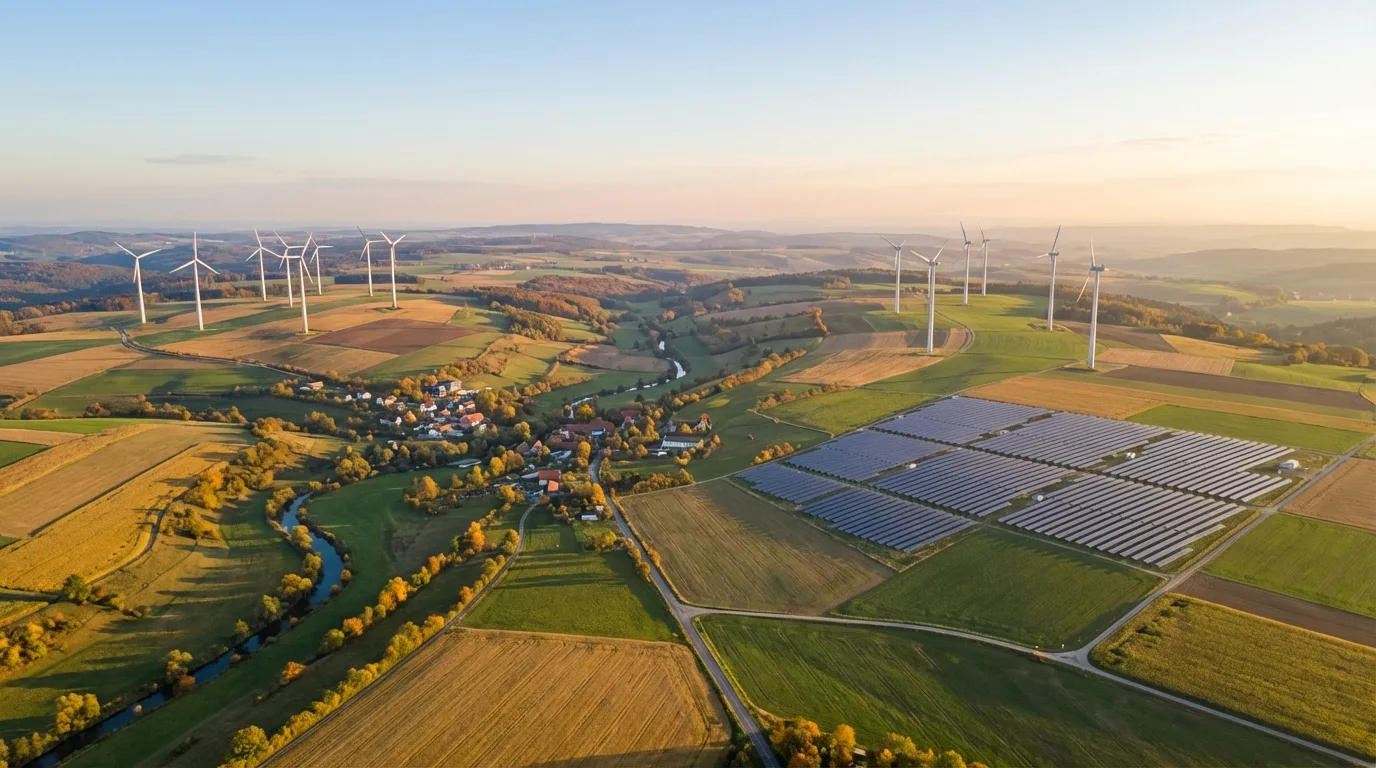
Law can play a critical role in promoting the transition to a low-carbon economy by incentivizing renewable energy and energy efficiency. This can be achieved through:
- Feed-in Tariffs: Guaranteeing a fixed price for electricity generated from renewable sources.
- Renewable Portfolio Standards: Requiring utilities to generate a certain percentage of their electricity from renewable sources.
- Tax Incentives: Providing tax breaks for investments in renewable energy and energy efficiency technologies.
- Building Codes: Setting energy efficiency standards for new buildings.
These policies can create a level playing field for renewable energy and encourage innovation in the sector.
Challenges and Limitations
Enforcement Gaps
One of the biggest challenges in using law to promote sustainable development is the gap between legal frameworks and their effective enforcement. Laws on the books are only as good as their implementation.
- Lack of Resources: Insufficient funding for environmental agencies and law enforcement.
- Corruption: Bribery and other forms of corruption can undermine enforcement efforts.
- Weak Institutions: Inadequate capacity and expertise within environmental agencies.
- Political Interference: Pressure from powerful interests can hinder enforcement.
Addressing these enforcement gaps is essential for ensuring that laws are effectively implemented and that polluters are held accountable.
Balancing Economic Development and Environmental Protection
Another challenge is balancing the competing demands of economic development and environmental protection. Law must strike a delicate balance between promoting economic growth and safeguarding the environment.
- Short-Term vs. Long-Term Interests: Economic development often prioritizes short-term gains over long-term sustainability.
- Conflicting Interests: Industries and environmental groups often have conflicting interests.
- Distributional Effects: Environmental regulations can disproportionately impact certain communities or industries.
Law must be designed to address these challenges and ensure that economic development is environmentally sustainable and socially equitable.
Examples of Successful Legal Interventions
The Clean Air Act (United States)
The Clean Air Act in the United States is a prime example of how law can effectively address environmental problems. Enacted in 1970 and amended several times since, the Clean Air Act has significantly reduced air pollution in the US.
- Setting Emission Standards: The Act sets emission standards for various pollutants.
- Monitoring and Enforcement: It establishes a system for monitoring air quality and enforcing emission standards.
- Incentivizing Innovation: The Act has spurred the development of cleaner technologies.
As a result of the Clean Air Act, air quality in the US has improved dramatically, leading to significant health benefits.
The European Union's Emissions Trading System (ETS)
The European Union's Emissions Trading System (ETS) is another example of a successful legal intervention. The ETS is a cap-and-trade system that puts a price on carbon emissions, incentivizing companies to reduce their emissions.
- Setting a Cap: The ETS sets a cap on the total amount of greenhouse gas emissions allowed from certain sectors.
- Trading Allowances: Companies can trade emission allowances, creating a market for carbon.
- Incentivizing Reductions: The ETS incentivizes companies to reduce their emissions by making it more expensive to pollute.
The ETS has been credited with helping the EU reduce its greenhouse gas emissions significantly.
Frequently Asked Questions (FAQ)
What is environmental law? Environmental law encompasses all legal rules designed to protect the environment and regulate human activities that impact it.
How can businesses contribute to sustainable development? Businesses can adopt sustainable practices, reduce their environmental footprint, comply with environmental regulations, and invest in green technologies.
What are the main challenges in enforcing environmental laws? Challenges include lack of resources, corruption, weak institutions, and political interference.
How does international law promote sustainable development? Through treaties, agreements, and the establishment of global norms and standards.
Recommended Reading
- EIA Process: What Happens After Public Comment? The Ultimate Guide
- E-Commerce Data Breach Liability: Protecting Your Small Biz
- DWI First Offense Expungement Eligibility: Your Complete Guide
- Is Your Employer Liable for Your Unsafe Workplace Injury? Find Out!
- IRS Dispute Decision Got You Down? Learn How to Appeal!
Conclusion
In conclusion, law is a powerful tool for promoting sustainable development. From international agreements to national regulations, legal frameworks shape human behavior and drive progress towards a more just and sustainable world. While challenges remain, examples like the Clean Air Act and the EU's Emissions Trading System demonstrate the potential of law to address environmental problems and foster sustainable development. The effectiveness of law in promoting sustainable development relies on strong enforcement, innovative policies, and a commitment to balancing economic, social, and environmental considerations. By strengthening legal frameworks and promoting the rule of law, we can create a future where development truly meets the needs of the present without compromising the ability of future generations to meet their own needs. How is law promoting sustainable development? It is by setting the rules, enforcing the standards, and inspiring the innovation needed for a thriving planet.




Comments
Leave a comment below. Your email will not be published. Required fields marked with *