



How to Prove Subtle TBI Causation When Initial Scans Are Normal?
For over two decades in personal injury law, particularly in the complex realm of brain injuries, I've witnessed a deeply frustrating scenario unfold countless times: a client presents with debilitating post-concussion symptoms, yet their initial CT or MRI scans come back 'normal.' This isn't just a medical anomaly; it's a profound legal and personal hurdle.
The pain point for countless individuals suffering from subtle traumatic brain injury (TBI) is the invisibility of their injury. When standard diagnostic tools fail to show structural damage, it creates a chasm between a patient's lived experience and objective medical proof, making it incredibly challenging to establish causation, especially in personal injury claims.
This article isn't just a discussion; it's a comprehensive framework. I'll guide you through actionable strategies, cutting-edge diagnostic techniques, and critical legal insights to bridge that gap, helping you understand precisely how to prove subtle TBI causation when initial scans are normal, strengthening your claim and validating your suffering.
Understanding the 'Invisible' Injury: Why Initial Scans Fail
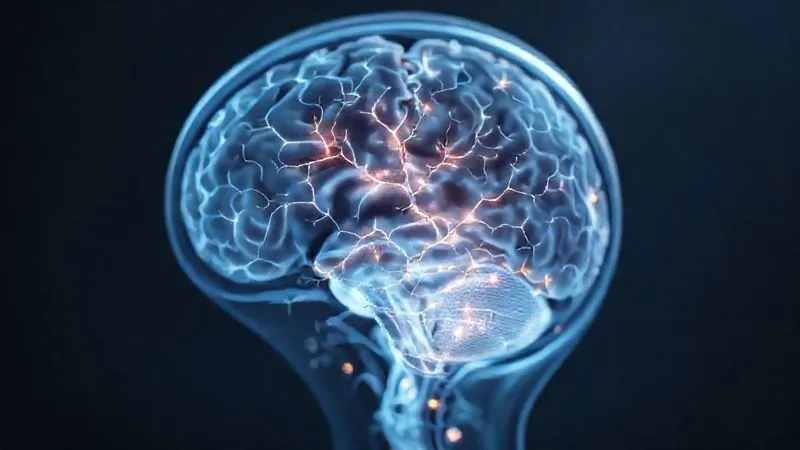
The term 'subtle TBI' or 'mild TBI' often belies the profound impact these injuries can have. What makes them so challenging, particularly from a legal perspective, is their often-invisible nature on conventional imaging. Standard CT scans and MRIs are excellent at detecting gross structural damage—fractures, hemorrhages, large contusions.
However, subtle TBI frequently involves microscopic damage to brain cells and neural pathways, known as diffuse axonal injury (DAI), or metabolic and functional disruptions that simply aren't visible on a typical radiological film. These injuries affect the brain's processing speed, executive function, memory, and emotional regulation, leaving the brain structurally intact but functionally impaired.
In my experience, the core challenge lies in shifting the focus from structural damage to functional impairment. We're not looking for a broken bone; we're looking for a broken system.
This reality necessitates a multi-faceted approach, moving beyond the limitations of initial scans to paint a comprehensive picture of the injury. It requires understanding the specific mechanisms of subtle brain injury and employing advanced methods to detect their presence.
The Critical Role of Comprehensive Clinical Evaluation and History
When initial scans are normal, the most potent weapon in your arsenal is a meticulous, detailed, and consistent clinical history. This isn't just about recounting symptoms; it's about building an undeniable narrative of change and impairment from the moment of injury.
Building a Detailed Symptom Timeline
Immediately following a suspected TBI, even a mild one, it's crucial to begin documenting every symptom, no matter how minor it seems. This includes:
- Immediate Post-Injury Symptoms: Note any loss of consciousness, confusion, disorientation, headache, dizziness, nausea, or memory gaps right after the incident.
- Symptom Onset and Progression: Keep a daily diary detailing symptoms like headaches, fatigue, sleep disturbances, irritability, concentration issues, light/sound sensitivity, and mood changes. Record their severity, triggers, and any impact on daily activities.
- Functional Limitations: Document specific activities you can no longer perform, or perform with difficulty, such as reading, working, driving, exercising, or engaging in hobbies.
This detailed timeline serves as irrefutable evidence of the injury's impact, especially when medical professionals can correlate the reported symptoms with known TBI effects. Consistency over time is paramount.
Leveraging Collateral Information
Often, the person with a subtle TBI may not fully recognize or articulate the extent of their changes. This is where external corroboration becomes invaluable. Gather statements from:
- Family Members: They can attest to changes in personality, mood, memory, and functional abilities they've observed since the injury.
- Friends and Colleagues: These individuals can provide insights into pre-injury versus post-injury performance, social interactions, and cognitive function.
- Teachers or Coaches: If the injured party is a student or athlete, their observations regarding academic performance, attention, or athletic ability can be crucial.
These third-party accounts paint a broader, more objective picture of the individual's decline, lending significant weight to the claim that a subtle TBI causation is at play, even when initial scans are normal. They help to establish the 'before and after' narrative that is so vital in personal injury cases.

Neuropsychological Testing: Unmasking Cognitive Deficits
When structural imaging falls short, neuropsychological testing steps in as a cornerstone for proving subtle TBI. These specialized assessments are designed to objectively measure cognitive functions like memory, attention, processing speed, executive function, and emotional regulation. Unlike an MRI, which looks at structure, neuropsychological tests assess the *function* of the brain.
A qualified neuropsychologist administers a battery of tests that can reveal deficits not apparent in casual conversation or on standard neurological exams. They compare an individual's performance to normative data (what's expected for their age and education level) and, crucially, to their own estimated pre-injury intellectual functioning.
Specific tests often employed include the Wechsler Adult Intelligence Scale (WAIS) for general cognitive ability, the Rey-Osterrieth Complex Figure Test for visual memory and spatial reasoning, various tests for attention and processing speed (e.g., Symbol Digit Modalities Test), and executive function tests (e.g., Wisconsin Card Sorting Test). Post-concussion symptom inventories also provide valuable subjective data.
Neuropsychological testing is often the first objective evidence that quantifies the functional impairments caused by a subtle TBI, even when initial scans are normal. It transforms subjective complaints into measurable deficits.
The results provide a detailed profile of cognitive strengths and weaknesses, identifying specific areas of impairment consistent with TBI. These impairments, when correlated with the reported symptoms and the mechanism of injury, form a powerful basis for establishing causation. It's not uncommon for these tests to highlight significant issues in individuals whose standard scans showed no abnormalities, providing the objective data needed to advance a personal injury claim.
Advanced Neuroimaging Techniques: Beyond the Standard MRI
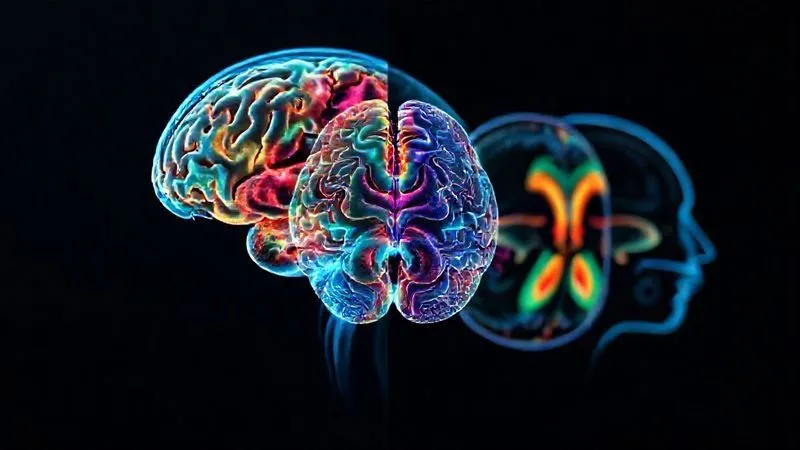
While conventional CT and MRI scans might appear normal, the field of neuroimaging has advanced significantly, offering techniques capable of detecting the subtle, microscopic changes characteristic of mild TBI. These advanced methods provide objective, visual evidence that can be instrumental in proving subtle TBI causation when initial scans are normal.
Diffusion Tensor Imaging (DTI)
DTI is a specialized MRI technique that measures the movement of water molecules in the brain's white matter. White matter consists of bundles of nerve fibers (axons) that transmit signals between different brain regions. Damage to these fibers, even microscopic, alters the diffusion of water. DTI can detect these changes, revealing diffuse axonal injury (DAI) that standard MRI misses. Abnormally low fractional anisotropy (FA) or increased mean diffusivity (MD) values in specific white matter tracts are strong indicators of TBI.
Quantitative Electroencephalography (QEEG)
QEEG analyzes brainwave patterns (EEG data) using sophisticated computer algorithms. It can identify subtle abnormalities in brain electrical activity, such as altered power in specific frequency bands (e.g., increased theta or delta activity, decreased alpha activity) or coherence issues between brain regions. These patterns often correlate with cognitive and emotional symptoms experienced by TBI patients.
Functional MRI (fMRI) and PET Scans
Functional MRI (fMRI) measures brain activity by detecting changes in blood flow. While still largely a research tool for TBI, it can show altered brain activation patterns during cognitive tasks. Positron Emission Tomography (PET) scans, particularly FDG-PET, measure glucose metabolism in the brain. TBI can lead to areas of hypometabolism (reduced glucose uptake) that indicate functional impairment, even in the absence of structural damage. Research continues to validate the utility of these advanced techniques in diagnosing and understanding TBI.
Biomarkers and Blood Tests: Emerging Objective Evidence
The frontier of TBI diagnosis is rapidly expanding into the realm of blood-based biomarkers. While still evolving and not yet universally accepted in all legal contexts, these tests hold immense promise for providing objective, quantifiable evidence of brain injury, especially when initial scans are normal. They detect specific proteins released into the bloodstream following brain trauma.
Key biomarkers currently under investigation or in limited clinical use include:
- Glial Fibrillary Acidic Protein (GFAP): A protein found in astrocytes (a type of brain cell) that is released into the blood after brain injury.
- Ubiquitin C-terminal Hydrolase-L1 (UCH-L1): A neuronal protein that also elevates in the blood following TBI.
- Tau Protein: Elevated levels can indicate neuronal damage.
These biomarkers can be detected within hours to days post-injury, offering a window for objective confirmation. While their full legal admissibility is still being established, their scientific validity is growing, and they represent a significant step towards providing irrefutable evidence for subtle TBI causation. As a legal professional, I closely monitor these developments, understanding their potential to revolutionize how we prove these challenging cases.
Here's a comparison of diagnostic methods for subtle TBI:
| Method | What it Detects | Utility for Subtle TBI | Admissibility |
|---|---|---|---|
| Standard MRI/CT | Gross structural damage (bleeds, fractures) | Low (often normal) | High (standard practice) |
| Neuropsychological Testing | Cognitive and functional impairments | High (objective functional data) | High (established expert testimony) |
| DTI/QEEG/fMRI/PET | Microscopic axonal damage, altered brain activity/metabolism | High (objective physical/functional changes) | Growing (requires expert interpretation) |
| Blood Biomarkers (GFAP, UCH-L1) | Proteins released from damaged brain cells | High (objective biological evidence) | Emerging (requires further validation) |
Expert Witness Testimony: The Cornerstone of Causation
In cases where objective evidence for subtle TBI causation is complex and initial scans are normal, the testimony of a highly qualified expert witness is not just important; it's often the cornerstone of your case. An expert's role is to educate the judge and jury, translating intricate medical and scientific concepts into understandable language and connecting the dots between the injury event and the client's current impairments.
Selecting the Right Experts
For subtle TBI, you typically need a team of specialists:
- Neurologist or Neurotraumatologist: To explain the mechanism of injury, the nature of TBI, and rule out other neurological conditions.
- Neuropsychologist: To interpret the results of neuropsychological testing, explaining the specific cognitive deficits and their impact on daily life.
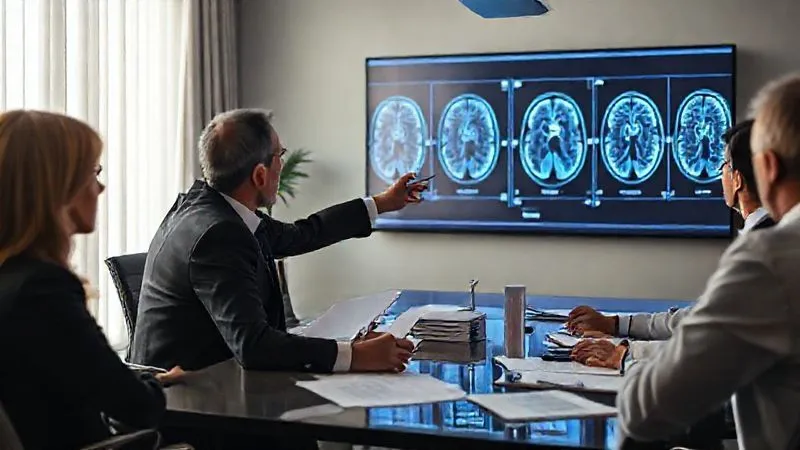
- Neuroradiologist (specializing in advanced imaging): If DTI or other advanced scans are used, this expert can explain what the images show and how they demonstrate injury at a microscopic level.
These experts must not only possess impeccable credentials but also the ability to communicate clearly and persuasively. Their testimony must establish a causal link between the traumatic event and the documented functional and cognitive changes, even in the absence of gross structural findings on initial scans. The American Bar Association highlights the crucial role of expert witnesses in TBI cases, emphasizing their ability to bridge the gap between complex medical facts and legal understanding.
Translating Complex Science into Understandable Narratives
A truly effective expert witness doesn't just present data; they tell a story that resonates. They explain how a seemingly minor impact can cause shearing forces that damage axons, how those damaged axons disrupt brain networks, and how those disruptions manifest as debilitating symptoms. They validate the patient's experience through scientific principles.
The synergy of multiple expert opinions—from neuropsychology to advanced neuroradiology—creates an undeniable tapestry of evidence, making it incredibly difficult for the defense to argue against causation, even for an 'invisible' injury.
Their testimony provides the necessary authority and credibility to convince a jury that a subtle TBI exists and is directly attributable to the incident in question, even when initial scans are normal.
Case Study: Proving the 'Invisible' TBI in a Motor Vehicle Accident
Let me share a fictional, yet highly realistic, case to illustrate how these strategies converge. Meet Sarah, a 34-year-old marketing professional, who was involved in a rear-end collision. She experienced a brief loss of consciousness at the scene, followed by headaches, dizziness, and severe 'brain fog' that made her work impossible. Her initial hospital CT scan and follow-up MRI were reported as 'normal.'
Sarah's Silent Struggle
Sarah's doctors initially suggested her symptoms might be stress-related or a mild concussion that would resolve. However, her symptoms persisted and worsened. When she came to my firm, we immediately advised her to start a detailed symptom diary, documenting every headache, every moment of confusion, every instance of light sensitivity, and how these impacted her ability to perform daily tasks and her highly cognitive job.
We then arranged for a comprehensive neuropsychological evaluation. The results were telling: while her general IQ was intact, she showed significant deficits in processing speed, sustained attention, and working memory—classic signs of TBI. These findings provided objective, measurable evidence of functional impairment that correlated perfectly with her subjective complaints and diary entries.
Next, we sought an advanced neuroradiologist who performed a Diffusion Tensor Imaging (DTI) scan. The DTI revealed subtle but significant abnormalities in the white matter tracts connecting her frontal and temporal lobes, areas critical for executive function and memory. These microstructural changes were entirely invisible on her initial conventional MRI.
With the combined weight of her consistent symptom diary, corroborating statements from her husband and colleagues about her changed personality and work performance, the robust neuropsychological test results, and the objective DTI findings, we had a compelling case. Our expert neurologists and neuropsychologists testified, explaining how the forces of the collision caused the microstructural damage revealed by the DTI, which in turn led to the functional deficits identified by the neuropsych testing.
The jury understood that 'normal' scans didn't mean 'no injury.' Sarah received a favorable settlement that accounted for her lost income and ongoing medical and rehabilitation needs. This case perfectly demonstrates how to prove subtle TBI causation when initial scans are normal by building a multi-layered, irrefutable body of evidence.
Navigating Legal Challenges and Defense Tactics
Even with a robust body of evidence, proving subtle TBI causation when initial scans are normal is a battle against skepticism. Defense attorneys often employ predictable tactics to undermine such claims.
Anticipating Defense Arguments
Expect the defense to argue:
- No Objective Evidence: They will highlight the 'normal' initial scans and dismiss advanced imaging or neuropsychological findings as experimental or subjective.
- Pre-existing Conditions: They may try to attribute symptoms to prior head injuries, mental health issues, or other medical conditions.
- Malingering or Exaggeration: They might suggest the plaintiff is faking or exaggerating symptoms for financial gain.
- Psychological Overlay: They may argue symptoms are purely psychological (e.g., depression, anxiety) rather than organic brain injury.
Building a Robust Evidentiary Chain
To counter these arguments, your legal team must meticulously build an evidentiary chain:
- Establish Baseline: Whenever possible, demonstrate the plaintiff's pre-injury health, cognitive function, and emotional state through school records, work evaluations, and pre-injury medical records.
- Consistent Documentation: Your detailed symptom diary and collateral witness statements are crucial for demonstrating the sudden onset and persistent nature of symptoms post-injury.
- Multi-Disciplinary Expert Consensus: Presenting a united front from neurologists, neuropsychologists, and neuroradiologists, all agreeing on the diagnosis and causation, is incredibly powerful.
- Address Alternative Causes: Proactively rule out other potential causes for the symptoms through thorough medical investigation and expert opinion.
Understanding these challenges and preparing for them is key. BrainLine provides valuable resources on legal issues surrounding TBI, which often touch upon these defense strategies.
Here’s a summary of common defense tactics and effective counter-strategies:
| Defense Tactic | Counter-Strategy |
|---|---|
| Normal Initial Scans | Present advanced neuroimaging (DTI, QEEG) and neuropsychological testing results. |
| Pre-existing Conditions | Provide comprehensive pre-injury medical records and expert testimony ruling out prior causation. |
| Malingering/Exaggeration | Utilize neuropsychological tests with validity scales, consistent symptom diaries, and collateral witness accounts. |
| Psychological Overlay | Engage forensic neuropsychologists to differentiate organic brain injury from psychological conditions, and show organic basis for emotional changes. |
| Lack of Causation | Expert testimony linking mechanism of injury to specific brain changes and functional deficits. |
Frequently Asked Questions (FAQ)
Question: How long after an injury can a subtle TBI be diagnosed, especially if initial scans are normal? Diagnosis can occur months or even years after the initial injury. While immediate documentation is best, neuropsychological testing and advanced imaging can still reveal deficits and changes long after the incident, especially if symptoms have persisted. The key is establishing a clear link back to the traumatic event.
Question: Can stress or anxiety mimic subtle TBI symptoms, making diagnosis difficult? Absolutely. Many TBI symptoms—such as difficulty concentrating, irritability, fatigue, and sleep disturbances—overlap with symptoms of anxiety, depression, and PTSD. This is precisely why a comprehensive neuropsychological evaluation is critical; skilled neuropsychologists can differentiate between primary TBI effects and psychological overlays, or how TBI might exacerbate pre-existing conditions.
Question: Are these advanced tests always covered by insurance or admissible in court? Insurance coverage for advanced tests like DTI or QEEG can vary widely and may require prior authorization or be considered experimental by some carriers. Regarding admissibility in court, these tests are increasingly accepted, but their introduction typically requires expert testimony to explain their scientific validity and relevance to the specific case. A skilled attorney will know how to navigate this.
Question: What if I didn't seek immediate medical attention after the injury? Does that hurt my ability to prove subtle TBI? While immediate medical attention is always advised, a delay doesn't automatically negate your claim. What becomes even more crucial in such cases is a highly detailed symptom diary starting from the injury date, corroborated by witnesses, and a comprehensive medical history that clearly links the onset of symptoms to the traumatic event. It makes the case harder, but not impossible.
Question: How important is a consistent medical history from various doctors? Extremely important. Inconsistent reporting of symptoms or conflicting diagnoses across different providers can be exploited by the defense. Maintaining a consistent narrative across all medical appointments, ensuring all doctors are aware of the injury and your ongoing symptoms, and consolidating your medical records are vital for building a strong, cohesive case.
Key Takeaways and Final Thoughts
Proving subtle TBI causation when initial scans are normal is one of the most challenging, yet ultimately rewarding, aspects of personal injury law. It demands a sophisticated, multi-pronged approach that goes far beyond conventional diagnostics.
- Document Everything: A meticulous symptom diary and collateral witness accounts are your foundational evidence.
- Embrace Neuropsychology: Objective cognitive testing provides measurable proof of functional deficits.
- Leverage Advanced Imaging: DTI, QEEG, and other advanced techniques can reveal the microscopic damage missed by standard scans.
- Engage Expert Witnesses: A team of highly qualified medical and scientific experts is indispensable for translating complex evidence into a compelling narrative.
- Anticipate and Counter Defense Tactics: Be prepared for skepticism and have strategies in place to address common defense arguments.
As an industry specialist, I've seen firsthand that justice for subtle TBI victims hinges on relentless advocacy and a deep understanding of both the medical science and the legal strategy. Don't let a 'normal' scan invalidate your suffering. By meticulously gathering evidence and working with experienced legal and medical professionals, you can illuminate the invisible injury and secure the compensation and care you deserve. Your fight for recognition and recovery is valid, and with the right approach, it can be won.
Recommended Reading
- Elder Client Loses Capacity? 7 Steps for Incomplete Estate Plans
- 7 Crucial Steps to Safeguard Your Assets in Chapter 7 Bankruptcy
- Agency Bypassing Formal Rulemaking? 7 Steps to Challenge Unlawful Action
- 5+ Non-Bankruptcy Routes for Overwhelming Business Tax Debt Relief
- Navigating Constitutional Evolution: 7 Interpretive Keys to Reconcile Norms





Comments
Leave a comment below. Your email will not be published. Required fields marked with *