



Challenging Adverse Accident Reconstruction Reports Effectively?
For over two decades in personal injury law, I've witnessed firsthand the devastating impact an adverse accident reconstruction report can have on a seemingly strong case. It’s not just about a technical document; it's about the lives and futures of real people hanging in the balance, and a flawed report can unjustly tip the scales against them.
The problem is profound: these reports, often presented by seemingly impartial experts, carry immense weight in court. When they contain inaccuracies, biased assumptions, or incomplete data, they can severely undermine a plaintiff’s claim, leaving victims feeling unheard and unrepresented. It's a battle of narratives, and if the other side's expert paints a picture that doesn't align with reality, our clients suffer.
But here's the crucial insight: an adverse report is not the final word. In this definitive guide, I'll share the actionable frameworks, expert insights, and battle-tested strategies I've honed over years to effectively challenge adverse accident reconstruction reports. We'll delve into how to dissect these reports, uncover their weaknesses, and build a compelling counter-narrative that can turn the tide in your client's favor.
Understanding the Anatomy of an Accident Reconstruction Report
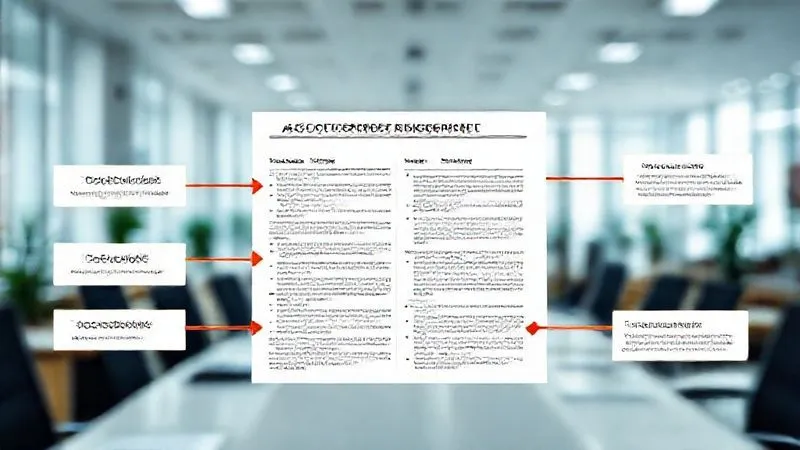
Before you can challenge a report, you must first understand its very fabric. An accident reconstruction report isn't just a collection of data; it's a narrative constructed from various inputs, analyses, and conclusions. Each component presents a potential vulnerability that, with meticulous scrutiny, can be exposed.
Key Components and Their Vulnerabilities
Typically, a report begins with an executive summary, followed by sections detailing the qualifications of the expert, the scope of their work, the data sources utilized, their methodologies, calculations, findings, and ultimately, their conclusions regarding causation and contributing factors. Data sources can include police reports, witness statements, vehicle damage assessments, black box (EDR) data, photographs, video footage, and scene measurements. Methodologies often involve physics principles, software simulations, and sometimes even crash testing.
Each of these components, while foundational, carries inherent risks of error or bias. For example, a police report might contain initial observations that are later contradicted by forensic evidence, or witness statements could be unreliable. Vehicle damage might be misinterpreted, or EDR data selectively presented. The expert's chosen methodology might not be the most appropriate for the specific crash dynamics, or their calculations might contain subtle but significant errors. As a seasoned attorney, I've learned that every piece of information, no matter how authoritative it seems, must be independently verified and critically assessed.
The Crucial Role of Early Intervention and Expert Consultation
In personal injury cases involving complex accident reconstruction, time is not just money; it's evidence. The immediate aftermath of an accident is a fleeting window of opportunity that, if missed, can severely compromise your ability to challenge an adverse report later on. Early intervention is, in my experience, one of the most powerful proactive measures you can take.
Why Time is Your Most Valuable Asset
Physical evidence at a crash scene degrades rapidly. Skid marks fade, debris is cleared, vehicles are repaired or salvaged, and memories of witnesses diminish or become distorted. The longer you wait to initiate your own investigation, the more critical data points you risk losing. This is why engaging your own forensic accident reconstruction expert as early as possible is non-negotiable.
Your expert can visit the scene before it's altered, document crucial details, secure physical evidence, and even download EDR data from involved vehicles before they are tampered with or destroyed. This proactive approach ensures that you have an independent, uncontaminated evidentiary record from day one, which can be invaluable when challenging a later, adverse report from the opposing side.
- Secure the Scene (if possible): Advise clients or investigators on preserving the scene immediately after the accident, if safe and practical.
- Engage a Forensic Expert Promptly: Retain your own qualified accident reconstructionist within days, not weeks, of the incident.
- Document Everything: Ensure high-resolution photos, drone footage, and detailed measurements of the scene are taken.
- Preserve Vehicles: Issue spoliation letters to all parties to preserve vehicles in their post-accident condition for inspection.
- Interview Witnesses Early: Obtain detailed statements while memories are fresh, focusing on objective observations.
Deconstructing the Methodology: Identifying Flaws and Assumptions
The core of any accident reconstruction report lies in its methodology. This is where the expert applies scientific principles and engineering practices to the collected data. However, even the most credentialed experts can make errors, use inappropriate methods, or rely on flawed assumptions. My approach is always to dig deep into 'how' they arrived at their conclusions, not just 'what' their conclusions are.
Questioning Data Collection and Scene Preservation
Many reports falter at the initial data collection stage. Was the scene adequately preserved? Were all relevant measurements taken? Were environmental factors (weather, lighting) properly considered? I’ve seen reports based on incomplete police sketches or photos taken hours after the incident, failing to capture crucial transient evidence. A common vulnerability is the reliance on police officer measurements without independent verification, especially if those officers lack specialized training in accident investigation.
Furthermore, the chain of custody for physical evidence must be meticulously reviewed. Any break or questionable handling of evidence can cast doubt on the integrity of the data used in the reconstruction. According to a study published in the Journal of Forensic Sciences, errors in initial scene documentation are a leading cause of discrepancies in later forensic analysis, underscoring the importance of your early intervention.
Scrutinizing Calculations and Software Limitations
Accident reconstruction often involves complex physics calculations and specialized software. While these tools are powerful, they are only as good as the data input and the expert's understanding of their limitations. I always look for inconsistencies in calculations, misapplication of formulas (e.g., using a dry pavement friction coefficient for a wet road), or over-reliance on default software parameters without real-world validation.
Software like PC-Crash or HVE are sophisticated, but they require accurate input data and a skilled operator. If the expert's inputs are based on assumptions rather than verified facts, or if they fail to account for specific vehicle dynamics or environmental conditions, the output will be flawed. As the saying goes, 'garbage in, garbage out.' Challenging these technical aspects often requires your own expert to perform parallel calculations or simulations, demonstrating a different outcome with more accurate inputs.
| Common Error in Reports | Effective Rebuttal Strategy |
|---|---|
| Incorrect friction coefficient assumption | Conduct independent on-site testing or cite meteorological data for actual conditions. |
| Misinterpretation of EDR data | Utilize a certified EDR specialist to re-download and analyze raw data, comparing it with the report's interpretation. |
| Reliance on outdated vehicle specifications | Provide manufacturer's specifications and current vehicle dynamics research for the specific make/model. |
| Ignoring post-impact movement | Present evidence of secondary impacts or vehicle trajectories that contradict the report's single-event analysis. |
Leveraging Independent Experts: Your Counter-Narrative Powerhouse
When challenging an adverse accident reconstruction report, your most potent weapon is often a credible, independent expert witness. This isn't just about finding someone who disagrees; it's about finding a highly qualified individual who can articulate *why* the opposing report is flawed and present a scientifically sound alternative.
Selecting the Right Forensic Specialist
The selection of your expert is paramount. Look for someone with impeccable credentials, extensive experience in accident reconstruction, and specific expertise relevant to your case (e.g., heavy truck accidents, motorcycle dynamics, pedestrian impacts). They should have a strong publication record, experience testifying in court, and the ability to explain complex scientific concepts clearly and concisely to a jury. Avoid 'hired guns' whose opinions always align with the side that pays them; their credibility will be easily dismantled.
A good expert will not just critique the opposing report but will conduct their own thorough investigation. This includes reviewing all available evidence, performing independent calculations, and potentially even visiting the scene or inspecting the vehicles. This comprehensive approach forms the basis of a robust counter-narrative.
The Scope of Your Independent Reconstruction
Your independent expert's role extends beyond simply finding fault. They should be prepared to conduct a full reconstruction themselves, drawing on all available evidence, including any new data you’ve gathered. This might involve:
- Re-analyzing EDR data.
- Conducting crush analysis to determine impact speeds.
- Performing trajectory analysis based on post-impact resting positions.
- Creating 3D models or animations to visually demonstrate their findings.
- Testing specific hypotheses related to driver actions or environmental conditions.
By presenting a complete, alternative reconstruction, you shift the focus from merely attacking the opposing expert to offering a more plausible and scientifically supported explanation of the accident. This demonstrates not just doubt, but a concrete alternative. As the American Academy of Forensic Sciences emphasizes, a thorough, peer-reviewed methodology is the cornerstone of credible forensic testimony. (Learn more at AAFS)

The Art of Cross-Examination: Exposing Weaknesses in Testimony
Even with a strong independent report, the courtroom is often where the battle is truly won or lost. Effective cross-examination of the opposing accident reconstruction expert is a critical skill for challenging adverse accident reconstruction reports. It’s not about badgering; it’s about strategic questioning designed to expose inconsistencies, biases, and methodological flaws.
Pre-Trial Deposition Strategies
The deposition is your dress rehearsal. Use it to pin down the expert on their opinions, methodologies, and the specific data they relied upon. Ask open-ended questions initially to let them explain their reasoning, then follow up with precise, closed-ended questions designed to limit their answers. Crucially, identify any areas where their report relies on assumptions rather than concrete evidence. Explore their qualifications, any past criticisms of their work, and the specific software or formulas they used. This is also the time to uncover any potential financial biases or a history of exclusively working for one side.
Trial Cross-Examination Tactics
At trial, your goal is to systematically dismantle the expert's credibility and the foundation of their report. Focus on a few key weaknesses rather than trying to attack every minor point. Simplicity and clarity are paramount for the jury.
- Highlight Inconsistencies: Point out discrepancies between their report, their deposition testimony, and other known facts in the case.
- Expose Unreliable Data: Question the source and reliability of the data they used (e.g., flawed police measurements, biased witness accounts).
- Challenge Assumptions: Force them to admit where their conclusions are based on assumptions rather than direct evidence or scientific certainty.
- Demonstrate Methodological Flaws: Use your own expert's findings to show how the opposing expert's methodology was inappropriate or incomplete.
- Question Their Scope: Did they overlook critical evidence? Did they fail to consider alternative explanations?
- Gauge Their Certainty: Push them on the degree of certainty in their conclusions. Rarely is anything 100% certain in reconstruction.
Expert Insight: "The most effective cross-examination of an accident reconstructionist isn't a frontal assault on their intelligence, but a precise surgical strike on the weakest link in their chain of reasoning. Find the flawed assumption, the missing data point, or the misapplied principle, and you've found your leverage."
Case Study: Turning the Tide Against a Biased Report
Let me share a fictional, yet highly realistic, scenario that illustrates the power of a strategic challenge.
The Case of the Misinterpreted Skid Marks
Our client, Ms. Evans, was involved in a collision at an intersection. The initial police report and the defense's accident reconstructionist concluded she was speeding, based primarily on skid mark length. Their report stated Ms. Evans was traveling at 55 mph in a 35 mph zone, making her solely responsible for the crash.
Upon review, I immediately suspected an issue. We engaged our own expert, Dr. Chen, who conducted a meticulous re-evaluation. Dr. Chen discovered two critical flaws:
- Surface Friction: The defense expert used a standard friction coefficient for dry asphalt. However, Dr. Chen's on-site investigation and meteorological records confirmed that a light rain had fallen just prior to the accident, making the road surface significantly slicker. This meant the same skid mark length would correspond to a much lower speed on a wet surface.
- Braking Sequence: The defense expert assumed continuous, maximum braking from Ms. Evans. Dr. Chen’s analysis of the EDR data (which we secured early) revealed that Ms. Evans had hesitated slightly before applying full brakes, and there was a brief period of anti-lock braking system (ABS) engagement, which can affect skid mark appearance and length calculations.
By incorporating these corrections, Dr. Chen's reconstruction showed Ms. Evans was traveling at approximately 38-40 mph, only slightly above the speed limit, and that the other driver, who failed to yield the right-of-way, was the primary cause. This re-analysis completely shifted the narrative. Facing the demonstrable flaws in their expert's report, the defense ultimately conceded liability, leading to a favorable settlement for Ms. Evans. This case exemplifies how effectively challenging adverse accident reconstruction reports requires a blend of early action, expert scrutiny, and a clear counter-narrative.
Admissibility Challenges: When the Report Shouldn't See the Light of Day
Sometimes, the most effective way to challenge an adverse report is to prevent it from ever reaching the jury. This involves challenging the admissibility of the expert's testimony or the report itself, usually through motions in limine. This requires a deep understanding of evidentiary rules and the standards for expert testimony.
Daubert and Frye Standards in Personal Injury
Depending on your jurisdiction, expert testimony must meet either the Daubert standard (federal courts and many state courts) or the Frye standard (a minority of states). The Daubert standard requires the trial judge to act as a 'gatekeeper,' ensuring that scientific testimony is not only relevant but also reliable. Factors considered include whether the theory or technique can be tested, has been subjected to peer review and publication, has a known or potential rate of error, and is generally accepted in the relevant scientific community. The Frye standard is narrower, focusing primarily on whether the scientific technique is 'generally accepted' in the relevant scientific community.
If the opposing expert's methodology, data, or conclusions fall short of these standards, their testimony may be deemed inadmissible. This is where your own expert's detailed critique of the opposing report's scientific validity becomes invaluable.
Motion to Exclude: Your Legal Hammer
A motion to exclude the opposing expert's testimony (often called a Daubert motion or motion to exclude expert testimony) is a powerful tool. It typically argues that the expert's opinions are unreliable, lack a proper foundation, or are based on speculative or unscientific methods. You would present evidence, often including an affidavit from your own expert, detailing the specific scientific or methodological flaws in the opposing report.
Winning such a motion can be case-dispositive. If the defense's entire liability argument hinges on a flawed accident reconstruction, and that expert's testimony is excluded, their case crumbles. This is a highly technical legal argument that demands meticulous preparation and a strong grasp of both the science and the law. For guidance on federal rules of evidence regarding expert testimony, refer to the Legal Information Institute at Cornell Law School on Rule 702.
Building Your Evidentiary Arsenal: Documentation and Visual Aids
Challenging an adverse accident reconstruction report isn't solely about finding flaws; it's also about constructing a superior, more persuasive narrative. This requires a comprehensive evidentiary arsenal and the strategic use of visual aids to communicate complex information effectively to a jury.
Beyond the Report: Gathering Auxiliary Evidence
While the reconstruction report is central, it's never the only piece of the puzzle. Gather every conceivable piece of auxiliary evidence that can support your position or contradict the opposing report:
- Photographs and Video Footage: Not just official police photos, but any cell phone footage from witnesses, dashcam recordings, or nearby surveillance cameras. These often capture dynamic events that static reports miss.
- Witness Statements: Re-interview witnesses with specific questions designed to address points of contention in the adverse report. Look for consistency among multiple witnesses regarding vehicle paths, speeds, or traffic light sequences.
- Medical Records: Sometimes, the nature of injuries can contradict impact angles or forces suggested by a reconstruction.
- Vehicle Maintenance Records: To counter claims of vehicle malfunction or poor maintenance as a contributing factor.
- Environmental Data: Weather reports, sunrise/sunset times, road construction records, or traffic signal timing data can all be crucial.
Each piece of auxiliary evidence serves as a check and balance against the potentially biased or incomplete picture painted by an adverse report. It's about building a holistic, undeniable truth.
Creating Compelling Visual Demonstrations
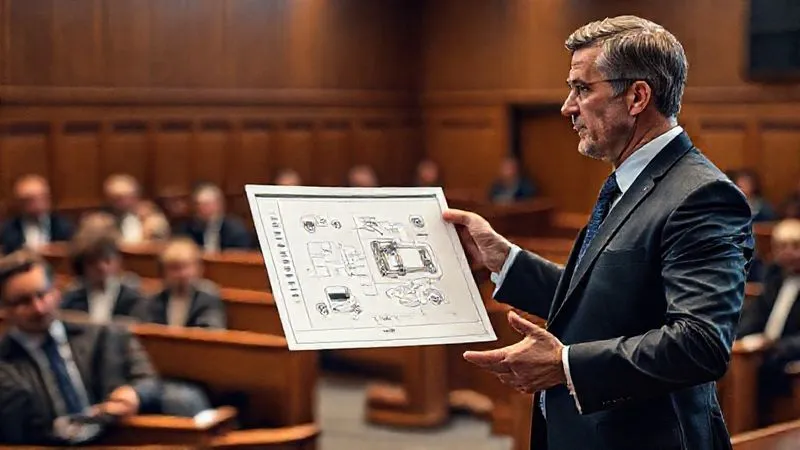
Accident reconstruction can be incredibly technical and abstract for a lay jury. Visual aids are essential for translating complex physics and mechanics into understandable concepts. Your expert should be able to create:
- 3D Animations: Recreating the accident sequence based on your expert's findings, showing vehicle movements, impact points, and post-impact trajectories.
- Interactive Models: Physical or digital models of the scene and vehicles that can be manipulated to demonstrate different scenarios.
- Overlays and Diagrams: Superimposing your expert's findings onto official police diagrams or aerial photographs to highlight discrepancies.
- Photographic Enhancements: Using software to clarify details in blurry photos, measure distances, or highlight specific damage.
These visuals don't just explain; they persuade. They allow the jury to 'see' your version of events, making it far more tangible and believable than simply listening to conflicting expert testimonies. Engaging a professional forensic animator is often a worthwhile investment to ensure these visuals are both accurate and impactful. For insights into effective courtroom presentations, review resources from organizations like the American Bar Association.
| Evidence Type | Purpose in Challenge | Challenge Strategy |
|---|---|---|
| Police Report & CAD Data | Identify initial observations, potential inconsistencies, and missing data points. | Cross-reference with independent scene measurements and witness accounts. |
| EDR (Black Box) Data | Verify speeds, braking, and steering inputs immediately pre-impact. | Have data re-downloaded and analyzed by a certified specialist to ensure accuracy and full interpretation. |
| Witness Statements & Depositions | Corroborate or contradict reported events, identify biases. | Compare statements for consistency, identify new witnesses, or conduct follow-up interviews. |
| Vehicle Damage Assessment | Determine impact severity, angles, and points of contact. | Engage a mechanical engineer to review damage and compare with reconstruction findings; check for pre-existing damage. |
| Scene Photography/Video | Document transient evidence, road conditions, sightlines, and vehicle resting positions. | Utilize image analysis software for measurements, perspective correction, and enhancement of crucial details. |
Frequently Asked Questions (FAQ)
Question? What if the adverse report comes from a government agency, like the state police? Is it harder to challenge?
Detailed answer: While reports from government agencies often carry an aura of authority, they are not infallible. They can still contain errors due to resource limitations, lack of specialized training for the investigating officer, or simple oversight. The process for challenging them is fundamentally the same: meticulous review, independent expert analysis, and a strong counter-narrative. In some ways, it can even be advantageous, as government experts may be perceived as less biased than those hired by an insurance company. Focus on the science, not the source.
Question? How much does it typically cost to hire an independent accident reconstruction expert, and is it always worth it?
Detailed answer: The cost can vary significantly based on the expert's credentials, the complexity of the case, and the scope of work (e.g., scene visit, EDR download, full report, animation). Fees can range from a few thousand dollars for a basic review to tens of thousands for a full reconstruction and trial testimony. In my experience, if liability is contested and an adverse report is threatening your client's recovery, the investment is almost always worth it. The potential increase in settlement value or trial verdict often far outweighs the expert's fees, making it a strategic necessity rather than an optional expense.
Question? Can I challenge an expert's qualifications rather than just their report?
Detailed answer: Absolutely. Challenging an expert's qualifications is a valid strategy, especially if their background doesn't directly align with the specific technical issues in your case. For instance, if an expert without specific biomechanical training attempts to opine on injury causation, you can challenge their expertise in that area. This goes back to the Daubert/Frye standards – the expert must be qualified by knowledge, skill, experience, training, or education to testify on the subject matter. A motion to exclude based on lack of qualifications can be very effective.
Question? What if I don't have access to the physical evidence, like the vehicles or the scene?
Detailed answer: While direct access is ideal, its absence doesn't make challenging a report impossible. Your expert can still conduct a thorough review using photographs, police reports, EDR data (if preserved), and even publicly available information like Google Street View or drone imagery. They can also create hypothetical reconstructions based on the best available data, highlighting how the opposing expert's conclusions are not the only possible scientific explanation. This emphasizes the importance of early spoliation letters to preserve evidence whenever possible.
Question? How important is it to understand the software used by the opposing expert?
Detailed answer: It's incredibly important. If the opposing expert used specific software like PC-Crash or HVE, your own expert should ideally be proficient in that same software or a comparable one. This allows them to scrutinize the inputs, parameters, and interpretation of the software's output effectively. Understanding the limitations and common errors associated with these programs provides a powerful avenue for challenging the report's technical accuracy and the expert's application of the software.
Key Takeaways and Final Thoughts
Challenging adverse accident reconstruction reports effectively is a cornerstone of successful personal injury litigation. It demands a proactive mindset, meticulous attention to detail, and the strategic deployment of expert resources. Remember these critical takeaways:
- Act Early, Act Decisively: The window for preserving crucial evidence is fleeting. Engage your own expert immediately.
- Deconstruct, Don't Just Dismiss: Understand the opposing report's components, methodology, and assumptions to find its vulnerabilities.
- Leverage Your Own Experts: A credible, independent expert is your most powerful asset for both critique and counter-narrative.
- Master Cross-Examination: Use depositions and trial testimony to systematically expose weaknesses in the opposing expert's findings and credibility.
- Build a Comprehensive Evidentiary Case: Supplement expert reports with all available auxiliary evidence and compelling visual aids.
- Know Your Legal Standards: Understand Daubert and Frye to strategically challenge admissibility when appropriate.
In the complex landscape of personal injury law, an adverse accident reconstruction report can feel like an insurmountable obstacle. However, with the right strategy, expertise, and determination, you can effectively challenge these reports, expose their flaws, and ultimately secure the justice your clients deserve. Embrace the challenge, for within it lies the opportunity to profoundly impact the outcome of your case and uphold the integrity of the truth.
Recommended Reading
- Agency Procedures: Notice and Comment Explained Simply!
- 5 Critical Steps: Defending a Commercial Driver's First DUI Charge
- Challenge Executive Overreach: Separation of Powers Guide
- 7 Strategies to Shield Your Business from Employee Social Media Liability
- States' Rights: 7 Constitutional Strategies to Resist Federal Overreach



Comments
Leave a comment below. Your email will not be published. Required fields marked with *