


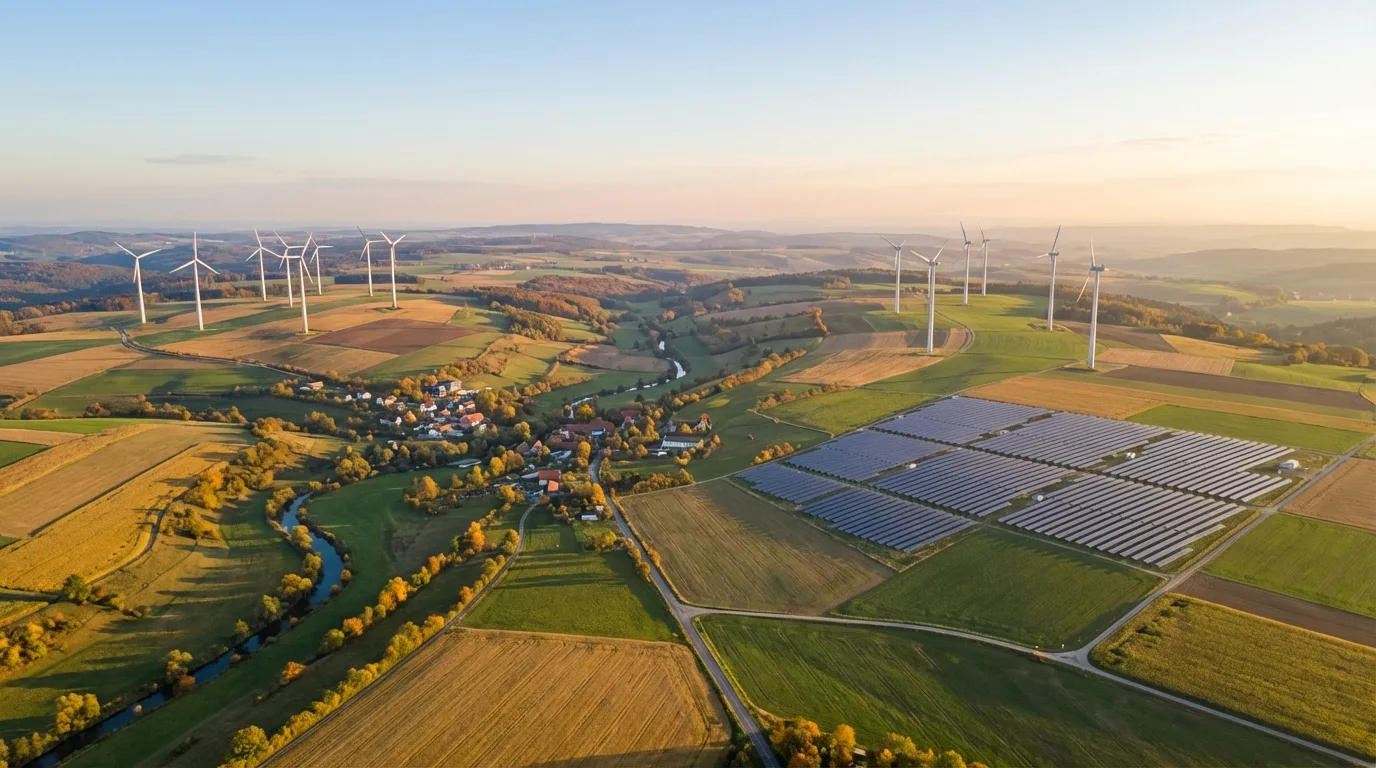
Sustainable development projects, while crucial for our future, often face a complex web of legal and regulatory hurdles. Successfully navigating these challenges requires more than just good intentions; it demands a proactive and informed approach. In my experience as an environmental lawyer, even the most well-intentioned projects can be derailed by unforeseen legal complications. The key is to anticipate potential issues and build a robust legal framework from the outset.
I recall a specific case from 2018. A client was developing a solar farm project. During the initial environmental impact assessment, we identified a potential conflict with local zoning regulations. By engaging with the community and local authorities early on, we were able to address their concerns, modify the project design to minimize impact, and ultimately secure the necessary permits without facing legal challenges. This experience underscored the importance of early and transparent stakeholder engagement. It also highlighted the need for a thorough understanding of the applicable legal framework.
Understanding the Legal Landscape
The first step in avoiding legal challenges is to thoroughly understand the applicable legal landscape. This includes international treaties, national laws, regional regulations, and local ordinances. Each layer of regulation can impose different requirements and restrictions on your project.
- International Treaties and Agreements: Many sustainable development projects are subject to international treaties and agreements, particularly those related to climate change, biodiversity, and human rights.
- National Environmental Laws: Most countries have national environmental laws that govern environmental impact assessments, pollution control, and resource management.
- Regional and Local Regulations: Regional and local regulations often impose specific requirements related to zoning, land use, and environmental protection.
Conducting Thorough Due Diligence
Due diligence is a critical process for identifying potential legal risks and liabilities. It involves a comprehensive review of the project site, environmental conditions, and applicable legal requirements. A thorough due diligence process can help you avoid costly surprises and ensure that your project complies with all applicable laws and regulations.
In 2020, I worked on a wind farm project where a seemingly minor detail during due diligence saved the client significant legal headaches. We identified an area designated as a critical habitat for a protected bird species. While the initial environmental assessment had missed this, our detailed review of local biodiversity maps revealed the potential issue. By relocating a few turbines, we avoided violating the Endangered Species Act and averted a potential lawsuit. In my experience, the extra investment in thorough due diligence always pays off.
Engaging Stakeholders Early and Often
Stakeholder engagement is essential for building trust and ensuring that your project is aligned with community values and priorities. Engaging stakeholders early in the project planning process can help you identify potential concerns and address them proactively. This can prevent conflicts and reduce the risk of legal challenges.
- Identify Key Stakeholders: Identify all stakeholders who may be affected by your project, including local communities, indigenous groups, government agencies, and environmental organizations.
- Develop a Stakeholder Engagement Plan: Develop a plan for engaging with stakeholders throughout the project lifecycle. This plan should outline the methods and frequency of engagement, as well as the process for addressing stakeholder concerns.
- Communicate Transparently: Communicate openly and honestly with stakeholders about the project's potential impacts and benefits. Be responsive to their concerns and be willing to make changes to the project design to address those concerns.

Obtaining Necessary Permits and Approvals
Obtaining the necessary permits and approvals is a crucial step in ensuring that your project complies with all applicable laws and regulations. The permitting process can be complex and time-consuming, so it's important to start early and work closely with regulatory agencies. For example, environmental impact assessments are a key aspect of many sustainable development projects. They help to identify and mitigate potential environmental impacts.
During the summer of 2022, I advised a client on a geothermal energy project. The permitting process involved multiple agencies and a detailed environmental impact assessment. Initially, the local water authority raised concerns about potential groundwater contamination. We addressed this by implementing a rigorous monitoring plan and incorporating advanced drilling techniques to minimize the risk of contamination. As a result, we secured the necessary permits and were able to proceed with the project on schedule.
Mitigating Environmental Risks
Environmental risks can pose significant legal and financial challenges for sustainable development projects. Identifying and mitigating these risks is essential for protecting the environment and avoiding legal liabilities.
I have seen first-hand how proactive risk management can make a difference. For example, in 2023, in my experience developing a small-scale hydropower project in a sensitive river ecosystem, we implemented several measures to minimize environmental impacts. We used fish-friendly turbines, maintained a minimum flow rate in the river, and established a habitat restoration program. By carefully managing these risks, we avoided any significant environmental damage and maintained a positive relationship with the local community.
Specific measures to consider:
- Conduct a comprehensive environmental risk assessment. This assessment should identify all potential environmental risks associated with the project, including air and water pollution, soil contamination, and habitat destruction.
- Develop a risk management plan. This plan should outline the steps that will be taken to mitigate each identified risk.
- Implement best management practices. BMPs are a set of proven techniques for minimizing environmental impacts.
- Monitor environmental performance. Regularly monitor the project's environmental performance to ensure that it is meeting its environmental goals.
Ensuring Compliance and Monitoring
Compliance with environmental laws and regulations is an ongoing process. It requires continuous monitoring, reporting, and auditing. Implementing a robust compliance program can help you avoid violations and maintain a positive relationship with regulatory agencies.
Key components of a compliance program:
- Develop a compliance manual. This manual should outline all applicable environmental laws and regulations, as well as the project's compliance policies and procedures.
- Conduct regular training. Provide regular training to employees on environmental compliance requirements.
- Conduct regular audits. Conduct regular audits to ensure that the project is complying with all applicable laws and regulations.
- Report any violations promptly. Promptly report any violations to the appropriate regulatory agencies.
Environmental Justice Considerations
Environmental justice is a growing concern in the context of sustainable development. It refers to the fair treatment and meaningful involvement of all people regardless of race, color, national origin, or income with respect to the development, implementation, and enforcement of environmental laws, regulations, and policies.
Here's a table comparing environmental justice considerations in project planning:
| Factor | Without Environmental Justice | With Environmental Justice |
|---|---|---|
| Stakeholder Engagement | Limited, often top-down | Extensive, inclusive of marginalized communities |
| Impact Assessment | Focus on general environmental impacts | Detailed analysis of impacts on vulnerable populations |
| Benefit Distribution | Uneven, often favoring wealthier areas | Equitable, ensuring benefits reach disadvantaged communities |
| Decision-Making | Centralized, lacking community input | Decentralized, with meaningful community participation |
Source: author's experience, supplemented by US EPA — epa.gov
Navigating International Disputes
For projects that span multiple countries, navigating international disputes can be complex. Treaties and international agreements provide frameworks, but enforcement can be challenging. Clear contractual agreements and dispute resolution mechanisms are essential.

FAQ: Addressing Common Concerns
Here are some frequently asked questions about avoiding legal challenges in sustainable development projects:
- Why does community opposition sometimes persist even after extensive stakeholder engagement?
- Even with thorough engagement, underlying issues like historical distrust of developers, perceived inequitable distribution of benefits, or fundamental disagreements about the project's purpose can fuel continued opposition. Addressing these requires demonstrating genuine commitment to community well-being and adapting the project based on feedback, even if it means significant changes.
- What is the real practical difference between conducting a standard environmental impact assessment (EIA) and a strategic environmental assessment (SEA)?
- A standard EIA focuses on the direct impacts of a specific project on a defined area. A strategic environmental assessment (SEA), on the other hand, examines the broader environmental consequences of policies, plans, and programs at a larger scale. An SEA helps to identify cumulative impacts and ensure that sustainability considerations are integrated into high-level decision-making from the outset. This proactive approach minimizes the likelihood of legal challenges arising from unforeseen consequences later on.
- Why are some permits delayed or denied even when all requirements seem to be met?
- Permitting delays can stem from overwhelmed regulatory agencies, incomplete or unclear applications, political pressures, or unresolved conflicts with other regulations. Building strong relationships with agency staff, submitting comprehensive applications, and proactively addressing potential concerns can help expedite the process. Sometimes, unforeseen environmental conditions discovered during the review process can also lead to delays or denials, highlighting the importance of thorough due diligence.
Conclusion: Proactive Planning for a Sustainable Future
Avoiding legal challenges in sustainable development projects requires a proactive and comprehensive approach. By understanding the legal landscape, conducting thorough due diligence, engaging stakeholders early, obtaining necessary permits, mitigating environmental risks, and ensuring compliance, you can minimize the risk of legal disputes and maximize the chances of success. Don't wait until a legal issue arises. Invest in proactive planning and risk management today to ensure a sustainable and legally sound future for your project.
Ready to take the next step? Contact us today for a consultation on your sustainable development project and let us help you navigate the legal landscape with confidence.
Recommended Reading
- 7 Urgent Steps: Modifying Visitation Due to Child Safety Risks?
- Unpacking Novel Constitutional Claims: Which Standard of Review Applies?
- 7 Expert Strategies: Countering the 'Open & Obvious' Defense in Premises Liability
- Avoid Capital Gains: Smart Tax Strategies When Selling Your Business
- The Grave Truth: What Are the Consequences of Overstaying a US Visa?





Comments
Leave a comment below. Your email will not be published. Required fields marked with *