



How to Counter a Defendant's Open and Obvious Defense Successfully?
For over two decades in the demanding world of personal injury law, specifically within premises liability, I've witnessed countless cases hinge on a single, often frustrating defense: the 'open and obvious' doctrine. It's the legal equivalent of a property owner shrugging their shoulders and saying, 'You should have seen it coming.' This defense, while valid in certain contexts, can feel like an insurmountable barrier for injured plaintiffs seeking justice.
The pain point for many victims and even some less-experienced attorneys is the immediate dismissal this defense often triggers. It suggests the plaintiff was solely responsible for their injury because the hazard was supposedly so apparent that any reasonable person would have avoided it. This perspective can invalidate legitimate claims, leaving injured parties without recourse for medical bills, lost wages, and suffering.
But here's the crucial insight I've gained through years of litigation: the 'open and obvious' defense is not a magic bullet for defendants. It's a legal argument that can, and often must, be challenged with strategic precision, thorough investigation, and compelling legal reasoning. In this definitive guide, I'll share the actionable frameworks, real-world case insights, and expert strategies I've honed to successfully counter this formidable defense, helping you or your clients navigate the complexities of premises liability claims.
Understanding the 'Open and Obvious' Defense: Its Roots and Reach
Before we can counter this defense, we must first understand its foundations. The 'open and obvious' doctrine generally states that a property owner owes no duty to warn of or protect against conditions that are so patently obvious and readily observable that any reasonable person would be expected to discover them and protect themselves. This principle is rooted in the idea that there is no duty to warn someone of something they already know or should know.
However, the application of this doctrine is rarely as straightforward as it sounds. Jurisdictions vary, and what constitutes 'open and obvious' is often a matter of intense dispute. It's not just about whether the hazard was visible, but whether it was reasonably discoverable and avoidable under the specific circumstances. This nuance is where our counter-arguments begin to take shape.
Strategy 1: Challenging the 'Obviousness' Itself – Was It Truly Patent?
Unpacking the Subjectivity of 'Obvious'
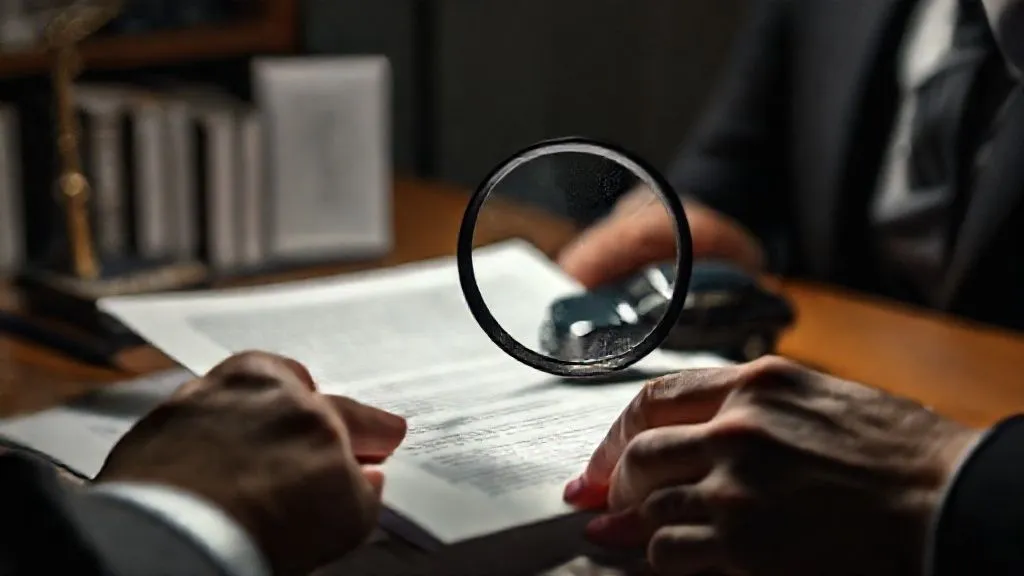
One of the most effective ways to counter this defense is to argue that the condition, despite the defendant's assertion, was not truly 'open and obvious.' This requires a meticulous examination of the hazard, the environment, and the circumstances surrounding the injury. What might seem obvious in hindsight, or from a static photo, may have been anything but obvious in the dynamic reality of the incident.
Actionable Steps:
- Detailed Scene Reconstruction: Recreate the incident environment as closely as possible. Consider lighting conditions, time of day, weather, and any visual obstructions. Use photographs, videos, and even 3D modeling if necessary.
- Focus on Distractions: Were there legitimate distractions that diverted the plaintiff's attention? This could include merchandise displays, other patrons, signage, or even a sudden noise.
- Subtle Hazards: Argue that the hazard, while physically present, possessed characteristics that made it difficult to perceive. Examples include clear spills on light floors, subtle changes in elevation, or poorly contrasted steps.
- Expert Witness Testimony: Engage human factors experts or safety engineers to testify on the visibility and perceptibility of the hazard under the given conditions. They can explain how human perception works and why a seemingly visible hazard might not be 'obvious' to a reasonable person.
I've seen defendants try to use a wide-angle, brightly lit photograph taken hours after an incident to claim obviousness. My response is always to question the fidelity of that representation to the actual moment of injury.
Strategy 2: The 'Foreseeability of Harm' Exception – Beyond Mere Visibility
When Duty Remains Despite Obviousness
Even if a condition is deemed 'open and obvious,' a property owner may still have a duty to protect against it if they could reasonably foresee that the condition would cause harm, despite its obviousness. This is a critical exception and often misunderstood. The core question shifts from 'was it visible?' to 'was it reasonably foreseeable that someone would still be injured?'
Key considerations here include:
- Anticipated Use: Was the hazardous area one where people were expected to walk, even if obvious? For example, a pothole in a busy parking lot.
- Inability to Avoid: Was the hazard so positioned that it was practically unavoidable, or would avoiding it require an unreasonable diversion or expose the plaintiff to other dangers?
- Special Circumstances: Were there special circumstances, such as crowds, poor lighting, or the nature of the business (e.g., a store encouraging customers to look at products, not the floor), that made avoidance difficult?
"The mere fact that a danger is open and obvious does not mean that the possessor of land is free from a duty to exercise reasonable care to protect invitees from that danger." – Restatement (Second) of Torts § 343A.
Case Study: The Unavoidable Construction Hazard
Case Study: How Miller v. Acme Construction Shifted Focus
In a case I handled, Miller v. Acme Construction, our client, Ms. Miller, tripped over a construction barrier that was technically 'open and obvious' in a pedestrian walkway. The defense argued she should have seen it. However, we successfully argued that Acme Construction, despite the barrier's visibility, should have reasonably foreseen that pedestrians, especially during rush hour, would be navigating a crowded, frequently used pathway, and might not perceive the barrier in time, or would be forced to walk dangerously close to it. We presented evidence of high foot traffic and inadequate alternative routes. The court agreed that the foreseeability of harm, given the context, superseded the 'open and obvious' defense, leading to a favorable settlement.
Strategy 3: The 'Distraction' Doctrine – Shifting Focus from Plaintiff's Perception
The distraction doctrine is a powerful tool in countering the 'open and obvious' defense. It posits that even if a hazard is technically visible, a plaintiff may be excused from failing to perceive it if their attention was reasonably distracted by another object or event. This doesn't mean the plaintiff was careless; it means their attention was legitimately diverted by circumstances created or allowed by the defendant.
Examples of legitimate distractions:
- Attractive product displays in a retail store.
- Other customers or children.
- Signage designed to capture attention.
- A sudden noise or event.
- Poorly maintained adjacent areas requiring vigilance.
It's crucial to establish that the distraction was reasonable and not merely the plaintiff being inattentive. We look for external factors that would naturally draw a person's gaze away from the hazard.

Strategy 4: Affirmative Duty to Protect – Beyond Just Warning
In some jurisdictions and under specific circumstances, a property owner's duty extends beyond merely warning of a hazard. They may have an affirmative duty to take reasonable steps to protect invitees from harm, even from an 'open and obvious' danger, particularly if the danger is severe or unavoidable. This often applies where the property owner has reason to expect that invitees will not discover or realize the danger, or will fail to protect themselves against it.
Consider a large, deep hole in a public park pathway. While arguably 'open and obvious,' the park authority might have a duty to fence it off or fill it, not just put up a small sign. The severity of the potential injury and the ease of remediation play a significant role here.
| Duty Type | When it Applies | Example |
|---|---|---|
| Duty to Warn | Generally for hidden dangers or non-obvious hazards. | 'Wet Floor' sign for a recent spill. |
| Duty to Protect/Remedy | For severe, unavoidable, or highly foreseeable dangers, even if obvious. | Fencing off a large excavation, repairing a known structural defect. |
| Duty to Inspect | Regularly to discover and address hazards. | Daily sweeps for spills, routine maintenance checks. |
Strategy 5: Comparative Negligence – Shifting the Blame Proportionality
Even if the court finds some degree of obviousness, this doesn't automatically absolve the defendant entirely. Most states operate under some form of comparative negligence. This legal principle allows for the apportionment of fault between the plaintiff and the defendant. If the hazard was 'open and obvious,' it might contribute to the plaintiff being assigned a percentage of fault (e.g., 20% contributory negligence).
However, the defendant is still liable for their percentage of fault. Our goal here is to minimize the plaintiff's assigned fault while maximizing the defendant's. This strategy acknowledges the defendant's argument but reframes it within a broader context of shared responsibility, preventing an outright dismissal of the claim.
Focus on:
- Defendant's Failure: Emphasize the defendant's primary failure to maintain safe premises, warn adequately, or mitigate the hazard.
- Severity of Hazard: Argue that the hazard was exceptionally dangerous, making the defendant's inaction more egregious.
- Plaintiff's Reasonable Actions: Highlight all reasonable steps the plaintiff took, even if they ultimately fell victim to the hazard.
Strategy 6: The Role of Expert Testimony – Lending Credibility and Technicality
Expert witnesses are invaluable in premises liability cases, especially when countering the 'open and obvious' defense. They can provide specialized knowledge that goes beyond the common understanding of a jury or judge.
Types of experts and their contributions:
- Human Factors Experts: Can explain how human perception, attention, and decision-making are influenced by environmental factors. They can testify on conspicuity, visual processing, and the impact of distractions.
- Safety Engineers/Consultants: Can assess whether the condition violated industry safety standards, building codes, or best practices. They can testify on the feasibility of alternative safety measures.
- Vocational Rehabilitation Experts: While not directly countering 'open and obvious,' they can powerfully demonstrate the long-term impact of the injury, reinforcing the need for compensation even if fault is shared.
According to a study published by the American Bar Association, expert testimony can significantly influence jury perceptions of fault and liability in complex injury cases. Their objective analysis can often dismantle subjective claims of 'obviousness.'
Strategy 7: Meticulous Evidence Gathering and Preservation
No legal strategy, no matter how brilliant, can succeed without robust evidence. When countering the 'open and obvious' defense, evidence gathering must be exhaustive and immediate.
Critical evidence to secure:
- Photographs/Videos: Not just of the hazard itself, but of the surrounding environment, lighting conditions, and any potential distractions, taken from various angles and distances, replicating the plaintiff's perspective. Timestamps are crucial.
- Witness Statements: Independent witnesses can corroborate the plaintiff's account of the hazard's subtlety or the presence of distractions.
- Maintenance Records: Did the defendant have a history of neglecting similar issues? Were there prior complaints? This can show a pattern of negligence.
- Incident Reports: The defendant's own internal reports might contain admissions or descriptions of the hazard that undermine their 'obvious' claim.
- Safety Regulations/Codes: Documentation showing the hazard violated applicable safety standards, building codes, or industry best practices.
- Plaintiff's Account: A detailed, consistent narrative from the plaintiff regarding their actions, perceptions, and any distractions at the time of the incident.
I always advise clients to document everything immediately. The scene changes, evidence disappears, and memories fade. A prompt, thorough investigation is the bedrock of a successful counter-defense.
For more detailed insights into evidence preservation techniques, I often refer to guidelines from reputable legal resources such as Cornell Law School's Legal Information Institute.
| Evidence Type | Importance | Key Details |
|---|---|---|
| Visual Documentation | Crucial for demonstrating scene conditions & distractions. | Multiple angles, varying distances, lighting, timestamps. |
| Witness Testimony | Corroborates plaintiff's account, provides objective perspective. | Contact info, detailed statements, credibility assessment. |
| Defendant's Records | Reveals prior knowledge, maintenance history, policy violations. | Maintenance logs, incident reports, safety manuals, training records. |
| Expert Reports | Provides specialized analysis on safety, perception, causation. | Detailed findings, methodology, qualifications, industry standards. |
Frequently Asked Questions (FAQ)
Q: Does the 'open and obvious' defense mean I have no case at all if I saw the hazard but still got injured? A: Not necessarily. Even if you saw the hazard, the core question is whether you *should have been able to avoid it* or if the property owner could have *reasonably foreseen* that despite its visibility, harm would still occur (e.g., due to distractions, unavoidable path, or severe danger). Many of the strategies discussed above specifically address these nuances. Your case would likely move into a comparative negligence analysis, where fault is shared, rather than an outright dismissal.
Q: How quickly do I need to gather evidence after an injury to counter this defense? A: Immediately. The scene of an incident can change rapidly. Spills are cleaned, objects are moved, lighting conditions vary, and memories fade. Within hours, critical visual evidence can be lost forever. If possible, take photos and videos right at the scene, and seek witness contact information. The sooner, the better, to preserve the most accurate representation of the hazard.
Q: Can a property owner claim 'open and obvious' if they never inspected the premises? A: A property owner has a duty to reasonably inspect their premises for hazards. If they failed to inspect, they might not even know if a condition was 'open and obvious' or not. Their lack of inspection could be a separate breach of duty, making their 'open and obvious' defense weaker, as it implies they couldn't have properly assessed the obviousness or foreseeable harm without due diligence. This can be a strong counter-argument, highlighting their own negligence.
Q: What if the hazard was temporary, like a spill, and was quickly cleaned up? A: Temporary hazards like spills are a common scenario for the 'open and obvious' defense. If it was quickly cleaned, it makes immediate evidence gathering even more critical. Witness testimony, surveillance footage (if available), and the defendant's clean-up records become paramount. We'd also investigate how long the spill was present and whether the defendant had constructive or actual notice of it, arguing that even a temporary hazard could become less 'obvious' over time or with surrounding activity.
Q: Is the 'open and obvious' defense applied differently for children or individuals with disabilities? A: Absolutely. The 'reasonable person' standard is adjusted for children. What is 'open and obvious' to an adult is often not to a child, who may lack the same perception of danger or impulse control. Similarly, for individuals with certain disabilities (e.g., visual impairments), the standard of 'obviousness' must be adapted to their capabilities. Property owners often have a heightened duty of care when they know or should know that such vulnerable individuals will be on their premises.
Key Takeaways and Final Thoughts
Navigating premises liability claims, especially when faced with the 'open and obvious' defense, requires a deep understanding of legal principles, meticulous investigation, and strategic advocacy. It's a battle of perception, foreseeability, and duty, where the details truly make the difference.
- Challenge the Premise: Don't accept 'obvious' at face value; investigate the specific circumstances that might have rendered the hazard less perceptible or avoidable.
- Focus on Foreseeability: Even if visible, argue that harm was still foreseeable, particularly given the nature of the danger or the environment.
- Leverage Distractions: Identify and highlight legitimate external factors that diverted the plaintiff's attention.
- Emphasize Duty: Remind the court of the property owner's broader duty to protect, not just warn, especially for severe or unavoidable hazards.
- Apportion Fault: Utilize comparative negligence laws to ensure the defendant bears their share of responsibility.
- Utilize Experts: Engage human factors and safety experts to lend objective, scientific weight to your arguments.
- Document Everything: The success of these strategies hinges on comprehensive and timely evidence gathering.
In my experience, no premises liability case is truly open and shut, even with an 'open and obvious' defense. With the right approach and a commitment to uncovering the full truth, you can effectively counter this defense and secure the justice your clients deserve. Stay diligent, be strategic, and never underestimate the power of a well-prepared case. For further reading on legal precedents and premises liability, resources like Nolo's legal guides can be incredibly helpful.
Recommended Reading
- Mastering Your Tax Court Petition Hearing: The Ultimate Preparation Guide
- Post-Scandal Sponsorship: 7 Steps to Renegotiate & Rebuild Trust
- Business Ignoring Your Complaint? Unlock the Ultimate Guide to Get Heard!
- Challenging Facially Neutral Laws with Disparate Racial Impact: A Legal Guide
- Unraveling the Legal Implications of Breach in Maritime Contracts: Your Ultimate Guide



Comments
Leave a comment below. Your email will not be published. Required fields marked with *