



How to Defend a Commercial Driver's First-Time DUI Charge?
For over two decades in criminal defense, I've witnessed the devastating ripple effect of a DUI charge, especially when it targets a commercial driver. It's not just a legal battle; it's a fight for livelihood, for family, for a future built on the open road. I've seen careers that took years to build crumble overnight simply because the right defense wasn't mounted from day one.
A first-time DUI for a CDL holder isn't like a standard DUI. The stakes are astronomically higher, governed by stringent federal and state regulations that can lead to immediate CDL suspension, lengthy disqualifications, and the potential loss of employment, even before a conviction. The legal landscape is complex, unforgiving, and often leaves drivers feeling overwhelmed and helpless.
This comprehensive guide will equip you with the expert insights, strategic frameworks, and actionable steps necessary to construct a robust defense. Drawing from my extensive experience, we'll delve into the nuances of commercial DUI law, uncover common defense pitfalls, and chart a clear path to protecting your CDL and your career. You'll learn not just what to do, but why, empowering you to navigate this challenging period with confidence and clarity on how to defend a commercial driver's first-time DUI charge effectively.
Understanding the Unique Stakes: CDL & DUI Penalties
The moment a commercial driver is pulled over on suspicion of DUI, they enter a legal labyrinth far more complex than that faced by a non-CDL holder. The penalties are not just more severe; they operate on a dual system of federal and state regulations, each with its own set of rules and consequences. This dual threat means you're fighting battles on multiple fronts simultaneously.
Federal vs. State Regulations: A Dual Threat
The Federal Motor Carrier Safety Administration (FMCSA) sets the baseline for commercial driver regulations across the United States. Under 49 CFR Part 383, the legal blood alcohol content (BAC) limit for a CDL holder operating a commercial motor vehicle (CMV) is a mere 0.04%, half of the standard 0.08% for non-commercial drivers in most states. Even if you're driving your personal vehicle, a DUI conviction can trigger federal CDL disqualifications.
Beyond the BAC limit, federal regulations mandate strict disqualification periods. A first offense for operating a CMV with any alcohol in your system, or refusing a chemical test, typically results in a one-year CDL disqualification. If you're transporting hazardous materials, that disqualification extends to three years. A second offense, regardless of when the first occurred, can lead to a lifetime CDL disqualification. States, in turn, implement these federal guidelines while also imposing their own specific penalties, which can include hefty fines, jail time, mandatory alcohol education programs, and further license suspensions.
Beyond the Fines: The True Cost of a CDL DUI
While the immediate fines and potential jail time are daunting, they often pale in comparison to the long-term financial and professional devastation a CDL DUI can inflict. The most significant impact is often the immediate suspension or disqualification of your commercial driving privileges. This isn't merely an inconvenience; for many, it's the direct loss of their livelihood.
- Employment Loss: Most trucking companies have zero-tolerance policies regarding DUI convictions. Even an arrest can lead to temporary suspension or termination.
- Insurance Hikes: If you manage to retain your CDL or find new employment, your insurance premiums, or those of your employer, will skyrocket, making you a less attractive hire.
- Difficulty Finding Future Work: A DUI conviction on your driving record makes it incredibly challenging to secure future employment in the trucking industry. Carriers are hesitant to hire drivers with such a history due due to liability concerns.
- Personal and Financial Strain: The stress of unemployment, legal fees, and the inability to provide for your family can take an immense personal toll.
It's also critical to understand Implied Consent Laws. For CDL holders, these laws are particularly unforgiving. By holding a CDL, you've implicitly consented to chemical testing if suspected of DUI. Refusing a test, even if you believe you're innocent, often carries its own severe administrative penalties, including immediate CDL suspension, independent of any criminal conviction. This is a crucial distinction and a common pitfall for many drivers. The stakes are simply too high to approach this without specialized legal guidance.
"For a commercial driver, a DUI isn't just a charge; it's an existential threat to their professional identity and financial stability. Understanding the dual layers of federal and state penalties is the first, most crucial step in crafting an effective defense."
Immediate Actions After a Commercial DUI Stop
The moments immediately following a DUI stop are critical and can significantly impact the outcome of your case. Panic and uncertainty are natural, but making informed decisions, even under duress, is paramount. My experience has shown that what you do, or don't do, in these initial hours can make or break your defense.
The Crucial First 24-48 Hours: What NOT to Do
I've seen countless drivers inadvertently damage their own cases by making common, understandable mistakes in the immediate aftermath of a stop. Avoid these pitfalls:
- Do not resist arrest or argue with the officer: While you have rights, actively resisting can lead to additional charges and escalate the situation unnecessarily.
- Do not admit guilt or make incriminating statements: Anything you say can and will be used against you. Politely invoke your right to remain silent.
- Do not refuse chemical tests without legal consultation (if possible): As discussed, CDL implied consent laws are harsh. While you have the right to refuse, the administrative penalties are severe. Discuss this quickly with an attorney if given the chance, but understand refusal often leads to automatic CDL disqualification.
- Do not discuss the case with anyone but your attorney: This includes friends, family, coworkers, or even on social media. Your conversations can be subpoenaed or used as evidence.
Securing Expert Legal Counsel: Non-Negotiable
This is arguably the most critical step. Immediately after being released, or as soon as practically possible, you must contact an attorney specializing in CDL DUI defense. This is not a job for a general criminal defense lawyer or a public defender who may not fully grasp the intricacies of federal CDL regulations.
An attorney with specific expertise in commercial driver DUI cases understands the unique challenges, the dual federal and state penalties, and the specific defense strategies required. They know how to challenge field sobriety tests, breathalyzer calibration, and police procedure within the context of CDL law. They can also represent you at the administrative per se hearing, which is separate from your criminal case but crucial for your CDL. For more information on federal regulations, consult the official FMCSA website.
- Remain Silent: Politely invoke your right to counsel and right to remain silent. Do not answer questions beyond identifying yourself.
- Comply Physically: Avoid any actions that could be construed as resisting or obstructing.
- Document Everything: As soon as you are able, write down every detail you remember about the stop: time, location, officer's demeanor, what was said, the sequence of events, road conditions, and any medical conditions you have.
- Seek Specialized Counsel: Contact an attorney experienced in CDL DUI defense without delay. Time is of the essence, especially for administrative hearings.

Deconstructing the Prosecution's Case: Evidence & Weaknesses
The prosecution's case in a DUI charge relies heavily on specific pieces of evidence: the police officer's observations, field sobriety tests (FSTs), and chemical test results (breath, blood, or urine). An experienced CDL DUI defense attorney knows how to meticulously deconstruct each of these elements, often revealing weaknesses that can lead to reduced charges or even dismissal.
Field Sobriety Tests (FSTs): Inherently Flawed for CDL Holders
FSTs, such as the Horizontal Gaze Nystagmus (HGN), Walk-and-Turn, and One-Leg Stand, are designed to assess impairment. However, they are far from infallible. In my experience, these tests are highly subjective and can be influenced by numerous factors unrelated to alcohol impairment:
- Physical Condition: Injuries, inner ear problems, obesity, or even simply being tired can negatively impact performance. Many commercial drivers have pre-existing conditions from years on the road that affect balance or coordination.
- Road Conditions: Uneven pavement, poor lighting, or inclement weather can make FSTs virtually impossible to perform accurately.
- Officer Training & Administration: Officers must administer FSTs according to strict National Highway Traffic Safety Administration (NHTSA) guidelines. Any deviation can render the results unreliable and challengeable in court.
- Nervousness: The stress of being pulled over, especially for a CDL driver, can cause anxiety, unsteadiness, and difficulty following instructions, all of which might be misinterpreted as impairment.
Your attorney will scrutinize the officer's report and any dashcam or bodycam footage to identify improper FST administration or external factors that could have skewed the results.
Breathalyzer & Blood Test Results: Challenging the Science
Chemical test results often seem like irrefutable evidence, but they are subject to numerous potential errors. No machine or human is perfect, and the science behind these tests can be challenged:
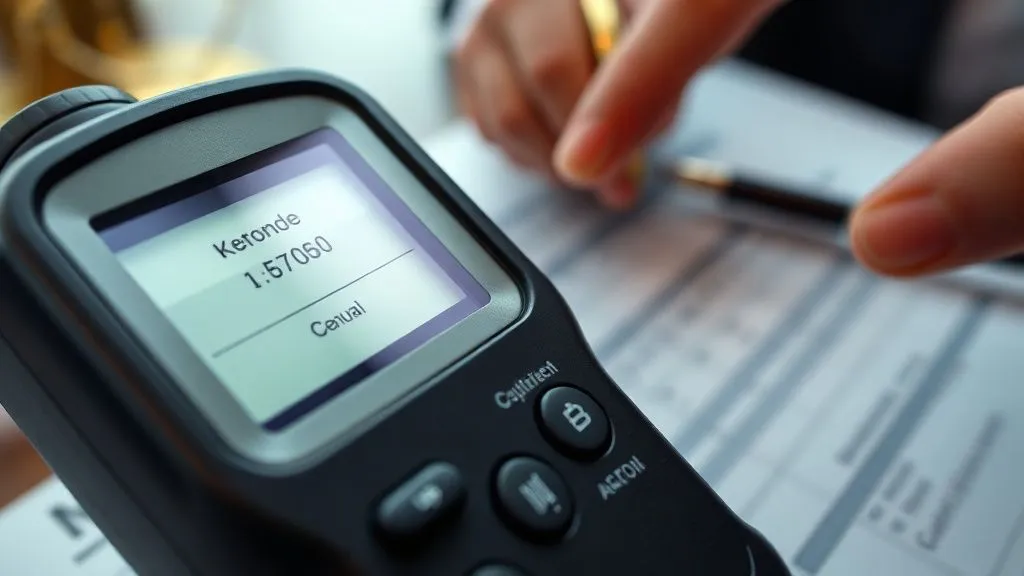
- Breathalyzer Calibration & Maintenance: Breathalyzer devices require regular calibration and maintenance to ensure accuracy. Improper calibration, outdated software, or lack of maintenance can lead to inaccurate readings. Your attorney will demand these records.
- Operator Error: The officer administering the test must be properly trained and follow specific protocols. Any deviation, such as failing to observe the driver for 15-20 minutes prior to the test to ensure no mouth alcohol, can invalidate the results.
- Medical Conditions: Certain medical conditions, like GERD (gastroesophageal reflux disease), acid reflux, or diabetes, can cause mouth alcohol or produce chemicals that breathalyzers misinterpret as ethanol, leading to false positives.
- Chain of Custody: For blood tests, the integrity of the sample must be maintained from collection to laboratory analysis. Breaks in the chain of custody, improper storage, or contamination can lead to unreliable results.
Expert witnesses, such as forensic toxicologists, can be brought in to challenge the scientific validity of the test results. For more on forensic science standards, consult resources from NIST.
Police Procedure & Probable Cause: The Foundation of Your Defense
Every DUI case begins with a traffic stop and an arrest. Both must be based on solid legal grounds. If the officer lacked reasonable suspicion for the initial stop or probable cause for the arrest, any evidence gathered afterward could be inadmissible in court. This is a powerful defense strategy.
- Illegal Stop: Was the initial traffic stop justified? Did the officer have a reasonable, articulable suspicion that a traffic law was violated or that you were impaired? Vague reasons like 'weaving within your lane' might be challenged.
- Lack of Probable Cause for Arrest: After the stop, did the officer have enough evidence to believe you were impaired before arresting you? This typically involves observations of impairment, FST performance, and preliminary breath test results. If probable cause was lacking, the arrest could be deemed illegal, leading to the suppression of evidence.
- Violation of Constitutional Rights: This includes the right to remain silent, the right to an attorney, and proper Miranda warnings. Any violation can severely weaken the prosecution's case.
Case Study: How John's Attorney Challenged Breathalyzer Accuracy
John, a veteran long-haul driver, was pulled over after an anonymous tip about a "swerving truck." His breathalyzer registered 0.05% BAC. While seemingly low for a personal vehicle, it was above the 0.04% CDL limit. His attorney immediately requested all maintenance and calibration logs for the breathalyzer device used by the arresting agency. It was discovered that the specific device had not been recalibrated within the mandated timeframe, nor had it undergone its annual service check. This critical oversight, combined with challenges to the FSTs given John's documented knee injury (which affected his balance), led to a motion to exclude the breathalyzer results as unreliable evidence. The judge granted the motion, and without the key scientific evidence, the prosecution's case was severely weakened, ultimately resulting in a favorable plea agreement that protected his CDL from permanent disqualification. This demonstrated the power of meticulous evidence review and challenging the scientific foundation of the prosecution's case.
Developing a Robust Defense Strategy: Key Legal Avenues
Once the evidence has been meticulously reviewed and potential weaknesses identified, your attorney will begin crafting a comprehensive defense strategy. This isn't a one-size-fits-all approach; it's a tailored plan designed to capitalize on the specifics of your case and the unique challenges of CDL law.
Challenging the Stop & Arrest: Constitutional Grounds
As mentioned, the legality of the initial stop and subsequent arrest is a foundational element of your defense. If the officer lacked proper justification, any evidence gathered thereafter could be deemed inadmissible through a motion to suppress. This often involves:
- Reviewing Dashcam/Bodycam Footage: This visual evidence can often contradict an officer's written report regarding the reason for the stop or the observations of impairment.
- Questioning Officer Testimony: Cross-examination can expose inconsistencies or exaggerations in the officer's account of events.
- Legal Precedent: Your attorney will cite relevant case law to argue that your constitutional rights (Fourth Amendment for illegal search/seizure, Fifth Amendment for self-incrimination) were violated.
A successful challenge to the stop or arrest can lead to the entire case being dismissed, which is the best possible outcome for a CDL holder.
Attacking the Evidence: FSTs, Chemical Tests & Witness Testimony
Beyond challenging the initial stop, a significant portion of the defense strategy focuses on undermining the reliability of the prosecution's evidence:
- Expert Witnesses: For chemical tests, a forensic toxicologist can testify about the limitations of breathalyzers, potential for false positives, or issues with blood sample integrity. For FSTs, a biomechanical expert might explain how a pre-existing injury could affect performance.
- Challenging FST Administration: Your attorney will argue if the FSTs were not administered correctly, if the conditions were unsuitable, or if your physical characteristics made them unreliable.
- Discrediting Witness Testimony: This includes the arresting officer's testimony, where inconsistencies or bias can be highlighted.
Affirmative Defenses: When Circumstances Matter
In some cases, specific circumstances may provide an affirmative defense, meaning you admit to certain facts but argue that you are not legally culpable due to other mitigating factors. While rare in DUI cases, these can include:
- Involuntary Intoxication: If you unknowingly consumed an intoxicating substance (e.g., a spiked drink or medication with unexpected side effects). This is extremely difficult to prove.
- Rising BAC Defense: If your BAC was rising at the time of the test, it might have been below the legal limit (0.04% for CDL) at the time you were actually driving. This requires expert testimony and careful timeline analysis.
- Medical Condition Defenses: As discussed, certain medical conditions can mimic impairment or affect chemical test results.
"A successful CDL DUI defense often hinges on identifying and exploiting procedural errors, questioning the scientific validity of evidence, and proactively building a narrative that challenges the prosecution's assumptions. It's about meticulous preparation and aggressive advocacy."
Navigating the Administrative Per Se Hearing: CDL at Risk
One of the most critical, yet often misunderstood, aspects of a commercial driver's DUI charge is the administrative per se hearing. This hearing is entirely separate from your criminal court case, and it deals solely with the suspension or disqualification of your driving privileges, particularly your CDL. Missing this step or failing to properly defend yourself here can result in an immediate CDL loss, regardless of the outcome of your criminal case.
Understanding the Dual Track: Criminal vs. Administrative
When you're arrested for DUI as a CDL holder, you essentially face two legal battles:
- The Criminal Case: This is handled in the courts and determines your guilt or innocence, leading to potential fines, jail time, and a criminal record.
- The Administrative Case (Per Se Hearing): This is handled by your state's Department of Motor Vehicles (DMV), Department of Transportation (DOT), or equivalent agency. It focuses on whether you were driving with a prohibited BAC or refused a chemical test. Its outcome directly impacts your driving privileges, especially your CDL.
The timelines for requesting an administrative hearing are incredibly strict, often as short as 10 days from the date of arrest. Failing to request this hearing within the specified window typically results in an automatic administrative suspension or disqualification of your CDL.
Strategies for the Administrative Hearing
While the standard of proof is lower in administrative hearings than in criminal court, these hearings are still vital. Your attorney will employ specific strategies:
- Timeliness is Critical: The first and most important step is to ensure the hearing request is filed correctly and on time.
- Challenging Probable Cause for Stop/Arrest: Your attorney can argue that the officer lacked reasonable suspicion for the stop or probable cause for the arrest, which could lead to the administrative suspension being overturned.
- Questioning the Officer's Testimony: The arresting officer will usually be present (or their report will be presented). Your attorney can cross-examine them, looking for inconsistencies or procedural errors.
- Gathering Information for the Criminal Case: The administrative hearing can serve as an invaluable discovery tool. Your attorney can question the officer under oath, locking in their testimony and potentially uncovering details that can be used to strengthen your criminal defense. This is a significant advantage.
- The Importance of Legal Representation: Attempting to navigate an administrative hearing without an attorney is a mistake. The rules are complex, and the stakes for your CDL are too high. An experienced attorney knows what questions to ask, what evidence to present, and how to challenge the agency's claims effectively.

Mitigation & Plea Bargaining: When Defense Shifts Focus
Even with the most robust defense, not every case can be dismissed or won at trial. Sometimes, the evidence against you is substantial, or the risks of trial are too high. In such scenarios, the focus shifts to mitigation and plea bargaining – strategies aimed at minimizing the consequences and protecting your CDL as much as possible. This requires a nuanced approach and an attorney skilled in negotiation.
Exploring Alternatives to Conviction
Your attorney will explore every possible avenue to avoid a DUI conviction on your record, especially one that impacts your CDL. These alternatives might include:
- Deferred Adjudication or Diversion Programs: In some jurisdictions, for first-time offenders, there may be programs where charges are dismissed upon successful completion of probation, alcohol education, or community service. However, these are often less available or have stricter criteria for CDL holders due to federal regulations. Even if the criminal charge is dismissed, the administrative CDL disqualification may still apply if the underlying incident involved impairment.
- Negotiating for Non-DUI Offenses: The primary goal for a CDL holder is to avoid any conviction that triggers federal CDL disqualification. Your attorney may negotiate with the prosecutor to reduce the charge to a non-DUI traffic offense, such as reckless driving or careless driving. While these still carry penalties, they may not result in the automatic, lengthy CDL disqualifications mandated by federal law for DUI convictions. This is a highly strategic move and depends heavily on the strength of your defense and the prosecutor's willingness to negotiate.
Presenting a Strong Mitigation Package
When plea bargaining, your attorney will present a comprehensive mitigation package to the prosecutor and, if necessary, the judge. This package is designed to show you in the best possible light, demonstrating that you are a responsible individual, this incident was an anomaly, and you are taking proactive steps to address any underlying issues. According to a study published by the Journal of Criminal Law and Criminology, defendants who actively engage in pre-trial mitigation efforts often receive more favorable outcomes.
Elements of a strong mitigation package typically include:
- Character References: Letters from employers, colleagues, family, and community members attesting to your good character, work ethic, and responsible behavior.
- Employment History: Documentation showcasing your long and successful career as a commercial driver, emphasizing your contributions to the economy and your clean record prior to this incident.
- Sobriety Efforts: If applicable, evidence of voluntary enrollment in alcohol education classes, counseling, or support groups (e.g., AA). This demonstrates a proactive commitment to addressing potential issues.
- Community Involvement: Proof of volunteer work or community service.
- Financial Impact Statements: Demonstrating the severe financial hardship that a CDL disqualification would impose on you and your family.
The goal is to humanize you to the court and the prosecution, making a strong case for leniency or a more favorable plea agreement. Your attorney's ability to present this package persuasively can significantly influence the outcome. For more on state DUI laws and reforms, refer to the National Conference of State Legislatures (NCSL).
| Strategy | Potential Outcome | Risk Level |
|---|---|---|
| Challenge Probable Cause | Case Dismissal, CDL Preserved | Medium |
| Attack Breathalyzer Calibration | Evidence Exclusion, Reduced Charge | Medium |
| Plea Bargain to Non-DUI Offense | CDL Saved (Jurisdiction Dependent) | Low-Medium |
| Administrative Hearing Victory | Temporary CDL Reinstatement | Medium-High |
The Long-Term Impact & Rebuilding Your Career
Even if you successfully navigate your first-time DUI charge, the long-term impact on your CDL and career can be substantial. It's crucial to understand these implications and to have a plan for rebuilding your professional life. My role isn't just to defend you in court, but to guide you through the aftermath and help you chart a path forward.
Understanding Disqualification Periods & Reinstatement
Federal regulations are clear: a first DUI offense in a CMV (or any vehicle, if it results in a conviction) typically leads to a one-year CDL disqualification. If you were transporting hazardous materials, it's three years. A second DUI offense, at any point in your lifetime, usually results in a lifetime CDL disqualification. There are generally no hardship licenses or limited CDLs for commercial driving privileges during these disqualification periods.
Reinstatement processes vary by state and depend on whether you've completed all court-ordered requirements (fines, jail time, alcohol education) and paid all reinstatement fees. You may also need to reapply for your CDL and pass all necessary tests. The key is to meticulously follow all instructions from the court and the DMV/DOT to ensure a smooth reinstatement process once your disqualification period ends.
Strategies for Career Recovery
Losing your CDL, even temporarily, is a devastating blow. However, it doesn't have to be the end of your career. Many drivers, with the right strategy and determination, can recover. As career coach Sarah Miller often emphasizes, "A setback is not a permanent state unless you allow it to be. Focus on what you can control: your attitude, your skills, and your proactive steps toward recovery."
- Networking Within the Industry: Maintain contact with former employers, colleagues, and industry contacts. Be transparent about your situation and demonstrate your commitment to rehabilitation and safe driving.
- Demonstrating Rehabilitation: If you underwent alcohol counseling or education, keep documentation of your completion. This shows a commitment to personal growth and responsibility.
- Exploring Non-Driving Roles: If your CDL is permanently lost, or during a long disqualification, consider roles within the transportation industry that don't require driving, such as dispatch, logistics, freight brokering, or warehouse management. Your knowledge of the industry is still valuable.
- Considering Other Industries: While a difficult pivot, sometimes a fresh start in a completely different field is necessary. Focus on transferable skills.
- Seeking Expungement (if applicable): In some states, after a certain period, you may be able to expunge a DUI conviction from your criminal record. While this doesn't erase it from federal CDL records, it can help with general employment opportunities. Consult your attorney about expungement eligibility in your state.
The path back can be challenging, but it is achievable. Proactive steps, a positive attitude, and a focus on what you can control are vital. For additional resources on transportation careers and regulations, visit the Department of Transportation (DOT) website.

Frequently Asked Questions (FAQ)
Q: Can I refuse a breathalyzer or blood test as a commercial driver? A: While you have the constitutional right to refuse, doing so as a CDL holder almost invariably triggers immediate and severe administrative penalties, often including a one-year CDL disqualification, regardless of the outcome of the criminal case. The implied consent laws are much stricter for commercial drivers. It's a complex decision that should ideally be discussed with an attorney immediately, but refusal usually has harsher administrative consequences and is generally not advised for CDL holders.
Q: What is the difference between a DUI and an OWI, and does it matter for my CDL? A: DUI (Driving Under the Influence), OWI (Operating While Intoxicated), DWI (Driving While Intoxicated), and OUI (Operating Under the Influence) are largely interchangeable terms used by different states to describe the same offense. From a federal CDL perspective, the specific terminology doesn't matter as much as the underlying conviction for operating a motor vehicle while impaired. Both will trigger federal CDL disqualification rules and carry severe consequences for your commercial driving privileges.
Q: If I get a DUI in my personal vehicle, will it affect my CDL? A: Absolutely. A DUI conviction in your personal vehicle will lead to a disqualification of your CDL. For a first offense, it's typically a one-year disqualification. A second offense can lead to a lifetime disqualification. The law views any DUI offense, regardless of the vehicle type, as a serious threat to public safety, especially from someone licensed to operate large commercial vehicles. The FMCSA regulations apply to any motor vehicle you operate.
Q: How long does a CDL DUI stay on my record? A: The criminal conviction itself will remain on your driving record and criminal history indefinitely, or for many years depending on state expungement laws (which are often very restrictive for DUI). Crucially, for CDL purposes, the Federal Motor Carrier Safety Administration (FMCSA) considers DUI convictions for a lifetime when determining disqualifications for subsequent offenses. This means a first DUI, even if years old, can trigger a lifetime disqualification if a second offense occurs. There is no "expungement" from your federal driving record for CDL purposes.
Q: Can I get a hardship license to drive my commercial vehicle after a DUI? A: Generally, no. While some states offer hardship or restricted licenses for standard DUI offenses (allowing limited personal driving), these typically do not apply to commercial driving privileges. Federal regulations and most state laws prohibit the issuance of a limited or hardship CDL after a DUI conviction or administrative suspension. The intent is to remove impaired commercial drivers from the road completely during their disqualification period, as their operation of a CMV poses a significant public safety risk.
Key Takeaways and Final Thoughts
- A commercial driver's first DUI is a severe, multi-layered legal challenge requiring specialized defense and immediate, strategic action.
- Understanding the dual system of federal and state penalties, including the lower BAC limit for CDL holders, is paramount to grasping the true stakes involved.
- Immediate actions, such as securing expert CDL DUI counsel and meticulously documenting the incident, are critical in the crucial first 24-48 hours.
- A robust defense strategy involves meticulously deconstructing the prosecution's evidence (FSTs, chemical tests), challenging police procedure, and navigating the separate administrative per se hearing.
- When a trial isn't feasible, proactive mitigation and strategic plea bargaining are essential to minimize consequences and protect your CDL.
- The long-term impact requires understanding disqualification periods, proactive career recovery strategies, and a commitment to rehabilitation.
Navigating a commercial driver's first-time DUI charge is undeniably one of the most stressful experiences a professional driver can face. But it's crucial to remember: a charge is not a conviction, and even a conviction doesn't have to be the absolute end of your career. With the right legal expertise, a proactive approach, and unwavering determination, you can fight to protect your livelihood and secure your future on the road. Don't face this battle alone; empower yourself with knowledge and the best possible defense for how to defend a commercial driver's first-time DUI charge.
Recommended Reading
- Contesting Guardianship: How to Protect Your Elderly Parent
- 7 Steps: Legally Register Your Commercial Vessel Under a Foreign Flag
- Navigating AI in Hiring: 7 Legal Risks Employers Must Understand
- 5 Steps: Objecting to a Chapter 11 Reorganization Plan Effectively
- Federal Sentencing Guidelines: How Are They Applied?




Comments
Leave a comment below. Your email will not be published. Required fields marked with *