


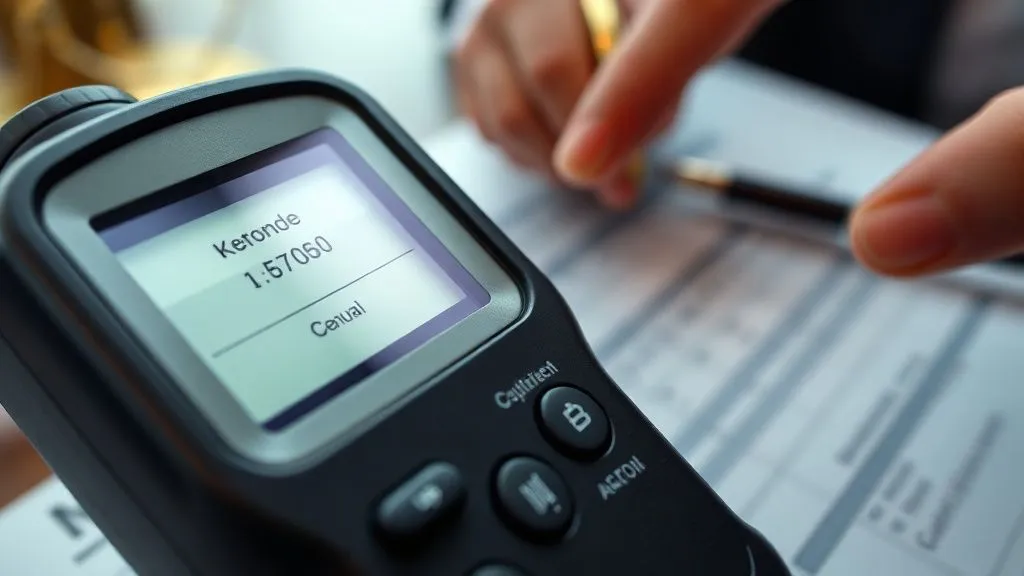
How to Effectively Challenge Faulty Breathalyzer Calibration in DUI Cases?
For over two decades in criminal defense, especially within the challenging realm of DUI law, I've witnessed firsthand the profound impact a breathalyzer test can have on a client's life. I've seen countless individuals walk into my office, their futures hanging by a thread, often based solely on a breath alcohol reading. Many believe these machines are infallible, but in my experience, that couldn't be further from the truth.
The stark reality is that breathalyzers, like any piece of complex machinery, are susceptible to errors, particularly when their calibration is faulty. This isn't merely a technicality; it's a critical vulnerability that can lead to false positives, unjust convictions, and devastating consequences for innocent people. The pain point for many facing a DUI charge is the feeling of helplessness against seemingly objective scientific evidence.
My goal with this definitive guide is to arm you with the knowledge and strategies necessary to dismantle faulty breathalyzer evidence effectively. We'll delve deep into the science, the legal precedents, and the practical steps I've used in the courtroom to challenge these readings. You'll gain actionable frameworks, real-world insights, and a clear understanding of how to protect your rights when facing a DUI accusation stemming from a questionable breathalyzer result.
Understanding the Breathalyzer: Science, Standards, and Susceptibility
Before we can effectively challenge a breathalyzer, we must first understand its inner workings. The device is designed to measure the amount of alcohol vapor in a person's breath, correlating it to blood alcohol content (BAC). It's a complex process, often misunderstood, and ripe for misinterpretation without proper scrutiny.
The Science Behind Breath Alcohol Testing
Breathalyzers primarily use infrared spectroscopy or fuel cell technology to detect and quantify ethanol in exhaled breath. The assumption is that alcohol in deep lung air has a consistent ratio to blood alcohol (the partition ratio, typically 2100:1). However, this ratio can vary significantly between individuals and even within the same person at different times, introducing a fundamental source of potential error. I often explain to clients that it’s an indirect measurement, not a direct blood test.
Calibration Protocols and Regulatory Standards
To ensure accuracy, breathalyzers must be regularly calibrated against known alcohol solutions. Agencies like the National Highway Traffic Safety Administration (NHTSA) set guidelines, but each state implements its own specific protocols for calibration, maintenance, and operator training. These protocols dictate how often devices must be calibrated, the types of reference solutions used, and who is qualified to perform the maintenance. Deviations from these strict standards are often where we find our strongest challenges.
Common Points of Failure and Inaccuracy
From environmental interferences like radio frequency interference (RFI) to residual mouth alcohol, and from medical conditions to improper machine maintenance, breathalyzers have numerous potential failure points. These aren't theoretical issues; I've seen them play out in real cases, leading to overturned charges. Recognizing these vulnerabilities is the first step in building a robust defense against seemingly damning evidence.
The Critical Role of Maintenance Logs and Calibration Records
In my practice, the maintenance and calibration logs of a breathalyzer device are often the holy grail of a DUI defense. These documents provide a detailed history of the machine's life, revealing whether it was properly cared for, serviced, and tested according to mandated schedules. Negligence here can be a powerful argument for challenging the reliability of its readings.
What to Look For in Calibration Logs
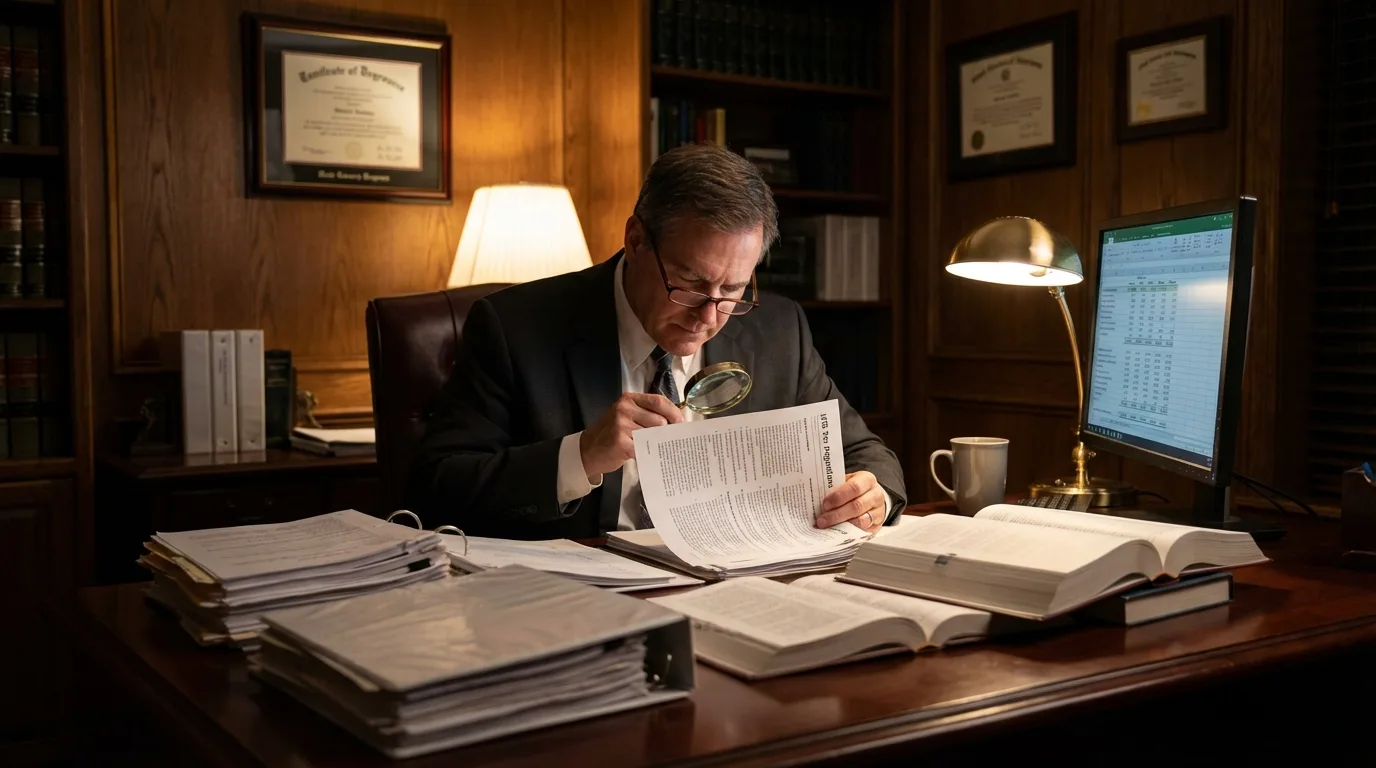
When I receive discovery documents, I meticulously comb through every page of the breathalyzer's maintenance history. It's like forensic archaeology, searching for anomalies that could undermine the prosecution's case. This isn't just about finding errors; it's about establishing a pattern of potential unreliability.
- Calibration Dates: Were calibrations performed within the required timeframe (e.g., every 30, 60, or 90 days)? Gaps or overdue calibrations are red flags.
- Reference Solution Integrity: Were certified reference solutions used? Were their expiration dates current? Was the solution temperature within acceptable ranges?
- Operator Signatures and Credentials: Was the calibration performed by a certified technician? Are their credentials valid and up-to-date?
- Environmental Factors: Are there notes on temperature, humidity, or RFI that could have affected the calibration?
- Test Results and Deviations: Did the "known" alcohol solutions consistently fall within the acceptable margin of error (e.g., +/- 0.01 BAC)? Significant deviations indicate a problem.
- Repair History: Has the machine undergone frequent repairs? This could suggest chronic issues or inherent instability.
A single missing entry or an inexplicable deviation can cast serious doubt on the entire calibration process. This level of detail is crucial for how to effectively challenge faulty breathalyzer calibration in DUI cases.
| Date of Calibration | Technician ID | Reference Solution Lot | Control Reading 1 | Control Reading 2 | Control Reading 3 | Notes |
|---|---|---|---|---|---|---|
| 2023-08-15 | TJ456 | XYZ-789 (Expired) | 0.078 | 0.083 | 0.081 | Solution expired 2023-07-01. Calibration proceeded. |
The table above illustrates a common, yet critical, flaw I look for: expired reference solutions. If the standard used for calibration is itself compromised, how can the machine's accuracy be trusted? This is a fundamental breach of protocol that can lead to a successful challenge.
"Never underestimate the power of a meticulously reviewed maintenance log. It's often where the machine's 'confession' lies, revealing its inherent unreliability or the negligence of its handlers."
Unpacking the "Gold Standard": Reference Solutions and Their Integrity
The accuracy of a breathalyzer is only as good as the solution it's calibrated against. These "reference solutions" are supposed to be precisely measured alcohol concentrations, serving as the benchmark for the machine's performance. Any compromise in their integrity can lead to systemic errors.
The Chemistry of Simulator Solutions
Breathalyzers are typically calibrated using simulator solutions, which are mixtures of water and a known concentration of ethanol. These solutions are heated to a specific temperature to produce a vapor with a precise alcohol concentration. The machine then measures this vapor, and its readings are adjusted to match the known concentration. If the solution itself is inaccurate or has degraded, the calibration will be flawed from the outset.
Chain of Custody Issues and Contamination
Just like any piece of evidence, reference solutions must maintain a strict chain of custody. Any break in this chain – improper storage, tampering, or contamination – can render them unreliable. For instance, if a solution is exposed to extreme temperatures, its alcohol concentration can change. I always investigate how these solutions were stored and handled from manufacture to use. Contamination, even from a small amount of residue in the simulator, can also throw off readings.
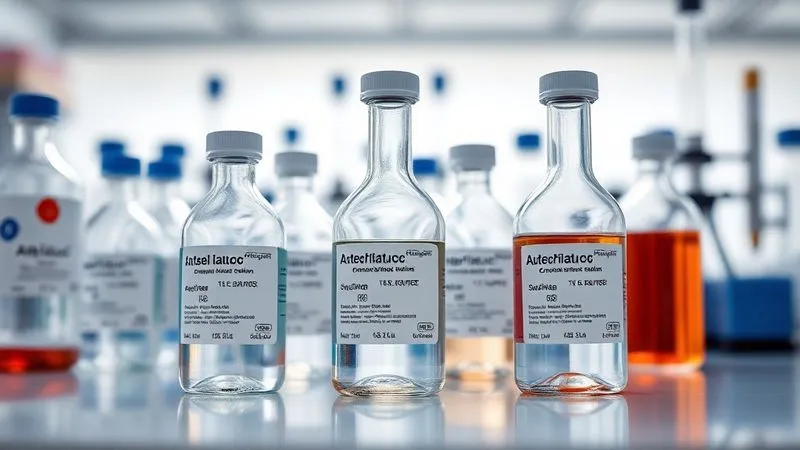
This image perfectly illustrates the ideal conditions under which reference solutions should be maintained. Any deviation from such meticulous care can be a strong point of contention in court, directly impacting how to effectively challenge faulty breathalyzer calibration in DUI cases.
Operator Error: A Human Element in a Machine Process
Even the most perfectly calibrated breathalyzer can yield inaccurate results if operated incorrectly. The human element, surprisingly, accounts for a significant portion of breathalyzer challenges I've encountered. Police officers, while trained, are not infallible, and procedural errors can invalidate an entire test.
Improper Training and Certification Lapses
Officers administering breathalyzer tests must undergo specific training and maintain current certifications. I always request their training records. Has their certification lapsed? Was their initial training adequate? A poorly trained operator might not recognize machine error messages, understand the nuances of the device, or follow the correct pre-test observation period.
Deviations from Standard Operating Procedures (SOPs)
Every breathalyzer test is governed by strict Standard Operating Procedures (SOPs) designed to ensure accuracy and minimize external influences. These procedures often include a mandatory observation period, specific instructions for the subject, and proper handling of the mouthpiece. Failure to adhere to these SOPs can be a powerful defense argument.
- The 15-20 Minute Observation Period: Before a breath test, the subject must be observed for 15-20 minutes to ensure they haven't ingested anything, vomited, burped, or had anything in their mouth that could artificially inflate the BAC reading (e.g., mouth alcohol). I always ask if this period was strictly observed and documented.
- Proper Instructions: Was the subject clearly instructed on how to provide a proper breath sample (a deep, continuous breath)? Many people don't understand what constitutes an adequate sample, leading to "insufficient sample" errors or inaccurate readings.
- Multiple Samples: Were at least two breath samples taken, and were their readings within the acceptable range of agreement (e.g., within 0.02 BAC)? If not, it suggests an inconsistent sample or machine malfunction.
- Mouthpiece Hygiene: Was a new, sterile mouthpiece used for each test? Contaminated mouthpieces can lead to erroneous results.
Case Study: How Officer Ramirez's Oversight Saved a Client
I once represented a client, Mr. Thompson, who blew a 0.11 BAC. The evidence seemed strong, but during discovery, I noticed a subtle detail in the officer's report: Mr. Thompson had been observed talking animatedly on his phone in the patrol car just before the breath test, and the observation period was only logged as 10 minutes. My investigation revealed that he had been chewing gum just before his arrest, a fact the officer failed to note or address. By arguing that the officer failed to observe the mandatory 15-minute period, and that residual mouth alcohol from the gum could have artificially inflated the reading, we successfully moved to suppress the breathalyzer results. This small procedural oversight was critical in demonstrating how to effectively challenge faulty breathalyzer calibration in DUI cases, or in this case, a faulty test administration.
Physiological Factors and Medical Conditions Affecting BAC Readings
Breathalyzers are designed for the "average" person, but human physiology is anything but average. Certain medical conditions or unique physiological traits can significantly alter a breathalyzer's accuracy, leading to falsely elevated BAC readings.
GERD, Diabetes, and Other Conditions
Conditions like Gastroesophageal Reflux Disease (GERD) or acid reflux can cause stomach contents, including alcohol, to come back up into the mouth and throat. If this happens just before a breath test, the machine will detect "mouth alcohol," which is far more concentrated than deep lung alcohol, leading to a falsely high reading. Similarly, diabetics experiencing ketoacidosis can produce acetone in their breath, which some older breathalyzer models might mistakenly identify as alcohol. Other conditions, such as asthma or lung capacity issues, can affect the ability to provide an adequate breath sample.
Mouth Alcohol vs. Deep Lung Alcohol
This distinction is paramount. Breathalyzers are supposed to measure deep lung (alveolar) air, which provides the most accurate reflection of blood alcohol content. However, if there's any alcohol present in the mouth or upper respiratory tract – from recent drinking, burping, vomiting, or even dental work – the machine will register this "mouth alcohol," leading to an artificially inflated reading. This is why the 15-20 minute observation period is so critical; it's designed to allow any mouth alcohol to dissipate. If the observation period is violated, or if the officer fails to note signs of mouth alcohol, the reading is highly suspect.
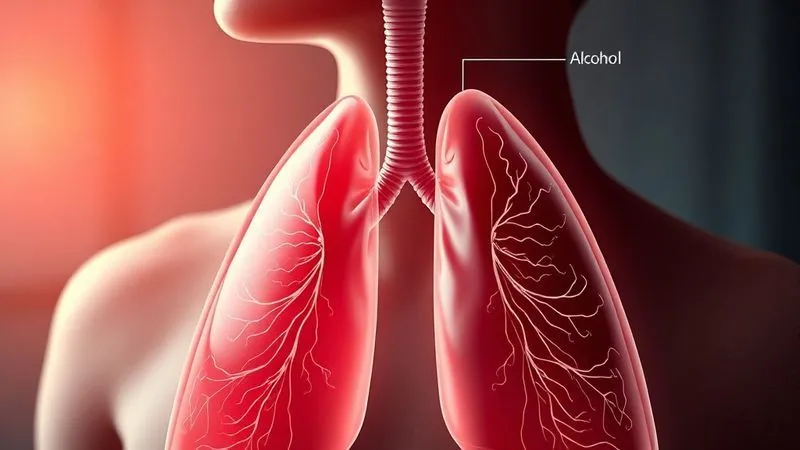
Understanding the physiological differences between mouth and deep lung alcohol is a cornerstone of challenging breathalyzer results. It's a scientific argument that can expose the limitations of the device when faced with real-world human variability.
Leveraging Expert Witnesses and Forensic Toxicology
When the science gets complex, you need an expert to explain it. In DUI defense, a forensic toxicologist or a breathalyzer expert witness can be an invaluable asset. They can dissect the science, point out technical flaws, and translate complex concepts into understandable testimony for a judge or jury, making a significant difference in how to effectively challenge faulty breathalyzer calibration in DUI cases.
When to Bring in a Forensic Toxicologist
I consider retaining a forensic toxicologist when the BAC reading is particularly high, when there are clear indications of machine malfunction, or when physiological factors are at play. These experts can review all calibration records, maintenance logs, and even the raw data from the breathalyzer itself. They can identify subtle errors that a layperson or even a general attorney might miss. Their testimony provides an independent, authoritative voice that directly counters the prosecution's scientific evidence.
The Power of Independent Analysis
An expert witness can perform independent calculations, critique the state's expert, and explain how specific procedural or calibration errors could have led to an inaccurate result. They can also testify about the general scientific principles of breath alcohol testing, highlighting its inherent limitations and variability. Their job is not just to find errors, but to educate the court on the nuances of the science.
For a deeper dive into the scientific principles and challenges in forensic alcohol analysis, I often refer to reputable sources like the National Institutes of Health (NIH) publications on breath alcohol testing, which provide comprehensive insights into the complexities involved.
Pre-Trial Motions and Evidentiary Hearings: Your Legal Arsenal
The battle against faulty breathalyzer evidence often begins long before a trial. Pre-trial motions and evidentiary hearings are critical junks in the legal process where you can challenge the admissibility of the breath test results. This is where your meticulous investigation comes to fruition.
Motion to Suppress Evidence
A "Motion to Suppress" is a powerful legal tool. If I can demonstrate that the breathalyzer was improperly calibrated, maintained, or operated, or that the evidence was obtained in violation of my client's constitutional rights, I will file a motion to suppress the breath test results. If successful, this can mean the breathalyzer reading cannot be used against the client in court, often leading to a dismissal or a significantly stronger plea bargaining position.
Challenging Admissibility
Beyond suppression, we can challenge the admissibility of the evidence itself based on scientific reliability. This often involves a "Daubert" or "Frye" hearing, depending on the jurisdiction, where the court assesses whether the scientific method underlying the breath test is generally accepted in the scientific community or if it meets specific reliability standards. This is another area where expert witness testimony is invaluable, helping the court understand the scientific flaws.
Understanding the legal standards for admitting scientific evidence is paramount. For example, the Cornell Law School's Legal Information Institute provides an excellent overview of the Daubert Standard, which many courts use to determine the admissibility of expert testimony and scientific evidence.
Cross-Examination Strategies for Breathalyzer Technicians
When a breathalyzer technician or the arresting officer takes the stand, it's an opportunity to expose the weaknesses in their testimony and the breath test process. Effective cross-examination is an art, built on thorough preparation and a deep understanding of the device and its protocols.
Questioning Training and Experience
I start by probing their qualifications. How long have they been certified? When was their last training? How many times have they calibrated this specific machine? Are they familiar with all the manufacturer's specifications and state-mandated procedures? Inconsistencies or lack of detailed knowledge can chip away at their credibility.
Probing Maintenance and Calibration Records
This is where those meticulously reviewed logs come into play. I'll walk them through every questionable entry, every missed date, every expired solution. "Officer, can you explain why this calibration was performed with an expired reference solution?" or "Is it standard procedure to skip the 15-minute observation period, technician?" The goal is to highlight any deviation from protocol and sow doubt about the machine's reliability. This directly addresses how to effectively challenge faulty breathalyzer calibration in DUI cases.
Highlighting Procedural Flaws
Beyond calibration, I focus on the specific test administration. Did they observe the client for the full 15-20 minutes? Did they note any burping, vomiting, or other mouth alcohol factors? Were the instructions for providing a breath sample clear? Were multiple samples taken, and were they consistent? Each "no" or "I don't recall" weakens the prosecution's case.
The courtroom is where these challenges come alive. A skilled cross-examination can transform what seems like irrefutable evidence into highly questionable testimony.
Beyond Calibration: Other Avenues for DUI Defense
While challenging breathalyzer calibration is a powerful defense, it's crucial to remember that it's just one piece of the DUI defense puzzle. A comprehensive defense strategy often involves attacking multiple angles of the prosecution's case.
Challenging the Stop and Arrest
Was the initial traffic stop lawful? Did the officer have reasonable suspicion to pull you over? Did they have probable cause to arrest you for DUI? If the initial stop or arrest was illegal, all subsequent evidence, including breathalyzer results, could be suppressed under the "fruit of the poisonous tree" doctrine. This is often the first line of defense I explore.
Field Sobriety Test Failures
Field Sobriety Tests (FSTs) are notoriously subjective and often administered incorrectly. Factors like weather conditions, physical disabilities, footwear, and anxiety can all contribute to poor performance, even in a sober individual. I meticulously review dashcam and bodycam footage to identify any deviations from NHTSA standards in the administration of these tests.
For insights into your rights during a traffic stop and interactions with law enforcement, resources like the ACLU's "Know Your Rights" guide are invaluable for understanding the legal boundaries of police conduct.
Frequently Asked Questions (FAQ)
Q: Can I refuse a breathalyzer test? A: In most states, refusing a breathalyzer (or any chemical test) under implied consent laws can lead to immediate administrative penalties, such as license suspension, regardless of whether you're convicted of DUI. This is separate from the criminal case. While you have the right to refuse, there are consequences, and it's a complex decision best made with legal counsel.
Q: How quickly does alcohol dissipate from the body? A: Alcohol metabolizes at a relatively constant rate, typically around 0.01 to 0.02 BAC per hour, though this can vary based on individual factors like weight, gender, metabolism, and liver function. This is why "retrograde extrapolation" (estimating BAC at the time of driving) is often challenged by defense attorneys due to its inherent imprecision.
Q: What if I have a medical condition that affects my BAC? A: Medical conditions like GERD, diabetes, or even certain dental issues can indeed affect breathalyzer readings. It's crucial to inform your attorney immediately about any such conditions. Your attorney can then gather medical records and potentially bring in a medical expert to explain how your condition could have led to a false positive.
Q: Is it worth hiring an attorney for a breathalyzer challenge? A: Absolutely. The complexities of breathalyzer science, legal protocols, and courtroom strategy are immense. An experienced DUI defense attorney understands how to effectively challenge faulty breathalyzer calibration in DUI cases, identify procedural errors, leverage expert witnesses, and navigate the legal system to protect your rights and achieve the best possible outcome. Trying to go it alone against a prosecutor and potentially flawed scientific evidence is a significant disadvantage.
Q: What's the difference between a breathalyzer and a blood test? A: A breathalyzer measures alcohol in your breath, which is then used to *estimate* your blood alcohol content (BAC) based on a partition ratio. A blood test, on the other hand, directly measures the alcohol concentration in your blood. Blood tests are generally considered more accurate, though they are not immune to errors (e.g., improper collection, storage, or lab analysis). Both can be challenged, but the nature of the challenges differs.
Key Takeaways and Final Thoughts
Challenging faulty breathalyzer calibration in DUI cases is not just possible; it's a fundamental aspect of ensuring justice. The belief that these machines are infallible is a myth, and as an experienced defense attorney, I've built careers on exposing their flaws.
- Scrutinize Everything: From calibration logs to operator training, every detail matters.
- Understand the Science: Knowledge of how breathalyzers work (and don't work) is your greatest weapon.
- Leverage Experts: Forensic toxicologists and medical experts can provide critical insights and testimony.
- Attack on Multiple Fronts: A strong defense combines challenges to the breathalyzer with scrutiny of the stop, arrest, and FSTs.
- Your Attorney is Key: Navigating these complexities requires a dedicated and knowledgeable legal advocate.
Don't let a seemingly objective machine dictate your fate. Your freedom and future are too important to leave to chance. With the right legal strategy and a deep understanding of how to effectively challenge faulty breathalyzer calibration in DUI cases, you can fight for the justice you deserve. Remember, the burden of proof rests with the prosecution, and it's our job to ensure they meet that burden without relying on flawed evidence.
Recommended Reading
- Unlock the Truth: Non-Dischargeable Debts in Chapter 13 vs. Chapter 7
- Mastering Complex Whiplash: 7 Steps for Effective Injury Claim Litigation
- Navigating Complex Title IX Sexual Assault Investigations: 7 Critical Steps
- 7 Critical Steps: How to Preserve Issues for Appeal in Criminal Trial
- 7 Steps: How to Legally Challenge Excessive Marine Pollution Port Fines



Comments
Leave a comment below. Your email will not be published. Required fields marked with *