


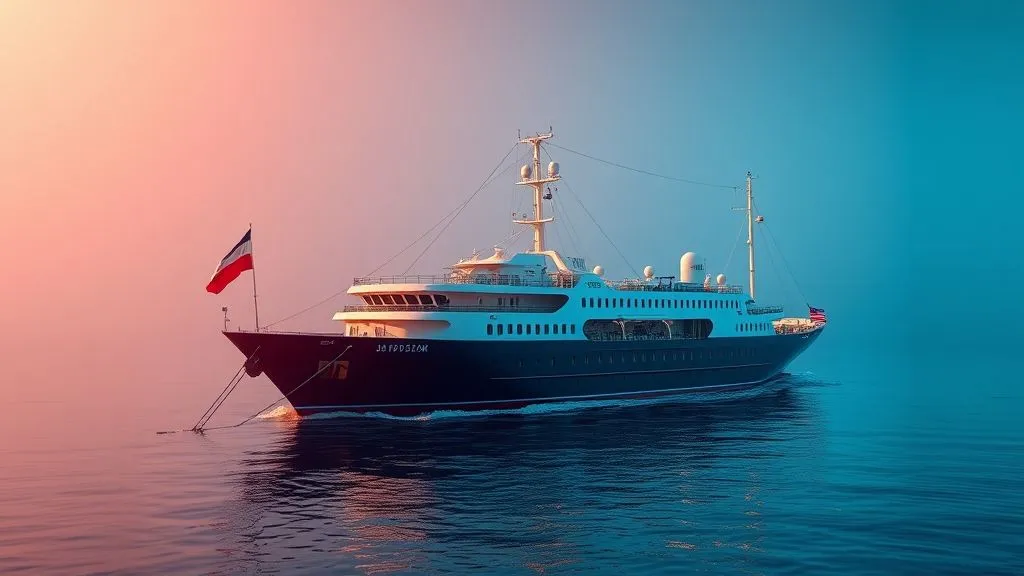
How to legally register a commercial vessel under a foreign flag?
Registering a commercial vessel under a foreign flag, often referred to as flagging out, is a strategic decision driven by a complex interplay of legal, economic, and operational factors. It's not merely a bureaucratic exercise but a fundamental choice that impacts your vessel's entire operational lifecycle and legal standing.
In my 15 years navigating these waters, I've seen clients achieve significant advantages, but also stumble due to inadequate preparation. The process begins long before paperwork; it starts with meticulous due diligence into potential flag states.
Choosing the right flag state is paramount. It’s akin to selecting a long-term business partner. You need a jurisdiction that offers political stability, a reputable maritime administration, and a legal framework that aligns with your operational needs and business model.
Consider the following critical factors when evaluating potential flag states:
- Reputation and White-Listing: Does the flag state appear on "white lists" of major Port State Control (PSC) regimes (e.g., Paris MoU, Tokyo MoU)? A poor PSC record can lead to frequent inspections, detentions, and significant operational delays.
- Legal and Regulatory Stability: The flag state's adherence to international maritime conventions (SOLAS, MARPOL, STCW, MLC) is crucial. A stable and predictable regulatory environment minimizes uncertainty.
- Cost Structure: Evaluate initial registration fees, annual tonnage taxes, and other associated charges. While often a driver for flagging out, cheaper isn't always better if it compromises safety or reputation.
- Crew Nationality Restrictions: Some flag states impose restrictions or requirements on the nationality of officers and crew. This can significantly impact crewing strategies and costs.
- Mortgage Registration and Enforcement: For financed vessels, the ease and security of registering and enforcing maritime mortgages in the chosen jurisdiction are vital for lenders.
Once a flag state is selected, the practical steps for registration typically unfold in a structured manner. While specific requirements vary, a general roadmap applies to most reputable registries.
- Pre-Registration Assessment & Documentation Gathering:
- Secure a name for the vessel and obtain approval from the chosen registry.
- Gather all foundational documents: proof of ownership (Bill of Sale), Builder's Certificate (for newbuilds), a valid International Tonnage Certificate, and a Certificate of Deletion from the previous registry (if applicable). This deletion certificate is perhaps the single most critical document for ensuring clear title.
- Provide details of the vessel's classification society and its valid survey reports. The vessel must be in class with a recognized IACS member.
- Submit details of any existing maritime mortgages or encumbrances.
- Provisional Registration:
- This initial step allows the vessel to operate legally under the new flag while permanent registration documents are finalized. It's typically valid for a limited period, often 3 to 6 months.
- The registry will issue a Provisional Certificate of Registry and often a Provisional Radio License.
- During this phase, the vessel is subject to the laws and regulations of the new flag state. It's a critical window to complete any outstanding surveys or inspections required by the new administration.
- Permanent Registration:
- To transition from provisional to permanent status, all outstanding documentation must be submitted and approved. This often includes original copies of documents provided provisionally, along with any additional certificates required after initial inspections.
- A common hurdle I encounter here is the delay in obtaining the original deletion certificate from the previous flag. Without it, permanent registration is impossible.
- Once complete, the vessel receives its Permanent Certificate of Registry, International Tonnage Certificate, and other statutory certificates (e.g., ISM, ISPS, MLC certificates of compliance).
- Post-Registration Compliance and Ongoing Obligations:
- Registration is not a one-off event. Owners must ensure continuous compliance with the flag state’s national regulations and international conventions.
- This includes regular surveys, annual fees, manning requirements, and adherence to safety and environmental standards. Neglecting these can lead to fines, detentions, or even deregistration.
"The true cost of flagging out isn't just the registration fee; it's the ongoing commitment to compliance and the potential reputational impact of your chosen flag. A cheap flag today can be an expensive liability tomorrow."
A common mistake I see is underestimating the complexity of mortgage registration under a new flag. Lenders have stringent requirements, and any misstep can delay financing or even void the security. Always ensure your legal counsel liaises directly with the mortgagees' legal teams early in the process.
For instance, consider a client who sought to register a large bulk carrier under a less-known flag primarily for cost savings. While the initial fees were low, the flag state's poor PSC record led to multiple detentions in European ports. Each detention resulted in lost charter days, significant repair costs, and a damaged reputation with charterers – far outweighing any initial savings. This highlights the importance of balancing cost with operational reliability and reputation.
Ultimately, a successful foreign flag registration hinges on thorough planning, expert legal guidance, and a clear understanding of the long-term implications. It’s about more than just paperwork; it’s about securing a stable and compliant operational future for your commercial asset.
Understanding the Root of the Problem: Why Foreign Flag Registration is Complex
The allure of foreign flag registration for commercial vessels is undeniable, often driven by competitive operating costs, flexible crewing requirements, or access to specific trade routes. However, in my fifteen years navigating these waters, I’ve consistently observed that beneath this attractive surface lies a labyrinth of legal and operational complexities that many owners underestimate. The process is far from a simple administrative task; it involves a deep dive into international law, national sovereignty, and intricate regulatory compliance.
At its heart, the complexity stems from the fundamental concept of a vessel's nationality. A ship, when registered under a particular flag, becomes a piece of that nation's sovereign territory on the high seas. This means it's subject to the laws and jurisdiction of that flag state, a principle enshrined in international conventions like the United Nations Convention on the Law of the Sea (UNCLOS). Changing a vessel's flag is, in essence, changing its nationality, and this triggers a cascade of legal obligations and scrutiny.
A common misconception I encounter is that "flags of convenience" imply a lack of rigorous oversight. While some flags may offer more flexible interpretations of international conventions, they still operate within a globally recognized framework. The real challenge is the intricate interplay between various layers of legal authority:
-
International Maritime Conventions: These are the bedrock. Instruments like SOLAS (Safety of Life at Sea), MARPOL (Prevention of Pollution from Ships), MLC (Maritime Labour Convention), and STCW (Standards of Training, Certification and Watchkeeping for Seafarers) set global minimum standards. Each flag state must demonstrate its capacity to implement and enforce these conventions.
-
Flag State Domestic Law: Beyond international treaties, every flag state possesses its own unique national maritime code, corporate governance laws, tax regulations, and administrative procedures. These can vary wildly, dictating everything from who can own a vessel to the specific types of safety equipment required.
-
Port State Control (PSC): This is where the rubber meets the road. Even if a vessel is perfectly compliant with its flag state's regulations, it remains subject to inspection by Port State Control authorities in any port it visits. PSC officers enforce international standards, and sometimes national standards of the port state, acting as a critical check on substandard shipping regardless of the flag.
In my experience, the biggest pitfall for owners is assuming uniformity. What works seamlessly for a registration in, say, Panama, will likely face entirely different hurdles when attempting to register with the Marshall Islands or Liberia. Each jurisdiction has its own quirks, its own due diligence requirements, and its own definition of a "fast-track" process.
The due diligence required by a new flag state is another significant source of complexity. They aren't just registering a vessel; they are taking on legal responsibility for it. This necessitates a thorough investigation into the vessel's history and the owner's credentials. This often includes:
-
Vessel's Encumbrances: Verifying that there are no outstanding mortgages, liens, or other financial claims against the vessel from its previous flag state. A clean title is paramount.
-
Technical Compliance: Ensuring the vessel meets the new flag's specific technical and safety standards, which may require new surveys, modifications, or updated certifications from a recognized classification society.
-
Beneficial Ownership Transparency: With increasing global pressure against illicit financial activities, many flag states now demand stringent disclosure of the ultimate beneficial owners of the vessel. This can involve complex corporate structuring documentation and rigorous identity verification.
Consider a mini-case study: I once advised a client who purchased a tanker with a seemingly straightforward transfer of ownership. However, during the foreign flag registration process, a historical, undeclared lien from a defunct bunkering company in a third country surfaced. This obscure debt, though minor in value, caused a six-month delay and substantial legal fees to resolve, simply because the new flag state was unwilling to register a vessel with an unresolved encumbrance, regardless of its age or perceived insignificance. This highlights the painstaking level of scrutiny involved.
Ultimately, the complexity of foreign flag registration is a reflection of the maritime industry's global nature and the international community's commitment to safety, environmental protection, and responsible governance. It's a system designed to ensure that every vessel, regardless of its commercial objectives, operates under a clear legal framework and accountability.
Misunderstanding Flag State Requirements and Regulations
A common pitfall in foreign flag registration is a superficial understanding of the chosen flag state's requirements. Many owners are drawn by perceived flexibility or cost savings, only to discover a labyrinth of intricate regulations post-registration. In my experience, this oversight is a primary driver of operational headaches and costly non-compliance.
The notion that "open registries" equate to a lack of stringent oversight is a dangerous misconception. While some flags offer administrative efficiency, they are still signatories to international conventions and often impose their own additional, sometimes more rigorous, national rules. It's crucial to understand that convenience doesn't mean compromise on safety or environmental standards.
Owners frequently assume that adherence to IMO conventions like SOLAS, MARPOL, and STCW is sufficient. However, most flag states implement these conventions with specific national interpretations, additional statutory instruments, and unique administrative procedures. These national overlays can significantly alter the practical application of international law.
For instance, a common area of misunderstanding lies in **crewing requirements**. While STCW sets global standards, many flag states have specific national manning scales, nationality restrictions for certain officer ranks, or unique endorsement processes that go beyond the basic convention.
Navigating these nuances demands meticulous attention to detail across several critical domains:
- Technical Standards & Surveys: Beyond classification society rules, a flag state might require additional surveys, specific equipment approvals, or unique interpretations of load line conventions.
- Environmental Compliance: While MARPOL is universal, national regulations on ballast water exchange zones, grey water discharge, or specific air emission reporting can vary significantly.
- Labour and Social Security Laws: Flag states often have their own minimum wage provisions, working hours regulations, and social security contributions for seafarers, even if the vessel operates globally.
- Corporate Governance & Ownership: Some flags mandate local resident directors, specific shareholding structures, or ongoing annual corporate filings that are easily overlooked.
Registering a vessel under a foreign flag without fully comprehending its regulatory ecosystem is akin to buying a house in a new country without understanding its local zoning laws or property taxes. The initial appeal can quickly turn into a bureaucratic nightmare.
The repercussions of such misunderstandings are severe. They can range from **port state control detentions** and substantial fines, as regularly reported by regional MOUs like Paris or Tokyo, to the revocation of the vessel's Certificate of Registry. In my career, I've witnessed cases where a vessel's inability to prove compliance with a seemingly minor flag state specific regulation led to crippling delays and significant financial penalties.
Furthermore, non-compliance can invalidate insurance coverage, escalate operational costs, and severely damage the owner's reputation within the maritime industry. These are not just legal technicalities; they are fundamental operational risks that must be proactively managed.
To mitigate these risks, a thorough **due diligence process** is paramount before selecting a flag. Engage with experienced maritime legal counsel and classification societies who possess deep expertise in the specific flag state's legislation. This proactive approach ensures a clear understanding of both initial registration and ongoing compliance obligations.
Moreover, the regulatory landscape is constantly evolving. Flag states regularly update their national laws, often in response to new international conventions or internal policy shifts. Therefore, continuous monitoring and proactive adaptation to these changes are not optional but essential for maintaining legal and operational integrity.
Navigating Jurisdictional Differences and Legalities
Choosing a foreign flag for your commercial vessel is far more intricate than simply picking a name from a list. It involves a profound understanding of **jurisdictional differences** that can significantly impact your vessel's operations, liabilities, and financial viability.
In my experience, many owners initially focus solely on registration fees or perceived tax advantages. However, the true cost and benefit lie within the legal framework and regulatory environment of the chosen **flag state jurisdiction**.
The flag a vessel flies is not merely a piece of fabric; it represents the sovereign legal system governing every aspect of that vessel's life, from birth to demise. Overlooking this fundamental truth is a common and costly error.
Each flag state, while generally adhering to international conventions like UNCLOS, interprets and enforces these laws, alongside its own national legislation, in unique ways. This creates a complex tapestry of **legal obligations and protections** that demand meticulous due diligence.
Key areas where jurisdictional variations profoundly manifest include:
- Crewing and Labor Laws: Requirements for crew nationality, minimum wages, working hours, and dispute resolution mechanisms can differ dramatically. Some flags mandate a certain percentage of national seafarers, while others are more flexible.
- Mortgage and Security Interests: The legal framework for registering and enforcing maritime mortgages and liens is paramount for securing financing. Jurisdictions vary widely in terms of priority, registration processes, and enforcement efficiency.
- Environmental Regulations: While IMO conventions set baselines, many flag states, particularly those within specific regional blocs like the EU, implement stricter national or regional environmental standards that go beyond the international minimums.
- Taxation Regimes: Beyond registration fees, flag states offer diverse corporate income tax, tonnage tax, and VAT structures. Understanding the interplay between your operating company's domicile and the flag state's tax laws is crucial.
- Safety and Technical Standards: Although largely harmonized by classification societies, the national interpretation, inspection frequency, and enforcement vigor of these standards can vary, impacting operational downtime and compliance costs.
- Dispute Resolution: The choice of law and forum for resolving disputes, whether through national courts or international arbitration, is directly influenced by the flag state's legal system and its treaties.
A common mistake I see is assuming that all "open registries" operate under the same principles. While they offer flexibility, their underlying legal systems, administrative efficiencies, and international standing can be quite distinct. For example, the **Panama registry**, with its vast fleet, operates under a different legal heritage than the **Marshall Islands registry**, which has a strong common law foundation.
To navigate these complexities effectively, engaging expert maritime legal counsel in both your home jurisdiction and the prospective flag state is non-negotiable. They can provide a comprehensive **conflict of laws analysis**.
This analysis should identify potential inconsistencies between the laws of your operating base, the vessel's trading areas, and the chosen flag state. For instance, a vessel registered in a flag state with liberal labor laws might still be subject to stricter labor regulations if it frequently calls at ports in countries with robust union protections.
Ultimately, the objective is to find a flag state whose legal and regulatory environment aligns best with your operational model, financing structure, and risk appetite. It's about strategic alignment, not just cost-cutting. In my two decades in this field, a well-chosen flag state acts as a robust legal foundation, ensuring compliance and mitigating unforeseen liabilities.
Step-by-Step: A Practical Framework to Legally Register Your Commercial Vessel Under a Foreign Flag
Registering a commercial vessel under a foreign flag is a strategic decision that demands a meticulously planned and executed framework. In my experience, approaching this process without a clear, step-by-step methodology often leads to costly delays, legal complications, and operational disruptions. This isn't merely a bureaucratic exercise; it's a critical legal and commercial maneuver requiring expert navigation.The framework I advocate is built upon years of assisting shipowners, from single-vessel operators to major fleets, in successfully transitioning their assets to new jurisdictions. It emphasizes foresight, thorough due diligence, and a deep understanding of international maritime law.
-
Strategic Flag State Selection: Beyond the Obvious
This initial step is perhaps the most crucial. It's not just about finding the cheapest option. You must consider the flag state's international reputation, its performance in Port State Control (PSC) inspections, its ratification of key IMO conventions, and its flexibility regarding crew nationality and manning requirements. A common mistake I see is prioritizing low registration fees over the long-term operational impact of a less reputable flag.
"Choosing a flag state is like choosing a long-term business partner. Their reputation becomes yours, and their regulatory framework dictates your operational reality."
For instance, a flag state on the 'grey' or 'black' list of a regional PSC Memorandum of Understanding (e.g., Paris MoU) can lead to increased inspections, detentions, and higher insurance premiums. Conversely, a 'white list' flag often signifies a robust maritime administration, fostering smoother global operations.
-
Comprehensive Due Diligence: Unearthing the Vessel's History
Before committing, a deep dive into the vessel's legal and operational history is non-negotiable. This involves verifying ownership, checking for existing mortgages, liens, or encumbrances, and reviewing its compliance record, including any past detentions or casualty investigations. In my practice, I've seen deals collapse because undisclosed liens were discovered late in the process.
Key documents to scrutinize include previous Bills of Sale, the Builder's Certificate, current Certificate of Registry, and any mortgage deeds. It’s also wise to check the vessel’s International Maritime Organization (IMO) number history for any anomalies.
-
Establishing the Owning Entity: The Legal Foundation
Many foreign flag registrations require or strongly recommend the vessel be owned by a company incorporated within the flag state itself, or a jurisdiction recognized by it. This often means setting up a Special Purpose Vehicle (SPV) – a dedicated company, typically in a tax-efficient jurisdiction like Panama, Liberia, or Marshall Islands, which are also popular open registries.
This structure offers significant benefits, including liability protection and potential tax advantages, but requires careful planning regarding corporate governance and local agent requirements. For example, some flag states mandate a local resident director or a registered agent office.
-
Orchestrating Deregistration from the Current Flag (If Applicable): The Handover
If the vessel is currently registered under another flag, its deregistration is a critical, often delicate, step. The goal is a seamless transition, avoiding any period where the vessel is without a flag, as this can render it a "stateless vessel" with severe legal and insurance implications. This is where timing and coordination are paramount.
You will need an official Certificate of Deletion or a confirmation of deregistration from the existing registry. If there's an outstanding mortgage, the mortgagee's consent and a release of the mortgage will be required before the current flag state will allow deletion.
-
Meticulous Documentation Assembly: The Paper Trail of Ownership and Compliance
This phase involves gathering and preparing a comprehensive suite of documents, often requiring notarization, apostille, or legalization. The exact list varies by flag state, but generally includes:
- Original or certified true copy of the Builder’s Certificate.
- Original or certified true copy of the Bill of Sale (proving transfer of ownership).
- Previous Certificate of Registry (for deregistration).
- Tonnage Certificate (International Tonnage Certificate 1969).
- Proof of ownership of the owning entity (e.g., Certificate of Incorporation, Memorandum and Articles of Association).
- Mortgage deeds (if any) and their respective releases/consents.
- International Safety Management (ISM) Code documents, International Ship and Port Facility Security (ISPS) Code documents, and Maritime Labour Convention (MLC) certificates.
- Survey reports and certificates from a recognized Classification Society.
In my experience, incomplete or improperly certified documents are the leading cause of delays. Always err on the side of over-preparing and ensure all translations are official and certified.
-
Navigating Surveys and Inspections: Ensuring Seaworthiness and Compliance
Most foreign flag states require the vessel to undergo a flag state inspection, often in conjunction with surveys by a Classification Society (e.g., an IACS member like Lloyd's Register, DNV, ABS). This ensures the vessel complies with international conventions (SOLAS, MARPOL, MLC) and the specific national regulations of the new flag state.
This step can sometimes identify deficiencies that need rectifying, potentially delaying registration. I recall a case where a vessel's fire-fighting equipment, compliant under its previous flag, failed to meet the slightly stricter requirements of the new flag, necessitating immediate upgrades before registration could proceed.
-
The Application Submission and Provisional Phase: Getting on the Books
Once all documents are prepared and surveys are underway or completed, the formal application for registration is submitted to the chosen flag state's maritime administration. If approved, the vessel will typically be issued a Provisional Certificate of Registry. This allows the vessel to operate legally under the new flag for a limited period, usually 3-6 months.
The provisional period is crucial for finalizing any outstanding requirements, such as obtaining original hard copies of certificates, completing final surveys, or submitting any remaining administrative forms. It acts as a bridge to permanent registration.
-
Securing Permanent Registration: The Finish Line
Upon satisfactory fulfillment of all requirements during the provisional period, the flag state will issue the Permanent Certificate of Registry. This document is the definitive proof of the vessel's nationality and its right to fly the chosen flag. It signifies full compliance and acceptance by the flag state.
At this stage, ensure all original certificates are received and securely stored, and that all relevant parties (insurers, charterers, port authorities) are informed of the vessel's new permanent registration details.
-
Post-Registration Compliance: The Ongoing Journey
Registration isn't a one-time event; it's an ongoing commitment. The owning entity must adhere to the flag state's annual fees, renewal requirements, and ongoing statutory survey schedules. This includes maintaining ISM, ISPS, and MLC certificates, and ensuring crew endorsements are compliant with the new flag state's regulations.
Failure to maintain compliance can lead to the vessel being struck off the register, attracting penalties, or even detentions. This continuous vigilance is a cornerstone of responsible ship management under any flag, foreign or domestic.
Step 1: Choose the Right Flag State and Registry Type
Choosing the right flag state and understanding its registry types is, unequivocally, the most critical initial decision in the process of legally registering your commercial vessel under a foreign flag. In my fifteen years navigating the complexities of maritime law, I've seen this foundational choice dictate the future operational efficiency, financial viability, and even the legal security of an entire shipping venture. Think of a vessel's flag state not merely as a nationality, but as its legal domicile and operational framework. It is the jurisdiction under which your vessel will operate, be regulated, and have its legal disputes resolved. This decision is far more than a simple administrative step; it's a strategic business move. When advising clients, I always emphasize that the primary drivers for considering a foreign flag are typically tax advantages, regulatory flexibility, and access to a broader labor market. However, a common mistake I see is focusing *only* on the immediate cost savings without fully appreciating the long-term implications.Here are the key factors you must meticulously evaluate when selecting a flag state:
- Regulatory Compliance and Reputation: The flag state's adherence to international conventions like SOLAS, MARPOL, and STCW is paramount. A reputable flag will ensure your vessel is less likely to face excessive scrutiny or detention during Port State Control inspections, which can lead to significant delays and costs.
- Taxation Regime: This is often the most compelling factor. Investigate the flag state's corporate tax laws, tonnage tax schemes, and crew income tax implications. Countries like Panama, Liberia, and the Marshall Islands are well-known for offering attractive tax environments for vessel owners.
- Cost of Registration and Annual Fees: Beyond the initial registration fee, consider annual tonnage taxes, safety inspection fees, and any other recurring charges. These can vary significantly and impact your operational budget.
- Mortgage and Financing Certainty: Lenders require legal certainty. A flag state with a robust and transparent system for registering ship mortgages provides security for financing institutions, potentially securing better loan terms for you.
- Crewing Flexibility and Labor Laws: Some flag states offer greater flexibility regarding crew nationality requirements and labor regulations, which can be crucial for managing operational costs and sourcing qualified personnel globally.
- Political Stability and Legal System: Choose a flag with a stable political environment and a well-established, predictable legal system. This minimizes the risk of sudden regulatory changes or protracted, unpredictable legal disputes.
- Administrative Efficiency: The speed and ease with which the registry processes documentation, issues certificates, and responds to queries can significantly impact your operational timeline. A responsive registry can save considerable time and frustration.
"The flag a vessel flies is not just a piece of cloth; it's a declaration of its legal identity and the regulatory universe it inhabits. Choose wisely, for this decision will echo through every aspect of your vessel's operational life."
Beyond the flag state itself, you must also understand the different types of registries available:
- Open Registries (Flags of Convenience - FOCs): These registries allow vessels owned by foreign entities to register without requiring a genuine link between the vessel's ownership and the flag state's nationality. They are popular due to their flexible regulations, lower taxes, and often lower operating costs. Examples include Panama, Liberia, and the Marshall Islands. While they offer significant commercial advantages, they can sometimes face increased scrutiny or be perceived negatively by certain labor organizations or environmental groups.
- Closed Registries (National Flags): These registries typically require a strong link between the vessel's ownership (e.g., citizens or companies of the flag state) and the flag itself. They often come with stricter regulations, higher taxes, and national crewing requirements but offer the prestige, diplomatic protection, and support of a national flag. Examples include the United Kingdom, Germany, and Japan.
- International or Second Registries: Some countries offer a 'second' or 'international' register that provides a balance between the strictness of a closed registry and the flexibility of an open one. These often aim to retain national ownership while providing competitive advantages, such as more flexible crewing rules or tax incentives. The Danish International Ship Register (DIS) is a prime example, allowing Danish-owned vessels to employ foreign crews on international terms.
Step 2: Fulfill Ownership, Company Formation, and Documentation Requirements
Having successfully navigated the initial strategic considerations, your next crucial step involves establishing the foundational legal framework for your vessel’s ownership and preparing the necessary documentation. This phase is often where aspiring registrants encounter their first significant hurdles, but with proper guidance, it's entirely manageable. In my experience, a meticulous approach here saves immense time and cost down the line.
The core of this step revolves around two intertwined elements: establishing the correct ownership structure and compiling a comprehensive suite of legal and vessel-specific documents. Many foreign flag states, particularly those popular for commercial registration, have specific requirements regarding who or what entity can own a vessel registered under their flag.
“The ownership structure is not merely an administrative detail; it is the legal bedrock upon which your vessel's entire operational and financial life rests. A weak foundation here invites perpetual challenges.”
Establishing the Ownership Structure
For commercial vessels, direct individual ownership under a foreign flag is rare and often impractical due to liability, tax, and administrative complexities. Instead, the vast majority of commercial vessels are owned by a corporate entity. This entity typically takes the form of an offshore company, often a Special Purpose Vehicle (SPV), established in a jurisdiction that aligns with the chosen flag state’s requirements and your operational strategy.
A common mistake I see is underestimating the importance of selecting the right jurisdiction for your owning company. While the vessel's flag state dictates some requirements, the company's domicile offers additional strategic advantages related to taxation, corporate governance, and asset protection. Jurisdictions like Panama, Liberia, Marshall Islands, Cyprus, or Malta are frequently chosen, not just for their flag registration services, but also for their robust corporate laws and favorable tax regimes for shipping companies.
When forming this owning company, you'll need to consider:
- Jurisdiction Selection: Research which jurisdictions offer the best synergy with your chosen flag state and provide an optimal balance of confidentiality, tax efficiency, and legal stability.
- Corporate Structure: Determine the type of company (e.g., Limited Liability Company, Corporation) and its internal governance (directors, shareholders). Many flag states require specific corporate documents to prove the entity's existence and good standing.
- Beneficial Ownership: Be prepared for stringent Know Your Customer (KYC) and Anti-Money Laundering (AML) regulations. Flag states and corporate service providers will require full disclosure of the ultimate beneficial owners (UBOs) of the owning company. This is non-negotiable in today's regulatory environment.
In one instance, I advised a client who initially wanted to register their bulk carrier under a specific flag but found their existing corporate structure in a less-favored jurisdiction complicated the process. We ultimately formed a new SPV in a jurisdiction more aligned with the flag state’s preferences, streamlining the registration and ensuring long-term compliance. This highlights the importance of expert advice early on.
Gathering Essential Documentation
Once your ownership structure is in place, the meticulous task of compiling documentation begins. This is not a 'one-size-fits-all' list, as requirements vary significantly between flag states and depending on whether the vessel is new, pre-owned, or undergoing a change of flag. However, there are common categories.
For the **Owning Company**, you will typically need:
- Certificate of Incorporation: Proof of the company's legal existence.
- Memorandum and Articles of Association: Outlining the company's objectives and internal rules.
- Register of Directors and Shareholders: Detailing the company's management and ownership.
- Certificate of Good Standing: Confirming the company is up-to-date with its local regulatory filings.
- Power of Attorney: Authorizing local representatives or agents to act on behalf of the company during registration.
For the **Vessel Itself**, the documentation is more extensive and critical:
- Proof of Ownership: This is paramount. For a new build, a Builder's Certificate and a Bill of Sale from the shipyard are required. For a pre-owned vessel, a duly executed Bill of Sale from the previous owner is essential. This document must clearly identify the vessel and transfer title to your owning company.
- Deletion Certificate: If the vessel was previously registered under another flag, a formal Deletion Certificate from that registry is mandatory. This proves the vessel is no longer encumbered or registered elsewhere, preventing dual registration issues.
- Tonnage Certificate: Usually an International Tonnage Certificate (ITC '69), which specifies the vessel's gross and net tonnage. This is a fundamental piece of identification.
- Survey Certificates: Depending on the vessel type and age, various classification society certificates proving its seaworthiness and compliance with international conventions (e.g., SOLAS, MARPOL, MLC) will be required. These might include Load Line, Safety Equipment, Safety Radio, and ISM Code certificates.
- Mortgage Status: If the vessel is subject to a mortgage, documentation from the mortgagee (lender) consenting to the new registration will be necessary.
It's imperative that all these documents are original or certified true copies, and often, they will require apostille or legalization by the relevant authorities in their country of origin. This authentication process confirms the legitimacy of the documents for international legal use. Overlooking this step can lead to significant delays, as registries will reject unauthenticated documents.
My advice here is always to appoint a reputable local maritime agent or lawyer in the chosen flag state. They possess invaluable knowledge of specific nuances, can assist with document authentication, and act as your liaison with the registry. Their expertise can transform a potentially arduous process into a smooth, efficient one.
Step 3: Appoint a Local Representative or Agent
Once you’ve navigated the initial paperwork, the next critical step in foreign flag registration, and one I cannot stress enough, is the appointment of a local representative or agent in the chosen flag state. This isn't merely a bureaucratic formality; it's a foundational element for seamless compliance and operational efficiency.
Many flag states, for sound legal and administrative reasons, mandate that every vessel registered under their flag maintains a physical and legal presence within their jurisdiction. This ensures there's always a point of contact for official communications, legal proceedings, and regulatory oversight.
Think of this representative as the vessel’s 'registered agent' on foreign soil, akin to how corporations require a registered agent in each state where they operate. In my experience, neglecting this role, or appointing an unsuitable individual, is a common pitfall that can lead to significant operational delays and legal headaches.
The scope of duties for a local representative can be extensive, varying slightly by flag state, but generally encompasses a crucial set of responsibilities:
- Legal Liaison: Acting as the official point of contact for the flag state authorities, courts, and other governmental bodies regarding the vessel’s legal standing and operations.
- Administrative Facilitation: Handling the submission of required documents, renewals, and fees on your behalf, ensuring timely compliance with local regulations.
- Emergency Contact: Serving as a crucial local contact in the event of an incident, accident, or other unforeseen circumstances, providing immediate on-the-ground support.
- Fiscal Representation: Assisting with local tax obligations, customs declarations, and other financial requirements that may arise from the vessel's registration and operation.
- Regulatory Updates: Keeping you informed of any changes in the flag state's maritime laws, regulations, or administrative procedures that could impact your vessel.
Selecting the right representative is paramount. You need someone with not only a deep understanding of maritime law and local regulations but also a strong professional network within the flag state’s administration.
"A vessel's legal representative isn't just an address; they are your eyes, ears, and hands on the ground. Their competence directly correlates with your operational peace of mind and legal security."
A common mistake I see is owners opting for the cheapest option, or even a casual acquaintance, without rigorous due diligence. This often results in missed deadlines, miscommunication, and ultimately, penalties or even de-registration threats.
When evaluating potential agents, prioritize those with demonstrable experience in vessel registration and maritime affairs, ideally a reputable law firm or a specialized corporate services provider. Verify their track record, client testimonials, and their capacity to respond promptly to urgent matters.
Ensure that your engagement agreement with the representative clearly delineates their scope of services, fees, and communication protocols. This clarity prevents misunderstandings and sets clear expectations for both parties, fostering a robust and reliable working relationship.
Step 4: Undergo Technical Surveys and Obtain Certificates
Once you've navigated the initial paperwork and chosen your flag state, the next crucial hurdle for your commercial vessel is the **technical survey and certification process**. In my over 15 years in maritime law, I've seen this step often underestimated, yet it is absolutely fundamental to legal operation under a foreign flag. This isn't just about ticking boxes; it's about ensuring your vessel meets stringent international safety and environmental standards.
The core purpose of these surveys is to verify that your vessel's construction, equipment, and operational readiness comply with both the **flag state's national regulations** and the **international conventions** to which that flag state is a signatory. These conventions, such as SOLAS, MARPOL, and MLC, form the bedrock of global maritime safety and environmental protection. Without proper certification, your vessel simply cannot trade legally.
The Role of Recognized Organizations (ROs)
Most flag states delegate the actual conduct of these surveys to **Recognized Organizations (ROs)**, primarily classification societies. These are independent bodies with extensive technical expertise, authorized to act on behalf of the flag state. Entities like Lloyd's Register, DNV, Bureau Veritas, and the American Bureau of Shipping are common examples, and your choice of RO often depends on the flag state's approved list and your vessel's existing class status.
"A common mistake I see is operators assuming their vessel's existing class status automatically translates to flag state approval. While class is foundational, the flag state's specific requirements, and the RO's interpretation on their behalf, must be meticulously met."
Key Survey Types and Their Purpose
The survey regime is comprehensive and continuous. While an **initial survey** is required for registration, your vessel will be subject to ongoing checks:
- Initial Survey: Conducted before a vessel enters service or is registered under a new flag. It's a thorough inspection to ensure full compliance with all applicable regulations.
- Renewal Survey: Performed every five years (for most certificates) to re-verify compliance and renew major certificates. This is often the most extensive recurring survey.
- Intermediate Survey: Typically conducted between renewal surveys, usually 2-3 years after the initial or previous renewal survey, to ensure continued compliance.
- Annual Survey: A less extensive yearly check to confirm the vessel and its equipment remain in satisfactory condition.
- Occasional Survey: Triggered by significant events like repairs, modifications, or casualties, to ensure the vessel still meets standards.
Essential International Certificates You'll Need
The number and type of certificates depend on your vessel's size, type, and intended trade. However, a commercial vessel will almost certainly require the following, among others:
- Safety of Life at Sea (SOLAS) Certificates: Including the Safety Equipment Certificate, Safety Radio Certificate, and Safety Construction Certificate. These cover everything from fire fighting appliances to navigation equipment and structural integrity.
- International Convention for the Prevention of Pollution from Ships (MARPOL) Certificates: Such as the International Oil Pollution Prevention (IOPP) Certificate, International Air Pollution Prevention (IAPP) Certificate, and International Sewage Pollution Prevention (ISPP) Certificate. These are critical for environmental compliance.
- International Load Line Certificate: Specifies the maximum permissible draft to which a vessel can be loaded in various zones and seasons, ensuring adequate freeboard and stability.
- International Safety Management (ISM) Code Certificate: For the company (Document of Compliance) and the vessel (Safety Management Certificate), demonstrating a robust safety management system is in place.
- International Ship and Port Facility Security (ISPS) Code Certificate: Verifies the vessel's security plan and measures are compliant with international anti-terrorism standards.
- Maritime Labour Convention (MLC) Certificate: Often called the "seafarers' bill of rights," this ensures decent working and living conditions for crew members.
The Practical Survey Process: My Actionable Advice
The process generally follows these steps, and meticulous preparation is your greatest asset:
- Application and Scheduling: Contact your chosen RO to schedule the necessary surveys. Provide all relevant vessel details, plans, and previous survey reports.
- Pre-Survey Preparation: This is where you can save significant time and money. Conduct thorough internal audits. Ensure all equipment is operational, maintenance records are up-to-date, and crew are familiar with emergency procedures. I strongly advise engaging an independent pre-survey consultant if you lack internal expertise.
- Onboard Inspection: The surveyor(s) will physically inspect the vessel, review documentation, test equipment, and interview key personnel. This can take several days, depending on the vessel's complexity and the scope of the survey.
- Rectification of Deficiencies: It's rare for a vessel to pass a comprehensive survey without *any* observations or deficiencies. These must be addressed promptly, often within a specified timeframe. Critical deficiencies may lead to detention or refusal of certification until rectified.
- Issuance of Certificates: Once all deficiencies are cleared and compliance is confirmed, the RO will issue the provisional or full international certificates on behalf of the flag state.
In my experience, a common pitfall is inadequate record-keeping. **Maintain comprehensive, organized records** of all maintenance, crew training, drills, and previous survey reports. These documents are often as critical as the physical condition of the vessel during an inspection. Think of it as your vessel's medical history – a clear, complete record instills confidence.
Ultimately, undergoing technical surveys and obtaining certificates is more than a bureaucratic step; it's a testament to your commitment to **safety, environmental stewardship, and the well-being of your crew**. It's the moment your vessel truly earns its right to operate under its new foreign flag.
Step 5: Pay Registration Fees and Duties
Having meticulously prepared your documentation and navigated the administrative hurdles, Step 5: Pay Registration Fees and Duties marks the crucial financial commitment to your chosen flag state. In my experience, this is where many first-time registrants, and even some seasoned owners, can fall short by underestimating the full scope of costs involved.
This isn't merely a single payment; it's often a layered structure of fees designed to cover the initial registration process, ongoing administrative oversight, and the vessel's contribution to the flag state's maritime infrastructure. You must understand each component to avoid unwelcome surprises down the line.
The primary financial obligations typically include:
- Initial Registration Fee: This is the upfront cost to officially register your vessel. It's almost universally calculated based on the vessel's Gross Tonnage (GT) and sometimes its type (e.g., cargo, passenger, yacht). Larger vessels invariably incur higher initial fees.
- Annual Tonnage Tax / Annual Fees: Crucially, registration is not a one-time payment. Most flag states levy an annual fee, often referred to as a tonnage tax, to maintain the vessel's status. This covers the ongoing administrative costs, regulatory updates, and the flag's international representation.
- Mortgage Registration Fees: If your vessel is financed, registering the maritime mortgage with the flag state is a separate, often significant, cost. This fee secures the lender's interest and is absolutely critical for commercial vessels.
- Administrative & Notarization Fees: Don't overlook the smaller, yet cumulative, costs for notarization, apostille, legalisation of documents, and the service fees of your chosen registration agent or legal counsel. These can add up.
- Disbursement Account: Your maritime agent will typically request funds for a disbursement account to cover these various charges, ensuring a smooth process. Always ask for a detailed breakdown.
A common mistake I see is focusing solely on the initial registration fee without adequately budgeting for the annual recurring costs. The fee structure varies significantly between flag states. For instance, some flags might have a higher initial fee but lower annual costs, while others might reverse this, offering a competitive entry point but with higher ongoing charges.
Consider the case of a 10,000 GT bulk carrier. Registering it under, say, the Panamanian flag might involve a different fee schedule than under the Liberian or Marshallese flag. While all are reputable, their specific fee tables—often tiered by GT—will present different long-term financial implications. It’s imperative to request a comprehensive, itemized pro-forma invoice from your chosen agent, detailing both initial and recurring annual costs for at least the first five years.
"Understanding the fee structure is not just about paying bills; it's about strategic financial planning. A shrewd owner looks beyond the initial handshake to the sustained costs of compliance and operation, ensuring the chosen flag remains economically viable for the vessel's operational lifespan."
When making payments, pay close attention to the accepted methods, currency, and any associated bank transfer fees or exchange rate fluctuations. International wire transfers can incur significant charges, and a slight shift in exchange rates can impact your final cost. Confirm the beneficiary details meticulously; an error here can cause substantial delays and further costs.
Ensure you receive official receipts and confirmation of payment for all transactions. These documents are vital for your financial records and serve as proof of compliance should any questions arise regarding the vessel's registration status. This step solidifies your vessel's legal standing and transitions it from an administrative exercise to a tangible, financial commitment.
Step 6: Complete Provisional and Permanent Registration
The journey to foreign flag registration culminates in two critical stages: **provisional** and **permanent registration**. Provisional registration acts as a vital bridge, allowing your commercial vessel to operate legally and commence trading activities while the more exhaustive requirements for permanent status are meticulously gathered and verified.
In my experience, many shipowners view provisional registration as a mere formality, but it is far more. It grants your vessel a temporary, yet fully recognized, legal identity under the chosen flag, typically valid for three to six months. This period is crucial, as it provides the operational window needed to finalize all outstanding documentation without incurring costly downtime.
For provisional registration, the requirements are generally focused on establishing immediate ownership and seaworthiness. You will typically need:
A copy of the **Bill of Sale** (if a change of ownership has occurred) or the **Builder's Certificate** (for new constructions).
A copy of the **Deletion Certificate** from the vessel's previous registry, confirming its legal departure from that flag.
A copy of existing **Classification and Statutory Certificates**, demonstrating the vessel's compliance with international safety and environmental standards.
The completed **Application Form** for provisional registration and proof of fee payment.
Once approved, the provisional certificate will contain essential details such as the vessel's name, IMO number, registered owner, and the flag state, along with its expiry date. It is this document that permits your vessel to enter ports, engage in commercial trade, and even secure initial financing under the new flag.
However, the real test lies in transitioning to **permanent registration**. This stage demands the submission of original, often apostilled or notarized, documents and signifies the flag state's absolute acceptance of your vessel into its registry. A common mistake I see is underestimating the time and effort required to procure these definitive originals, especially when dealing with multiple jurisdictions for corporate documents or previous ownership records.
The requirements for permanent registration are more comprehensive and rigorous, ensuring complete legal and technical compliance. These typically include:
The **Original Bill of Sale** (or Builder's Certificate), duly authenticated as per the flag state's specific requirements.
The **Original Deletion Certificate**, confirming the vessel's unencumbered status from its prior registry. Delays here can be particularly problematic, especially if there are outstanding liens or administrative hurdles with the previous flag.
A full set of **Original Statutory Certificates** (e.g., International Tonnage Certificate, International Load Line Certificate, Safety Construction Certificate, Safety Equipment Certificate, IOPP Certificate, ISM Code Document of Compliance and Safety Management Certificate), issued by recognized organizations.
Documentation related to any **Mortgages** or encumbrances, which must be formally recorded by the new flag state to secure lenders' interests.
Proof of **Radio Station License** and other necessary operational permits.
The owner's **Corporate Documents**, such as Certificate of Incorporation and Certificate of Good Standing, often requiring apostille or consular legalization.
Failure to complete permanent registration within the provisional period can lead to severe consequences. The vessel may be deemed "stateless," facing detention, hefty fines, and the inability to trade, effectively paralyzing operations. In my experience, proactive engagement with a maritime lawyer or a dedicated registration agent from the outset is invaluable to navigate these complexities and ensure a seamless transition.
The provisional certificate is your ticket to begin the voyage, but the permanent registration is the compass that keeps you on course. Neglecting its completion is akin to sailing without a destination, risking immediate and profound legal peril.
Step 7: Understand Ongoing Compliance and Renewal Obligations
The initial act of registering your commercial vessel under a foreign flag, while complex, is merely the first chapter. In my extensive experience, the most critical phase, and often the one most overlooked by new entrants, is the **sustained commitment to ongoing compliance and renewal obligations**. This isn't a "set it and forget it" process; it's a dynamic, continuous responsibility that demands vigilance and proactive management.Failing to maintain good standing with your chosen flag state can lead to severe consequences, including fines, operational detentions, and even eventual de-registration. **Compliance is not merely about avoiding penalties; it's about ensuring your vessel's legal legitimacy, insurability, and unhindered operation worldwide.** A lapse in any area can cascade into significant financial and reputational damage.
Your ongoing obligations typically encompass a wide array of areas, dictated by the specific flag state's regulations and international maritime conventions. These are the pillars that uphold your vessel's legal operational status.
- **Annual Fees and Tonnage Taxes:** Most flag states require yearly payments to maintain the vessel's registration. These can vary significantly, often based on the vessel's gross tonnage.
- **Maintenance of Statutory Certificates:** This is paramount. Certificates such as the Safety Management Certificate (SMC), International Ship Security Certificate (ISSC), International Load Line Certificate, and all MARPOL-related certificates must remain valid. These are typically issued by Recognized Organizations (ROs) on behalf of the flag state.
- **Crew Documentation and Certification:** Ensuring all seafarers hold valid STCW certificates, medical fitness certificates, and are compliant with the Maritime Labour Convention (MLC, 2006) is a continuous requirement. The flag state will often audit these records.
- **Flag State Inspections and Audits:** Expect periodic inspections by flag state representatives or their delegated ROs. These audits verify that your vessel continues to meet the required safety, security, and environmental standards.
- **Reporting Obligations:** Any significant changes to the vessel (e.g., major modifications, change of ownership, incident reporting) must be promptly communicated to the flag state. A common mistake I see is a delay in reporting minor incidents that later escalate into larger issues.
- **Corporate Good Standing:** The owning or bareboat chartering entity must also maintain its good standing in its country of incorporation. A dissolved or non-compliant company can invalidate the vessel's registration.
Renewal processes are equally vital. Vessel registration is rarely permanent; most foreign flags require periodic renewal, typically every one to five years. **Understanding the renewal timeframe and required documentation well in advance is crucial** to avoid last-minute scrambles and potential operational interruptions.
In my experience, a proactive approach to renewals involves setting up internal alerts at least six months prior to expiry. This allows ample time to gather updated certificates, pay fees, and address any outstanding compliance issues that may have arisen during the operational period. **Treating renewal as a mere administrative checkbox is a perilous misjudgment.**
The true cost of non-compliance far outweighs the investment in robust compliance management. A single detention by Port State Control due to an expired certificate or a non-compliant crew member can cost hundreds of thousands of dollars in lost revenue, fines, and reputational damage. It's a risk no astute operator should take.
To navigate these ongoing complexities, many successful operators utilize specialized maritime legal counsel or compliance management software. These resources can help track certificate expiry dates, monitor changes in flag state regulations, and ensure timely submission of all required documentation. **Think of it as having a dedicated co-pilot for your regulatory journey.**
Ultimately, ongoing compliance under a foreign flag is a testament to an owner's commitment to responsible and legal vessel operation. It safeguards your investment, ensures operational continuity, and maintains your company's standing in the global maritime community. **A well-managed compliance framework is not an expense; it is an invaluable insurance policy for your commercial operations.**
Case Study: How Company X Streamlined Foreign Flag Registration
When advising clients on optimizing their fleet management, I often highlight the journey of Neptune Logistics Inc., a mid-sized dry bulk carrier operator. Initially, their foreign flag registration process was a significant bottleneck, characterized by delays, escalating costs, and inconsistent compliance across their growing international fleet. Each new vessel acquisition triggered an almost entirely new, ad-hoc registration effort, leading to considerable operational friction. In my experience, this scenario is far too common among companies expanding their operations. Neptune Logistics Inc. realized that their fragmented approach was unsustainable. They sought to transform foreign flag registration from a reactive, project-based task into a proactive, streamlined operational procedure. Their objective was not just speed, but also predictability, cost-efficiency, and unwavering regulatory compliance. The company embarked on a strategic overhaul, focusing on several key pillars to achieve their goals. This wasn't a quick fix, but a deliberate, multi-faceted approach that paid dividends. Here’s how Neptune Logistics Inc. successfully streamlined their foreign flag registration process:-
Centralized Documentation Hub: They developed a comprehensive digital repository for all vessel-related documents. This included templates for corporate resolutions, bills of sale, builder’s certificates, and statutory certificates, pre-vetted by maritime legal counsel. All documents were standardized to meet the requirements of their primary flag states of choice, such as Panama, Liberia, and the Marshall Islands.
-
Strategic Flag State Selection Matrix: Instead of evaluating flag states on a case-by-case basis, Neptune Logistics Inc. created an internal matrix. This matrix assessed potential flag states against criteria like cost structure, administrative efficiency, reputation, crew nationality requirements, and acceptance by port state control regimes. This allowed them to pre-qualify and prioritize jurisdictions that best fit their operational profile, significantly reducing research time for new acquisitions.
-
Proactive Engagement with Registries: A common mistake I see is companies only engaging flag state administrations once a vessel is acquired. Neptune Logistics Inc. fostered ongoing relationships with key registry officials. They held regular, informal consultations to stay abreast of regulatory changes, clarify procedural nuances, and even discuss potential future fleet additions. This built trust and facilitated smoother applications when they arose.
-
Leveraging Technology for Workflow Automation: They implemented a specialized maritime project management software. This system tracked each stage of the registration process, assigned responsibilities, set deadlines, and automatically generated reminders for document submission and follow-ups. This minimized human error and ensured no critical step was overlooked.
-
Post-Registration Compliance Framework: Streamlining doesn't end with registration. Neptune Logistics Inc. established a robust system for managing ongoing statutory compliance, including annual tonnage taxes, safety management system audits, and renewal of certificates. This proactive approach prevented last-minute scrambles and potential penalties, ensuring continuous good standing with their chosen flag states.
In my professional view, Neptune Logistics Inc.'s success was rooted in understanding that foreign flag registration is not merely a bureaucratic hurdle, but a strategic operational decision requiring a systems-based approach. It’s about building a repeatable, resilient framework, not just completing a transaction.
Essential Tools & Resources for Successful Foreign Flag Registration
Navigating the complexities of foreign flag registration demands more than just diligence; it requires a strategic arsenal of tools and resources. In my fifteen years in maritime law, I've seen firsthand how the right support can transform a daunting process into a streamlined operation, while a lack of preparedness can lead to costly delays and even outright rejection. This section outlines the essential elements you'll need to ensure your vessel's successful transition.Firstly, and arguably most critically, is the engagement of **specialized maritime legal counsel**. This isn't merely about paperwork; it's about understanding the intricate interplay of international conventions, flag state specific legislation, and the nuances of various maritime jurisdictions. A common mistake I see is underestimating the legal due diligence required.
Your legal advisor should possess deep expertise in vessel registration, maritime corporate structures, and international tax implications. They act as your primary navigator through the regulatory minefield, advising on everything from tonnage measurement conventions to the specific crew nationality requirements of your chosen flag. In my experience, this expert guidance is the single greatest determinant of a smooth process.
"Attempting foreign flag registration without specialized legal counsel is akin to sailing uncharted waters without a compass. The risks are profound, and the potential for grounding is high."
Beyond legal expertise, a robust **regulatory research and documentation management system** is indispensable. The sheer volume and variety of documents required for registration — ownership proofs, survey certificates, lien clearances, previous registry details, and corporate documents — can be overwhelming. Each flag state has unique requirements, and missing even one obscure document can halt the entire process.
I advise clients to utilize secure, cloud-based platforms for document storage, version control, and collaborative access. Tools like specialized maritime document management systems or even well-structured SharePoint sites can be invaluable. This ensures that all parties – the owner, the lawyer, the surveyor, and the flag state administrator – are working with the most current and accurate information. I recall a client whose application was delayed for months simply because an outdated vessel survey certificate was submitted, highlighting the critical need for meticulous document control.
Next, you'll need access to **authoritative maritime databases and regulatory portals**. These resources provide real-time information on flag state requirements, fees, and the status of international conventions. While your legal counsel will interpret these, knowing where to verify details yourself adds an extra layer of confidence.
- IMO Global Integrated Shipping Information System (GISIS): Essential for checking a flag state's ratification of key international conventions (SOLAS, MARPOL, MLC, etc.) and their performance as a flag state.
- Classification Society Registers: Critical for verifying a vessel's compliance with technical standards and its survey status. Reputable classification societies (e.g., those part of IACS) are recognized by most flag states.
- Flag State Administration Websites: Direct sources for specific forms, fee schedules, and local regulations. These can vary significantly in user-friendliness and detail, so patience is key.
Another crucial resource is a **network of trusted local agents and surveyors** in the chosen flag state. While not a "tool" in the traditional sense, their on-the-ground presence and understanding of local administrative procedures are priceless. Many flag states require a local representative for vessel registration and ongoing compliance.
These agents can expedite applications, handle local filings, and liaise directly with authorities. Similarly, independent marine surveyors, recognized by the flag state, are essential for conducting pre-registration surveys and ensuring the vessel meets all technical requirements. In my career, a reliable local agent has often been the linchpin for overcoming bureaucratic hurdles.
Finally, a comprehensive **financial planning and cost analysis tool** is paramount. Beyond the initial registration fee, there are ongoing costs such as annual tonnage taxes, consular fees, local agent retainers, and potential changes in insurance premiums. Understanding the long-term financial implications is vital for a sustainable foreign flag operation.
I recommend developing detailed spreadsheets or using specialized maritime financial software to model these costs over several years. Factor in potential currency fluctuations and any specific tax incentives or disincentives associated with the chosen flag. This forward-looking financial assessment ensures that the strategic decision to re-flag aligns with your operational budget and long-term business objectives.
Reading Recommendations:
- 7 Proven Ways: How to Safeguard Senior Assets from Long-Term Care Costs
- Immutable Blockchain & GDPR: 7 Steps to Data Compliance
- How to Avoid Legal Penalties for Exceeding Carbon Limits: A 2024 Guide
- Marine Insurance: What Damage is Covered? The Ultimate Guide
- 5 Steps to Resolve Construction Change Order Disputes Effectively



Comments
Leave a comment below. Your email will not be published. Required fields marked with *