


What Does Marine Insurance Cover for Damage?
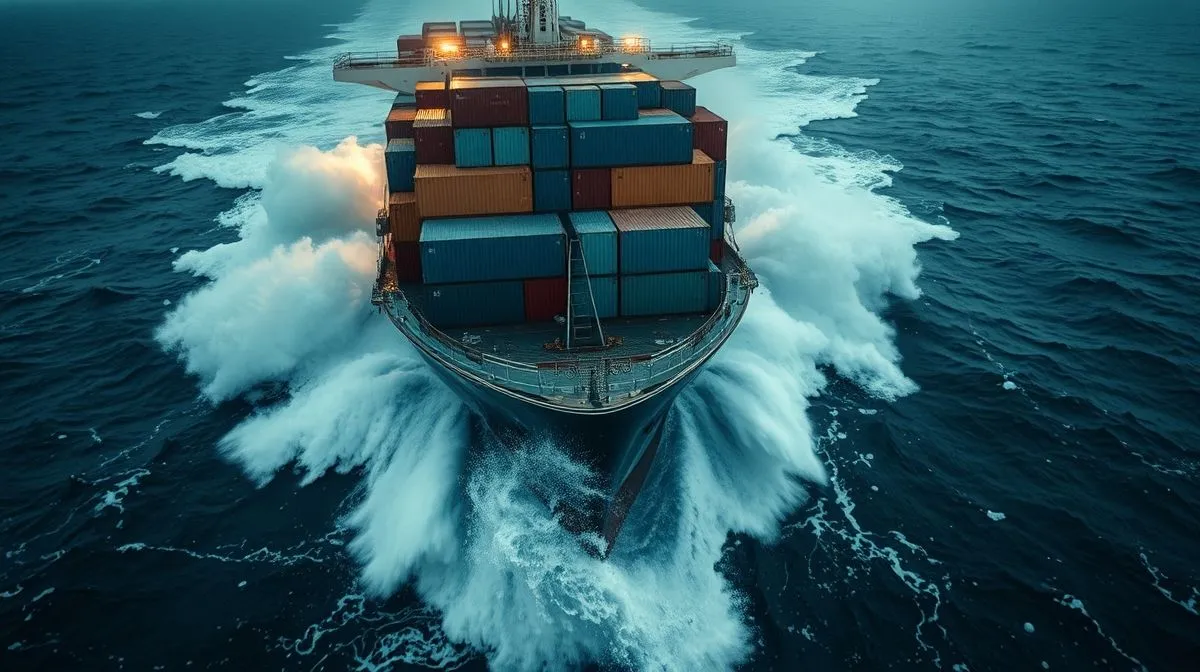
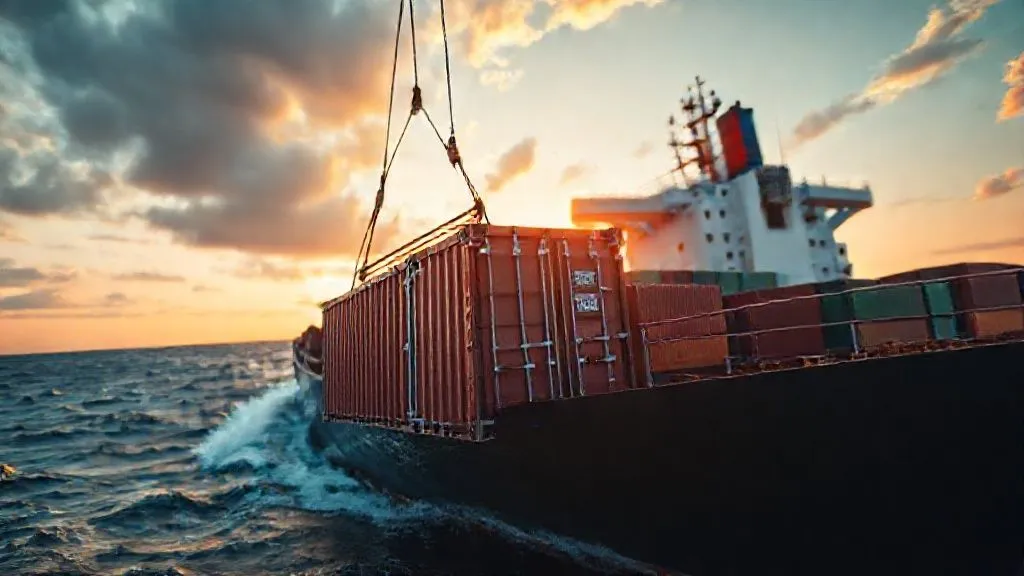
Imagine your cargo ship sailing through treacherous waters, carrying valuable goods across the globe. Suddenly, a fierce storm hits, causing damage to your cargo and vessel. The question then becomes: who bears the financial burden? This is where marine insurance steps in, acting as a safety net for unforeseen events at sea.
Understanding what does marine insurance cover damage can be complex, but it's essential for anyone involved in maritime activities. Without adequate coverage, a single incident could lead to devastating financial losses.
In this comprehensive guide, we'll explore the ins and outs of marine insurance, detailing the types of damages covered, common exclusions, and how to ensure you have the right protection for your specific needs. By the end of this article, you'll have a clear understanding of how marine insurance safeguards your maritime investments.
Understanding the Basics of Marine Insurance
Marine insurance, one of the oldest forms of insurance, is specifically designed to protect against losses or damage to ships, cargo, terminals, and any transport or transfer by which goods are transferred, acquired, or held between the points of origin and final destination. It's a broad category encompassing various types of coverage tailored to different aspects of maritime transport.
Key Types of Marine Insurance
- Hull Insurance: Covers physical damage to the ship itself, including its machinery and equipment.
- Cargo Insurance: Protects the goods being transported against loss or damage during transit.
- Liability Insurance: Covers the insured's legal liability to third parties for bodily injury or property damage.
- Freight Insurance: Protects against the loss of freight revenue if the cargo is lost or damaged.
These different types of marine insurance can be purchased individually or in combination, depending on the specific needs and risks of the insured party.
Specific Damages Covered by Marine Insurance
The scope of coverage under a marine insurance policy can vary widely, depending on the specific terms and conditions. However, some common types of damages are typically covered.
Hull Insurance Coverage
Hull insurance generally covers physical damage to the ship caused by:
- Perils of the Sea: This includes damage from storms, collisions, grounding, and other natural hazards.
- Fire: Damage caused by fire, whether accidental or malicious.
- Piracy: Loss or damage resulting from acts of piracy.
- Explosions: Damage caused by explosions on board the vessel.
It's important to note that hull insurance may not cover wear and tear, pre-existing conditions, or damage caused by negligence.
Cargo Insurance Coverage
Cargo insurance typically covers loss or damage to goods during transit caused by:
- Theft: Loss of cargo due to theft or pilferage.
- Damage from Handling: Damage caused by improper handling during loading, unloading, or storage.
- Water Damage: Damage caused by seawater, rain, or condensation.
- Contamination: Damage caused by contamination from other goods or substances.
Cargo insurance policies often include clauses that specify the types of goods covered, the geographical areas of coverage, and any exclusions.
Common Exclusions in Marine Insurance Policies
While marine insurance provides broad coverage, it's essential to understand the common exclusions that may limit your protection. These exclusions can vary depending on the specific policy and insurer, but some frequent ones include:
- War and Strikes: Damage or loss caused by acts of war, terrorism, or strikes.
- Inherent Vice: Loss or damage caused by the inherent nature of the goods, such as spoilage or decay.
- Improper Packaging: Damage resulting from inadequate or improper packaging of the cargo.
- Unseaworthiness: Damage caused by the unseaworthiness of the vessel, if the insured was aware of the condition.
- Deliberate Damage: Damage that is intentionally caused by the insured or their agents.
It's crucial to carefully review the policy's exclusions to understand the limitations of your coverage and take steps to mitigate these risks.
How to Choose the Right Marine Insurance Policy
Selecting the right marine insurance policy requires careful consideration of your specific needs and risks. Here are some key factors to consider:
- Assess Your Risks: Identify the potential risks associated with your maritime activities, such as the type of cargo you're transporting, the geographical areas you're operating in, and the value of your assets.
- Determine Coverage Needs: Based on your risk assessment, determine the types and amounts of coverage you need to adequately protect your assets.
- Compare Quotes: Obtain quotes from multiple insurers and compare their coverage terms, exclusions, and premiums.
- Review Policy Terms: Carefully review the policy terms and conditions to ensure you understand your rights and obligations.
- Seek Expert Advice: Consult with a marine insurance broker or advisor to get expert guidance on selecting the right policy for your needs.
Choosing the right marine insurance policy can provide peace of mind and protect your business from significant financial losses. According to a report by the International Maritime Organization (IMO), proper risk management and insurance are crucial for sustainable maritime operations.
Filing a Marine Insurance Claim: A Step-by-Step Guide
In the unfortunate event of a loss or damage, it's crucial to file a marine insurance claim promptly and accurately. Here's a step-by-step guide to the claims process:
- Notify the Insurer: Immediately notify your insurer of the loss or damage, providing as much detail as possible.
- Document the Damage: Take photographs and videos of the damage, and gather any relevant documentation, such as bills of lading, invoices, and repair estimates.
- Mitigate Further Damage: Take reasonable steps to prevent further damage to the cargo or vessel.
- Submit a Formal Claim: Submit a formal claim to your insurer, including all supporting documentation.
- Cooperate with the Adjuster: Cooperate with the insurance adjuster assigned to your claim, providing any additional information they may require.
- Negotiate a Settlement: Negotiate a fair settlement with the insurer, based on the terms of your policy and the extent of the damage.
It's essential to keep detailed records of all communications and documentation related to the claim. If you encounter any difficulties, seek legal advice from a maritime lawyer.
Real-World Examples of Marine Insurance Claims
To illustrate the importance of marine insurance, let's look at some real-world examples of claims:
- Collision at Sea: A cargo ship collides with another vessel in a busy shipping lane, causing significant damage to both ships. Hull insurance covers the cost of repairs to the insured vessel, while liability insurance covers the insured's legal liability to the other vessel owner.
- Cargo Damage from Storm: A container ship encounters a severe storm, resulting in water damage to a large portion of the cargo. Cargo insurance covers the loss in value of the damaged goods.
- Piracy Attack: A vessel is attacked by pirates, who steal valuable cargo and damage the ship's equipment. Marine insurance covers the loss of the stolen cargo and the cost of repairing the damaged equipment.
These examples demonstrate the wide range of risks that marine insurance can protect against, highlighting its importance for maritime businesses.
Frequently Asked Questions (FAQ)
What is the difference between hull insurance and cargo insurance? Hull insurance covers damage to the ship itself, while cargo insurance covers damage to the goods being transported.
Does marine insurance cover damage caused by war? Generally, damage caused by war is excluded from standard marine insurance policies, but separate war risk insurance can be purchased.
What is inherent vice, and why is it excluded from coverage? Inherent vice refers to the natural tendency of certain goods to deteriorate or spoil over time, and it's excluded because it's not caused by an external event.
How can I reduce my marine insurance premiums? You can reduce your premiums by implementing strong risk management practices, such as properly packaging your cargo, maintaining your vessel in good condition, and selecting reputable carriers.
What should I do immediately after discovering damage to my cargo? Immediately notify your insurer, document the damage with photos and videos, and take steps to prevent further damage.
Recommended Reading
- Transnational Law Remedies: Your Ultimate Guide to Justice!
- How is Law Promoting Sustainable Development? The Ultimate Guide
- EIA Process: What Happens After Public Comment? The Ultimate Guide
- Contesting Guardianship: How to Protect Your Elderly Parent
- Command Responsibility in the ICL: The Ultimate Guide You Need
Conclusion
Understanding what does marine insurance cover damage is critical for protecting your assets and mitigating financial risks in the maritime industry. From hull and cargo insurance to liability coverage, marine insurance offers a safety net against a wide range of potential losses. By carefully assessing your risks, choosing the right policy, and understanding the claims process, you can ensure that you're adequately protected. Don't leave your maritime investments vulnerable – invest in comprehensive marine insurance coverage today. Remember to always consult with insurance experts to tailor your policy to your unique needs and circumstances.

Comments
Leave a comment below. Your email will not be published. Required fields marked with *