


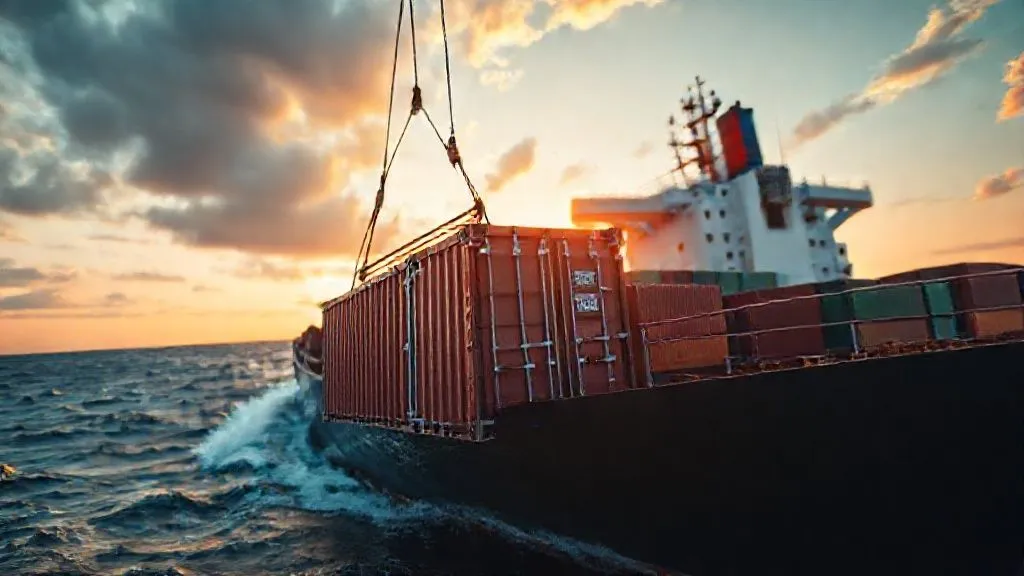
How to Mitigate Liability for Cargo Damage During Transshipment?
For over two decades in the intricate world of maritime law and cargo claims, I’ve witnessed the devastating financial and reputational fallout when cargo, seemingly secure, suffers damage during transshipment. It’s a recurring nightmare for shippers, carriers, and insurers alike – a complex legal quagmire often compounded by multiple jurisdictions, differing contractual terms, and the sheer unpredictability of sea and port operations.
The problem isn't just the physical loss; it's the subsequent battle over liability, the endless paperwork, the legal fees, and the erosion of trust between vital supply chain partners. The very act of moving cargo from one vessel or mode of transport to another, while essential for global trade, introduces a magnified level of risk that, if not expertly managed, can unravel years of careful planning and profit.
In this comprehensive guide, I will share the actionable frameworks, real-world insights, and strategic approaches I've honed over my career to help you not just understand, but proactively mitigate liability for cargo damage during transshipment. We'll delve into the legal nuances, best operational practices, and the critical due diligence steps that can safeguard your interests and minimize your exposure to costly claims.
Understanding the Transshipment Liability Landscape
Before we can mitigate, we must first comprehend the complex web of liabilities that govern transshipment. This isn't a single, monolithic legal regime; it's a patchwork of international conventions, national laws, and individual contractual agreements, each with its own intricacies.
The Legal Framework: Hague, Hague-Visby, and Hamburg Rules
At the heart of international carriage of goods by sea lie several key conventions. The Hague Rules (1924) and their updated version, the Hague-Visby Rules (1968), are widely adopted and generally favor the carrier, limiting their liability under certain conditions. They define the carrier’s responsibilities, immunities, and the period of liability (tackle-to-tackle). The lesser-adopted Hamburg Rules (1978), on the other hand, place a higher burden of proof and responsibility on the carrier, extending their liability from port-to-port.
The challenge during transshipment is determining which set of rules applies, especially when multiple legs of a journey are involved, potentially under different jurisdictions or contractual agreements. A crucial aspect is identifying the 'contracting carrier' versus the 'actual carrier' for each leg, as their liabilities can differ significantly. This often leads to disputes over who bears the ultimate responsibility when damage occurs between the initial loading and final discharge.
The Bill of Lading: Your Primary Contractual Shield
The Bill of Lading (BOL) is more than just a receipt; it's a contract of carriage, a document of title, and a critical piece of evidence. During transshipment, you might encounter a 'through Bill of Lading' or a series of 'port-to-port' Bills of Lading. A through BOL typically covers the entire journey, even if performed by multiple carriers, simplifying claims but often obscuring the specific point of damage.
In my experience, a meticulously drafted and thoroughly understood Bill of Lading is your first and most potent line of defense against liability disputes. Never underestimate its power, and always scrutinize its clauses, especially those pertaining to transshipment, jurisdiction, and liability limits.
Failure to accurately describe the cargo, its condition, or to note any discrepancies on the BOL at the time of loading can severely prejudice your claim later. This document sets the baseline for the cargo's condition at the start of its journey, and any deviation from that baseline must be well-documented.
Case Study: The Case of the Contaminated Coffee Beans
A European coffee importer, 'Global Beans Ltd.', contracted a carrier to transport a shipment of high-grade Arabica beans from Brazil to Hamburg, with transshipment in Tangier. The initial BOL from Brazil noted the cargo as 'clean and dry'. Upon arrival in Hamburg, the beans were found to be heavily contaminated with seawater. The carrier argued the damage occurred during the transshipment leg in Tangier, under the care of a sub-carrier, and that their liability was limited by the Hague-Visby rules.
Global Beans Ltd. had failed to arrange for an independent survey at the transshipment port. The sub-carrier's BOL, issued in Tangier, simply stated 'contents unknown' and did not explicitly acknowledge the condition of the cargo upon receipt. This lack of clear documentation at the critical transshipment point made it incredibly difficult to pinpoint the exact moment or cause of contamination, and subsequently, to definitively assign liability. Global Beans Ltd. eventually recovered only a fraction of their losses, highlighting the critical importance of continuous vigilance and documentation throughout the entire journey.

Proactive Risk Assessment and Due Diligence
Mitigating liability starts long before the cargo even leaves its origin. It's about foresight, meticulous planning, and rigorous due diligence in selecting partners and routes.
Vetting Carriers and Partners
Your choice of carrier, freight forwarder, and any sub-contractors involved in the transshipment process is paramount. Don't just go for the cheapest option. Investigate their track record, safety history, and their specific experience with your type of cargo and chosen routes.
- Check Certifications and Compliance: Ensure carriers comply with relevant international maritime regulations (e.g., ISM Code, SOLAS).
- Review Insurance Coverage: Demand proof of adequate P&I (Protection & Indemnity) and cargo liability insurance from all involved parties.
- Assess Sub-Carrier Agreements: If using a through Bill of Lading, understand the contractual relationship between the main carrier and any sub-carriers they employ. What are the liability clauses in those agreements?
- Reputation and References: Seek references from other shippers. A carrier's reputation for claims handling and damage prevention speaks volumes.
Route Analysis and Port Selection
Certain transshipment hubs are known for their efficiency, while others might be notorious for congestion, poor handling facilities, or security risks. Analyze your chosen route and transshipment ports carefully.
- Weather Patterns: Consider seasonal weather conditions that might impact transshipment operations (e.g., monsoon seasons, hurricane zones).
- Port Infrastructure: Research the quality of port equipment, labor practices, and security measures at transshipment points. Are specialized cranes or handling equipment required for your cargo?
- Transit Times: Longer dwell times at transshipment ports increase exposure to risks like theft, temperature fluctuations, or accidental damage.
Mastering Packaging, Stowage, and Securing Protocols
Even the most robust legal framework won't protect cargo that is poorly prepared for its journey. Physical protection is a cornerstone of liability mitigation.
The Art of Cargo Packaging for Multimodal Journeys
Packaging designed for a direct port-to-port voyage might be wholly inadequate for a journey involving multiple transfers and different modes of transport. Consider:
- Strength and Durability: Packaging must withstand multiple handling operations, potential impacts, and varying environmental conditions (humidity, temperature changes).
- Water Resistance: For sensitive cargo, ensure packaging offers robust protection against seawater, rain, or condensation.
- Stacking Capacity: Design packaging to allow for safe stacking, preventing collapse and crushing during stowage.
- Identification: Clear, durable labels with handling instructions, destination, and hazard warnings are crucial.
Stowage Plans: Preventing Shifting and Impact Damage
A well-executed stowage plan is critical. Cargo that shifts during transit is a primary cause of damage. This is particularly relevant during transshipment, where cargo might be restowed multiple times.
The Critical Role of Cargo Securing
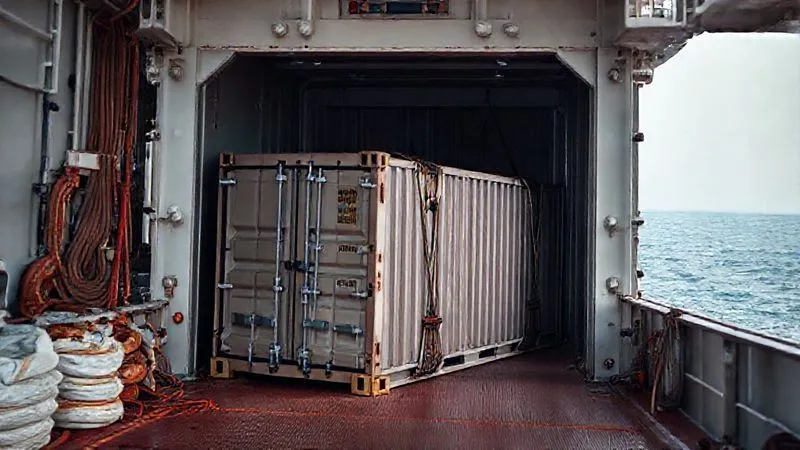
Securing cargo inside containers or on vessels is an art and a science governed by international standards (e.g., IMO/ILO/UNECE Code of Practice for Packing of Cargo Transport Units – CTU Code). Ensure:
- Proper Lashing and Dunnage: Use appropriate lashing materials, dunnage bags, and chocks to fill voids and prevent movement.
- Weight Distribution: Distribute weight evenly within containers and across the vessel's deck to maintain stability.
- Container Integrity: Always inspect containers for structural integrity, water tightness, and cleanliness before loading. A damaged container is a liability waiting to happen.
The Imperative of Pre-Shipment and Transshipment Surveys
Documentation is your ultimate ally. Independent cargo surveys, particularly at critical junctures like transshipment points, are non-negotiable for serious players.
Why Surveys Aren't Just an Option, They're Essential
A pre-shipment survey establishes the cargo's condition at origin, creating a baseline. A transshipment survey, conducted by an independent third-party surveyor, ascertains the cargo's condition upon discharge from the first vessel and prior to loading onto the second. This is where liability can be definitively apportioned.
If damage is noted during a transshipment survey, you have immediate, impartial evidence to attribute that damage to the preceding carrier. Without it, determining how to mitigate liability for cargo damage during transshipment becomes a 'he said, she said' scenario, often leading to protracted and costly legal battles.
Documenting Cargo Condition: Photographic Evidence is King
Beyond the surveyor's report, comprehensive photographic and video evidence is critical. Every angle, every potential area of concern, and the general condition of the cargo and its packaging should be captured. Timestamped and geotagged photos provide irrefutable proof.
- Pre-Loading Survey: Document cargo condition at origin, including packaging, labeling, and any pre-existing damages.
- Loading Survey: Observe and document the loading process, stowage, and securing within the container/vessel.
- Transshipment Discharge Survey: Crucially, survey cargo upon discharge from the first vessel at the transshipment port. Note any visible damage, discrepancies, or issues with stowage.
- Transshipment Loading Survey: Survey cargo again before loading onto the onward vessel. Compare its condition to the discharge survey.
- Discharge Survey at Destination: Document cargo condition upon final discharge.
This continuous chain of evidence is invaluable for any potential claim.
| Survey Point | Purpose | Key Documentation |
|---|---|---|
| Origin (Pre-shipment) | Establish baseline condition | Photos, videos, surveyor report, packing list |
| Transshipment (Discharge) | Identify damage from preceding leg | Joint survey report, photos of damage, discrepancy notes |
| Transshipment (Loading) | Confirm condition before onward leg | Loading report, photos of securing, clean receipt |
| Destination (Discharge) | Assess final condition | Delivery receipt, damage report, final photos |
Leveraging Technology for Enhanced Visibility and Control
Modern technology offers powerful tools to monitor cargo in real-time, providing unprecedented visibility and a proactive approach to damage prevention.
IoT and Real-Time Monitoring
Internet of Things (IoT) devices can be embedded with or attached to cargo to monitor critical parameters throughout the journey, including during transshipment. These sensors can track:
- Temperature and Humidity: Essential for perishable goods or sensitive electronics.
- Shock and Vibration: Detects rough handling or excessive movement that could cause physical damage.
- Location Tracking: Provides real-time updates on cargo position, alerting to unexpected delays at transshipment points.
- Container Door Open/Close: Security measure to detect unauthorized access.
Real-time alerts allow for immediate intervention if conditions deviate from acceptable parameters, potentially preventing or minimizing damage before it escalates. The data collected also serves as invaluable evidence in claims situations, proving when and where specific conditions occurred.
Digital Documentation and Blockchain
Moving away from paper-based systems to digital platforms enhances efficiency, transparency, and security. Blockchain technology, in particular, offers a tamper-proof ledger for all shipping documentation, including Bills of Lading, customs declarations, and survey reports.
- Immutable Records: Each transaction and document entry is cryptographically secured and cannot be altered, providing an unchallengeable audit trail.
- Enhanced Transparency: All authorized parties in the supply chain can access the same, up-to-date information, reducing discrepancies and misunderstandings.
- Faster Claims Processing: With verifiable data readily available, the claims investigation and resolution process can be significantly expedited.

Navigating Insurance and Indemnity Agreements
Even with the best preventative measures, accidents can happen. Robust insurance coverage and clear indemnity agreements are your financial safety net.
Comprehensive Marine Cargo Insurance: Beyond the Basics
Many shippers mistakenly assume standard carrier liability will cover all their losses. This is rarely the case. Carrier liability is often heavily limited by conventions like Hague-Visby, and typically only covers damage directly attributable to the carrier's negligence. It certainly won't cover all possible risks during transshipment.
A comprehensive marine cargo insurance policy, tailored to your specific cargo and route, is crucial. Ensure your policy covers:
- All Risks: This is the broadest form of coverage, protecting against most perils of the sea and land, including those common during transshipment.
- Warehouse-to-Warehouse Clause: Extends coverage beyond the 'tackle-to-tackle' period, encompassing storage and handling at transshipment ports.
- Institute Cargo Clauses (ICC): Understand whether you have ICC (A), (B), or (C) as they offer varying levels of coverage. ICC (A) provides the widest protection.
- Specific Perils: If your cargo is susceptible to specific risks (e.g., refrigeration failure, war risks), ensure these are explicitly covered.
Don't hesitate to consult with an experienced marine insurance broker to tailor a policy that truly protects your interests. For more detailed information on marine insurance principles, you can refer to resources from reputable organizations like Lloyd's of London.
Reviewing Indemnity Clauses and Service Agreements
Scrutinize all contracts with carriers, freight forwarders, and logistics providers. Pay close attention to:
- Indemnity Clauses: These clauses determine who will compensate whom in the event of loss or damage. Ensure they are clear, fair, and don't place undue burden on your organization.
- Jurisdiction and Governing Law: Understand which country's laws will apply in case of a dispute, as this can significantly impact the outcome.
- Liability Limits: Be aware of any monetary caps on liability that carriers or sub-contractors might impose. These often refer back to international conventions or specific contractual terms.
The cost of good insurance is always less than the cost of an uncovered loss. Never compromise on comprehensive coverage, especially when your cargo undergoes the heightened risks associated with transshipment.
Effective Claims Management and Dispute Resolution
When damage occurs, your response in the immediate aftermath can make or break your ability to recover losses and successfully mitigate liability for cargo damage during transshipment.
Immediate Action Post-Damage Discovery
Speed and precision are crucial:
- Notify All Parties: Immediately inform the carrier, your insurer, and any other relevant parties (e.g., freight forwarder, consignee) in writing.
- Appoint an Independent Surveyor: If not already present, appoint a qualified marine surveyor to inspect the damage, ascertain its cause, and estimate the extent of loss.
- Preserve Evidence: Do not move or dispose of damaged cargo or packaging until it has been thoroughly inspected and documented. Take extensive photographs and videos.
- Mitigate Further Loss: Take reasonable steps to prevent further damage to the cargo (e.g., separate damaged from undamaged goods, arrange for temporary storage).
The Power of Formal Notices and Time Bars
International conventions and contractual terms often impose strict time limits (time bars) for notifying carriers of damage and initiating legal action. Missing these deadlines can irrevocably extinguish your right to claim. A 'notice of claim' or 'letter of protest' must be issued promptly, usually within 3 days of delivery for apparent damage, or within a longer period (e.g., one year) for non-apparent damage or to commence legal proceedings.
Engaging Legal Counsel and Expert Surveyors
For significant claims, engaging experienced maritime legal counsel and expert surveyors is essential. They can navigate the complexities of international law, contractual disputes, and evidence requirements to build a robust case. Their expertise can be the difference between a successful recovery and a costly write-off.
| Action Step | Timeline | Responsible Party | Evidence Required |
|---|---|---|---|
| Immediate Notification | Within 24-72 hours of discovery | Shipper/Consignee | Initial damage photos, preliminary report |
| Appoint Independent Surveyor | Immediately upon notification | Shipper/Insurer | Surveyor's terms of reference |
| Formal Letter of Protest/Notice of Claim | Within contractual/statutory time bars (e.g., 3 days for apparent damage) | Shipper/Legal Counsel | Detailed claim particulars, supporting documents |
| File Legal Proceedings (if necessary) | Before statutory time bar (e.g., 1 year) | Legal Counsel | All collected evidence, expert reports |
For further insights into claims handling and the role of P&I Clubs, you might find resources from P&I Clubs highly informative.
Building a Culture of Compliance and Continuous Improvement
Mitigating liability isn't a one-time fix; it's an ongoing commitment to excellence across your supply chain operations.
Regular Training and Awareness Programs
Ensure that all personnel involved in logistics, from packaging and loading to documentation and claims, are regularly trained on best practices, legal obligations, and the specific risks associated with transshipment. Knowledgeable staff are your first line of defense.
Post-Mortem Analysis of Incidents
Every incident of cargo damage, regardless of its severity, should be treated as a learning opportunity. Conduct thorough post-mortem analyses to identify root causes, assess the effectiveness of current protocols, and implement corrective actions. This iterative process of review and refinement is critical for continuous improvement.
- Identify Patterns: Are certain routes, carriers, or cargo types consistently experiencing issues?
- Review Protocols: Were packaging, stowage, or documentation procedures followed correctly? Were they adequate?
- Feedback Loop: Share findings and updated best practices across the organization and with key partners.
By fostering a proactive, learning-oriented culture, you not only reduce future liability but also enhance overall operational efficiency and build stronger, more reliable supply chain relationships.

Frequently Asked Questions (FAQ)
Q: Who is primarily liable for damage during transshipment? The primary liability often rests with the 'contracting carrier' who issued the Bill of Lading for the entire journey. However, their contract usually allows them to pass responsibility to the 'actual carrier' (the sub-carrier) who was in possession of the goods when the damage occurred. Pinpointing this specific carrier and the moment of damage is the core challenge.
Q: What is the significance of the "last carrier" rule in transshipment? The "last carrier" rule is not a universally applied legal principle but can appear in certain multimodal transport conventions or specific contracts. It implies that the final carrier in a sequence might be presumed liable for damage unless they can prove it occurred earlier. However, this is often superseded by specific contractual agreements or the applicable international conventions (Hague-Visby, Hamburg Rules) which focus on the carrier in possession at the time of damage.
Q: Can a shipper waive their rights through contract? Yes, shippers can, knowingly or unknowingly, waive or limit their rights through specific clauses in the Bill of Lading or other contractual agreements. This is why thorough review of all contractual terms, especially those related to liability, jurisdiction, and time bars, is absolutely critical before signing.
Q: How do Incoterms affect transshipment liability? Incoterms (International Commercial Terms) primarily define the point at which risk and cost transfer from seller to buyer. While they don't directly govern carrier liability, they heavily influence who is responsible for arranging and paying for insurance and transportation at various stages, including transshipment. For example, under CIF or CIP, the seller is responsible for arranging and paying for insurance up to the named destination, which would cover transshipment risks. For more on Incoterms, you can consult the International Chamber of Commerce (ICC).
Q: What role does force majeure play in cargo damage claims? Force majeure clauses excuse a party from fulfilling its contractual obligations due to unforeseen circumstances beyond their control (e.g., natural disasters, acts of war). If cargo damage is a direct result of a true force majeure event, the carrier may be absolved of liability. However, the interpretation of what constitutes force majeure is often contested, and the carrier still typically has a duty to mitigate damages where possible.
Key Takeaways and Final Thoughts
Navigating the complexities of cargo damage liability during transshipment requires a multi-faceted approach, blending legal acumen with meticulous operational oversight. It's a continuous journey of risk assessment, proactive measures, and robust documentation.
- Scrutinize Contracts: Your Bill of Lading and all carrier agreements are your primary legal defense. Understand them thoroughly.
- Prioritize Due Diligence: Vet your partners and routes rigorously. Prevention is always cheaper than a claim.
- Invest in Packaging & Securing: Physically protect your cargo for the rigors of multimodal travel.
- Mandate Independent Surveys: Especially at transshipment points, impartial evidence is invaluable for liability allocation.
- Leverage Technology: Real-time monitoring and digital documentation provide critical visibility and evidence.
- Ensure Comprehensive Insurance: Don't rely solely on carrier liability; secure robust marine cargo insurance.
- Act Promptly on Claims: Adhere to strict time bars and document everything meticulously.
By integrating these strategies into your supply chain management, you move beyond merely reacting to incidents. You proactively build resilience, safeguard your financial interests, and cultivate a reputation for reliability. The maritime world is dynamic, but with expert knowledge and diligent application, you can confidently mitigate liability and ensure your cargo reaches its destination as intended.
Recommended Reading
- 7 Steps: Documenting Poor Performance for Legally Sound Termination?
- Vessel's General Average Declared? 7 Steps to Protect Your Interests
- Protecting Your Share: 7 Strategies to Halt Founder Equity Dilution
- Counter Biker Bias: 7 Ways to Win Your Motorcycle Accident Claim
- Unraveling the Mystery: How Does Customary International Law Form?


Comments
Leave a comment below. Your email will not be published. Required fields marked with *