


How to Respond to a Maritime Lien Filed Against a Cruise Ship?
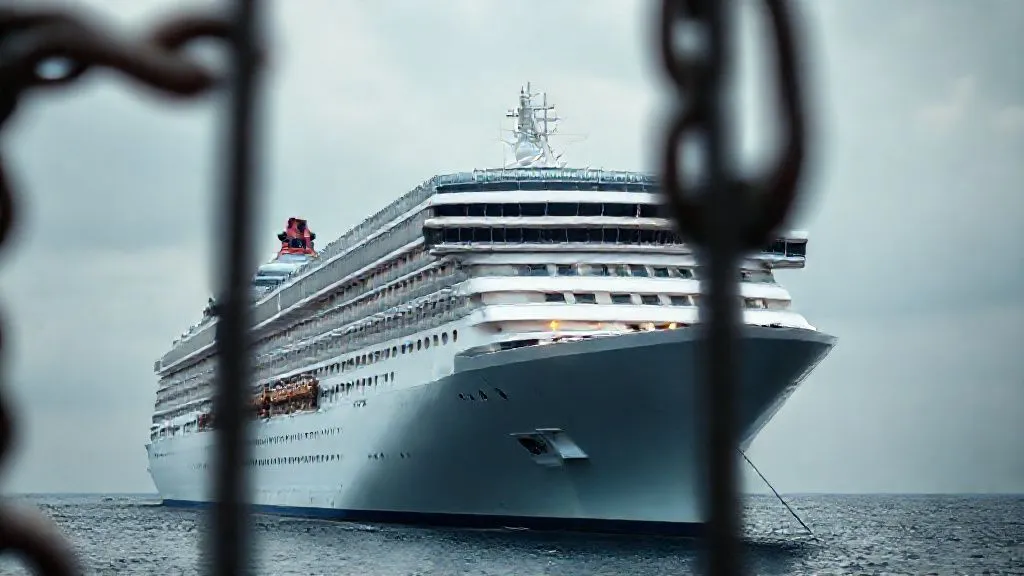
For over two decades in maritime law, I've witnessed firsthand the profound operational and reputational shockwaves that a maritime lien can send through even the most robust cruise line. It's a unique beast in the legal landscape, capable of bringing a multi-million-dollar vessel, and its intricate schedule, to a grinding halt. The sight of a cruise ship, typically a symbol of leisure and freedom, held captive by a legal claim is a stark reminder of the unique vulnerabilities inherent in operating on the high seas.
The immediate pain point for cruise operators is immense: disrupted itineraries, thousands of stranded passengers, financial penalties, and a severe blow to public trust. This isn't just about a legal squabble; it's about safeguarding an entire operation, protecting passenger experience, and preserving the brand's integrity. The stakes are incredibly high, and the pressure to act swiftly and decisively is immense.
That's precisely why I've distilled my years of experience into this guide. You'll learn not just the legal intricacies, but also a practical, actionable framework to navigate this crisis, from immediate response protocols to long-term preventative strategies. My aim is to equip you with the insights and tools to understand how to respond to a maritime lien filed against a cruise ship effectively, ensuring minimal disruption and maximum protection for your invaluable assets.
Understanding the Nature of a Maritime Lien on a Cruise Ship
Before we delve into the 'how to respond,' it's crucial to grasp 'what' we're responding to. A maritime lien is a privileged claim upon a vessel, attaching to it for services rendered to the ship, damages caused by the ship, or debts incurred by the ship. Unlike a typical land-based lien, it's often a 'secret' lien, meaning it can exist even without physical possession of the vessel or public registration in some jurisdictions.
Cruise ships, due to their size, complexity, and global movements, are prime targets. Liens can arise from a myriad of sources: unpaid bunkers, repair bills, crew wages, salvage operations, collision damages, or even passenger claims in certain circumstances. The critical aspect is that the lien 'travels with the ship,' regardless of ownership changes, until it's satisfied or extinguished. This makes swift action imperative, as the lien holder can petition a court to arrest the vessel, effectively seizing it until the claim is resolved.
Immediate First Steps: The Critical 24-48 Hours After Notification
When you receive notice of a maritime lien, or even a threat of one, time is of the essence. The initial 24-48 hours are absolutely critical and can dictate the trajectory of the entire response. Panic is the enemy; a structured, immediate response is your greatest ally.
- Engage Specialized Admiralty Counsel Immediately: Do not delay. Contact legal experts who specialize in maritime law and vessel arrest procedures in the relevant jurisdiction. Their knowledge of local nuances is invaluable.
- Internal Communication & Stakeholder Notification: Inform key internal departments: legal, operations, finance, public relations, and executive leadership. Establish a clear chain of command for information dissemination and decision-making.
- Secure All Relevant Documentation: Gather all contracts, invoices, communication logs, crew manifests, insurance policies (especially P&I Club details), and any other documents related to the alleged claim. Preservation of evidence is paramount.
- Assess Vessel Location & Operational Status: Determine the ship's exact location, its next port of call, and its current itinerary. This informs jurisdictional strategies and potential arrest locations.
- Initiate P&I Club Notification: Your Protection & Indemnity (P&I) Club is a crucial partner. Notify them immediately, as they often provide security (like Letters of Undertaking) to release arrested vessels and offer legal support.
"In my experience, the biggest mistake cruise lines make is underestimating the speed and severity with which a maritime lien can escalate. Procrastination is a luxury you cannot afford."

Assessing the Validity and Scope of the Lien
Once initial steps are taken, a thorough legal and factual assessment of the lien is paramount. Not all liens are valid, and even valid ones may be for an inflated amount. This stage requires meticulous due diligence.
Due Diligence and Documentation Review
Your legal team will scrutinize every piece of evidence. This includes:
- Reviewing the Lien Holder's Claim: Is it properly documented? Does it meet the legal requirements for a maritime lien in the relevant jurisdiction?
- Verifying Services Rendered/Damages Incurred: Cross-reference against your internal records, logs, and witness statements. Are the dates, quantities, and services accurate?
- Jurisdictional Analysis: Maritime law varies significantly across jurisdictions. Understanding where the lien was filed, or where the vessel is likely to be arrested, is critical for determining applicable laws and procedures.
- Prioritizing Liens: In some cases, multiple liens may exist. Maritime law has complex rules regarding the priority of different types of liens, which can impact settlement strategies.
This phase is not about admitting guilt but about understanding your legal position. It’s about building your defense, identifying weaknesses in the claimant’s case, and preparing for negotiation or litigation.
Negotiation and Settlement Strategies
Often, the most efficient and cost-effective resolution to a maritime lien is through negotiation and settlement outside of court. Litigation is expensive, time-consuming, and carries inherent risks.
Leveraging Your Position for an Out-of-Court Resolution
Your legal counsel will engage with the lien holder to explore settlement options. Key strategies include:
- Disputing the Claim Amount: Presenting counter-evidence to argue for a lower settlement figure.
- Structured Payment Plans: Negotiating payment over time, rather than a lump sum, to ease financial strain.
- Alternative Dispute Resolution (ADR): Exploring mediation or arbitration, which can be faster and less adversarial than court proceedings.
- Cross-Claims: If the claimant also owes your cruise line money or caused damages, a cross-claim can be used as leverage.
Case Study: How ‘Voyage Lines’ Avoided Prolonged Detention
Voyage Lines, a mid-sized cruise operator, faced a substantial maritime lien for alleged unpaid bunker fuel, filed just as their flagship vessel, the 'Ocean Dreamer,' was scheduled to depart from Miami. The claimant sought immediate arrest. My team was engaged, and our initial assessment revealed discrepancies in the claimant's invoicing and delivery logs, suggesting an overcharge of nearly 20%.
Rather than immediately posting security, we leveraged this evidence to open negotiations. We proposed a reduced settlement amount based on our findings and offered a swift payment within 48 hours, conditional on the immediate withdrawal of the arrest warrant. The claimant, facing the prospect of prolonged litigation and the potential invalidation of their full claim, agreed to a 15% reduction. The 'Ocean Dreamer' departed with only a 6-hour delay, minimizing passenger disruption and reputational damage. This demonstrates the power of rapid, evidence-based negotiation.
Posting Security to Release the Vessel
If settlement negotiations fail, or if the lien holder insists on an arrest, the primary mechanism to release the vessel is by posting security. This ensures the claimant's ability to recover their claim if successful, while allowing the ship to resume operations.
Understanding Security Options and Their Implications
There are several forms of security:
- Cash Deposit: The most straightforward but capital-intensive option. Funds are usually held in an escrow account or by the court.
- Bank Guarantee: A bank guarantees payment up to a certain amount. This ties up credit lines but avoids direct cash outlay.
- P&I Club Letter of Undertaking (LOU): Often the preferred method for cruise lines. Your P&I Club issues a letter promising to pay the claim if you are found liable. This is a significant benefit of P&I membership.
- Surety Bond: Obtained from a surety company, similar to a bank guarantee but with different financial backing requirements.
The amount of security typically covers the claim plus interest and legal costs. The choice of security depends on the jurisdiction, the nature of the claim, and your relationship with your P&I Club and banks. According to the International Maritime Organization (IMO) conventions, the aim is to strike a balance between securing the claimant's interest and preventing undue detention of the vessel.
| Security Type | Pros | Cons |
|---|---|---|
| Cash Deposit | Immediate, universally accepted | Ties up significant capital, opportunity cost |
| Bank Guarantee | Preserves cash, widely accepted | Consumes credit lines, bank fees |
| P&I LOU | Cost-effective for members, quick release | Only for P&I covered claims, club discretion |
| Surety Bond | Alternative to bank/cash | Requires collateral, bond fees |
Navigating the Legal Process: From Complaint to Adjudication
Should negotiations fail and security be posted, the matter will proceed through the admiralty court system. This is where your legal team's expertise in maritime litigation becomes paramount.
Admiralty Court Procedures and Discovery
The legal process typically involves:
- Filing of Complaint: The lien holder formally files a lawsuit in admiralty court, detailing their claim.
- Answer and Counterclaims: Your legal team will file an answer, disputing the claim and potentially raising counterclaims or defenses.
- Discovery: A crucial phase where both sides exchange information, including documents, interrogatories (written questions), and depositions (oral testimonies under oath). This is where the strength of your evidence preservation pays off.
- Motions: Legal arguments filed with the court to resolve specific issues, such as motions to dismiss or for summary judgment.
- Trial: If the case is not settled, it proceeds to trial, where evidence is presented, and a judge (or sometimes a jury) makes a ruling.
- Appeal: The losing party may have the right to appeal the court's decision to a higher court.
Throughout this process, consistency in your narrative, meticulous record-keeping, and the strategic guidance of experienced counsel are non-negotiable. The complexity of international maritime law means that familiarity with conventions like the United Nations Convention on the Law of the Sea (UNCLOS) and various national admiralty statutes is essential.
Mitigating Reputational Damage and Operational Disruption
Beyond the legal and financial aspects, a maritime lien and potential vessel arrest can inflict severe damage on a cruise line's reputation and operations. Proactive management of these factors is crucial.
Strategic Public Relations and Passenger Management
Effective communication is key:
- Transparent but Controlled Messaging: While avoiding excessive detail, acknowledge the situation and reassure passengers and stakeholders that it is being handled professionally. Focus on solutions, not blame.
- Passenger Support: For delayed or diverted voyages, provide clear information, alternative travel arrangements, accommodation, and appropriate compensation. The goal is to minimize their negative experience.
- Crew Welfare: Ensure your crew are informed and supported. Their morale and ability to perform their duties are vital during a crisis.
- Stakeholder Engagement: Keep travel agents, port authorities, and business partners informed to maintain trust and collaboration.
A maritime lien, especially one leading to an arrest, is a public event. How you manage the public perception can be as important as how you manage the legal challenge itself. A robust crisis communication plan, developed in advance, is an invaluable asset.
Preventative Measures: Fortifying Your Cruise Line Against Future Liens
The best defense against a maritime lien is a strong offense. Implementing robust preventative measures can significantly reduce your exposure and the likelihood of future incidents. As a maritime law specialist, I've seen how proactive strategies save millions.
Strengthening Contracts, Compliance, and Insurance
- Comprehensive Contract Review: Ensure all contracts with suppliers, service providers, and crew clearly define payment terms, dispute resolution mechanisms, choice of law, and jurisdiction. Explicitly address maritime lien clauses where possible.
- Rigorous Vendor Management: Vet all suppliers thoroughly. Maintain strong relationships and clear communication channels to prevent disputes from escalating into lien threats.
- Timely Payment Protocols: Implement strict internal controls to ensure all invoices, especially those for essential vessel services (bunkers, provisions, repairs), are paid promptly to avoid grounds for liens.
- Robust Compliance Programs: Adhere strictly to international maritime conventions, national laws, and flag state regulations. Non-compliance can create a fertile ground for claims.
- Adequate Insurance Coverage: Work closely with your P&I Club and other insurers to ensure comprehensive coverage for potential liabilities that could lead to maritime liens. Understand the scope and limitations of your policies.
- Regular Legal Audits: Periodically conduct internal legal audits of your operational procedures and contractual agreements to identify and mitigate potential lien risks.
By embedding these practices into your cruise line's operational DNA, you're not just reacting to problems; you're actively preventing them. This proactive stance is the hallmark of a resilient and well-managed maritime enterprise.
Frequently Asked Questions (FAQ)
Can a cruise ship really be arrested in any port? Yes, a cruise ship can indeed be arrested in virtually any port where a valid maritime lien can be enforced under local law or international conventions. This is a powerful tool for claimants and highlights the global reach of admiralty jurisdiction. The specific procedures and grounds for arrest vary by jurisdiction, making local legal counsel essential.
What's the difference between a statutory and a contractual maritime lien? A statutory maritime lien is created by law, often for essential services like salvage, crew wages, or collision damages, and typically takes precedence over contractual liens. A contractual lien, on the other hand, arises from an agreement between parties, such as a ship mortgage or a specific clause in a supply contract. The distinction is crucial for determining priority if multiple liens exist.
How long does a maritime lien typically last? The duration for which a maritime lien remains enforceable varies significantly by jurisdiction. Some countries have statutes of limitations (e.g., one year from when the claim arose), while others might have longer periods or specific conditions for extinguishment. The lien can also be extinguished if the vessel is sold to a 'bona fide' purchaser without notice, though this is rare for high-value assets like cruise ships.
What if the maritime lien is frivolous or wrongly filed? If a maritime lien is frivolous, based on false pretenses, or filed without proper legal grounds, your legal team can challenge its validity in court. This may involve filing motions to dismiss the claim, seeking damages for wrongful arrest, or pursuing counterclaims. However, even a frivolous lien can cause significant disruption until it's legally challenged and dismissed.
Does my P&I insurance cover maritime liens? P&I insurance typically covers a broad range of liabilities that can give rise to maritime liens, such as collision damage, pollution, cargo claims, and crew injury. Many P&I Clubs also provide Letters of Undertaking (LOUs) to release arrested vessels, serving as security. However, it's vital to review your specific policy to understand the exact scope of coverage and any exclusions, as not all liens (e.g., purely commercial disputes unrelated to P&I risks) may be covered.
Key Takeaways and Final Thoughts
Navigating a maritime lien filed against a cruise ship is undoubtedly one of the most challenging situations a cruise operator can face. It demands a blend of legal acumen, operational agility, and strategic communication. My experience has taught me that preparation, swift action, and expert guidance are not just beneficial; they are absolutely indispensable.
- Act immediately upon notification, engaging specialized admiralty counsel.
- Thoroughly assess the lien's validity and scope with meticulous documentation.
- Prioritize negotiation and settlement to avoid prolonged litigation and costs.
- Understand and strategically utilize security options like P&I LOUs for vessel release.
- Manage public relations and passenger communication transparently during the crisis.
- Implement robust preventative measures, including strong contracts and timely payments, to mitigate future risks.
The sea, while offering endless opportunities, also presents unique challenges. By understanding how to respond to a maritime lien filed against a cruise ship with this comprehensive strategy, you're not just reacting to a threat; you're building resilience and safeguarding the future of your operations. Stay vigilant, stay prepared, and remember that with the right expertise, even the most daunting legal storms can be navigated successfully.
Recommended Reading
- 7 Expert Strategies: Reduce Regulatory Risk from Inter-Branch Disputes
- 5 Hurdles to Class Certification in Consumer Fraud Cases: Your Guide
- 7 Pillars: Proactively Avoiding Product Safety Class Action Lawsuits
- Business License Revoked? Your 7-Step Expert Action Plan for Reinstatement
- 7 Proven Strategies: Overcoming Defense Biomechanics in Whiplash Cases


Comments
Leave a comment below. Your email will not be published. Required fields marked with *