



How to Effectively Appeal an Adverse Federal Agency Licensing Decision?
For over two decades in the intricate world of administrative law, I've witnessed firsthand the profound impact an adverse federal agency licensing decision can have on individuals and businesses alike. It's not merely a bureaucratic setback; it can be a career-ending blow, a dream deferred, or a significant financial drain. I've seen countless well-intentioned applicants make critical errors in their appeal process, often due to a lack of understanding of the system's nuances, leading to irreversible negative outcomes.
The sting of receiving a denial, revocation, or suspension letter from a federal agency—whether it's for a professional license, a federal grant, an environmental permit, or a business authorization—is often accompanied by a feeling of helplessness. The sheer complexity of federal regulations, the seemingly impenetrable layers of bureaucracy, and the perceived finality of an agency's judgment can be overwhelming. Many believe that once an agency makes a decision, it's set in stone, but that's a misconception I'm here to correct.
In this definitive guide, I will share my accumulated expertise and provide you with a strategic, step-by-step framework on how to appeal an adverse federal agency licensing decision effectively. We'll move beyond the theoretical to provide actionable insights, drawing on real-world principles and administrative law precedents. My goal is to empower you with the knowledge and confidence to navigate this challenging process, significantly increasing your chances of a favorable outcome.
Understanding the Landscape: The Federal Administrative Process
Before diving into the mechanics of an appeal, it’s crucial to grasp the foundational principles governing federal agency actions. Federal agencies operate under delegated authority from Congress, meaning they have the power to create regulations, enforce them, and adjudicate disputes within their specific domains. An adverse licensing decision is the culmination of an agency's application of its rules to your specific situation.
These decisions can take many forms, each requiring a tailored approach to appeal:
- Denial of an Initial Application: The agency determines you do not meet the criteria for a new license or permit.
- Revocation of an Existing License: Your current license is permanently withdrawn due to alleged non-compliance or misconduct.
- Suspension of a License: Your license is temporarily put on hold, often pending corrective action or further investigation.
- Conditional Issuance: A license is granted but with restrictive conditions that may hinder your operations.
- Imposition of Fines or Penalties: While not a direct licensing decision, these often accompany or precede adverse licensing actions and can be appealed through similar channels.
"The administrative process isn't just about law; it's about procedure. Understanding the procedural rules of the specific agency is often more critical than the substantive law itself in the initial stages of an appeal."
Each agency, from the FCC to the EPA, the FDA to the FAA, has its own unique set of regulations governing licensing and appeals. While the overarching principles of administrative law, particularly the Administrative Procedure Act (APA), provide a common framework, the devil is always in the details of the specific agency's rules.
The Critical First Step: Exhausting Administrative Remedies
One of the most common and often fatal mistakes I've observed is the failure to properly exhaust administrative remedies. In nearly all cases involving federal agency decisions, you cannot bypass the agency's internal appeal process and immediately sue in federal court. Courts generally require that you give the agency every opportunity to correct its own errors before they will intervene. This doctrine is a cornerstone of administrative law.
Identifying the Agency's Internal Review Mechanism
Your first and most immediate task upon receiving an adverse decision is to identify the precise internal review mechanism available. This information is almost always contained within the adverse decision letter itself or in the accompanying materials. If not, it will be found in the agency's published regulations.
- Review the Denial Letter Meticulously: Look for specific language regarding appeal rights, deadlines, and the designated office or individual to contact. This is your primary source of information.
- Locate Agency-Specific Regulations: Federal regulations are codified in the Code of Federal Regulations (CFR). Search the relevant title and part for your agency (e.g., 47 CFR for FCC, 40 CFR for EPA) for sections pertaining to "appeals," "hearings," "reconsideration," or "administrative review."
- Consult the Agency's Official Website: Many agencies provide user-friendly guides or FAQs on their websites outlining their appeal processes. Be cautious, however, as these are summaries and the CFR is the authoritative source.
Ignoring or misinterpreting these initial instructions can lead to your appeal being dismissed on procedural grounds, regardless of its substantive merit. This is why precision from day one is paramount.

Deconstructing the Adverse Decision: Your Blueprint for Appeal
Once you understand the procedural path, your next critical step is to thoroughly deconstruct the adverse decision. You cannot effectively appeal an adverse federal agency licensing decision without fully understanding *why* the agency made its initial determination. This document, often called a "Statement of Reasons," "Findings of Fact and Conclusions of Law," or similar, is your blueprint.
Pinpointing Factual Errors vs. Legal Misinterpretations
Appeals generally hinge on one of two broad categories of error:
- Factual Errors: The agency made a mistake in assessing the evidence presented. They might have overlooked a document, misinterpreted data, or based their decision on incorrect factual premises.
- Legal Errors: The agency misapplied its own regulations, misinterpreted the law, or acted outside its statutory authority. This is a challenge to the agency's legal reasoning.
Sometimes, it's a combination of both. Your job is to meticulously compare the agency's stated reasons with the evidence in the administrative record.
- Analyze the Statement of Reasons: Read it carefully, highlighting every factual finding and legal conclusion. Ask yourself: Is this fact supported by the evidence I submitted? Is this legal conclusion consistent with the agency's regulations and applicable statutes?
- Gather All Supporting Documents: Compile every piece of evidence you submitted to the agency, along with any communications from them. This forms the "administrative record."
- Identify Discrepancies and Gaps: Are there facts the agency cited that are demonstrably false? Did they ignore crucial evidence you provided? Did they apply a regulation incorrectly or interpret a term in a way that contradicts its plain meaning or legislative intent?
Understanding the precise nature of the agency's error is fundamental to crafting a compelling appeal. Your argument will be significantly stronger if you can point to specific, demonstrable errors rather than vague disagreements.
Crafting Your Appeal: Strategy and Substance
With a clear understanding of the agency's decision and the procedural avenues available, you're ready to formulate your appeal. This is where strategic thinking and a deep understanding of administrative advocacy come into play. It's not enough to simply disagree; you must demonstrate *why* the agency's decision was wrong, either factually or legally.
The Notice of Appeal: Deadlines and Formalities
The initial filing to begin the appeal process is typically a "Notice of Appeal" or a "Request for Reconsideration." This document is usually brief but critically important.
- Adhere Strictly to Deadlines: This is non-negotiable. Federal agencies are notorious for strict adherence to deadlines. Missing one, even by an hour, can result in your appeal being summarily dismissed. Mark your calendar, set reminders, and file well in advance.
- Specify Grounds for Appeal (If Required): Some agencies require you to state the general grounds for your appeal even in the initial notice. Be concise but clear.
- Include Required Forms and Fees: Ensure all necessary forms are completed accurately and any associated filing fees are paid. A minor administrative oversight can derail your efforts.
Building Your Argument: Legal and Factual Basis
Following the notice, you will typically be required to submit a more detailed "Appeal Brief" or "Statement of Position." This is your opportunity to present your case fully.
- Presenting New Evidence: If the agency made a factual error because they lacked certain information, this is your chance to introduce it, assuming the agency's rules permit new evidence at this stage. Always demonstrate why this evidence was not or could not have been provided earlier, if required.
- Challenging the Agency's Evidence: If the agency relied on faulty data or witness testimony, you must directly refute it with credible counter-evidence or demonstrate its unreliability.
- Applying Legal Precedent: Cite relevant statutes, agency regulations, and prior agency decisions or court cases that support your interpretation of the law. Show how the agency's decision deviates from established legal principles.
- Crafting a Narrative: While legal arguments are paramount, a clear, concise, and persuasive narrative that explains the "story" behind your application and the injustice of the adverse decision can be highly effective, especially for non-legally trained decision-makers.
| Strategy | Description | Key Evidence | Likely Outcome (if successful) | Complexity |
|---|---|---|---|---|
| Factual Challenge | Focus on disproving the agency's factual findings using new or overlooked evidence from the administrative record. | Documents, witness affidavits, expert reports. | Remand for re-evaluation based on corrected facts or direct reversal. | Moderate |
| Legal Challenge | Argue that the agency misapplied its own regulations, misinterpreted statutes, or acted outside its authority. | Statutory text, regulatory language, legal precedents, agency policy statements. | Reversal of decision based on legal error, new interpretation of policy. | High |
| Procedural Challenge | Contend that the agency failed to follow its own established procedures, denying due process. | Agency procedural rules, documented timelines, correspondence. | Remand for correction of procedural deficiencies, potentially leading to new decision. | Moderate to High |
The Administrative Hearing: Preparing for Your Day
In many federal agency appeals, particularly those involving significant rights or large sums, you may be entitled to an administrative hearing before an Administrative Law Judge (ALJ) or a hearing officer. This is a quasi-judicial proceeding, often less formal than a court trial, but equally important.
Role of the Administrative Law Judge (ALJ)
An ALJ is an impartial arbiter within the agency who presides over the hearing. Their role is to:
- Conduct a fair and impartial hearing.
- Rule on admissibility of evidence.
- Hear testimony from witnesses.
- Make findings of fact and conclusions of law.
- Issue a recommended decision or, in some cases, a final decision.
While ALJs are agency employees, they are typically insulated from the agency's prosecutorial or investigative functions to ensure impartiality. Their decisions are based on the administrative record and the evidence presented at the hearing.
Presenting Your Case: Evidence, Witnesses, and Argument
Preparation is key to a successful hearing. Treat it with the seriousness of a court proceeding.
- Organize Evidence Chronologically and Thematically: Have all your documents indexed, tabbed, and ready for easy reference. Create an exhibit list.
- Prepare Witnesses Thoroughly: If you plan to call witnesses, ensure they understand the scope of their testimony, are familiar with relevant documents, and can articulate their points clearly and concisely. Conduct mock direct and cross-examinations.
- Practice Your Oral Argument: Clearly articulate your position, focusing on the agency's errors and how your evidence corrects them. Be respectful, professional, and concise. Anticipate questions from the ALJ and have well-reasoned answers ready.
Remember, the burden of proof is often on you, the appellant, to demonstrate that the agency's initial decision was erroneous. Presenting a clear, well-supported case is paramount.
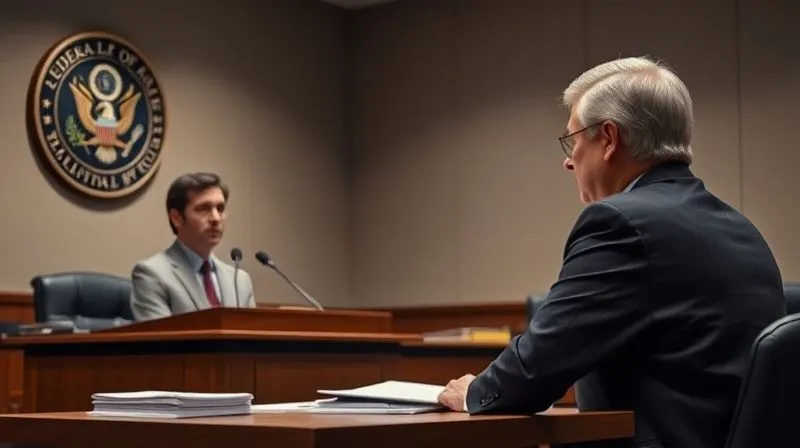
Case Study: Reversing a Federal Grant Denial for "GreenTech Solutions"
How GreenTech Solutions Secured Their Federal Grant
GreenTech Solutions, a promising small business specializing in sustainable energy technology, faced a devastating blow when their application for a critical federal grant from the Department of Energy (DOE) was denied. The DOE's stated reason was a perceived lack of "financial stability" and "insufficient prior experience" in managing large federal projects. The CEO, Mr. Chen, initially felt hopeless, believing the decision was final.
Drawing on the principles outlined above, GreenTech's legal team initiated the appeal process. First, they meticulously reviewed the DOE's denial letter and the specific regulations governing grant appeals. They discovered that the DOE had misinterpreted GreenTech's financial statements, specifically overlooking a substantial line of credit secured shortly before the application deadline, which significantly bolstered their financial standing. Furthermore, the agency's assessment of "prior experience" failed to account for the cumulative experience of GreenTech's senior engineers, who had successfully managed similar projects in previous roles, albeit under different corporate entities.
The appeal brief systematically presented this overlooked financial data and provided detailed resumes and project portfolios for the engineering team, demonstrating their collective experience. During the administrative hearing, GreenTech's CFO provided clear testimony explaining the financial health, and the lead engineer presented a compelling case for the team's project management capabilities. The ALJ, after reviewing the comprehensive evidence and hearing the testimony, issued a recommended decision finding that the DOE's initial assessment was based on incomplete information and a narrow interpretation of "prior experience."
The DOE's internal review board, accepting the ALJ's findings, ultimately reversed the denial and awarded GreenTech the grant. This not only saved GreenTech from potential collapse but also enabled them to innovate further, creating jobs and contributing to sustainable energy solutions. The key to their success was a diligent review of the adverse decision, careful documentation of their appeal, and a clear, evidence-based presentation.
Beyond the ALJ: Agency Review and Judicial Review
Even after an ALJ issues a recommended decision, the process may not be over. The agency itself typically retains the power to review the ALJ's findings. If the agency's final decision is still adverse, your next recourse may be to seek judicial review in federal court.
Agency Head Review
Most federal agencies have a mechanism for senior agency officials or an internal appeals board to review the ALJ's recommended decision. This stage can be crucial, as the agency head often has the final say within the administrative process. They may adopt the ALJ's decision, modify it, or reject it entirely. Your arguments at this stage should focus on reinforcing the strengths of your case as presented to the ALJ, or, if the ALJ ruled against you, highlighting specific errors in their recommended decision.
Seeking Judicial Review in Federal Court
If you have exhausted all administrative remedies and the final agency decision remains adverse, you generally have the right to seek judicial review in a federal district court or, in some cases, a federal court of appeals. This is governed primarily by the Administrative Procedure Act (APA). However, federal courts typically do not re-hear the case from scratch. Instead, their review is limited in scope:
- They will examine whether the agency acted within its statutory authority.
- They will determine if the agency followed proper procedures.
- Crucially, they will assess whether the agency's decision was "arbitrary, capricious, an abuse of discretion, or otherwise not in accordance with law." This is a high standard; courts generally defer to agency expertise on factual matters and policy judgments, as long as the agency's decision is supported by substantial evidence and is not clearly erroneous.
This means you must demonstrate that the agency's decision was irrational, lacked a factual basis, or violated legal principles, rather than simply presenting new evidence or re-arguing facts.
| Stage | Description | Key Action | Decision Maker |
|---|---|---|---|
| Initial Agency Decision | First determination by the agency on a licensing application. | Review decision, identify appeal rights. | Agency staff |
| Agency Internal Appeal/Reconsideration | First level of administrative review within the agency. | File Notice of Appeal, submit brief. | Agency Appeals Board/Officer |
| Administrative Hearing (if applicable) | Formal evidentiary hearing before an Administrative Law Judge (ALJ). | Present evidence, call witnesses, oral argument. | Administrative Law Judge (ALJ) |
| Agency Head Review | Review of ALJ's recommended decision by senior agency officials. | Respond to ALJ's findings, submit final arguments. | Agency Head/Designee |
| Judicial Review | Appeal to federal court after exhausting all administrative remedies. | File complaint, brief arguments on agency error. | Federal District Court/Court of Appeals |

Common Pitfalls and How to Avoid Them
Having guided numerous clients through this maze, I've identified recurring errors that can jeopardize an appeal. Avoiding these pitfalls is as crucial as mastering the steps:
- Missing Deadlines: As stressed, this is the most common and often fatal error. Always err on the side of early filing.
- Insufficient Evidence: Don't assume the agency has all the information. You must proactively present a complete and compelling evidentiary record to support your claims.
- Emotional Appeals: While frustration is understandable, administrative appeals are about facts, law, and procedure, not emotions. Keep your arguments professional and evidence-based.
- Not Exhausting Administrative Remedies: Attempting to jump directly to federal court without completing the agency's internal process will almost certainly lead to dismissal.
- Going It Alone in Complex Cases: While self-representation is an option, the intricate rules and high stakes often warrant professional legal counsel, especially for significant licenses or businesses.
- Failing to Understand Agency Deference: Courts generally give deference to agency expertise. Your appeal must show a clear error, not just a disagreement with a policy choice.
"The administrative appeals process is a marathon, not a sprint. Patience, meticulous preparation, and precision are your greatest allies against the bureaucratic tide."
For more insights into common administrative law challenges, I recommend exploring resources from the American Bar Association's Section of Administrative Law and Regulatory Practice.
When to Bring in an Expert: The Value of Legal Counsel
While this guide provides a robust framework, the decision of whether to appeal an adverse federal agency licensing decision with or without legal representation is a significant one. In my experience, for anything beyond the most straightforward, low-stakes cases, engaging an attorney specializing in administrative law is a wise investment.
Here's why:
- Navigating Obscure Rules: Administrative law attorneys are intimately familiar with the specific procedural rules of various federal agencies, often uncovering avenues of appeal or arguments that a layperson might miss.
- Presenting Complex Legal Arguments: They can articulate sophisticated legal arguments, cite relevant statutes and precedents, and counter the agency's legal positions effectively.
- Understanding Precedents and Agency Interpretations: An experienced attorney understands how agencies have interpreted their rules in the past, allowing for more strategic arguments tailored to the specific agency's history.
- Handling Evidentiary Hearings: Attorneys are skilled in presenting evidence, cross-examining witnesses, and making formal objections, crucial elements of a contested hearing.
- Objectivity and Strategy: An attorney provides an objective assessment of your case's strengths and weaknesses, helping you develop the most effective strategy without emotional bias.
The stakes involved in federal licensing decisions are often immense—your livelihood, your business, or your professional reputation. The cost of legal counsel, when weighed against the potential loss from an adverse decision, is often a worthwhile expenditure. It's about leveling the playing field against an entity with vast resources and specialized knowledge. Ensuring ethical conduct from legal professionals is also paramount, and resources from organizations like the ABA Center for Professional Responsibility can provide guidance on attorney conduct.
Frequently Asked Questions (FAQ)
Q: What is the typical timeline for a federal agency appeal? A: The timeline varies significantly depending on the agency and the complexity of the case. Simple reconsideration requests might be resolved in a few months, while appeals involving formal hearings and multiple review stages can take a year or more. It's crucial to consult the specific agency's regulations for their typical processing times, but generally, patience is required.
Q: Can I present new evidence during the appeal process? A: This depends entirely on the specific agency's rules and the stage of the appeal. Some initial review stages may allow for the submission of new evidence to correct factual omissions. However, during formal hearings or judicial review, the ability to introduce new evidence is often limited to what was part of the original administrative record, or under very specific circumstances where it was unavailable earlier. Always check the agency's regulations.
Q: What if I miss a deadline? Are there exceptions? A: Federal agency deadlines are notoriously strict. While some agencies may have very limited provisions for "good cause" extensions or waivers in extraordinary circumstances (e.g., severe illness, natural disaster), these are rare and difficult to obtain. It is almost always safer to assume there are no exceptions and prioritize meeting all deadlines. Missing a deadline is one of the quickest ways to lose your appeal.
Q: What's the difference between an informal and formal appeal? A: An informal appeal might involve submitting additional documents or a written statement for reconsideration by the original decision-maker or a supervisor, often without a hearing. A formal appeal typically involves more structured procedures, potentially including a formal evidentiary hearing before an Administrative Law Judge (ALJ), with rules for evidence, witness testimony, and legal argument, leading to a written decision. The type of appeal available depends on the agency and the nature of the decision.
Q: When is it appropriate to bypass administrative remedies and go straight to court? A: This is extremely rare and generally discouraged by courts. Exceptions might include situations where administrative remedies are demonstrably futile (e.g., the agency has a clear policy that directly contradicts your claim and no internal process can change it), or if the agency is acting entirely outside its statutory authority in a way that causes immediate, irreparable harm. However, these are high bars to meet, and courts are very reluctant to intervene before administrative exhaustion. Always consult an expert before considering such a path.
Key Takeaways and Final Thoughts
Successfully appealing an adverse federal agency licensing decision is undoubtedly a formidable challenge, but it is far from impossible. It demands meticulous attention to detail, a deep understanding of procedural rules, and a strategic approach to presenting your case. Through my years in administrative law, I've seen that those who succeed are not necessarily the ones with the "best" case, but those who are best prepared and most persistent.
- Know Your Agency's Rules: The specific regulations of the federal agency are your roadmap.
- Deconstruct the Decision: Understand precisely why you were denied to craft targeted arguments.
- Adhere to Deadlines: This is non-negotiable for any successful appeal.
- Build a Strong Evidentiary Record: Back every claim with clear, compelling evidence.
- Consider Expert Counsel: For complex or high-stakes cases, an administrative law attorney is an invaluable asset.
Don't let an initial adverse decision be the end of your journey. With the right strategy and a commitment to understanding the process, you can effectively appeal an adverse federal agency licensing decision and achieve the outcome you seek. Equip yourself with knowledge, act decisively, and remember that persistence in the face of bureaucracy can indeed pay off. For further agency-specific guidance, always refer to official government resources, such as the EPA's Office of Administrative Law Judges or similar pages for your relevant agency.
Recommended Reading
- 7 Strategies: Justifying Risky Reaffirmation Agreements to Judges
- Online Scam Victim? What To Do After Falling For It (2024 Guide)
- Safeguard Your Future: How to Protect Non-Exempt Assets in Bankruptcy
- 6 Steps: Reconciling Conflicting Legal ESG Reporting Frameworks
- Navigating New Carbon Mandates: 7 Legal Strategies for Corporate Resilience




Comments
Leave a comment below. Your email will not be published. Required fields marked with *