



How to Balance Student Privacy with Urgent Campus Safety Warnings?
For over two decades working in education law and advising higher education institutions, I've witnessed firsthand the agonizing tightrope walk administrators face: the immediate, undeniable imperative to protect students from harm versus the deeply ingrained commitment to safeguarding their personal privacy. It's not a theoretical debate; it's a daily, high-stakes operational challenge. I recall a specific incident at a mid-sized university where a credible threat emerged against a small, identifiable group of students, and the legal team grappled for hours with how to issue a warning without inadvertently exposing those students to further risk or violating FERPA.
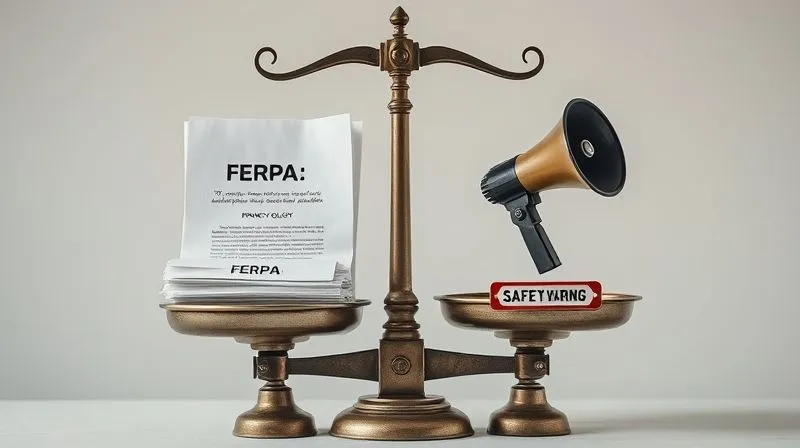
This dilemma is a cornerstone of modern campus safety. On one side, federal mandates like the Clery Act demand timely warnings about crimes that pose a continuing threat to the community. On the other, privacy laws like FERPA strictly limit the disclosure of student educational records, including personally identifiable information. The tension between these two critical obligations creates a complex landscape, leaving many institutions feeling vulnerable and uncertain about the right course of action when every second counts.
In this comprehensive guide, I aim to demystify this intricate balancing act. I will share actionable frameworks, illuminate the legal boundaries, provide practical strategies for effective communication, and delve into the ethical considerations that underpin every decision. My goal is to equip you with the expert insights and tools necessary to develop robust policies that prioritize both the safety and the privacy of your students, fostering a secure and trusting campus environment.
Understanding the Legal Landscape: FERPA, Clery, and Beyond
Before we can effectively balance student privacy with urgent campus safety warnings, we must first firmly grasp the bedrock legal frameworks governing these areas. These regulations aren't just bureaucratic hurdles; they are fundamental protections for students and essential guidelines for institutions.
The Foundation: FERPA's Role in Student Data
The Family Educational Rights and Privacy Act (FERPA) is paramount. It grants parents certain rights with respect to their children's education records. These rights transfer to the student when he or she reaches 18 years of age or attends a postsecondary institution at any age. FERPA essentially dictates that an educational institution must obtain a student's written consent before disclosing personally identifiable information from their education records, with a few crucial exceptions.
One of the most relevant exceptions for our discussion is the "health or safety emergency" exception. FERPA permits the disclosure of education records without consent to appropriate parties in connection with an emergency, if knowledge of the information is necessary to protect the health or safety of the student or other individuals. However, this exception is narrowly construed and requires careful documentation and justification. It's not a blanket waiver for all information sharing.
Learn more about FERPA from the U.S. Department of Education.The Imperative: Clery Act's Mandate for Timely Warnings
Conversely, the Jeanne Clery Disclosure of Campus Security Policy and Campus Crime Statistics Act (Clery Act) places a direct, affirmative obligation on institutions to issue timely warnings and emergency notifications. Timely warnings are required for crimes that pose a serious or continuing threat to students and employees, while emergency notifications cover any significant emergency or dangerous situation involving an immediate threat to the health or safety of students or staff. The purpose is to allow the campus community to take appropriate action to protect themselves.
The Clery Act emphasizes speed and clarity. Institutions must issue warnings without delay, using methods that are likely to reach the entire campus community. This often means broad communication channels that, by their nature, are not designed for individualized privacy considerations. The tension here is palpable: Clery demands broad dissemination, while FERPA demands careful restriction.
Explore resources on the Clery Act from the Clery Center.State-Specific Nuances and Emerging Data Privacy Laws
Beyond federal mandates, institutions must also navigate a patchwork of state-specific laws. Some states have additional data privacy protections that can impact how student information is handled during emergencies. For instance, states like California have robust consumer privacy acts that, while primarily focused on consumer data, can influence broader institutional data handling practices. Staying abreast of these evolving legal landscapes is critical, as compliance failures can lead to significant penalties and erosion of trust.
Expert Insight: The "health or safety emergency" exception under FERPA is a powerful tool, but it's not a loophole. It requires a genuine, immediate threat and a clear justification for why the specific information being shared is necessary to mitigate that threat. Overuse or misapplication can lead to significant legal and ethical repercussions.
Crafting a Robust Campus Emergency Communication Plan
A well-structured emergency communication plan is your institution's first line of defense against chaos and legal vulnerability. It moves you from reactive panic to proactive, strategic response, ensuring that urgent campus safety warnings are delivered effectively while privacy concerns are meticulously addressed.
Establishing a Multi-Tiered Alert System
Not all emergencies are created equal, and neither should your responses be. A multi-tiered alert system allows for nuanced communication tailored to the severity and scope of the threat. This prevents over-alerting for minor incidents, which can lead to alert fatigue, while ensuring maximum impact for critical warnings.
- Assess Risk Levels: Categorize potential threats (e.g., Level 1: localized minor incident; Level 2: campus-wide threat, no immediate danger; Level 3: immediate, life-threatening danger).
- Define Target Audiences: Determine who needs to receive specific information for each tier (e.g., only residents of a specific dorm, or the entire campus community).
- Select Communication Channels: Match the urgency and scope of the threat to the most effective communication method (e.g., email for Level 1, mass text/PA system for Level 3).
- Develop Pre-scripted Messages: Create templates for each tier and scenario to ensure speed, consistency, and legal compliance.
Defining 'Urgent': Thresholds and Triggers
One of the most challenging aspects is defining what constitutes "urgent" enough to potentially invoke the FERPA health or safety emergency exception or trigger a Clery Act timely warning. This requires careful consideration and pre-established criteria. These thresholds should be developed in collaboration with legal counsel, campus security, student affairs, and mental health professionals.
For example, a credible threat of violence against an identifiable individual would likely meet the "urgent" threshold, potentially allowing for limited, necessary disclosure under FERPA. Conversely, a general increase in petty theft reports across campus might warrant a timely warning under Clery but would not typically justify individual student data disclosure under FERPA's emergency clause.
Pre-approved Communication Templates and Protocols
In a crisis, every second counts. Having pre-approved communication templates for various scenarios can drastically reduce response times and ensure that messages are clear, concise, and legally sound. These templates should include placeholders for specific incident details and be reviewed regularly by legal and communications teams. Protocols should also define who has the authority to issue alerts and through which channels.
| Threat Level | Urgency | Privacy Impact | Communication Channels | Example |
|---|---|---|---|---|
| Low (Localized incident) | Moderate | Minimal | Email, internal memos | Minor theft in specific building |
| Medium (Campus-wide, no immediate danger) | High | Moderate (anonymized) | Campus-wide email, public safety website, social media | Reported suspicious activity, non-violent crime spree |
| High (Immediate, life-threatening danger) | Critical | Potentially high (justified by FERPA exception) | Mass text, PA system, emergency sirens, social media, local media | Active shooter, major fire, severe weather warning |
Strategic Information Sharing: What, When, and How Much?
The crux of balancing student privacy with urgent campus safety warnings lies in strategic information sharing. It's about precision: sharing only what is absolutely necessary, to whom it is necessary, and at the precise moment it will be most effective, all while adhering to legal and ethical boundaries.
Anonymization and De-identification Techniques
Whenever possible, anonymizing or de-identifying information is the gold standard. Instead of stating "John Doe was seen near the library," a warning could state "An individual matching the description of a suspect from a previous incident was sighted near the library." This communicates the critical safety information without revealing sensitive personal details that could violate privacy or even endanger an individual further.
Techniques include using general descriptors, aggregating data, or reporting on patterns rather than specific individual incidents, especially when the threat is to a broader community rather than a specific, named individual. This requires creativity and careful wording but is crucial for maintaining trust and compliance.
Distinguishing Between "Need to Know" and "Nice to Know"
This principle is fundamental. In an emergency, the focus must be on information that allows individuals to protect themselves or aids in resolving the crisis. Details that are merely "nice to know" but don't contribute to immediate safety or crisis resolution should be withheld to preserve privacy. For example, the specific medical history of a student involved in a health emergency is rarely "need to know" for a campus-wide alert, even if the emergency itself warrants a warning (e.g., a building evacuation).
The Role of Consent and Opt-Out Options (Where Applicable)
While explicit consent is often impractical or impossible in urgent safety situations, institutions should proactively seek consent for certain types of communications. For instance, students might opt-in to receive alerts about non-emergency campus closures or specific event cancellations. For emergency notifications, particularly those mandated by Clery, opt-out options are often legally limited or non-existent, but this distinction should be clearly communicated to the campus community.
Case Study: University X's Anonymized Alert System
University X, a large urban institution, faced a series of escalating threats targeting students associated with a specific campus club. The initial instinct was to warn the club members directly, but concerns about potential retaliation and privacy violations were paramount. Instead, their crisis team, guided by their legal counsel, implemented an anonymized alert system. They issued warnings that communicated critical safety information, such as "Warning: Increased vigilance advised for students participating in Club Alpha activities due to credible, non-specific threats." They simultaneously offered confidential, anonymous reporting channels and increased security patrols around the club's meeting locations.
This approach allowed the university to communicate the threat effectively, empowering the community to stay vigilant, without compromising individual identities or inadvertently escalating the situation. The result was improved trust among students, who felt protected without feeling exposed, and faster resolution of the incidents through anonymous tips that led to arrests.
Technological Solutions for Secure and Swift Notifications
Modern technology offers powerful tools to enhance campus safety communications while simultaneously bolstering privacy protections. Leveraging these solutions is not just about efficiency; it's about building a more resilient and responsible notification ecosystem.
Integrated Emergency Notification Systems (ENS)
A comprehensive ENS is critical. These systems allow institutions to send simultaneous alerts across multiple channels: text messages, email, desktop alerts, public address systems, social media, and even digital signage. The key is integration, ensuring that a single incident can trigger a coordinated response across all relevant platforms. Many ENS providers also offer robust data security features, ensuring that the contact information used for alerts is protected.
Furthermore, an integrated system can segment audiences, allowing for targeted communications. For example, only students residing in a specific dorm might receive an alert about a localized issue, minimizing unnecessary dissemination of information to the broader campus. This precision is vital for respecting privacy while ensuring safety.
Secure Messaging Platforms and Mobile Apps
Beyond broad ENS, secure messaging platforms and dedicated campus safety apps can provide an additional layer of targeted, confidential communication. These platforms often incorporate end-to-end encryption, ensuring that sensitive information shared between individuals or small groups (e.g., crisis response teams, specific student support staff) remains private. Such apps can also include anonymous tip lines, allowing students to report concerns without fear of identification, thereby fostering a safer environment where concerns are more likely to be voiced.
Data Encryption and Access Control for Student Records
The foundation of privacy protection for student data, especially that used in emergency contexts, is robust cybersecurity. This includes encrypting student records at rest and in transit, implementing strict access controls, and regularly auditing who has access to sensitive information. Limiting access to only those personnel who "need to know" for their role in an emergency response is paramount. This ensures that even if a system is compromised, the sensitive data is less likely to be exposed.
Training, Drills, and Continuous Improvement
Even the most meticulously crafted plan is only as effective as the people implementing it. Regular training, realistic drills, and a commitment to continuous improvement are indispensable for ensuring that your institution can confidently balance student privacy with urgent campus safety warnings when it matters most.
Regular Training for Crisis Response Teams
Your crisis response team—encompassing security, student affairs, legal, communications, and executive leadership—must undergo regular, comprehensive training. This training should cover not only the mechanics of emergency response but also the legal nuances of FERPA and Clery, the ethical considerations of information sharing, and the specific protocols for different types of incidents. Role-playing exercises can be particularly valuable in simulating the pressure of a real emergency and practicing decision-making under stress.
I've seen firsthand how effective training can transform a hesitant, reactive team into a confident, proactive one. Understanding the "why" behind policies, not just the "what," empowers individuals to make sound judgments in ambiguous situations.
Conducting Realistic Campus-Wide Drills
Tabletop exercises are a good start, but there's no substitute for full-scale, realistic drills. These drills should test every component of your emergency plan, from the initial threat assessment to the issuing of alerts, the coordination with external agencies, and the post-incident communication. Crucially, these drills should also incorporate scenarios that specifically challenge the balance between safety warnings and privacy concerns, forcing the team to make real-time decisions about what information to share and how.
These exercises help identify weaknesses in communication channels, clarify roles and responsibilities, and refine decision-making processes, all without the real-world stakes. They are invaluable for building muscle memory and confidence.
Post-Incident Reviews and Policy Adjustments
Every incident, whether a full-blown crisis or a minor scare, is a learning opportunity. Conducting thorough post-incident reviews is essential. This involves analyzing what worked well, what didn't, and why. Gather feedback from all stakeholders, including students, faculty, staff, and external partners. Document lessons learned and, most importantly, use this information to update and refine your emergency communication policies and procedures.
Expert Insight: Complacency is the enemy of preparedness. Policies are living documents that require regular review and adaptation based on new threats, technological advancements, and lessons learned from both your own incidents and those at other institutions. Your campus safety plan should never be considered "finished."
Fostering a Culture of Trust and Transparency
Ultimately, the effectiveness of any campus safety plan, particularly one that navigates the delicate balance of privacy, hinges on the trust of the campus community. Transparency in your policies and actions builds this trust, making students more likely to heed warnings and cooperate during emergencies.
Educating the Campus Community on Policies
Don't wait for a crisis to explain your policies. Proactively educate students, faculty, and staff about your emergency communication plan, including how alerts are issued, what information might be shared, and the legal basis for those decisions. Clearly explain the interplay between FERPA and the Clery Act. This demystifies the process and helps manage expectations, reducing confusion and anxiety when an actual emergency occurs.
Use various channels for this education: orientation sessions, campus newsletters, dedicated website sections, and town hall meetings. The more informed your community is, the more resilient they will be.
Establishing Clear Channels for Feedback and Concerns
A truly transparent institution is one that listens. Provide clear, accessible channels for students and other community members to provide feedback on emergency communications or express concerns about privacy. This feedback is invaluable for identifying areas for improvement and demonstrating that the institution values their input. An anonymous feedback mechanism can be particularly effective in encouraging candid responses.
Transparency in Decision-Making Post-Incident
After an emergency, be as transparent as possible about the decisions made, particularly regarding information sharing. If sensitive information was shared, explain why it was deemed necessary under the FERPA health or safety emergency exception. This accountability reinforces trust and demonstrates a commitment to ethical governance, even in challenging circumstances. Open communication, even about difficult choices, solidifies the institution's credibility.

Navigating the Ethical Dilemmas: A Decision-Making Framework
Beyond the legal mandates, every decision to balance student privacy with urgent campus safety warnings is steeped in ethical considerations. Developing a clear ethical decision-making framework can guide administrators through these complex moral landscapes, ensuring consistency and fairness.
The Utilitarian vs. Deontological Approach in Crisis
In ethical theory, a utilitarian approach would prioritize the greatest good for the greatest number, potentially justifying a privacy intrusion if it prevents widespread harm. A deontological approach, on the other hand, would focus on duties and rights, arguing that certain privacy rights should not be violated regardless of the outcome. In practice, institutions often find themselves navigating between these two poles.
I advocate for a balanced approach: a strong bias towards protecting individual rights (deontology) that can only be overridden by a clear, demonstrable, and immediate threat of significant harm to the broader community (utilitarianism), always within the strict confines of legal exceptions like FERPA's health or safety clause. This requires robust justification and documentation.
Developing an Ethical Review Board or Committee
For particularly complex or ambiguous situations, establishing an ad-hoc or standing ethical review board can be invaluable. This committee, comprising legal experts, ethicists, student affairs representatives, and security personnel, can provide a multi-faceted perspective on challenging information-sharing decisions. Their collective wisdom can help ensure that decisions are not made in a vacuum, reducing the risk of bias or oversight.
Prioritizing Safety Without Sacrificing Rights
This is the ultimate goal: to create a campus environment where safety is paramount, but student rights are not treated as expendable. It requires proactive planning, clear communication, and a deep commitment to ethical governance. It means investing in technology that enhances both safety and privacy, training personnel to understand both, and fostering a culture where every decision is weighed against its impact on both the immediate threat and the long-term trust of the community.
| Scenario Element | Privacy vs. Safety Consideration | Action Guide |
|---|---|---|
| Nature of Threat | Is the threat specific (individual) or general (community)? Specific threats require careful privacy review, general threats allow broader alerts. | Prioritize de-identification for specific threats; use broad, anonymized language for general threats. |
| Imminence of Harm | Is the harm immediate and ongoing, or potential and distant? Imminent harm weighs heavily towards safety, justifying FERPA exceptions. | Act swiftly for imminent harm, document justification for privacy breaches; for distant threats, explore less invasive warnings. |
| Necessity of Information | Is the specific private information absolutely necessary to mitigate the threat? Only 'need to know' information should be shared. | Rigorously assess if sharing private data is the only way to protect; if not, use anonymized warnings. |
| Alternative Protections | Are there other ways to protect the community without violating privacy? E.g., increased patrols, anonymous reporting. | Always explore less invasive safety measures first; use privacy breaches as a last resort, fully documented. |
Frequently Asked Questions (FAQ)
Can we ever share a student's name in an emergency without their consent? Yes, but only under very specific and narrow circumstances, primarily through the FERPA "health or safety emergency" exception. This requires a credible, immediate threat to the health or safety of the student or others, and the information shared must be strictly necessary to address that emergency. It's not a blanket permission and should always be a last resort, fully documented, and reviewed by legal counsel.
How do we handle social media rumors during a crisis? Social media is a double-edged sword during a crisis. It can be a source of misinformation but also a vital communication channel. Institutions should monitor social media actively, but never rely on it as a sole source of truth. Official channels should be used to counter rumors with accurate, verified information. If a rumor poses a direct safety threat, it should be addressed through official warnings, ensuring privacy is still a consideration in the language used.
What if a student opts out of all emergency notifications? For emergency notifications mandated by the Clery Act (e.g., active shooter, severe weather), institutions typically cannot allow students to opt out, as these are critical for the entire community's safety. However, for non-mandated alerts or certain types of informational messages, opt-out options may be available. It's crucial to clearly communicate which notifications are mandatory and why, and to ensure students are aware of the potential risks of opting out of any safety-related communications.
How often should our campus emergency plan be updated? Your campus emergency plan should be a living document, reviewed and updated at least annually, or more frequently if there are significant changes in campus demographics, technology, threats, or legal regulations. Post-incident reviews should also trigger immediate updates to address identified weaknesses. Regular review ensures the plan remains relevant, effective, and compliant.
What's the role of local law enforcement in these decisions? Local law enforcement is a critical partner in campus safety. They often possess key information about external threats or ongoing investigations. Collaboration with law enforcement is essential for threat assessment and response. However, institutions must ensure that any information shared with law enforcement about students complies with FERPA and other privacy laws. A memorandum of understanding (MOU) outlining data-sharing protocols with local agencies can clarify roles and responsibilities beforehand.
Key Takeaways and Final Thoughts
Navigating the complex intersection of student privacy and urgent campus safety warnings is undeniably challenging, but it is an essential responsibility for every higher education institution. As an experienced specialist, I've seen that the most successful approaches are those built on a foundation of legal compliance, ethical deliberation, and proactive planning.
- Master the Legal Frameworks: Understand the nuances of FERPA, the Clery Act, and relevant state laws to inform every decision.
- Develop a Multi-Tiered Communication Plan: Tailor your alerts to the specific severity and scope of the threat, using pre-approved templates.
- Prioritize Strategic Information Sharing: Emphasize anonymization, distinguish between "need to know" and "nice to know," and use consent where applicable.
- Leverage Technology Wisely: Implement integrated emergency notification systems, secure messaging, and robust data encryption.
- Invest in Training and Drills: Ensure your crisis team is well-prepared, and regularly test your systems with realistic scenarios.
- Cultivate Trust and Transparency: Educate your community, seek feedback, and be accountable for your decisions.
- Embrace an Ethical Decision-Making Framework: Guide your choices with a clear understanding of the moral implications.
Balancing student privacy with urgent campus safety warnings isn't about choosing one over the other; it's about finding the intelligent, responsible equilibrium that protects both. By adhering to these principles, institutions can build resilient safety protocols that not only mitigate threats but also foster a campus culture where students feel secure, respected, and confident in their institution's commitment to their well-being. It's a continuous journey of vigilance, adaptation, and unwavering dedication to the students we serve.
Recommended Reading
- 5 Proven Strategies: Shield Personal Assets from Business Bankruptcy
- 7 Critical Steps: Uncover Hidden IP Risks in Tech M&A Due Diligence
- In Absentia Deportation? 5 Steps to Your Urgent Motion to Reopen
- Unlock Your Child's Future: How to Request an Independent Educational Evaluation?
- 5 Legal Avenues: Challenging Unconstitutional Gov Data Collection




Comments
Leave a comment below. Your email will not be published. Required fields marked with *