



How to Defend a Project's EIA Against Activist Legal Challenges?
For over two decades in environmental law, I've witnessed firsthand the intricate dance between essential project development and the imperative of environmental protection. One of the most common, and often most debilitating, roadblocks I've seen companies face isn't technical feasibility or financial viability, but the crucible of activist legal challenges to their Environmental Impact Assessments (EIAs).
The sting of an activist legal challenge goes far beyond court fees. It’s about project delays, spiraling costs, reputational damage, and the erosion of investor confidence. It’s a battle fought not just on legal grounds, but in the court of public opinion, where perception can often overshadow fact and a meticulously prepared EIA can be picked apart by a well-organized, passionate opposition.
In this definitive guide, I will share the frameworks, strategies, and hard-won insights necessary to not just react to, but proactively fortify and effectively defend your project’s EIA against activist legal challenges. We’ll delve into understanding the activist mindset, building an unassailable EIA from the ground up, navigating the legal labyrinth, and mastering the art of strategic communication, ensuring your project can withstand scrutiny and proceed with confidence.
Understanding the Activist Landscape: Know Your Adversary
Before you can effectively defend your project's EIA, you must understand the nature of the challenges you're likely to face. Activist groups are not monolithic; they range from local community organizations concerned about specific impacts to national and international NGOs with broad environmental agendas. Their legal strategies are often sophisticated, leveraging public sentiment and legal precedents to their advantage.
Common Grounds for EIA Challenge
Activists typically target EIAs on several key fronts, often citing procedural or substantive flaws. Procedural challenges might argue that the public was not adequately consulted, that alternatives were not fully explored, or that the assessment process itself deviated from statutory requirements. Substantive challenges, on the other hand, question the adequacy of the impact analysis, arguing that potential environmental harms have been underestimated or mitigation measures are insufficient. Cumulative impacts – the combined effect of the proposed project with other past, present, and reasonably foreseeable future actions – are also a frequent target, as they are inherently complex to assess.
Key Activist Strategies
Beyond the courtroom, activist groups employ a multi-pronged approach. This includes widespread media campaigns to influence public opinion, leveraging social media to mobilize support, and partnering with legal aid organizations or pro-bono lawyers to initiate litigation. They are adept at finding procedural missteps or perceived gaps in data, then framing these as systemic failures or intentional omissions to generate public outcry. Anticipating these tactics is crucial for any robust defense strategy.
Expert Insight: "In my experience, anticipating the activist narrative is as critical as understanding the legal statutes. They often seek to highlight emotional impacts or perceived injustices, even if the EIA is technically sound. A purely technical defense can fall flat if you haven't addressed the underlying public concerns."
Building an Unassailable EIA: Pre-emptive Fortification
The best defense against activist legal challenges is a meticulously prepared, rigorously scientific, and transparent EIA. This isn't just about ticking boxes; it's about embedding resilience into the very fabric of your assessment process. Think of your EIA as a fortress; every brick must be laid with precision and foresight.
The Power of Early & Comprehensive Scoping
Scoping is the foundational phase where you identify the key environmental issues and reasonable alternatives to be addressed in the EIA. Rushing this stage is a common, costly mistake. A comprehensive scoping process, conducted early and openly, can significantly narrow the scope of potential legal challenges.
- Identify All Stakeholders: Go beyond statutory requirements. Engage local communities, indigenous groups, environmental NGOs, and relevant government agencies from day one.
- Define Project Alternatives Broadly: Don't just consider the 'no-action' alternative. Explore a range of feasible alternatives, including different locations, technologies, scales, and operational methods. Document why certain alternatives were dismissed.
- Establish Clear Assessment Boundaries: Define the geographic and temporal scope of impacts, including direct, indirect, and cumulative effects. Justify these boundaries scientifically.
- Agree on Methodologies: Where possible, engage with key stakeholders and regulatory bodies on the chosen impact assessment methodologies to build consensus and prevent later disputes over scientific validity.
According to a study published in the Journal of Environmental Law, inadequate scoping is a primary reason for successful legal challenges to EIAs, particularly concerning the failure to consider reasonable alternatives or cumulative impacts.
Robust Data Collection and Methodological Rigor
Your EIA is only as strong as the data it’s built upon. Invest in high-quality baseline data collection, employing recognized scientific methodologies and qualified experts. This includes comprehensive environmental surveys (air, water, soil, biodiversity), socio-economic studies, and cultural heritage assessments. Ensure your data is current, verifiable, and covers a sufficient temporal and spatial range to accurately represent the project's potential impacts.

Furthermore, subject your EIA to independent peer review. This external validation by unbiased experts can identify weaknesses before they become legal vulnerabilities. It demonstrates a commitment to scientific integrity and adds a powerful layer of credibility to your assessment.
Transparent Stakeholder Engagement: Beyond Compliance
Genuine stakeholder engagement is more than just public meetings; it's about building trust and understanding. I've often seen projects falter not because of insurmountable environmental impacts, but due to a breakdown in communication and a perceived lack of transparency. Proactive, meaningful engagement can transform potential adversaries into informed participants, or at least mitigate the intensity of opposition.

Create accessible channels for feedback, listen actively to concerns, and demonstrate how their input has influenced the project design or mitigation measures. Even if not all concerns can be fully addressed, the act of listening and transparently explaining decisions can significantly reduce the likelihood of legal action. A well-documented engagement process is also invaluable evidence in court, demonstrating good faith and due diligence.
Expert Insight: "Trust is the ultimate currency in environmental project development. Once lost, it's incredibly difficult to regain. Invest in genuine dialogue, not just statutory consultations. It's a long-term investment that pays dividends in legal resilience."
Legal Due Diligence: Mapping the Regulatory Minefield
Your EIA isn't just a scientific document; it's a legal one. Understanding the specific regulatory framework governing your project is paramount. This requires meticulous legal due diligence from the outset, ideally with experienced environmental legal counsel.
Navigating Federal and State EIA Laws
In the United States, the National Environmental Policy Act (NEPA) sets the federal standard, requiring federal agencies to assess environmental impacts for major federal actions. However, many states have their own robust environmental review laws, such as California's Environmental Quality Act (CEQA) or New York's State Environmental Quality Review Act (SEQRA). These state laws often have stricter requirements, broader definitions of 'environment,' and more avenues for public challenge. A thorough understanding of both federal and relevant state/local statutes is non-negotiable.
Permitting Pathways and Interdependencies
An EIA rarely stands alone. It’s often a prerequisite for a myriad of permits – air permits, water discharge permits, wetlands permits (e.g., Section 404 of the Clean Water Act), endangered species permits, and local zoning approvals. Understanding the interdependencies of these permits and ensuring your EIA adequately addresses the requirements of each is critical. A challenge to one permit can derail the entire project if the underlying EIA is found deficient.
Bringing experienced environmental legal counsel into the EIA process early can help identify potential legal vulnerabilities, ensure compliance with all applicable laws, and structure the EIA to withstand judicial scrutiny. They can advise on public notification requirements, documentation standards, and the appropriate level of detail needed to satisfy regulatory bodies and, crucially, defend against future challenges.
| Regulatory Body | Key Legislation | Compliance Steps | Potential Challenges |
|---|---|---|---|
| Federal (e.g., EPA, USACE) | NEPA, CWA, CAA, ESA | EIS/EA preparation, permit applications, public notices | Scope creep, inadequate alternatives analysis |
| State (e.g., CalEPA, NYDEC) | CEQA, SEQRA, specific state permits | State-specific impact reports, local permits, agency consultations | Cumulative impact disputes, localized opposition |
| Local (e.g., County, Municipality) | Zoning ordinances, land use plans, specific bylaws | Local planning board approvals, public hearings, community agreements | NIMBYism, procedural errors |
Strategic Communication and Public Relations: Winning Hearts and Minds
An excellent EIA can still face significant opposition if its findings are not communicated effectively to the public and decision-makers. In the age of instant information and social media, public perception can heavily influence legal outcomes. This is where strategic communication and public relations become vital.
Proactive Disclosure and Transparency
Don't wait for activists to frame the narrative. Proactively share information about your project, its benefits, and its environmental safeguards. Use plain language, visual aids, and accessible formats to explain complex technical information. A dedicated project website with all EIA documents, FAQs, and contact information can be a powerful tool for transparency. This proactive approach helps to build trust and counter misinformation.
Crafting Your Narrative
Your project has a story beyond its technical specifications. What problem does it solve? What benefits does it bring to the community or the wider public? How is it designed with environmental stewardship in mind? Craft a clear, consistent, and compelling narrative that resonates with stakeholders. Highlight your commitment to sustainability, job creation, or energy independence, contextualizing the project within broader societal goals.
Crisis Communication Preparedness
Even with the best intentions, controversies can arise. Have a crisis communication plan in place. Identify key spokespersons, prepare holding statements, and establish protocols for responding to media inquiries and social media comments. Rapid, accurate, and empathetic responses can often de-escalate tensions and prevent minor issues from spiraling into major legal or reputational crises.

The Litigation Arena: Preparing for Battle
Despite all proactive measures, legal challenges can still emerge. When they do, your readiness for litigation will determine your success. This phase is about meticulous preparation, strategic legal defense, and robust presentation of your EIA.
Assembling Your Expert Witness Dream Team
In environmental litigation, expert witnesses are often the linchpin of a successful defense. You'll need a team of highly credible and articulate experts in relevant fields – ecologists, hydrologists, air quality specialists, socio-economic analysts, and engineers – who can explain complex technical information clearly and defend the methodologies and conclusions of your EIA under cross-examination. Their independence and reputation are crucial.
Document Management and Discovery Readiness
Litigation involves extensive document discovery. Maintain a meticulously organized and searchable repository of all EIA-related documents, including drafts, internal communications, public comments received, responses to comments, and records of stakeholder engagement. This demonstrates transparency and efficiency, and prevents costly delays or the perception of withholding information. A well-managed document trail can be your strongest ally in court.
Understanding Judicial Review Standards
Courts typically review agency decisions (including EIA approvals) under an 'arbitrary and capricious' standard. This means the court will assess whether the agency acted within its authority, considered all relevant factors, and made a rational decision. Your defense must demonstrate that the EIA process was thorough, rational, and based on sound science, leaving no room for a finding of arbitrariness. This is where the meticulous documentation of every step, from scoping to mitigation, becomes invaluable.
Expert Insight: "When facing a judge, the narrative shifts from 'what we did' to 'why we did it this way.' Every decision, every methodology, every consultation must be defensible, not just from a scientific standpoint, but from a legal and procedural one. The 'why' is often more important than the 'what.'"
Case Study: Phoenix Power's EIA Defense Victory
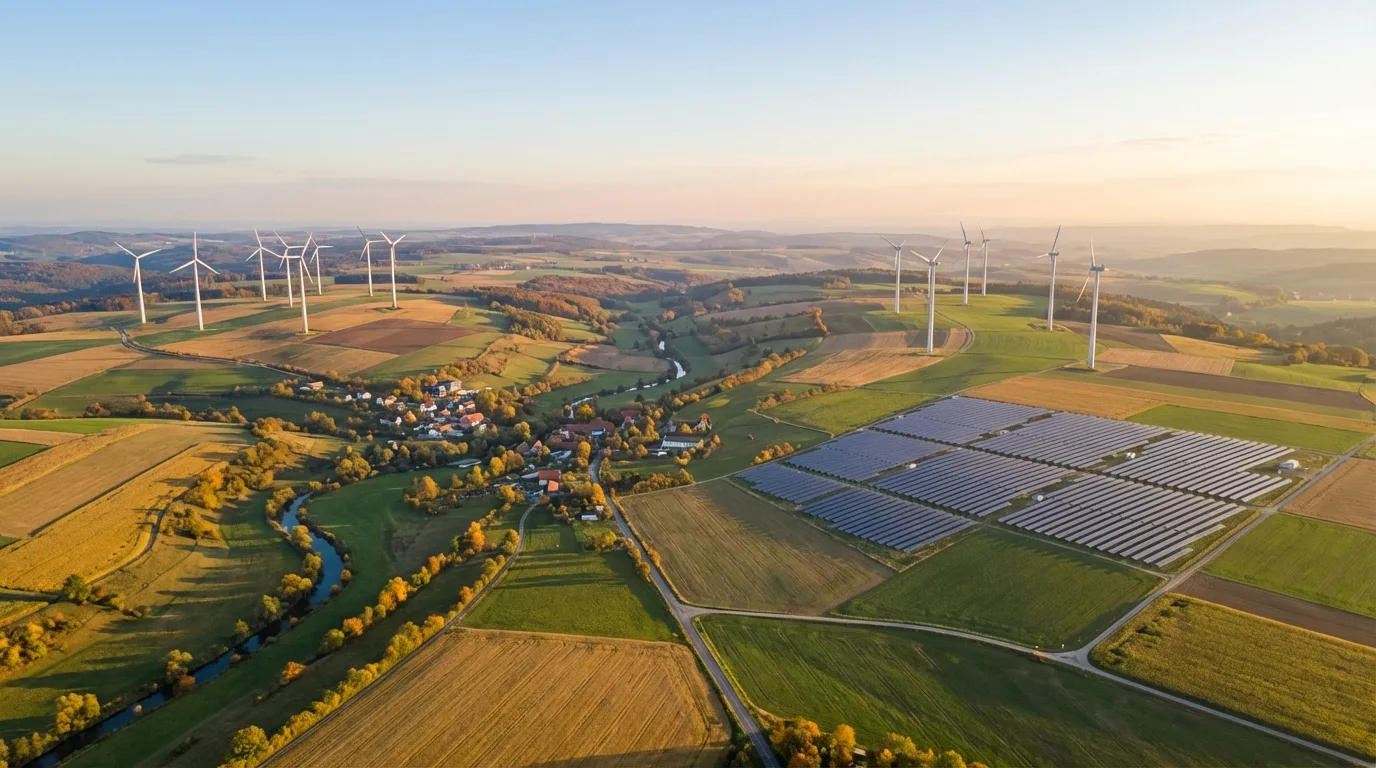
Phoenix Power, a renewable energy developer, faced a legal challenge from a coalition of local environmental groups regarding their proposed solar farm's potential impact on migratory bird populations. The activists alleged that the EIA underestimated avian mortality and failed to explore adequate mitigation. Phoenix Power had, however, invested heavily in pre-EIA baseline studies, collaborating with ornithological experts for two years prior to submitting their EIA. Their EIA included a groundbreaking avian monitoring and adaptive management plan, developed in consultation with state wildlife agencies. When challenged, their legal team presented not only the robust data and methodologies but also detailed records of their extensive, documented engagement with bird conservation groups during the EIA process, demonstrating a genuine effort to incorporate feedback. The court found that Phoenix Power's EIA was scientifically rigorous, procedurally sound, and that the proposed mitigation plan was comprehensive and adaptive, dismissing the activist's claims. This resulted in the project proceeding without further delay, saving millions in potential litigation costs and maintaining their reputation as a responsible developer.
Post-Challenge Resilience: Learning and Adapting
Whether you successfully defend your EIA or face setbacks, the process offers invaluable lessons. A truly resilient organization views these challenges not just as obstacles, but as opportunities for continuous improvement.
Internal Review and Process Improvement
After any legal challenge, conduct a thorough internal review. What aspects of the EIA or the process were most vulnerable? What could have been done differently to pre-empt the challenge? Document these lessons learned and integrate them into your standard operating procedures for future projects. This iterative improvement is key to building long-term legal resilience.
Building Long-Term Community Relationships
Even if you win a legal battle, a fractured relationship with local communities can hinder future projects. Continue to engage, listen, and demonstrate your commitment to responsible development. Long-term community relations are built on trust, transparency, and consistent communication, fostering an environment where dialogue can replace litigation.
Remember, the goal is not just to win a specific legal battle, but to cultivate a reputation for thoroughness, transparency, and environmental responsibility. This overarching commitment is your ultimate defense against future activist legal challenges, transforming potential conflicts into opportunities for collaborative, sustainable development.
Frequently Asked Questions (FAQ)
What are the most common legal grounds for challenging an EIA? The most common grounds include procedural errors (e.g., inadequate public notice, failure to consider reasonable alternatives), substantive flaws (e.g., insufficient impact analysis, underestimation of impacts, inadequate mitigation measures), and failure to properly assess cumulative impacts. Challenges can also arise from alleged non-compliance with specific environmental statutes like the Endangered Species Act or Clean Water Act, which the EIA is meant to address.
How early should legal counsel be involved in the EIA process? Ideally, legal counsel specializing in environmental law should be involved from the very outset of the project, during the initial planning and scoping phases. Early involvement ensures that the EIA is structured to meet all legal requirements, identifies potential vulnerabilities before they become critical, and helps to build a legally defensible document from the ground up, rather than trying to retrofit it later.
Can stakeholder engagement truly prevent legal challenges? While no amount of engagement can guarantee the prevention of all legal challenges, genuine and transparent stakeholder engagement significantly reduces their likelihood and strengthens your defense if they do occur. It builds trust, allows for early identification and resolution of concerns, and provides strong evidence of due diligence and good faith in court. It transforms the process from adversarial to, at best, collaborative, or at least, informed.
What's the role of independent peer review in strengthening an EIA? Independent peer review by qualified, unbiased experts adds a critical layer of scientific credibility and objectivity to your EIA. It helps identify methodological flaws, data gaps, or analytical weaknesses before the document is finalized, making it more robust against external scrutiny. In court, it serves as powerful evidence of the EIA's scientific rigor and the project proponent's commitment to best practices, reinforcing the 'non-arbitrary and capricious' nature of the assessment.
How do emerging environmental concerns (e.g., climate change) impact EIA defense? Emerging concerns like climate change, biodiversity loss, and environmental justice increasingly influence EIA requirements and legal challenges. Projects must demonstrate how they assess and mitigate climate-related impacts (e.g., GHG emissions, climate resilience), and how they address disproportionate impacts on vulnerable communities. Activist groups frequently leverage these broader concerns, requiring EIAs to be forward-thinking and comprehensive in their scope to remain defensible.
Key Takeaways and Final Thoughts
- Proactive Preparation is Paramount: Invest heavily in early, comprehensive scoping, robust data, and rigorous methodologies. This forms the bedrock of an unassailable EIA.
- Prioritize Genuine Engagement: Move beyond compliance. Build trust through transparent, continuous dialogue with all stakeholders.
- Embed Legal Expertise Early: Involve experienced environmental legal counsel from the project's inception to navigate complex regulatory landscapes and build a legally defensible document.
- Master Strategic Communication: Control your project’s narrative. Be transparent, proactive, and prepared for crisis communication.
- Assemble a Strong Defense Team: In litigation, highly credible expert witnesses and meticulous document management are non-negotiable.
- Learn and Adapt: View challenges as opportunities for continuous improvement, refining processes for future projects and strengthening long-term community relationships.
Defending a project's EIA against activist legal challenges is an intricate, multi-faceted endeavor that demands foresight, scientific rigor, legal acumen, and a deep understanding of human dynamics. It is not merely about winning a lawsuit, but about building a project that is environmentally responsible, socially acceptable, and ultimately, resilient. By embracing these strategies, you can navigate the complexities of environmental law, safeguard your investments, and ensure your vital projects can move forward with confidence and integrity.
Recommended Reading
- Asylum & Domestic Violence: How Abuse Impacts Your Claim
- Why Do Trademarks Fail? Uncover the Common Reasons for Rejection Now!
- 7 Legal Strategies: Defending Against Consumer Advocacy Claims
- Unraveling the Mystery: Do You Charge Sales Tax on Digital Products?
- 5 Legal Strategies: Protect Retirement Assets from Dementia Incapacity




Comments
Leave a comment below. Your email will not be published. Required fields marked with *