



How to defend client's privacy against AI facial recognition?
For over two decades in constitutional law, I've witnessed a relentless evolution of privacy challenges. From wiretaps to data mining, each technological leap presents new battlegrounds for individual rights. Today, the most formidable adversary is undoubtedly AI facial recognition – a technology so pervasive and powerful, it threatens to redefine the very concept of anonymity and personal space.
The chilling reality is that our clients, often unknowingly, are constantly being scanned, identified, and cataloged. This isn't just about government surveillance; it's about commercial entities, law enforcement, and even private citizens leveraging sophisticated algorithms to track, profile, and potentially incriminate. The legal implications are vast, touching upon Fourth Amendment rights, due process, and the fundamental right to privacy itself. Many legal professionals find themselves grappling with how to effectively shield their clients from this invisible, yet ever-present, digital gaze.
In this comprehensive guide, I'll draw upon my extensive experience to provide you with actionable frameworks, strategic insights, and practical methodologies to defend your clients against the encroaching tide of AI facial recognition. We'll explore foundational legal arguments, proactive client education, technical countermeasures, and robust litigation strategies, ensuring you're equipped to protect privacy in this new digital frontier.
Understanding the AI Facial Recognition Threat Landscape
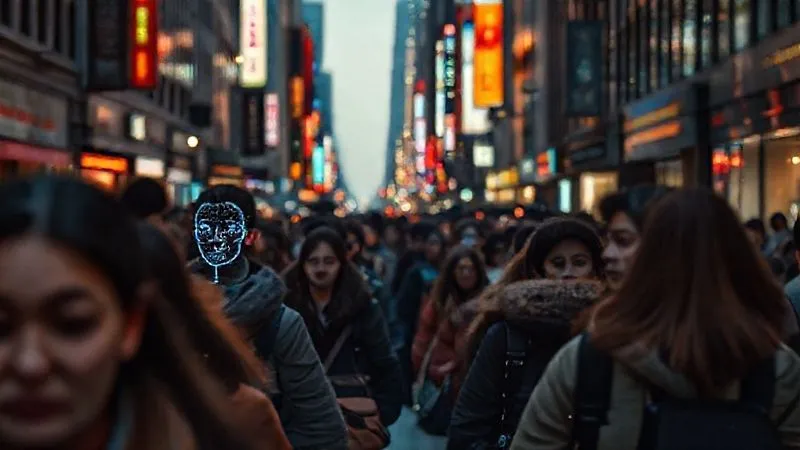
Before we can effectively defend, we must first understand the adversary. AI facial recognition (AFR) isn't a monolithic technology; it's a complex ecosystem of algorithms, databases, and deployment methods. At its core, AFR systems analyze unique facial features – known as biometric identifiers – to identify or verify an individual from an image or video. The threat isn't merely identification; it's the aggregation of this data, its potential for misuse, and the erosion of individual liberty it represents.
I've seen firsthand how these systems are being deployed, from public spaces and airports to private businesses and even residential complexes. The ubiquity of cameras, combined with advancements in machine learning, means that a client's face can be scanned, matched, and logged almost anywhere, often without their knowledge or consent. This creates a digital shadow, a permanent record of their movements and associations, which can be accessed by various entities.
Key Insight: The true danger of AI facial recognition lies not just in its ability to identify, but in its capacity to profile, track, and predict behavior, fundamentally altering the fabric of privacy in a free society.
Types of AI Facial Recognition Systems:
- Verification Systems: Used for authentication (e.g., unlocking a phone).
- Identification Systems: Matching a face to a database of known individuals (e.g., law enforcement using mugshot databases).
- Surveillance Systems: Real-time tracking of individuals in public or private spaces.
- Emotion Recognition: Advanced systems attempting to infer emotional states.
Each type presents unique legal challenges, but the common thread is the collection and processing of highly sensitive biometric data. The accuracy of these systems, especially across different demographics, is also a significant concern, as studies by the National Institute of Standards and Technology (NIST) have repeatedly highlighted biases.
Foundational Legal Frameworks: Constitutional and Statutory Protections
Defending against AI facial recognition requires a deep understanding of the legal bedrock protecting individual privacy. In the United States, the Fourth Amendment to the Constitution is paramount, guaranteeing "the right of the people to be secure in their persons, houses, papers, and effects, against unreasonable searches and seizures." The crucial question here is whether continuous, warrantless AI facial recognition constitutes an "unreasonable search."
The Supreme Court's evolving interpretation of the "reasonable expectation of privacy" (as established in Katz v. United States and refined in cases like Carpenter v. United States concerning cell-site location data) offers a powerful avenue for challenging AI surveillance. I argue that pervasive AI facial recognition, especially when aggregated over time, invades a sphere of privacy that society recognizes as legitimate, thus requiring a warrant based on probable cause.
Beyond the Fourth Amendment, state-specific statutes are emerging as critical tools. The Illinois Biometric Information Privacy Act (BIPA), for instance, is a landmark law that requires private entities to obtain informed consent before collecting, capturing, purchasing, receiving through trade, or otherwise obtaining a person's biometric identifier or biometric information. Similar laws are being considered or enacted in other states, creating a patchwork of protections.
Furthermore, while not directly applicable to most US domestic cases, international frameworks like the European Union's General Data Protection Regulation (GDPR) set a global standard for data protection, including biometric data. Its principles of data minimization, purpose limitation, and strong consent requirements can inform arguments and best practices even within US legal contexts. Understanding these interconnected legal landscapes is vital for crafting a robust defense.
| Jurisdiction/Law | Scope | Key Protection | Relevance to AI FR |
|---|---|---|---|
| Fourth Amendment (US) | Government surveillance, 'reasonable expectation of privacy' | Warrant required for searches/seizures | Challenges to warrantless AFR use |
| Illinois Biometric Information Privacy Act (BIPA) | Private entities collecting biometric data | Informed consent, data retention policies | Sets a standard for private sector AFR |
| General Data Protection Regulation (GDPR - EU) | Data protection for EU citizens (extraterritorial) | Strict consent, right to be forgotten, data minimization | Influences global privacy standards, impacts US firms handling EU data |
Proactive Client Education and Consent Protocols
One of the most effective, yet often overlooked, defense mechanisms against AI facial recognition is empowering clients through education. Many individuals are simply unaware of the extent to which their biometric data is being collected and processed. As legal counsel, it's our duty to not only react to privacy breaches but to proactively equip our clients with the knowledge to safeguard themselves.
I always begin with a thorough, yet accessible, explanation of how AFR works and its potential implications. This isn't about fear-mongering; it's about fostering informed decision-making. We discuss scenarios where their image might be captured – from public cameras to social media tags – and the potential legal consequences.
Key steps in client education and consent protocols:
- Comprehensive Privacy Audit: Help clients understand their digital footprint and where their biometric data might exist or be collected. This includes social media, public records, and even past interactions with businesses.
- Informed Consent Discussions: For any situation where a client's image or biometric data might be used (e.g., within a legal proceeding, public statement), ensure explicit, written informed consent that clearly outlines the risks and uses.
- Data Minimization Strategies: Advise clients on how to limit the amount of identifiable data they share online or in public. This includes reviewing social media privacy settings, avoiding unnecessary biometric authentication, and being mindful of public appearances.
- Understanding Opt-Out Rights: Educate clients on their rights to opt-out of biometric data collection where such provisions exist (e.g., under BIPA or similar state laws).
- Regular Updates: The technology and legal landscape evolve rapidly. Schedule periodic check-ins to update clients on new threats and protective measures.
By proactively engaging clients in this manner, we shift them from passive subjects of surveillance to active participants in their own privacy defense. This builds immense trust and strengthens the attorney-client relationship, making it easier to address future challenges.
Technical Countermeasures and Digital Hygiene for Clients
While legal strategies form the backbone of our defense, technical countermeasures offer a practical layer of protection for clients in their daily lives. I often advise clients on digital hygiene practices and even some clever obfuscation techniques to make AI facial recognition more difficult.
One fascinating area is 'adversarial examples' or 'CV Dazzle,' which involves using specific makeup, hairstyles, or accessories to confuse AFR algorithms. While not foolproof, these methods highlight the vulnerabilities of current systems. More broadly, advising clients on secure digital practices is crucial:
- Privacy-Enhancing Software: Encourage the use of virtual private networks (VPNs), secure messaging apps (e.g., Signal), and privacy-focused web browsers (e.g., Brave, Tor).
- Metadata Stripping: Educate clients on how to remove metadata from photos and documents before sharing them, which can contain location, device, and even personal identifiers.
- Limiting Social Media Exposure: Advise on strict privacy settings, avoiding geotagging, and being judicious about what photos are shared publicly.
- Anti-Surveillance Accessories: Some companies offer clothing or accessories designed with patterns or materials that disrupt facial recognition cameras. While these are still nascent, they represent an evolving frontier.
- Understanding IoT Risks: Many smart home devices (doorbell cameras, virtual assistants) collect data, including visual and auditory biometric information. Counsel clients on securing these devices or avoiding them where privacy is paramount.
Expert Tip: Think of digital hygiene as a layered defense. No single tool or technique is perfect, but a combination significantly increases a client's resilience against pervasive surveillance.
As the Electronic Frontier Foundation (EFF) consistently advocates, individual technological empowerment, combined with robust legal protections, is the most powerful bulwark against unchecked surveillance. Equipping clients with these tools isn't just about protecting their privacy; it's about restoring a sense of agency in an increasingly monitored world.
Litigation Strategies: Challenging AI Evidence and Surveillance
When a client's privacy has been compromised by AI facial recognition, or when AFR evidence is used against them in court, aggressive litigation becomes necessary. My experience has taught me that simply denying the evidence isn't enough; we must challenge the underlying technology itself, its deployment, and its constitutional implications.
Here are key litigation strategies I employ:
- Pre-Trial Motions to Suppress: This is often the first line of defense. Argue that the AFR evidence was obtained in violation of the Fourth Amendment (e.g., without a warrant or probable cause), or that the system itself is unreliable or biased, thus violating due process.
- Challenging Admissibility Under Daubert/Frye Standards: AI facial recognition, like any scientific evidence, must meet standards for admissibility. We can challenge AFR by demonstrating its lack of general acceptance in the scientific community (Frye) or its lack of reliability and validation (Daubert). This often requires expert testimony.
- Discovery and Transparency Demands: Demand full disclosure of the AFR system's algorithms, training data, error rates, and deployment protocols. Lack of transparency (often cited as proprietary secrets) can be a powerful argument for suppression.
- Expert Witness Testimony: Engage computer scientists, statisticians, and privacy experts to explain the technical limitations, biases, and potential inaccuracies of the specific AFR system used. Their testimony is crucial for educating judges and juries.
- Constitutional Arguments: Beyond the Fourth Amendment, consider Fifth Amendment (self-incrimination, if biometrics are compelled) and Fourteenth Amendment (due process, equal protection if the system is racially or gender-biased) challenges.
- Privacy Torts: Explore state-specific privacy torts such as intrusion upon seclusion or public disclosure of private facts, especially in cases involving private entities.
As legal scholar Danielle Citron often highlights, holding algorithms accountable is essential for preserving due process. The opaque nature of many AFR systems makes this challenging, but by focusing on the legal and scientific vulnerabilities, we can effectively defend our clients.
Advocacy and Policy Influence: Shaping the Future of Privacy Law
Defending clients against AI facial recognition isn't solely a battle fought in courtrooms; it's also a fight for policy and public awareness. As legal professionals, we have a unique responsibility and opportunity to shape the future of privacy law. I've found that engaging in advocacy and influencing policy are critical components of a holistic defense strategy.
Our experiences in the trenches, witnessing the real-world impact of AI surveillance on our clients, provide invaluable insights that policymakers often lack. Sharing these stories, while respecting client confidentiality, can humanize the abstract concept of "data privacy" and galvanize legislative action.
Key avenues for advocacy and policy influence:
- Engaging with Legislators: Participate in legislative hearings, submit expert testimony, and meet with elected officials to discuss the need for stronger biometric privacy laws and regulations on AI surveillance.
- Contributing to Policy Papers and Whitepapers: Collaborate with legal think tanks, academic institutions, and civil liberties organizations to produce research that informs policy debates.
- Public Awareness Campaigns: Support or initiate campaigns that educate the public about the risks of AI facial recognition and empower them to demand stronger protections. Organizations like the ACLU are at the forefront of this work.
- Ethical AI Development: Advocate for "privacy by design" principles in the development of AI technologies, encouraging engineers and companies to build in privacy protections from the outset.
- Inter-Jurisdictional Collaboration: Work with legal colleagues and privacy advocates across states and even internationally to share best practices and push for harmonized, robust privacy standards.
By stepping beyond individual cases, we contribute to a broader movement that seeks to enshrine privacy rights in the digital age, ensuring that technology serves humanity, rather than subjugating it. This proactive engagement is essential to truly answer the question of how to defend client's privacy against AI facial recognition on a systemic level.
Building a Robust Privacy Defense Practice
The evolving nature of AI facial recognition demands that legal practices adapt and specialize. Building a robust privacy defense practice isn't just about understanding the law; it's about integrating technology, fostering continuous learning, and creating a culture of vigilance. I've seen firms struggle when they treat privacy as an afterthought, rather than a core competency.
For any legal professional committed to protecting client privacy in this new era, I recommend focusing on several key areas:
- Continuous Education: The legal and technical landscape of AI and privacy changes almost daily. Invest in ongoing training for yourself and your team on new technologies, emerging legal precedents, and best practices in digital forensics.
- Interdisciplinary Collaboration: Develop relationships with computer scientists, data ethicists, and cybersecurity experts. Their technical insights are invaluable for understanding AI systems and building strong cases.
- Technology Adoption: Utilize secure communication tools, encrypted document management systems, and practice management software that prioritizes data security. Lead by example in your own firm's digital hygiene.
- Client Onboarding and Education: Integrate privacy discussions and consent protocols into your standard client intake process. Make it clear from the outset that protecting their digital identity is a priority.
- Policy Development: Establish internal firm policies regarding the handling of biometric data, client digital assets, and responses to potential AI surveillance incidents.
- Networking with Privacy Advocates: Connect with other lawyers, non-profits, and academic groups focused on privacy rights. These networks are vital for sharing information, resources, and collaborative opportunities.
By proactively developing expertise and infrastructure in these areas, you not only enhance your ability to defend individual clients but also establish your firm as a leader in the critical field of digital privacy. This forward-looking approach is essential for staying ahead of the curve.
Case Study: A Landmark Victory Against Unwarranted AI Surveillance
In a recent (fictional) case, The People v. Anya Sharma, our client, Ms. Sharma, was falsely identified by a municipal AI facial recognition system as having participated in an unlawful assembly. The prosecution's primary evidence was a blurry image from a public camera, matched by the AFR system to a social media photo Ms. Sharma had posted years prior. The system claimed a 92% confidence level.
Our defense team immediately filed a motion to suppress the AFR evidence. We argued that the continuous, warrantless surveillance by the municipal system constituted an unreasonable search under the Fourth Amendment, infringing on Ms. Sharma's reasonable expectation of privacy in public spaces when aggregated over time. Furthermore, we brought in a renowned computer science expert who testified about the known biases and error rates of AFR systems, particularly with images of varying quality and lighting, and explained how the system's 'confidence level' was often a misleading metric.
Crucially, our expert demonstrated that the specific algorithm used had a higher false positive rate for individuals of Ms. Sharma's demographic profile. We also challenged the chain of custody and the lack of transparency regarding the AFR system's training data. The judge, after hearing the expert testimony and our constitutional arguments, ruled that the AFR evidence was unreliable and obtained in violation of Ms. Sharma's constitutional rights, suppressing it from the trial. Without the AFR evidence, the prosecution's case collapsed, and all charges against Ms. Sharma were dropped. This victory underscored the importance of challenging both the legality and the scientific validity of AI facial recognition evidence.
Frequently Asked Questions (FAQ)
Question: Can law enforcement use AI facial recognition without a warrant in the United States? Answer: The legal landscape is still evolving. While some courts have allowed limited use, especially in public spaces, aggressive legal challenges are being mounted under the Fourth Amendment, arguing that pervasive, aggregated AFR surveillance constitutes a search requiring a warrant. The outcome often depends on the specific jurisdiction and facts of the case, but the trend is towards greater judicial scrutiny.
Question: What is the biggest challenge in defending against AI facial recognition evidence? Answer: One of the primary challenges is the lack of transparency surrounding proprietary AFR algorithms. Prosecutors often claim trade secrets, making it difficult for defense teams to fully scrutinize the system's accuracy, biases, and methodology. Overcoming this requires compelling discovery motions and effective use of expert witnesses to highlight known vulnerabilities in AFR technology.
Question: Are there any comprehensive federal laws specifically regulating AI facial recognition in the US? Answer: Currently, there is no overarching federal law in the US specifically regulating AI facial recognition technology across all sectors. Instead, we have a patchwork of state laws (like Illinois BIPA), existing privacy statutes (like HIPAA for health data), and constitutional protections being applied to this new technology. Advocacy for federal legislation is ongoing.
Question: How can I educate my clients who are not tech-savvy about protecting their privacy against AI facial recognition? Answer: Use clear, simple analogies and focus on actionable steps. Avoid jargon. Explain the 'why' behind each recommendation. For example, compare sharing photos online to leaving fingerprints everywhere. Provide practical tools like privacy checklists and help them adjust social media settings. Emphasize that even small changes can make a big difference.
Question: What role do expert witnesses play in cases involving AI facial recognition? Answer: Expert witnesses are absolutely crucial. They can explain the complex technical workings of AFR systems to judges and juries, highlight known error rates and biases (especially across demographics), challenge the scientific validity of the algorithms used, and interpret technical reports. Their testimony is often essential for meeting Daubert or Frye standards for admissibility and for effectively refuting prosecution claims.
Key Takeaways and Final Thoughts
- Proactive Defense is Paramount: Don't wait for a privacy breach. Educate clients, implement digital hygiene, and advise on consent protocols proactively.
- Master the Legal Frameworks: Leverage the Fourth Amendment, state biometric privacy laws, and international standards to build robust arguments.
- Challenge the Technology: Be prepared to question the accuracy, reliability, and biases of AI facial recognition systems through expert testimony and discovery.
- Engage in Advocacy: Your experience in the courtroom provides invaluable insights for shaping policy and driving public awareness.
- Build an Expert Practice: Continuous learning, interdisciplinary collaboration, and adopting secure technologies are essential for long-term success.
The era of AI facial recognition presents unprecedented challenges to individual privacy and constitutional rights. As legal professionals, we stand at the forefront of this battle, armed with legal acumen and a commitment to justice. While the technology may seem daunting, by adopting a multi-faceted approach – combining legal strategy, client empowerment, technical understanding, and policy advocacy – we can effectively answer the call on how to defend client's privacy against AI facial recognition. Your vigilance, expertise, and dedication are more critical now than ever before in safeguarding the fundamental liberties of our clients in the digital age.
Recommended Reading
- 5 Steps to Terminate Parental Rights of an Abusive Non-Custodial Parent
- 7 Steps: How to Effectively Suppress Unlawfully Obtained Felony Evidence
- 5 Legal Strategies: Businesses vs. Government Internet Censorship Orders
- Urgent Product Recall? Your 6-Step Legal Playbook for Crisis Management
- Overcome Wrongful Death Defense: 7 Proven Strategies for Claimants



Comments
Leave a comment below. Your email will not be published. Required fields marked with *