



How to Discipline Students for Off-Campus Speech Impacting School?
For over two decades in education law, I've witnessed the seismic shifts in how schools grapple with student speech. What was once confined to the schoolyard now permeates digital spaces, often originating off-campus but landing with the force of a tidal wave within school walls. The challenge for school administrators isn't just about maintaining order; it's about navigating a complex legal labyrinth where student First Amendment rights intersect with the school's imperative to provide a safe and effective learning environment.
The rise of social media has exponentially complicated the question of 'how to discipline students for off-campus speech impacting school?'. Administrators often find themselves caught between a rock and a hard place: the risk of overreach and violating constitutional rights, versus the risk of under-responding to genuine threats, harassment, or disruption that originates outside school hours but profoundly affects the school community.
This article will provide you with a definitive, expert-backed framework, drawing upon landmark Supreme Court decisions and my practical experience. We’ll dissect the legal precedents, offer a seven-step actionable process, and equip you with the insights needed to confidently and constitutionally address off-campus student speech that impacts your school.
Understanding the Evolving Legal Landscape: Tinker to Mahanoy
To effectively discipline students for off-campus speech, you must first understand the foundational legal principles. The journey begins with Tinker v. Des Moines Independent Community School District (1969), a landmark Supreme Court case that affirmed students do not "shed their constitutional rights to freedom of speech or expression at the schoolhouse gate." However, Tinker also established that schools could regulate speech that "materially and substantially disrupts the work and discipline of the school" or invades the rights of others.
Tinker v. Des Moines: Substantial Disruption
The Tinker standard became the bedrock for evaluating on-campus student speech. It set a high bar for school intervention, requiring evidence of actual or reasonably foreseeable disruption. This meant schools couldn't censor speech simply because it was unpopular or controversial; they needed a clear, evidence-based link to a breakdown in the educational environment.
Mahanoy Area School District v. B.L.: Off-Campus Boundaries
Fast forward to 2021, and the Supreme Court addressed the digital age's complexities in Mahanoy Area School District v. B.L. This case involved a high school cheerleader's vulgar Snapchat post made off-campus, outside school hours, criticizing her school and cheer team. The Court largely sided with the student, emphasizing that while schools may have a diminished interest in regulating off-campus speech, they are not entirely powerless.
Mahanoy identified several factors that reduce a school's authority over off-campus speech, such as its non-school-sponsored nature and the fact it occurred outside school hours and off school property. However, it also acknowledged that schools might still have a legitimate interest in regulating off-campus speech in specific, narrow circumstances, including:
- Serious bullying or harassment targeting particular individuals.
- Threats aimed at teachers or other students.
- Speech regarding academic integrity or educational technologies.
- Speech that genuinely threatens school safety or property.
Key Insight: The line between on-campus and off-campus speech is increasingly blurred by digital communication, but Mahanoy reaffirms that students do not shed their constitutional rights at the schoolhouse gate, even when off-campus. Schools must demonstrate a significant nexus and impact, and their authority is generally diminished for purely off-campus, non-school-sponsored expression.
Defining 'Impact on School': When Off-Campus Speech Crosses the Line
The crux of disciplining off-campus speech lies in proving a demonstrable "impact on school." This isn't a vague feeling of discomfort; it requires concrete evidence that the speech has created a hostile environment, caused substantial disruption, or directly interfered with the school's educational mission. As an experienced specialist, I've seen schools falter when they cannot clearly articulate and prove this link.
Examples of what constitutes a genuine "impact on school" include:
- Targeted Harassment or Cyberbullying: Persistent, severe, or pervasive digital attacks against students or staff that create a hostile educational environment and cause psychological distress.
- Credible Threats of Violence: Speech that a reasonable person would interpret as a serious expression of intent to inflict harm upon a student, staff member, or school property.
- Incitement to Disrupt: Speech that actively encourages other students to violate school rules, engage in vandalism, or cause a disturbance at school.
- Compromising Academic Integrity: Sharing test answers, plagiarizing, or attempting to hack school systems from off-campus.
- Significant Interference with Educational Activities: Speech that leads to widespread student fear, absenteeism, or an inability for teachers to maintain a productive classroom environment.
Cyberbullying and Harassment: A Special Consideration
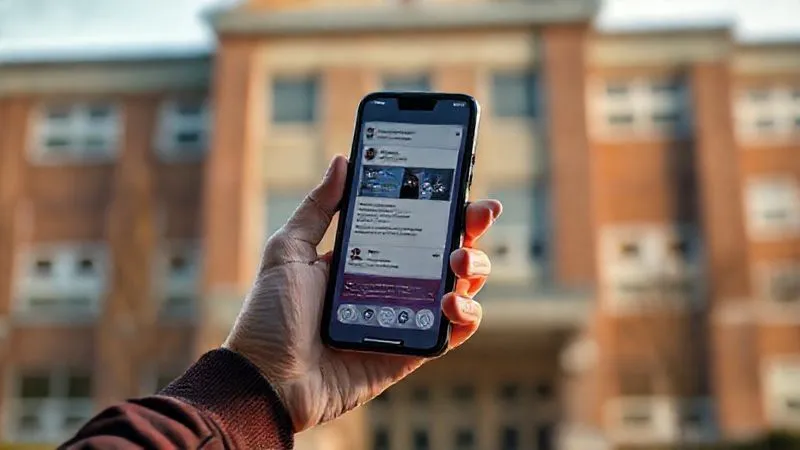
Cyberbullying, often originating off-campus, is a particularly thorny issue. While the speech itself may occur outside school, its effects—anxiety, depression, fear, and disruption—are profoundly felt within the school walls. Schools often have a stronger basis for intervention when off-campus cyberbullying creates a hostile educational environment for the victim, as this directly impedes their right to an education.
The Seven-Step Framework for Legally Sound Discipline
Based on my extensive experience, I've developed a seven-step framework designed to guide administrators through the process of disciplining students for off-campus speech, ensuring both effectiveness and constitutional compliance. Each step is critical.
Step 1: Establish a Clear, Constitutional Policy
Your school's student code of conduct must explicitly address off-campus speech and its potential impact on the school environment. This policy should be:
- Specific: Clearly define what types of off-campus speech are prohibited (e.g., threats, harassment, cyberbullying, incitement to violence) and under what circumstances (e.g., when it creates a substantial disruption or hostile environment).
- Publicly Available: Ensure all students and parents have easy access to the policy.
- Constitutionally Sound: Review your policy regularly with legal counsel to ensure it aligns with current legal precedents like Tinker and Mahanoy, avoiding overbroad language that could infringe on protected speech.
- Educational: Frame the policy not just as punitive, but as part of fostering responsible digital citizenship.
This proactive step is your first line of defense and provides the necessary foundation for any disciplinary action.
Step 2: Gather Comprehensive Evidence
Before any disciplinary action, meticulously collect all relevant evidence. This is where many schools fall short, leading to overturned decisions. Your evidence should clearly demonstrate the nature of the speech and its direct impact on the school.
- Screenshots and Digital Records: Capture exact copies of the speech (posts, messages, videos) with timestamps and URLs. Do not edit or alter them.
- Witness Statements: Obtain written statements from students, staff, or parents who witnessed the speech or experienced its impact.
- Impact Documentation: Record specific instances of disruption (e.g., increased absenteeism, fear among students, inability to focus in class, teacher complaints).
- Expert Analysis (if needed): For complex digital forensics, consider consulting outside experts, though this is rare for typical cases.
Step 3: Assess Nexus and Impact
This is the most critical juncture. You must establish a clear, direct, and significant connection (nexus) between the off-campus speech and a demonstrable, adverse impact on the school. Ask yourself:
- Was the speech directed at the school community (students, staff, school events)?
- Did it explicitly reference the school or school-related activities?
- Did it cause a material and substantial disruption to school operations, or create a hostile educational environment?
- Was there a foreseeable risk of such disruption or harm?
Expert Tip: A strong nexus isn't just about the content, but its demonstrable effect on the school environment, student safety, or educational mission. Document every observed impact, linking the off-campus speech directly to the on-campus consequences. Without this, your disciplinary action is vulnerable.
Step 4: Conduct a Fair and Thorough Investigation
Once you have evidence, conduct an impartial investigation. This includes:
- Interviewing All Parties: Speak with the student(s) involved, alleged victims, and any witnesses.
- Providing Notice: Inform the student of the allegations against them and the evidence gathered.
- Opportunity to Respond: Give the student a chance to explain their side of the story, present their own evidence, or identify other witnesses.
- Impartial Decision-Maker: Ensure the person making the disciplinary decision is not biased and has reviewed all evidence objectively.
Step 5: Apply Progressive Discipline, Proportionate to Harm
Disciplinary action must be appropriate to the severity of the offense and its impact. Consider the student's age, intent, prior disciplinary record, and the actual harm caused. Avoid a one-size-fits-all approach.
| Severity of Impact | Recommended Action |
|---|---|
| Low (e.g., minor disruption, vulgarity without specific target) | Warning, counseling, restorative practices, digital citizenship education |
| Medium (e.g., targeted harassment, minor threat, academic dishonesty) | In-school suspension, behavioral contract, parent meeting, community service |
| High (e.g., credible threat of violence, severe cyberbullying creating hostile environment) | Out-of-school suspension, expulsion proceedings, law enforcement referral (if applicable) |
The goal is not just punishment, but also education and remediation. Progressive discipline allows for teaching moments while addressing the harm caused.
Step 6: Ensure Due Process Rights are Met
Students have a constitutional right to due process. The level of process required depends on the severity of the potential discipline. For minor discipline (e.g., short suspension), informal notice and an opportunity to explain may suffice. For more severe discipline (e.g., long-term suspension or expulsion), more formal procedures are necessary:
- Written Notice: Inform the student and parents of the charges, the evidence, and the potential consequences.
- Formal Hearing: Provide a chance to present evidence, call witnesses, and cross-examine adverse witnesses (though schools have flexibility here).
- Right to Appeal: Offer a clear process for appealing the disciplinary decision.
Step 7: Document Everything Meticulously
From the initial complaint to the final disciplinary action, maintain thorough and accurate records. This includes:
- Copies of the off-campus speech and evidence of its impact.
- Dates and times of all interviews and meetings.
- Summaries of witness statements.
- Records of all communication with students and parents.
- The rationale for the disciplinary decision.
- Records of any appeals and their outcomes.
Comprehensive documentation is your strongest ally if a disciplinary decision is challenged legally.
Navigating Specific Challenges: Threats, Harassment, and Impersonation
While the seven-step framework applies broadly, certain types of off-campus speech present unique challenges, requiring nuanced application of the law. Threats of violence, for instance, often warrant immediate and decisive action, potentially involving law enforcement, while persistent cyberbullying demands a multi-faceted approach.
Case Study: The "Anonymous Rant" and School Morale
Consider the case of Northwood High School. A student, let's call her Jane, posted an anonymous rant on a popular local social media forum, off-campus and after school hours. The post, rife with vulgar language, accused several teachers and administrators of incompetence and favoritism, specifically naming them and making disparaging comments about their professionalism. While no direct threats were made, the post quickly gained traction among students, leading to widespread gossip, a noticeable dip in teacher morale, and a palpable tension in classrooms. Teachers reported feeling undermined, and some students expressed discomfort and a sense of a hostile learning environment.
Northwood followed the framework: First, their clear policy on digital conduct and respectful communication, even off-campus, provided a foundation. Second, administrators gathered comprehensive evidence: screenshots of the post, timestamps, and statements from affected teachers and students detailing the impact on morale and classroom environment. They carefully assessed the nexus, determining that despite being anonymous and off-campus, the post directly targeted school personnel by name and demonstrably created a hostile work and learning environment, impacting the school's educational mission. After a thorough, confidential investigation, and with legal counsel, they identified Jane through digital forensics (with parental cooperation). Due process was afforded, and Jane received a short suspension, coupled with mandatory digital citizenship counseling and a restorative justice meeting with affected staff (which she voluntarily attended). This proportional response addressed the harm while educating the student, adhering to constitutional principles.

The Role of Restorative Practices and Educational Interventions
As I often tell school leaders, discipline isn't just about punishment; it's about teaching and guiding students toward responsible digital citizenship. Restorative practices can be powerful tools when addressing off-campus speech that impacts the school community. These approaches focus on repairing harm, fostering understanding, and reintegrating students, rather than simply imposing punitive measures.
Incorporating restorative justice circles, peer mediation, and mandatory digital citizenship courses can be highly effective. These interventions teach students about the real-world consequences of their online actions, empathy for those affected, and the responsibilities that come with free speech. This proactive education can significantly reduce future incidents and build a more positive school culture.
Legal Pitfalls to Avoid: Common Mistakes Schools Make
Even with good intentions, schools can inadvertently make missteps that lead to legal challenges. I've seen these mistakes countless times, and they often stem from a misunderstanding of constitutional boundaries or a lack of procedural rigor.
- Overreach: Disciplining speech that, while offensive, does not meet the "substantial disruption" or "specific impact" criteria outlined in Tinker and Mahanoy. This is the most common error.
- Inconsistent Application: Applying disciplinary policies unevenly, leading to claims of discrimination or unfair treatment.
- Lack of Clear Policy: Attempting to discipline students without a pre-existing, clearly communicated policy that addresses off-campus speech.
- Insufficient Evidence: Relying on hearsay, rumors, or incomplete digital evidence.
- Ignoring Due Process: Failing to provide adequate notice, opportunity to be heard, or a fair investigation, especially for severe disciplinary actions.
- Monitoring Private Accounts: Attempting to compel students to provide access to their private social media accounts without a warrant or compelling legal justification, which often violates privacy rights.
- Failure to Document: Not keeping meticulous records of the entire process, from incident report to final decision.
Building a Proactive Strategy: Policy Development and Training
The best defense against legal challenges and disruptive off-campus speech is a robust, proactive strategy. This involves not just reacting to incidents, but building a culture of responsible digital citizenship and ensuring all stakeholders understand their roles and rights.
| Component | Key Elements |
|---|---|
| Student Code of Conduct | Clear definitions of off-campus speech, potential impacts, disciplinary actions, due process procedures, alignment with Tinker/Mahanoy |
| Staff Training Program | Legal updates on student speech (Tinker, Mahanoy), evidence collection protocols, fair investigation techniques, restorative justice applications, identifying cyberbullying |
| Parent/Community Engagement | Workshops on digital citizenship, open forums for policy feedback, clear communication channels for reporting concerns, resources for online safety |
| Digital Citizenship Curriculum | Integrated lessons on online ethics, privacy, cyberbullying prevention, responsible social media use, consequences of online actions |
Regular training for administrators, teachers, and staff on the evolving legal landscape of student speech is paramount. This ensures consistent application of policies and a clear understanding of what constitutes a actionable offense versus protected speech. Furthermore, engaging parents and the broader community in discussions about digital citizenship fosters a shared responsibility for student conduct online.
Frequently Asked Questions (FAQ)
Q: What if the off-campus speech is anonymous? Can we still discipline? A: Disciplining anonymous speech presents a significant challenge due to the difficulty of attribution. While schools generally cannot discipline a student without confirming their identity, if the anonymous speech clearly creates a substantial disruption or threat to the school environment, and the school can legally and reliably identify the student responsible (e.g., through digital forensics or credible witness accounts that don't violate privacy laws), then disciplinary action may be possible. However, proceed with extreme caution and seek legal counsel, as identifying anonymous speakers can involve complex legal and ethical issues.
Q: Does parental consent matter for disciplining off-campus speech? A: Parental consent is generally not required for a school to investigate or discipline a student for off-campus speech that impacts the school. Schools operate under their own authority to maintain order and provide an education. However, involving parents early in the process, informing them of allegations, and seeking their cooperation can often lead to more constructive outcomes and reduce legal challenges. Parental involvement is crucial for supporting disciplinary actions and educational interventions.
Q: How do we differentiate between protected speech and disruptive speech in the context of off-campus activities? A: This is the core challenge. Protected speech often involves expressing opinions, even unpopular ones, that do not directly threaten, harass, or substantially disrupt the school. Disruptive speech, as defined by Tinker and refined by Mahanoy, is speech that creates a foreseeable risk of substantial disruption to the school environment, invades the rights of others (e.g., severe bullying), or pertains to specific school interests like threats, academic integrity, or misuse of school technology. The key is to focus on the demonstrable impact on the school, not merely the content of the speech itself.
Q: What if the off-campus speech involves potential criminal activity? A: If off-campus speech (e.g., credible threats of violence, hate speech that incites violence, child pornography, or severe cyberstalking) also constitutes a potential criminal offense, schools have a dual responsibility. They must address the school-related impact through their disciplinary process and also involve law enforcement as appropriate. Schools should have clear protocols for reporting potential crimes to the police, ensuring that student and staff safety takes precedence.
Q: Can schools monitor students' private social media accounts if they suspect off-campus misconduct? A: Generally, no. Students have a reasonable expectation of privacy in their private social media accounts. Schools typically lack the authority to demand access to private accounts without a warrant or other legal process. However, if the content is publicly accessible (e.g., a public post on Instagram or Facebook), or if it is voluntarily brought to the school's attention by another student or parent, then the school can review it as evidence. Schools must be very careful not to engage in surveillance that infringes upon students' Fourth Amendment rights.
Key Takeaways and Final Thoughts
- The legal landscape for disciplining off-campus speech is nuanced, balancing student First Amendment rights with the school's need to maintain order.
- Landmark cases like Tinker and Mahanoy define the boundaries, emphasizing that schools must prove a substantial disruption or direct impact on the school environment.
- A proactive approach with clear, constitutional policies and regular staff training is essential.
- The seven-step framework (Policy, Evidence, Nexus, Investigation, Discipline, Due Process, Documentation) provides a robust guide for administrators.
- Prioritize educational and restorative practices alongside disciplinary measures to foster responsible digital citizenship.
- Always seek legal counsel when in doubt, especially for complex or sensitive cases, to ensure your actions are legally sound and defensible.
Navigating the complexities of off-campus speech requires vigilance, empathy, and a deep understanding of constitutional law. By adhering to a structured, legally sound framework, you can protect your students, maintain a conducive learning environment, and uphold the constitutional rights that define our educational system. The responsibility is immense, but with the right approach, you can confidently address these challenges and ensure your school remains a safe and productive space for all.
Recommended Reading
- Customary International Law & Emerging Tech: 7 Keys to Determination
- Chapter 11 DIP Financing: 7 Urgent Steps to Secure Critical Capital
- 5 Steps: Legally Challenging a State Law Violating an Amendment
- 7 Steps: How to Accurately Value Pain & Suffering in Injury Settlements
- 7 Deceptive Debt Collection Practices: What Federal Law Says You Need to Know




Comments
Leave a comment below. Your email will not be published. Required fields marked with *