


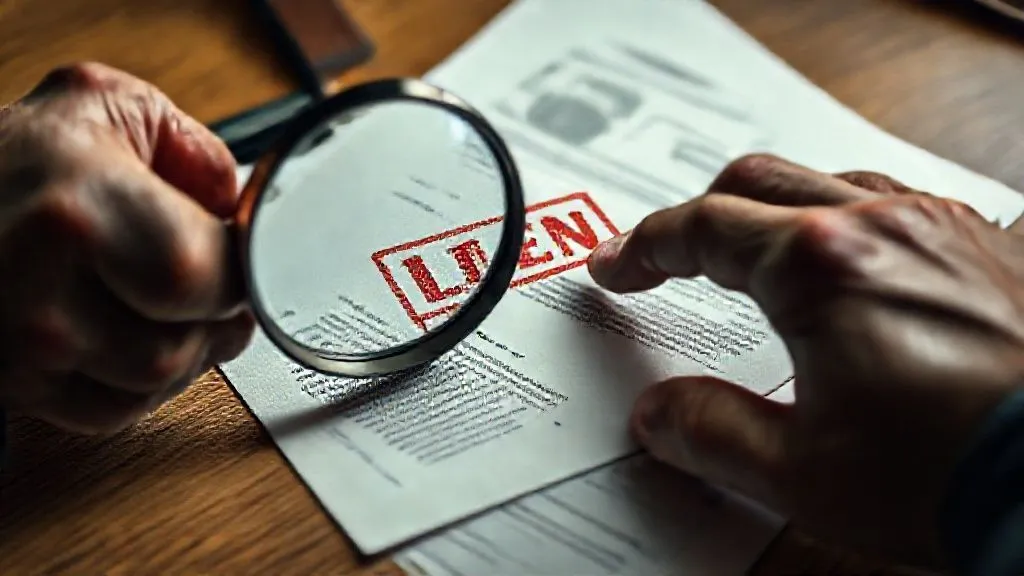
How to Effectively Dispute a Wrongful Property Tax Lien?
For over 15 years in real estate law, I've witnessed the profound distress and financial strain that a wrongful property tax lien can inflict upon homeowners. It's a situation I've guided countless clients through, and I can tell you, the initial shock and panic are universal. Many feel helpless, as if their most valuable asset is suddenly under siege, often for a debt they don't even owe.
The problem isn't just the lien itself; it's the ripple effect. A wrongful property tax lien can cloud your title, making it impossible to sell or refinance your home. It can lead to penalties, interest, and, in the most extreme cases, even foreclosure. The administrative hurdles can seem insurmountable, and the legal jargon can be utterly bewildering, leaving property owners feeling isolated and powerless against a seemingly faceless bureaucracy.
But I'm here to tell you that you are not powerless. In this definitive guide, I will share the exact strategies, actionable frameworks, and expert insights I've developed over years of practice, empowering you with a clear, step-by-step roadmap on how to effectively dispute a wrongful property tax lien. We'll explore everything from verifying the lien's validity to advanced legal avenues, ensuring you have the knowledge to protect your property and peace of mind.
Understanding the Anatomy of a Property Tax Lien
Before we dive into dispute strategies, it's crucial to understand what a property tax lien truly is. Essentially, it's a legal claim placed on your property by a local or state government for unpaid property taxes. This claim acts as security for the unpaid debt, allowing the taxing authority to eventually seize and sell the property if the taxes remain unpaid. While most liens are legitimate, wrongful ones do occur, often due to a range of errors.
Common reasons for a wrongful property tax lien can include clerical errors at the assessor's office, misapplication of payments, mistaken identity, or even fraudulent activity. Sometimes, properties are incorrectly assessed, leading to an inflated tax bill that the owner disputes. Other times, a previous owner's unpaid taxes might incorrectly follow the property to a new, innocent owner. Understanding these potential origins is your first line of defense.
In my experience, vigilance is your greatest asset. Don't assume the government agency is infallible. Mistakes happen, and it's your responsibility to catch them.
The Critical First Step: Verifying the Lien's Validity
The moment you suspect a wrongful lien, your immediate action must be verification. Do not panic, but do act swiftly. This initial phase is about gathering facts and confirming the existence and details of the lien. You need to obtain official records directly from the source.
Start by contacting your local county assessor's office, tax collector, or recorder's office. Request a copy of the official lien notice and any supporting documentation. This typically includes the original assessment notice, tax bills, payment records associated with the lien, and the precise legal description of the property. Scrutinize every detail – the property address, parcel number, owner's name, the tax period in question, and the specific amount claimed.
Here's a checklist of documents you'll need to scrutinize:
- Official Lien Notice/Certificate of Delinquency
- Property Tax Assessment Records
- All Tax Bills for the Period in Question
- Proof of Ownership (Deed, Title Report)
- Any Correspondence from the Taxing Authority
Confirming these details against your own records is paramount. A simple typo in a parcel number or a misidentified owner can be the key to unlocking your dispute.

Building Your Case: Gathering Irrefutable Evidence
Once you've verified the lien and identified the potential error, the next crucial step is to meticulously gather evidence that supports your claim of a wrongful lien. This is where your attention to detail and organizational skills will truly pay off. Think of yourself as building a legal fortress around your property, brick by brick, with each piece of evidence serving as a vital component.
Your evidence should directly refute the basis of the lien. If the lien claims non-payment, you need proof of payment. If it's based on an incorrect assessment, you need evidence of the true property value or a correct assessment. Here are common types of evidence:
- Payment Records: This is often the strongest evidence. Gather cancelled checks, bank statements showing payments, credit card statements, online payment confirmations, or receipts from the tax collector's office. Ensure these documents clearly show the date, amount, and recipient.
- Property Records: If the lien is due to an incorrect property description or ownership error, provide your deed, title insurance policy, property survey, or official property plat maps.
- Appraisal Reports: For disputes involving inflated assessments, a recent professional appraisal by a certified appraiser can be invaluable. It provides an independent valuation of your property.
- Affidavits/Witness Statements: In cases of identity theft or clerical errors, sworn statements from individuals who can corroborate your story (e.g., a bank official confirming a payment error) can be helpful.
- Correspondence: Keep copies of all letters, emails, or faxes exchanged with the taxing authority, especially if they acknowledge an error or provide conflicting information.
Case Study: How Ms. Henderson Overturned a Clerical Lien
Ms. Henderson, a retired teacher, received a notice of a property tax lien for $3,500, claiming unpaid taxes from three years prior. She was certain she had paid every tax bill on time. Initially, she was overwhelmed, but following my advice, she systematically gathered her evidence. She found a cancelled check image from her bank statement for the exact amount and tax period in question, along with a confirmation email from the county's online payment portal. The county's records, upon initial review, showed a payment for her parcel number, but it had been incorrectly applied to a different property with a similar address. By presenting her irrefutable proof of payment and pointing out the clerical misapplication, Ms. Henderson was able to have the lien immediately removed. This resulted in her avoiding penalties and the stress of a clouded title, all thanks to meticulous record-keeping and proactive evidence gathering.
According to a study published by the Lincoln Institute of Land Policy, clerical errors and incorrect assessments account for a significant percentage of property tax disputes, underscoring the importance of thorough documentation on the homeowner's part. Always cross-reference your records with official statements to catch these discrepancies early.
For general information on understanding tax liens from a federal perspective, the IRS website offers useful insights, though local property tax liens operate under state and county laws.Navigating the Administrative Appeals Process
With your evidence in hand, you're ready to formally dispute the lien. Most jurisdictions have a multi-tiered administrative appeals process designed to resolve such issues without immediate recourse to the courts. This is often the most cost-effective and efficient route.
Informal Resolution with the Assessor's Office
Your first step should typically be an informal meeting or communication with the local assessor's office or tax collector. Schedule an appointment if possible, or send a detailed letter with all your supporting documentation. Be polite, professional, and clear. Present your evidence logically and explain exactly why you believe the lien is wrongful. In many cases, a clear error can be resolved at this stage without further escalation.
It's crucial to understand their internal processes and deadlines. Missing a deadline for an informal review can jeopardize your ability to pursue more formal appeals later.
Formal Administrative Review or Appeal Board
If informal resolution fails, or if the initial review confirms the lien, you will likely need to proceed to a formal administrative appeal. This involves filing a specific appeal form (often with a fee) and presenting your case before a property tax appeal board or similar review body. This hearing is more formal, often requiring you to present your evidence and arguments, and sometimes answer questions from the board members.
Key aspects of the formal appeal process:
- Strict Deadlines: These are non-negotiable. Missing a deadline almost certainly means forfeiting your right to appeal for that tax year.
- Required Forms: Ensure you use the correct forms provided by your local jurisdiction.
- Presentation: Organize your evidence clearly. Prepare a concise summary of your argument. Practice what you'll say.
- Decision: The board will issue a decision, which may affirm, modify, or overturn the lien.
| Aspect | Process | Timeline | Cost | Formality | Outcome |
|---|---|---|---|---|---|
| Informal Resolution | Direct communication with tax office, present evidence | Varies, often quicker | Low (time, copying) | Low | Office may correct error or uphold lien |
| Formal Appeal | File appeal form, present case to board | Weeks to months | Moderate (fees, potential legal advice) | High | Board decision (uphold, modify, overturn) |
When to Engage Legal Counsel: The Strategic Advantage
While many wrongful liens can be resolved through diligent self-advocacy in the administrative process, there are specific circumstances where engaging legal counsel is not just advisable, but essential. As a real estate attorney, I've seen firsthand how a lawyer's expertise can be the decisive factor in complex or high-stakes disputes.
Consider seeking legal assistance if:
- The Lien Amount is Substantial: The financial risk justifies the investment in legal fees.
- The Case is Complex: Involving multiple properties, intricate ownership structures, or highly technical assessment disputes.
- You've Exhausted Administrative Remedies: If the appeal board has upheld the lien and you believe an error persists, your next step is often judicial review, which requires legal representation.
- The Taxing Authority is Uncooperative: If you're met with resistance or stonewalling despite clear evidence, a lawyer can navigate the bureaucracy more effectively.
- There's a Threat of Foreclosure: This is an emergency situation where immediate legal intervention is critical to protect your home.
- You Suspect Fraud or Identity Theft: These cases often involve criminal elements and require specialized legal knowledge.
A skilled real estate attorney specializing in property tax matters can offer invaluable strategic advantages. They understand the nuances of property tax law, the specific administrative procedures in your jurisdiction, and how to present the strongest possible case. They can also represent you in court if the dispute escalates beyond administrative appeals, significantly increasing your chances of a favorable outcome.

Beyond Appeals: Advanced Strategies and Legal Avenues
Sometimes, even after exhausting the administrative appeals process, a wrongful lien might persist. In such situations, more advanced legal strategies and judicial avenues become necessary. These typically require the expertise of an attorney specializing in real estate litigation.
Quiet Title Actions
One of the most powerful tools in a property owner's arsenal is a "quiet title action." This is a lawsuit filed in state court to establish a party's title to real property against adverse claims. If a wrongful tax lien is clouding your title, a quiet title action can ask the court to declare that the lien is invalid and remove it from your property records. This is particularly useful when the lien is old, based on questionable historical records, or its validity is disputed on fundamental legal grounds.
Declaratory Judgments
Similar to a quiet title action, a declaratory judgment is a court order that declares the rights and obligations of parties without ordering a specific action or awarding damages. In the context of a wrongful tax lien, you might seek a declaratory judgment stating that the lien is void, invalid, or unenforceable due to specific legal or factual errors. This provides legal clarity and resolves the uncertainty surrounding your property's title.
Statute of Limitations Defense
Every legal action, including the enforcement of a tax lien, is subject to a "statute of limitations." This is a law that sets the maximum time after an event within which legal proceedings may be initiated. If the taxing authority fails to enforce the lien within the statutory period (which varies by state and type of tax), the lien may become unenforceable. An experienced attorney can research the applicable statute of limitations in your jurisdiction and use it as a powerful defense against an aged, wrongful lien.
The Legal Information Institute at Cornell Law School provides a concise definition and explanation of quiet title actions.Protecting Yourself from Future Wrongful Liens
An ounce of prevention is worth a pound of cure, especially when it comes to property tax liens. Once you've successfully disputed a wrongful lien, implementing proactive measures can help safeguard your property against future issues. This involves a combination of diligent record-keeping and active monitoring.
- Maintain Meticulous Records: Keep all property tax bills, payment confirmations, assessment notices, and any correspondence with the taxing authority organized and accessible for at least 7-10 years. Digital copies backed up in the cloud are highly recommended.
- Monitor Your Property Records: Regularly check your county's public records for any unexpected filings against your property. Many counties offer online portals where you can search for liens or encumbrances associated with your parcel number. Consider signing up for any property fraud alert services your county may offer.
- Review Assessment Notices Carefully: Each year, when you receive your property assessment notice, don't just glance at it. Verify the property description, the assessed value, and any exemptions applied. If anything seems incorrect, challenge it immediately through the proper channels.
- Confirm Payment Application: After making a property tax payment, follow up within a few weeks to ensure the payment has been correctly applied to your account and property. Don't assume.
- Understand Exemptions: Ensure you are taking advantage of any applicable homestead exemptions, senior exemptions, or other property tax relief programs you qualify for.

Frequently Asked Questions (FAQ)
Q: What if the county claims I never paid, but I have proof? A: This is a common scenario. Your proof of payment (cancelled checks, bank statements, receipts) is paramount. Present it clearly to the tax authority. If they still refuse to acknowledge it, you'll proceed to the formal appeals process, and potentially legal counsel, armed with your irrefutable evidence. The burden will shift to them to explain why their records are incorrect despite your proof.
Q: Can a wrongful lien affect my credit score? A: Generally, property tax liens are public records but do not directly appear on your personal credit report in the same way a credit card debt or mortgage would. However, they can significantly impact your ability to secure new loans, refinance your home, or sell your property, as lenders and buyers will discover the lien during title searches. The indirect impact on your financial standing can be substantial.
Q: How long does the dispute process usually take? A: The timeline varies widely depending on the complexity of the case and the efficiency of your local taxing authority. An informal resolution might take a few weeks. A formal administrative appeal could take several months. If the dispute escalates to court, it could potentially take a year or more. Patience and persistence are key.
Q: What are the costs involved in disputing a lien? A: Initial steps like gathering documents and informal communication typically involve minimal costs (copying, postage). Formal administrative appeals might have small filing fees. If you engage legal counsel, attorney fees will be the most significant cost, which can range from a few hundred to several thousand dollars depending on the complexity and duration of the case. Weigh these costs against the potential financial loss of an unresolved lien.
Q: Can I sell my property with a disputed lien on it? A: It is extremely difficult, if not impossible, to sell or refinance property with an active lien, even if it's disputed. A lien clouds the title, and most buyers and lenders will not proceed until the lien is cleared or formally discharged. Resolving the lien is almost always a prerequisite to any property transaction.
Key Takeaways and Final Thoughts
Disputing a wrongful property tax lien can feel like an uphill battle, but with the right knowledge and a methodical approach, it's a battle you absolutely can win. The key lies in understanding the process, meticulously gathering your evidence, and knowing when to escalate your efforts, including seeking professional legal guidance.
- Act Swiftly and Verify: Don't delay. Confirm the lien's details immediately.
- Document Everything: Your evidence is your strongest weapon.
- Navigate Appeals Systematically: Start informal, then formal. Know the deadlines.
- Engage Counsel Strategically: Lawyers are invaluable for complex cases or when administrative remedies fail.
- Prevent Future Issues: Maintain records and monitor your property.
Remember, your property is likely your most significant asset, and it's worth fighting for. By following the steps outlined in this guide, you equip yourself with the tools and confidence to effectively challenge a wrongful property tax lien, protect your investment, and reclaim your peace of mind. Be persistent, be thorough, and don't hesitate to seek expert help when the situation demands it. You have the power to resolve this.
Recommended Reading
- Stop Lawsuits: 7 Steps for Legally Investigating Workplace Misconduct
- 5 Expert Strategies: How to Expedite Federal Permit Approval Delays
- 5 Steps: Property Owner Denies Control Over Hazard? Your Legal Recourse
- Child Abducted to Non-Hague Country? 7 Steps to Recovery
- Prove Due Process Violations: Your 7-Step Guide to Administrative Appeals





Comments
Leave a comment below. Your email will not be published. Required fields marked with *