



How to Ethically Defend a Top Athlete Facing a Doping Ban?
For over two decades in the intricate world of sports law, I've witnessed firsthand the seismic impact a doping allegation can have on an athlete's career, reputation, and personal life. It's not merely about winning or losing a case; it's about navigating a moral minefield where the pursuit of justice for an individual must align with the broader integrity of sport.
The problem is profound: a top athlete, years of dedication, sacrifice, and peak performance, suddenly faces a career-ending ban. The accusations are public, the media frenzy intense, and the athlete's world crumbles. As their legal counsel, you're not just a lawyer; you become their shield, their strategist, and their last line of defense against a system designed to protect sport, sometimes at the expense of individual nuances. The ethical tightrope walk involves zealous advocacy without compromising truth or perpetuating deceit.
In this definitive guide, I will share the critical ethical pillars and actionable frameworks I've developed over years of experience. You'll learn how to construct a robust defense, leveraging scientific, legal, and communicative strategies, all while maintaining the highest standards of integrity. This isn't just theory; it's a practical roadmap based on real-world challenges and triumphs in defending athletes facing the ultimate sporting sanction.
The Unseen Battle: Understanding the Stakes Beyond the Ban
When an athlete is accused of doping, the immediate focus is often on the ban itself – the length, the implications for upcoming competitions. However, as an experienced practitioner, I've learned that the battle extends far beyond the immediate sanction. We're fighting for much more than just a competition slot.
The Athlete's Career and Reputation
A doping ban can irrevocably tarnish an athlete's reputation, affecting endorsements, future coaching opportunities, and their legacy. Even if later exonerated, the shadow of suspicion can linger for years. I've seen athletes struggle to regain trust, even after proving their innocence. The ethical defense, therefore, must consider not just the legal outcome but the long-term reputational damage control.
The Integrity of Sport Itself
Anti-doping bodies operate under the fundamental principle of protecting the integrity and fairness of sport. While our primary duty is to our client, an ethical defense acknowledges this broader context. We are part of a system that, ideally, seeks truth. Our role is to ensure that truth is fully and fairly presented, not to undermine the system through dishonest means. It's a delicate balance of advocating fiercely for the individual while respecting the foundational principles of clean sport.
"In sports law, our ethical compass must always point towards truth and fairness, understanding that defending an individual's career is inextricably linked to upholding the integrity of the game itself."
Pillar 1: Upholding Veracity – The Foundation of Ethical Defense
The bedrock of any ethical defense is an unwavering commitment to veracity. This doesn't mean blindly accepting an athlete's narrative; it means conducting a thorough, independent investigation to establish the facts, however inconvenient they may be. My first step with any new client facing doping allegations is always a deep dive into the truth.
This means going beyond what the athlete tells you initially. Athletes, under immense stress, might omit details or misremember events. Our job is to piece together the full picture, cross-referencing every piece of information. This diligence ensures that the defense built is robust and founded on verifiable facts, not conjecture or wishful thinking.
Initial Steps in Establishing Veracity:
- Comprehensive Athlete Interview: Conduct multiple, detailed interviews. Ask open-ended questions and listen intently. Document everything.
- Review Athlete's History: Examine past medical records, TUEs (Therapeutic Use Exemptions), supplement lists, travel history, and training logs.
- Independent Fact-Finding: Interview support staff, coaches, doctors, and even family members if relevant. Seek out any potential witnesses or corroborating evidence.
- Forensic Analysis: If necessary, engage experts to analyze supplements, food, or other potential sources of contamination.
According to the World Anti-Doping Code, strict liability applies in many cases, meaning the athlete is responsible for any prohibited substance found in their system, regardless of intent. This makes the burden of proving 'no fault or negligence' or 'no significant fault or negligence' incredibly high. Our ethical duty is to find the factual basis for such claims, not invent them.

Pillar 2: Navigating the WADA Code with Precision and Expertise
The World Anti-Doping Code is a complex, ever-evolving document that forms the backbone of global anti-doping regulations. Ethical defense demands not just familiarity but mastery of its nuances, its International Standards, and its case law. I've spent countless hours dissecting its provisions, understanding how they apply to specific circumstances.
Understanding the Code means knowing not just the prohibited list, but the definitions of 'presence,' 'use,' 'administration,' and the various types of 'no fault or negligence.' It means grasping the burden of proof, the specific procedural rights of the athlete, and the jurisdiction of various tribunals.
Interpreting Key WADA Code Articles:
- Article 2 (Anti-Doping Rule Violations): Precisely identify which specific violation the athlete is accused of (e.g., presence, use, evasion, tampering).
- Article 10 (Sanctions): Understand the range of sanctions, including potential reductions based on 'no fault or negligence' (Article 10.4) or 'no significant fault or negligence' (Article 10.5).
- Article 11 (Consequences for Teams): Be aware of potential team sanctions if multiple athletes are involved.
- Article 13 (Appeals): Know the appeal pathways, typically to the Court of Arbitration for Sport (CAS) or national tribunals.
Case Study: The Misunderstood Supplement
Case Study: How Athlete X Avoided a Four-Year Ban
Athlete X, a prominent track and field star, tested positive for a prohibited anabolic agent. The initial sanction proposed was four years. Through meticulous investigation, my team uncovered that the substance was a trace contaminant in a common, commercially available supplement that Athlete X had been taking for years, which itself was not on the prohibited list. We demonstrated that the supplement manufacturer had changed its production process without adequate quality control, leading to cross-contamination. By leveraging Article 10.5.1 of the WADA Code (No Significant Fault or Negligence), combined with independent lab analysis proving the trace amount and the lack of performance-enhancing effect, we argued for a reduced sanction. The tribunal ultimately agreed, reducing the ban to six months, allowing Athlete X to return to competition significantly sooner, effectively saving their career. This success hinged on proving the *source* of the substance and the athlete's lack of knowing involvement.
This case highlights that simply denying guilt is insufficient. An ethical defense requires proving *how* the substance entered the athlete's system and demonstrating their degree of fault or lack thereof. For more detailed information, I always refer to the official WADA website.
Pillar 3: Strategic Communication – Managing Narrative and Public Perception
In the digital age, a doping allegation doesn't just play out in a courtroom; it unfolds in the court of public opinion. Ethical defense extends to managing the narrative surrounding the athlete, ensuring that information is accurate, respectful, and strategically released. This isn't about spin; it's about truthful representation.
I've seen careers destroyed not just by the ban, but by the mishandling of public relations. A well-crafted, honest communication strategy can protect an athlete's long-term reputation, even if a sanction is unavoidable. Conversely, a poorly managed response can amplify negative perceptions and erode trust.
Principles of Ethical Crisis Communication:
- Timeliness: Respond promptly to allegations, even if it's just to state that an investigation is underway.
- Transparency (within legal bounds): Share what can be shared, when appropriate, to counter speculation.
- Consistency: Ensure all messaging, from legal statements to social media posts, is aligned.
- Empathy: Acknowledge the seriousness of the situation and the impact on all stakeholders.
- Truthfulness: Never knowingly disseminate false information.
In an article for Harvard Business Review on crisis management, it's often emphasized that honesty and accountability are paramount. This holds true in sports law; an ethical defense seeks to clarify, not obfuscate.
| Communication Strategy | Description | Ethical Impact |
|---|---|---|
| Proactive & Transparent | Controlled release of facts, athlete's perspective, immediate response to allegations. | Builds trust, counters misinformation, maintains athlete dignity. |
| Reactive & Defensive | Responding only when forced, issuing blanket denials, minimal information sharing. | Fuels speculation, erodes public trust, implies guilt. |
| No Comment | Complete silence from the athlete and legal team. | Perceived as admission of guilt, allows media to control narrative, alienates supporters. |
Pillar 4: Leveraging Scientific and Medical Expertise
Modern anti-doping cases are rarely straightforward. They often hinge on complex scientific and medical evidence. An ethical defense demands that we engage with this complexity by collaborating with the best independent experts. This ensures that the scientific arguments presented are sound, credible, and defensible.
I regularly work with toxicologists, pharmacologists, endocrinologists, and sports medicine specialists. Their insights are invaluable in interpreting lab results, understanding metabolic pathways, and assessing the potential impact of substances. They help us challenge flawed testing procedures, identify contaminated products, or explain legitimate medical conditions requiring specific treatments.
Types of Expert Testimony in Doping Cases:
- Analytical Experts: To challenge the integrity of sample collection, chain of custody, or laboratory analysis (e.g., false positives, re-analysis).
- Pharmacology/Toxicology Experts: To explain the substance's properties, its metabolism, excretion rates, and potential sources of inadvertent ingestion.
- Medical Experts: To provide context for Therapeutic Use Exemptions (TUEs), medical conditions, or the physiological effects of substances.
- Hair/Blood Analysis Experts: For alternative testing methods or to establish a timeline of exposure.
Engaging these experts is not about finding someone to say what you want them to say. It's about seeking objective scientific truth. An ethical expert will provide an honest assessment, even if it's not entirely favorable to the athlete's case. Our role is to present the most credible scientific narrative possible.

Pillar 5: The Art of Advocacy – Presenting a Compelling, Ethical Case
Ultimately, the defense culminates in presenting the case before a tribunal, whether it's a national anti-doping panel or the Court of Arbitration for Sport (CAS). Ethical advocacy means presenting the most compelling case possible for your client, within the bounds of truth and professional conduct. It's about skilled persuasion, not deception.
This involves structuring arguments logically, presenting evidence clearly, and cross-examining witnesses fairly but rigorously. My experience has taught me that tribunals appreciate honesty and a well-reasoned argument, even if it's challenging their initial findings. Overly aggressive or dishonest tactics often backfire, eroding the trust essential for a fair hearing.
"Ethical advocacy is the art of illuminating the truth through meticulous preparation, reasoned argument, and unwavering respect for the judicial process, even when fiercely defending your client's rights."
Preparing for Hearings: A Step-by-Step Guide
- Draft Comprehensive Submissions: Clearly articulate the athlete's position, supported by all gathered evidence and expert reports.
- Prepare Witness Statements: Work with the athlete and any supporting witnesses to draft clear, concise, and truthful statements.
- Mock Hearings: Conduct practice sessions to prepare the athlete for cross-examination and to refine their testimony.
- Anticipate Opponent's Arguments: Strategize potential counter-arguments and prepare responses.
- Master Procedural Rules: Ensure full compliance with the specific procedural rules of the adjudicating body (e.g., CAS Code of Sports-related Arbitration).
The goal is to provide the tribunal with all the necessary information to make an informed and just decision. This often involves highlighting mitigating factors, demonstrating the athlete's character, and emphasizing their commitment to clean sport, alongside the scientific and legal arguments.
Proactive Measures: Education and Prevention for Future Integrity
My role as a sports law specialist often extends beyond defense to prevention. An ethical approach means not just reacting to problems but helping athletes and organizations avoid them in the first place. Education is a powerful tool in upholding the integrity of sport and protecting athletes' careers.
I frequently advise athletes and their support teams on the complexities of anti-doping regulations. This includes understanding the Prohibited List, the risks of supplements, and the importance of Therapeutic Use Exemptions (TUEs). Proactive measures build a culture of compliance and significantly reduce the likelihood of inadvertent doping violations.
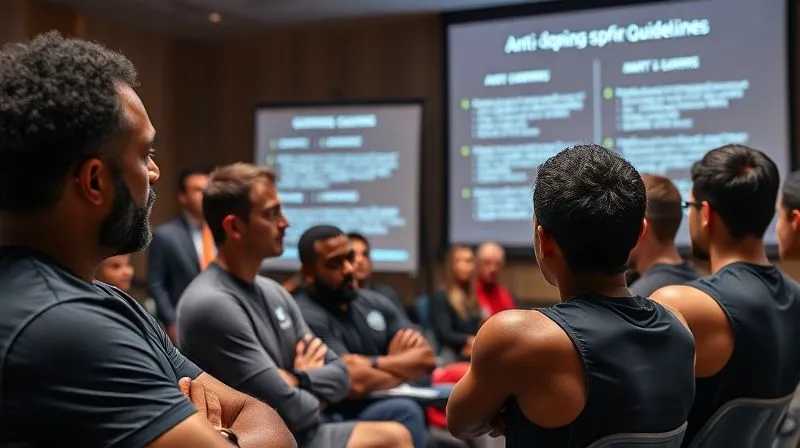
Key Areas for Athlete Education:
- Supplement Awareness: Educating on the high risk of contamination in over-the-counter supplements and the need for third-party testing certifications.
- TUE Process: Guiding athletes and medical staff through the stringent requirements for obtaining and maintaining TUEs for legitimate medical conditions.
- Whereabouts Filings: Stressing the critical importance of accurate and timely whereabouts information to avoid 'filing failures.'
- Risk Management: Advising on avoiding high-risk environments, such as unverified clinics or unregulated products.
- Anti-Doping Rule Violations (ADRVs): Ensuring athletes understand the full range of ADRVs, including tampering, evasion, and complicity, not just 'presence.'
Frequently Asked Questions (FAQ)
What if the athlete admits guilt early in the process? An admission of guilt, if truthful, can sometimes lead to a reduced sanction under the WADA Code's provisions for 'prompt admission' (Article 10.6.3). My role then shifts to ensuring the sanction is proportional, advocating for the lowest possible penalty, and managing the reputational fallout. It's about advising on the best ethical and strategic path, which may involve admitting fault and cooperating.
How do you handle anonymous tips leading to investigations? Anonymous tips are a common starting point for investigations. Ethically, we treat them as any other piece of information – they must be thoroughly investigated and corroborated. We challenge the validity and source of the tip if it's unsubstantiated, but we don't dismiss it outright without due diligence. Our focus remains on the evidence presented by the anti-doping organization.
What's the role of Provisional Suspensions, and how do you challenge them? A provisional suspension is an immediate temporary ban imposed after an adverse analytical finding, pending a full hearing. It's a significant blow, as it can sideline an athlete for months. Ethically, we must assess the strength of the anti-doping organization's case and the likelihood of success in challenging the provisional suspension. This often involves demonstrating that the athlete has a strong defense on the merits, or that the procedural requirements for the provisional suspension were not met.
Can an athlete continue training during a doping ban? The WADA Code stipulates that athletes under a ban cannot participate in any capacity in any competition or activity organized by a signatory to the Code. This includes training with sanctioned teams or coaches. There are very limited exceptions, typically for the final months of a long ban, to allow for preparation for return. Ethically, we must ensure the athlete fully understands and adheres to these restrictions to avoid further violations.
What are the long-term career implications even after exoneration? Even after a full exoneration, the stigma of a doping allegation can persist. Sponsors may be wary, and public perception can be slow to change. Our ethical duty extends to post-case support, including assisting with reputation rehabilitation, rebuilding trust with stakeholders, and providing guidance on navigating the challenges of returning to sport. It's about protecting the athlete's holistic well-being.
Key Takeaways and Final Thoughts
Defending a top athlete facing a doping ban is one of the most challenging and ethically demanding areas of sports law. It requires not just legal acumen but a profound commitment to integrity, empathy, and strategic foresight. My journey through countless such cases has solidified my belief that a robust defense is always an ethical one, grounded in truth and meticulous preparation.
- Uphold Veracity: Always start with a thorough, independent investigation of the facts.
- Master the WADA Code: Precision in understanding and applying the rules is non-negotiable.
- Manage the Narrative: Strategic and truthful communication protects reputation beyond the legal outcome.
- Leverage Scientific Expertise: Engage independent experts to validate or challenge scientific evidence.
- Practice Ethical Advocacy: Present a compelling, reasoned case based on truth and fairness.
The stakes are incredibly high, not just for the athlete's career but for the integrity of sport itself. By adhering to these ethical pillars, we can ensure that every athlete receives a fair hearing, that justice is pursued with diligence, and that the spirit of clean competition is ultimately protected. It's a journey that demands courage, conviction, and an unwavering dedication to the principles of fair play, both on and off the field.
Recommended Reading
- 5 Critical Steps: Protecting Business Assets After a Key Employee Plea Deal
- Green Building Gaps: 7 Legal Liabilities You Must Understand Now
- 5 Legal Steps to Convert 1099 Contractors to W2 Employees Safely
- Unmasking the Culprits: Who is Legally Responsible for Contaminated Land Cleanup?
- 5 Critical Steps: Disclosing Your Invention Without Losing Patent Rights





Comments
Leave a comment below. Your email will not be published. Required fields marked with *