


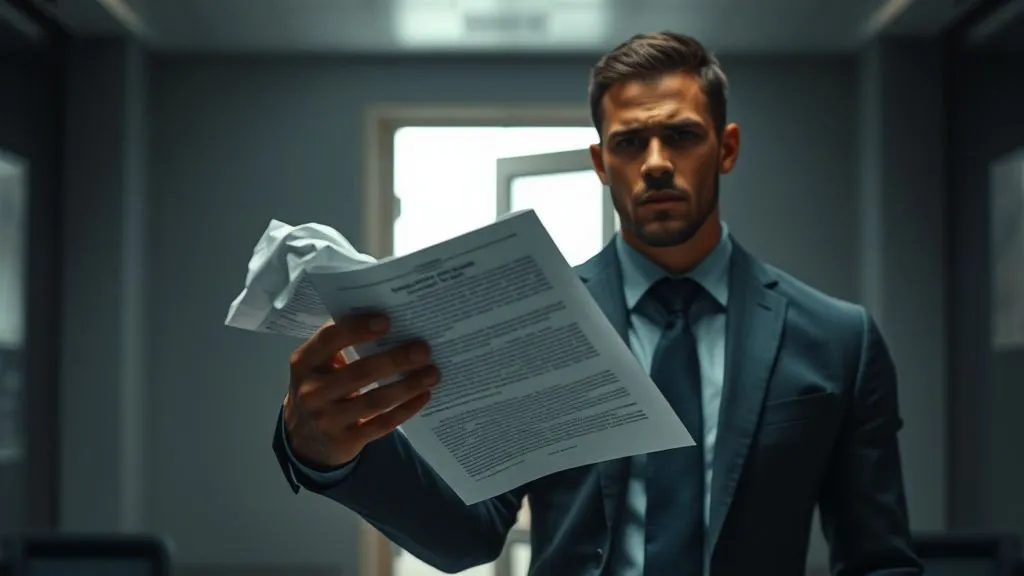
How to Exit an Unfavorable Athlete Endorsement Contract Legally?
For over two decades in the intricate world of sports law, I've witnessed firsthand the exhilarating highs of career-defining endorsement deals and, tragically, the crushing lows when those very contracts become shackles. It's a common, heartbreaking scenario: a promising athlete, eager for support and exposure, signs a deal that later proves to be restrictive, underpaying, or misaligned with their evolving brand.
The problem is pervasive. Many athletes, often advised by inexperienced agents or lacking comprehensive legal counsel at the outset, find themselves bound by agreements that no longer serve their best interests, impacting their finances, public image, and even mental well-being. The feeling of being trapped in an unfavorable athlete endorsement contract is a significant source of anxiety and can stifle career growth.
This comprehensive guide isn't just about identifying the problem; it's about empowering you with the knowledge and actionable frameworks to navigate these treacherous waters. We'll delve into the legal strategies, negotiation tactics, and protective measures I've honed over years, offering a clear pathway on how to exit an unfavorable athlete endorsement contract legally and strategically, ensuring your future success and peace of mind.
Understanding the Anatomy of an Endorsement Contract
Before you can even consider exiting an agreement, you must first understand its very fabric. An endorsement contract isn't just a handshake and a logo; it's a meticulously drafted legal document, often designed with the brand's interests paramount. My experience has taught me that overlooking the fine print is the most common and costly mistake.
Key Clauses to Scrutinize
- Term & Termination: This defines the contract's duration and the conditions under which either party can end it prematurely. Pay close attention to automatic renewals and notice periods.
- Exclusivity: Many contracts prevent you from endorsing competing brands. The scope of this exclusivity – global, product-specific, or industry-wide – is crucial.
- Performance Clauses: These outline your obligations, such as appearances, social media posts, or specific athletic achievements. Failure to meet these can be a breach, but sometimes brands fail to uphold their end too.
- Morality Clauses: Perhaps the most contentious, these allow a brand to terminate if your conduct (on or off the field) harms their reputation. Their wording can be incredibly broad and subjective.
- Governing Law & Dispute Resolution: This specifies which jurisdiction's laws apply and how disputes will be resolved (e.g., arbitration vs. litigation).
In my professional opinion, the initial review of an endorsement contract is not merely a formality; it's the most critical preventative measure an athlete can take. A thorough understanding of these clauses from day one can prevent future headaches when you need to know how to exit an unfavorable athlete endorsement contract legally.
Common pitfalls often include vague performance metrics, overly broad morality clauses, and punitive early termination penalties. Knowing these elements inside out is your first line of defense and offense.

Identifying Grounds for Early Termination
When an endorsement deal sours, the immediate question becomes: what are my legal avenues for escape? There are several legitimate grounds that, if properly identified and documented, can provide a legal pathway to terminate an unfavorable agreement.
Material Breach by the Brand
This is often the strongest ground. If the brand fails to uphold its end of the bargain – a 'material breach' – you may have the right to terminate. Examples include consistent late payments, failure to provide promised marketing support, or not supplying agreed-upon products. Documentation is key here.
- Document Everything: Keep meticulous records of all communications, payment schedules, marketing campaigns (or lack thereof), and any instances where the brand failed to meet its obligations. Emails, invoices, and even screenshots of social media activity can be crucial.
- Issue a Notice to Cure: Your contract likely requires you to formally notify the brand of their breach and give them a specified period (e.g., 30 days) to 'cure' or fix the issue. This is a critical legal step.
- Assess the Impact: Quantify the damages or negative impact caused by their breach. Has it affected your income, reputation, or ability to pursue other opportunities?
Mutual Agreement and Negotiation
Sometimes, the most amicable path is a negotiated exit. Brands might agree to a mutual termination if the partnership isn't yielding the desired results for them either, or if the cost of maintaining the relationship (or litigating its termination) outweighs the benefits. This requires a strategic approach, focusing on mutual benefit or minimizing reputational damage for both sides.
Force Majeure Clauses
These 'acts of God' clauses excuse parties from contractual obligations due to unforeseen circumstances beyond their control (e.g., natural disasters, pandemics, war). While rare for endorsement contracts, certain catastrophic events could, hypothetically, render performance impossible for either party, allowing for termination without penalty.
Morality Clause Activation (Athlete's Perspective)
While often used by brands against athletes, there are instances where an athlete's conduct, while perhaps not illegal, might be deemed 'immoral' by a brand, leading to their desire to terminate. However, if a morality clause is invoked unfairly or without clear justification, or if the brand itself engages in questionable practices, it can be challenged. The ambiguity of these clauses can sometimes work in your favor if you have strong legal counsel.
| Ground for Termination | Likelihood of Success | Key Requirement |
|---|---|---|
| Material Breach by Brand | High (with documentation) | Clear evidence, notice to cure |
| Mutual Agreement | Medium (depends on negotiation) | Strategic proposal, willingness to compromise |
| Force Majeure | Low (specific circumstances) | Unforeseen, unavoidable event |
| Unfair Morality Clause Invocation | Medium (challenging ambiguity) | Strong legal argument, brand's own conduct |
The Critical Role of Your Legal Team
Attempting to navigate the complexities of contract termination without expert legal counsel is akin to competing in the Olympics without a coach. It's simply unwise. When you're considering how to exit an unfavorable athlete endorsement contract legally, a specialized sports lawyer isn't a luxury; they are an absolute necessity.
A seasoned sports law attorney brings invaluable expertise. They understand the nuances of these specific contracts, the industry's unspoken rules, and the legal precedents that can make or break your case. They can dissect the contract, identify potential grounds for termination, and advise on the most strategic path forward, whether that's negotiation, arbitration, or litigation.
When selecting counsel, look for someone with a proven track record in sports law and contract disputes. Ask about their experience with similar cases and their negotiation strategies. A good lawyer will not only understand the law but also your unique circumstances and career goals. For more insights on finding the right legal representation, you might find resources from the American Bar Association's Forum on Sports and Entertainment Industries helpful.
I cannot stress this enough: your legal team is your shield and your sword. Their expertise will protect your interests and provide the leverage needed to secure a favorable outcome, allowing you to focus on your athletic career.
Strategic Negotiation: Beyond Just Breaking the Deal
While the goal is to exit, how you exit can significantly impact your future. A well-executed negotiation can preserve relationships, protect your reputation, and even lead to a more favorable future outcome than a contentious legal battle. This stage is where strategy and finesse truly shine when you want to know how to exit an unfavorable athlete endorsement contract legally.
Preparing Your Case
Before entering negotiations, you must be meticulously prepared. This involves: gathering all documentation of the brand's breaches or your grounds for termination; assessing the financial and reputational damages you've incurred; and clearly defining your desired outcome (e.g., full termination, reduced obligations, financial settlement).
Tactics at the Negotiating Table
Negotiation isn't just about presenting facts; it's about leverage and persuasion. Your legal team can leverage factors like potential negative publicity for the brand, your market value, and the costs of litigation to encourage a settlement. Sometimes, offering a clean break with mutual non-disparagement agreements can be more appealing to a brand than a drawn-out public dispute. Focusing on a 'win-win' where the brand also sees an advantage in ending the partnership amicably can be surprisingly effective.
Case Study: The Pro-Athlete's PR Dilemma
A rising basketball star, 'Maya Johnson', found herself in an unfavorable endorsement contract where the brand consistently failed to provide promised marketing support, severely impacting her growth. Instead of immediately suing, her legal team meticulously documented the breaches and assessed the lost opportunities. They approached the brand with a proposal: a mutual, confidential termination, with Maya agreeing to a non-disparagement clause for a reduced fee. The brand, facing potential public backlash and costly litigation, agreed. This allowed Maya to swiftly sign with a competitor, leveraging her growing profile, and ultimately saved her time, money, and her public image. This demonstrates how a well-crafted negotiation can be a powerful tool for how to exit an unfavorable athlete endorsement contract legally.

Navigating Potential Litigation and Arbitration
Despite best efforts, not all contract disputes can be resolved amicably through negotiation. When all other avenues are exhausted, understanding the mechanisms of formal dispute resolution – litigation and arbitration – becomes paramount. This is a serious step when considering how to exit an unfavorable athlete endorsement contract legally.
Understanding Dispute Resolution Clauses
Your contract will almost certainly contain a clause dictating how disputes are to be resolved. This is often either through litigation (going to court) or arbitration (a private, less formal process with a neutral third-party arbitrator). Arbitration is increasingly common in sports contracts due to its confidentiality and often quicker resolution times.
While arbitration can be faster and less public, it also typically offers limited appeal rights. Litigation, on the other hand, is public, often lengthy, and can be very expensive, but it offers the full scope of legal remedies and appeals. Your legal team will guide you on the best path based on the specifics of your contract and the strength of your case. Resources from organizations like the American Arbitration Association (AAA) can offer more insight into arbitration processes in sports.
Cost and Time Implications
Both litigation and arbitration can be costly and time-consuming. Legal fees, expert witness fees, and court/arbitration costs can quickly escalate. This is why a thorough cost-benefit analysis by your legal team is essential before proceeding. Sometimes, a less-than-ideal negotiated settlement is financially more prudent than winning a protracted legal battle.
Mitigating Risks and Protecting Your Brand
Exiting an endorsement contract isn't just a legal transaction; it's a strategic move with significant implications for your personal brand and future career. It's crucial to manage the fallout carefully to ensure your reputation remains intact and your marketability isn't diminished. This is a critical aspect of how to exit an unfavorable athlete endorsement contract legally while safeguarding your future.
Non-Disparagement and Confidentiality
Many termination agreements, even negotiated ones, will include clauses preventing both parties from speaking negatively about each other publicly. These non-disparagement clauses are vital for maintaining professionalism and avoiding further conflict. Similarly, confidentiality clauses ensure that the terms of your exit remain private, protecting sensitive information and preventing speculation.
Public Relations Strategy
In the age of social media, news travels fast. A poorly handled contract exit can severely damage an athlete's public image. Work closely with your agent and a PR professional to craft a clear, consistent, and positive message about the contract's termination. Focus on your future endeavors, your commitment to your sport, and your gratitude for past opportunities, even if the termination was contentious. Proactive communication, rather than reactive damage control, is always the superior strategy. Insights from leading PR firms often emphasize transparency and forward-looking statements during such transitions, as noted by publications like Forbes Communications Council.
Your reputation is your most valuable asset. Every step taken during a contract exit should be weighed against its potential impact on your brand, ensuring you emerge from the situation stronger and more appealing to future partners.

Proactive Measures: Drafting Future Contracts Wisely
The best way to exit an unfavorable athlete endorsement contract legally is often to avoid signing one in the first place. My extensive experience has taught me that foresight in contract drafting is your most powerful tool. Future deals should be structured to protect your interests and provide flexibility as your career evolves.
Essential Clauses for Athlete Protection
- Clear Termination Rights: Ensure there are specific, measurable conditions under which you can terminate the contract without penalty, beyond just brand breach. For example, if the brand changes ownership or significantly alters its product line.
- Right to Cure: This clause should also apply to you. If the brand alleges a breach on your part, you should have a reasonable period to rectify the issue before termination proceedings begin.
- Performance Benchmarks (for You and the Brand): Define clear, objective metrics for your performance obligations and, crucially, for the brand's marketing and support obligations. This makes it easier to prove a breach if one occurs.
- Reduced Exclusivity: Negotiate for narrower exclusivity clauses, allowing you to partner with non-competing brands in different categories.
- Market Value Review: Include a clause that allows for a review of compensation based on your market value and performance benchmarks at regular intervals, preventing your contract from becoming quickly outdated.
Always engage an experienced sports law attorney to review every single clause of any potential endorsement contract. Their expertise in identifying potential pitfalls and negotiating favorable terms is indispensable. Remember, a well-drafted contract is a partnership, not a trap. For further reading on best practices in contract negotiation, sources like Harvard Business Review offer valuable insights.
Frequently Asked Questions (FAQ)
Question? Can I just stop fulfilling my obligations if I feel the contract is unfair?
Answer: Absolutely not. Unilaterally stopping your obligations is considered a material breach on your part and will almost certainly lead to severe penalties, including financial damages and potential lawsuits from the brand. Even if you feel the contract is unfair or the brand has breached, you must follow the legal process for termination. Always consult your attorney before taking any action.
Question? What if the brand sues me for trying to exit the contract?
Answer: If you have legitimate grounds for termination and have followed the proper legal procedures (e.g., issuing a notice to cure), your legal team will be prepared to defend you. This is why thorough documentation and expert legal counsel are crucial. The threat of a lawsuit is often a negotiation tactic, but a strong legal position can deter or counter such actions.
Question? How much does it cost to exit a contract legally?
Answer: The costs can vary wildly depending on the complexity of the contract, the brand's willingness to negotiate, and whether the case goes to arbitration or litigation. Legal fees, court costs, and potential settlement payments can range from a few thousand dollars for a simple negotiation to hundreds of thousands or even millions for a protracted legal battle. This is why a cost-benefit analysis is critical before proceeding.
Question? Can my agent help me exit a bad deal, or do I always need a lawyer?
Answer: While a good agent can be a valuable partner in identifying issues and initiating conversations, they are generally not qualified to provide legal advice or represent you in formal legal proceedings. Contract termination involves complex legal interpretation and negotiation, which falls squarely within the purview of a licensed attorney. Always involve a specialized sports lawyer.
Question? Is it always better to settle than to fight in court/arbitration?
Answer: Not always, but often. Settlements offer certainty, confidentiality, and can save significant time and money. They also allow you to control the narrative and minimize reputational damage. However, if the brand's demands are unreasonable, or if your case is exceptionally strong, pursuing litigation or arbitration might be necessary to protect your rights and set a precedent. Your legal team will advise on the best course of action based on the specifics of your situation.
Key Takeaways and Final Thoughts
Navigating the complexities of an unfavorable athlete endorsement contract can feel daunting, but it is far from impossible. My years in sports law have shown me that with the right knowledge, strategic approach, and expert legal counsel, athletes can successfully regain control of their careers and protect their valuable personal brands.
- Understand Your Contract: Know every clause, especially termination, exclusivity, and morality provisions.
- Document Everything: Meticulous record-keeping is your most powerful tool in proving breaches.
- Engage Expert Legal Counsel: A specialized sports attorney is non-negotiable for effective negotiation and legal strategy.
- Prioritize Strategic Negotiation: Aim for an amicable, mutually beneficial exit to protect your reputation.
- Plan for the Future: Use lessons learned to draft stronger, more protective contracts moving forward.
Remember, your career is a marathon, not a sprint. Making informed, strategic decisions about your endorsements is crucial for long-term success and well-being. Don't let an unfavorable contract define your journey. Take control, seek expert guidance, and confidently step towards a future where your partnerships truly align with your aspirations.

Recommended Reading
- 5 Keys to Resolving Jurisdictional Conflicts in Online Trade
- Sue Debt Collector Financial Services? Know Your Rights Now!
- Avoid Forced Sales: 7 Smart Ways to Fund Federal Estate Tax
- Stop Costly Legal Battles: 7 Contract Drafting Errors to Eliminate
- 7 Critical Steps: Navigating Board Member Duties in Corporate Insolvency




Comments
Leave a comment below. Your email will not be published. Required fields marked with *