



How to Identify High-Value Consumer Class Action Claims Early?
For over 15 years in consumer law, I've witnessed countless firms spend precious resources chasing claims that ultimately fizzled, while truly transformative, high-value cases slipped through their fingers. The difference often lies not in luck, but in a systematic, proactive approach to early identification.
The challenge is immense: a deluge of potential complaints, a complex regulatory landscape, and the sheer volume of consumer interactions. Without a refined methodology, it’s like searching for a needle in a haystack, only to realize the needle might be gold, and you're sifting through straw.
In this definitive guide, I'll share the frameworks, strategies, and expert insights I've honed over decades. You'll learn not just to react to consumer grievances, but to proactively identify high-value consumer class action claims early, transforming your practice and delivering significant impact for consumers.
Understanding the Anatomy of a High-Value Consumer Claim
Before we delve into identification tactics, it's crucial to understand what truly defines a high-value consumer class action claim. It's more than just a large number of affected consumers; it's about the depth of harm, the clarity of the legal theory, and the potential for substantial recovery.
Key Characteristics of Impactful Cases
A high-value claim typically possesses several critical attributes. First, there's a demonstrable, widespread harm affecting a large, ascertainable class of consumers. This harm must be quantifiable and often involves financial loss, privacy breaches, or significant inconvenience.
Second, the legal theory must be robust, supported by clear evidence of a defendant's misconduct, negligence, or deceptive practices. This often involves violations of specific consumer protection statutes, warranty laws, or common law fraud principles. The stronger the legal basis, the higher the likelihood of success.
"The true mark of a high-value class action isn't just the number of plaintiffs, but the collective, undeniable impact of the defendant's actions on each individual. Scale without substance is just noise."
Third, the defendant must have the financial capacity to satisfy a substantial judgment or settlement. Pursuing a claim against an insolvent entity, regardless of the merits, rarely yields a high-value outcome. Finally, the case should ideally present a clear, compelling narrative that resonates with both legal professionals and, potentially, a jury.

Leveraging Data Analytics for Early Detection
In today's digital age, data is the new oil, and for consumer class actions, it's a goldmine. Early identification hinges on our ability to collect, analyze, and interpret vast datasets to spot patterns of potential misconduct that might otherwise go unnoticed. This is where legal tech truly shines.
Identifying Patterns of Harm and Scale
My approach involves a multi-pronged data strategy. We don't just wait for complaints; we actively seek out anomalies. This begins with monitoring public databases, consumer complaint forums, and even product review sites for recurring issues. We look for spikes in specific types of complaints, particularly those mentioning similar defects, deceptive advertising, or billing errors across a broad user base.
Here are actionable steps to implement a data-driven early detection system:
- Establish Data Feeds: Set up automated feeds from sources like the Consumer Financial Protection Bureau (CFPB) complaint database, the Federal Trade Commission (FTC) complaint data, Better Business Bureau, and even Amazon/Google product reviews.
- Utilize Keyword Monitoring: Employ sophisticated keyword monitoring tools to track specific product names, company names, and problematic terms (e.g., "defect," "overcharge," "privacy breach") across these data sources.
- Pattern Recognition Software: Invest in legal analytics platforms that can identify statistical anomalies and recurring patterns in unstructured text data. These tools can highlight clusters of similar complaints, indicating a systemic issue rather than isolated incidents.
- Geospatial Analysis: Map complaints geographically. Sometimes, a problem might manifest regionally first before becoming a national issue, offering an early warning signal.
- Sentiment Analysis: Use AI-powered sentiment analysis to gauge the overall mood around a product or service. A sudden drop in positive sentiment or a surge in negative comments often precedes larger problems.
According to a report by Deloitte Legal, firms leveraging AI and data analytics are significantly more efficient in case assessment, reducing initial review times by up to 50%. This efficiency directly translates to earlier identification of promising claims.
Comparing traditional methods to data-driven approaches:
| Aspect | Traditional Method | Data-Driven Method |
|---|---|---|
| Claim Sourcing | Client walk-ins, referrals | Automated data feeds, social listening, regulatory monitoring |
| Identification Speed | Slow, reactive | Fast, proactive, real-time alerts |
| Scale of Discovery | Limited to known complaints | Broad, systemic issue detection |
| Resource Intensity | High manual review time | Automated initial screening, focused expert review |
The Power of Public Sentiment and Social Listening
Beyond structured data, the unstructured realm of social media and online forums holds immense power for early claim identification. Public sentiment, when aggregated and analyzed correctly, can be a powerful bellwether for widespread consumer harm. I've seen firsthand how a seemingly minor issue, amplified across social channels, can quickly escalate into a viable class action.
Social listening isn't just about tracking mentions; it's about understanding the context, intensity, and spread of consumer dissatisfaction. Tools that monitor platforms like X (formerly Twitter), Reddit, Facebook groups, and even niche forums can reveal emerging trends long before they hit official complaint channels.
For example, a sudden surge in discussions about a product's battery life on Reddit, accompanied by shared photos of overheating devices, could be a precursor to a widespread defect claim. Similarly, repeated mentions of unexpected charges or subscription issues across consumer advocacy groups online can signal deceptive billing practices. As marketing guru Seth Godin often emphasizes, consumer trust is built and eroded in public spaces, and we must be present to observe its shifts.

Deep Dive into Regulatory Filings and Industry Watchdogs
Often, the earliest indicators of systemic consumer issues aren't just from consumers themselves, but from regulatory bodies and industry watchdogs. These entities are designed to monitor corporate behavior and often receive complaints or conduct investigations that can signal a broader problem. My strategy involves a meticulous review of these official channels.
We regularly monitor public enforcement actions by the FTC, the Consumer Product Safety Commission (CPSC), the Environmental Protection Agency (EPA), and state Attorneys General. These actions, even if they're not directly class actions, can highlight areas of corporate misconduct that affect a large consumer base and provide a roadmap for our own investigations.
Furthermore, publicly available regulatory filings, such as SEC disclosures for publicly traded companies, can sometimes contain clues about potential liabilities or ongoing investigations that could affect consumers. Investor calls and quarterly reports might subtly hint at issues that are not yet public knowledge but are causing internal concern.
Case Study: Uncovering a Hidden Defect in 'AutoGlide' Vehicles
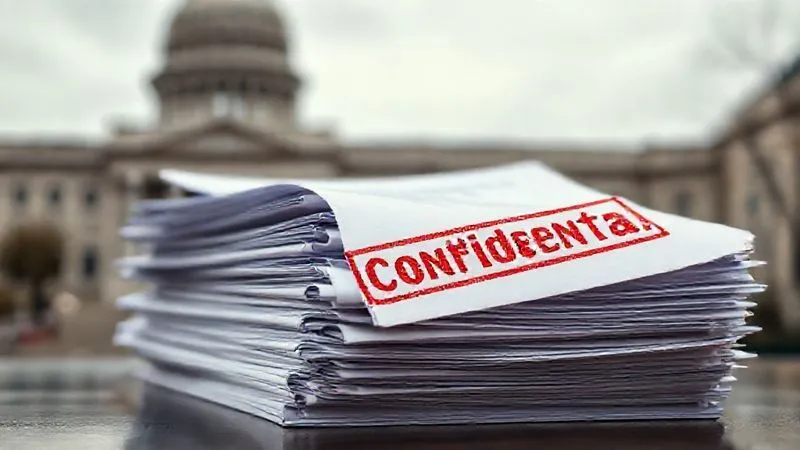
A few years ago, my team was routinely monitoring CPSC and NHTSA (National Highway Traffic Safety Administration) databases. We noticed a slight uptick in individual complaints regarding a specific component in 'AutoGlide' brand vehicles – a minor issue described as a 'sticky accelerator pedal.' Initially, these were scattered, isolated reports.
However, by cross-referencing with internal company service bulletin databases (which are sometimes leaked or become public through other means), and then overlaying this with social media sentiment analysis, we identified a critical pattern. The 'sticky pedal' wasn't just an inconvenience; it was a precursor to sudden acceleration, a potentially fatal defect. AutoGlide's official channels were quiet, but the regulatory filings and social chatter painted a clear picture of a brewing crisis. We were able to initiate preliminary investigations and contact potential plaintiffs months before a major recall was announced, positioning our clients at the forefront of what became a multi-million dollar class action settlement.
Expert Witness Network and Early Legal Opinion
Identifying a potential high-value claim isn't solely about data; it's also about informed judgment. This is where a robust network of expert witnesses and early legal opinions become invaluable. I make it a priority to cultivate relationships with leading academics, engineers, scientists, and industry specialists who can provide preliminary assessments of emerging issues.
When a pattern of consumer harm begins to emerge from our data analysis, my first step is often to consult with a relevant expert. For instance, if we're seeing issues with a medical device, I'll reach out to a biomedical engineer or a medical professional specializing in that device. Their early insights can quickly validate or invalidate a potential claim, saving immense resources.
An expert can help us understand: Is this a design flaw or a manufacturing defect? Is the reported harm scientifically plausible? What is the likely mechanism of injury or financial loss? Their preliminary opinion can be a game-changer in deciding whether to pursue a full-scale investigation. This early investment in expert consultation acts as a crucial filter, ensuring we focus our efforts on claims with strong scientific and technical merit.
Financial Viability: Assessing Damages and Recoverability
A high-value claim isn't just about the 'wrong'; it's also about the 'remedy.' Early assessment of financial viability is paramount. This involves not only estimating the potential damages for the class but also evaluating the defendant's ability to pay. A strong case against a financially distressed company might not ultimately be a high-value claim for the plaintiffs.
I always conduct a preliminary damages analysis, even before formal litigation. This involves:
- Estimating Class Size: How many consumers are likely affected? Can this number be reliably ascertained?
- Quantifying Individual Harm: What is the average financial loss per class member? This could be direct monetary loss, diminished value of a product, or costs incurred due to the misconduct.
- Considering Statutory Damages: Many consumer protection laws include provisions for statutory damages, punitive damages, or attorney's fees, which can significantly increase the total value of a claim.
- Defendant's Financial Health: A thorough background check on the defendant's financial statements, market capitalization (for public companies), and insurance coverage is essential. We need to ensure there's a deep enough pocket to cover a substantial settlement or judgment.
The Federal Trade Commission (FTC) often provides data on consumer refunds and settlements, offering benchmarks for potential recovery in various types of consumer fraud cases. These figures can guide our early valuation efforts.
Factors for Early Damages Estimation:
| Factor | Low Value Indicator | High Value Indicator |
|---|---|---|
| Class Size Potential | Fewer than 1,000 identifiable members | Tens of thousands to millions of identifiable members |
| Average Individual Harm | Less than $50 per person | Hundreds to thousands of dollars per person |
| Statutory/Punitive Damages | Limited or no provisions | Strong statutory multipliers, punitive potential |
| Defendant's Solvency | Small, struggling company | Large, publicly traded corporation with significant assets |
| Clear Causation | Difficult to link harm directly to misconduct | Direct, undeniable link between action and harm |
Navigating Ethical Considerations and Plaintiff Recruitment
While the drive to identify high-value claims is strong, it must always be balanced with unwavering ethical conduct. Early identification is not about aggressive solicitation, but about being prepared and accessible when consumers seek justice. My firm adheres strictly to professional responsibility rules in all jurisdictions.
Ethical plaintiff recruitment revolves around transparency, honesty, and ensuring that potential class members fully understand their rights and the implications of joining a class action. We focus on providing clear information, often through educational content, rather than direct solicitation. Building trust with potential plaintiffs is paramount, especially when dealing with vulnerable consumers.
Furthermore, early identification allows us to engage with potential class representatives who are articulate, credible, and genuinely harmed, which is critical for the success and integrity of any class action lawsuit. A strong class representative can significantly enhance the perceived legitimacy and persuasive power of a claim.
Building an Internal Early Warning System
For any firm serious about excelling in consumer class action litigation, merely understanding these strategies isn't enough; they must be institutionalized. I advocate for the creation of an internal 'Early Warning System' – a dedicated process and team responsible for continuous monitoring and preliminary assessment.
This system should comprise:
- Dedicated Analyst Team: A small team trained in data analytics, social listening, and regulatory review.
- Technology Stack: Investment in appropriate legal tech for data aggregation, sentiment analysis, and pattern recognition.
- Expert Advisory Panel: A curated list of external experts available for quick consultation.
- Regular Review Cycle: Weekly or bi-weekly meetings to review emerging trends and potential claims.
- Standardized Assessment Protocol: A clear checklist or rubric for evaluating the initial viability and potential value of a claim, ensuring consistency.
This proactive infrastructure transforms a reactive practice into a forward-thinking powerhouse. It allows you to be not just an attorney, but a sentinel for consumer justice, identifying systemic issues before they fully manifest and building a pipeline of truly impactful cases.

Frequently Asked Questions (FAQ)
What's the biggest mistake firms make when trying to identify high-value claims early? In my experience, the biggest mistake is a lack of proactive, systematic monitoring. Many firms wait for clients to walk through the door with a problem, rather than actively searching for patterns of widespread harm. They also often fail to invest in the right technology and training for early data analysis, which is critical in today's landscape.
How important is legal technology in this early identification process? Legal technology is no longer optional; it's fundamental. Tools for data aggregation, pattern recognition, sentiment analysis, and regulatory monitoring can process information at a scale and speed impossible for humans. Without it, you're operating at a significant disadvantage, missing crucial early indicators.
Can smaller law firms effectively implement these strategies, or are they only for large firms? Absolutely, smaller firms can and should implement these strategies. While large firms might have bigger budgets for extensive tech stacks, the core principles of proactive monitoring, expert consultation, and diligent research are scalable. Start with accessible tools, focus on niche areas, and leverage strong networks. The key is the mindset and a commitment to systematic identification.
What role does traditional media (news, investigative journalism) play in identifying claims? Traditional media still plays a significant role. Investigative journalism often uncovers corporate misconduct or widespread issues that can lead to class actions. Monitoring major news outlets, industry-specific publications, and local news (for regional issues) is an important component of a comprehensive early warning system. News reports can validate suspicions raised by data or social listening.
How do I ensure ethical conduct while actively seeking out potential class actions? Ethical conduct is paramount. Active identification should never cross into unethical solicitation. Focus on data analysis, public record review, and expert consultation to identify the *issue*, not specific plaintiffs. When a strong potential claim is identified, then you can ethically seek out class representatives through established, compliant channels, ensuring transparency and informed consent. Always adhere strictly to your bar association's rules of professional conduct.
Key Takeaways and Final Thoughts
Identifying high-value consumer class action claims early is not a mystical art; it's a strategic discipline combining vigilance, technological prowess, and deep legal expertise. It's about moving beyond reactive litigation to proactive consumer advocacy.
- Be Proactive, Not Reactive: Actively seek out patterns of harm using data and social listening.
- Leverage Technology: Invest in legal analytics and monitoring tools to process vast amounts of information.
- Cultivate Expertise: Build a network of subject matter experts to validate emerging theories.
- Assess Holistically: Combine legal merit with financial viability and ethical considerations.
- Build an Internal System: Institutionalize these practices within your firm for consistent success.
The landscape of consumer law is constantly evolving, and the firms that will thrive are those that can foresee the next wave of systemic issues. By adopting these strategies, you're not just identifying cases; you're shaping the future of consumer protection, ensuring justice for those who need it most, and solidifying your firm's position as a leader in this critical field. Start building your early warning system today, and prepare to make a profound difference.
Recommended Reading
- 5 Crucial Steps: Navigating a DOL Wage Hour Investigation Successfully
- 5 Steps to Reverse an Agency Decision: Procedural Flaw Checklist
- Challenging Inadequate EIAs: 7 Legal Strategies for Ecological Protection
- 5 Proven Strategies: How to Avoid Parole Revocation After a Technical Violation
- 7 Legal Strategies: Addressing Student AI Plagiarism in Higher Education




Comments
Leave a comment below. Your email will not be published. Required fields marked with *