


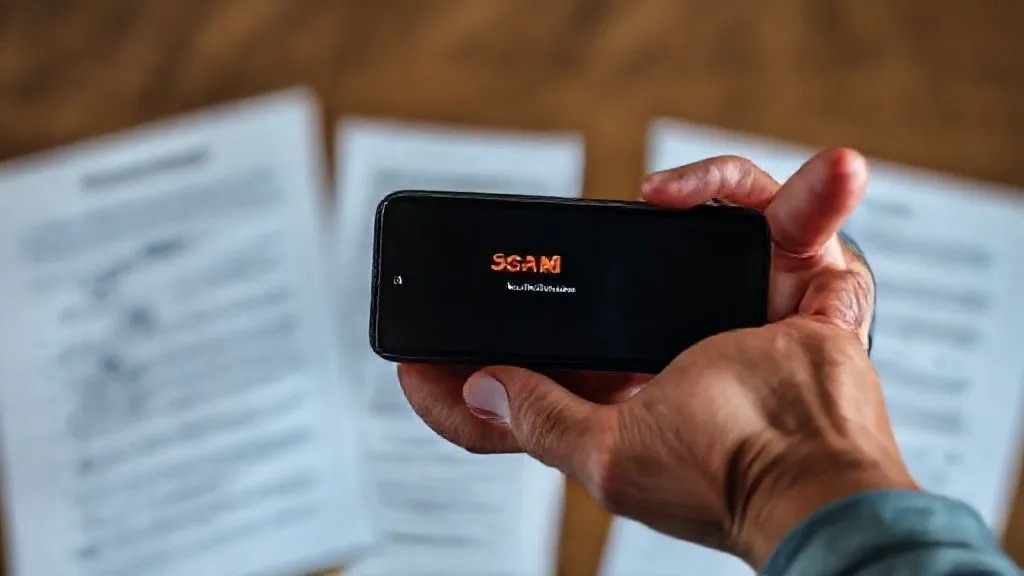
Legal Recovery of Client Funds from Complex Online Scams?
For over 15 years in consumer law, I've witnessed the devastating impact of online scams on individuals and businesses alike. What began as simple phishing emails has evolved into a hydra-headed monster of sophisticated schemes, leveraging everything from cryptocurrency to deepfake technology. The emotional and financial toll is immense, often leaving victims feeling helpless and without recourse.
The problem isn't just the sheer number of scams, but their increasing complexity and global reach. Scammers operate across borders, hide behind layers of digital anonymity, and exploit legal loopholes, making the traditional paths to justice feel like a dead end. Many victims believe their money is gone forever, a bitter lesson learned in the harsh school of cybercrime.
But I'm here to tell you that hope is not lost. This article isn't just a lament; it's a definitive roadmap. I will guide you through the intricate world of **legal recovery of client funds from complex online scams?**, offering actionable frameworks, real-world insights, and expert strategies to navigate this challenging landscape and significantly improve your chances of reclaiming what was stolen.
The Evolving Landscape of Online Scams: Why Traditional Methods Fail
Gone are the days when online scams were easily identifiable by misspelled words or obvious grammatical errors. Today's fraudsters are highly organized, technologically adept, and often operate as sophisticated criminal enterprises. They employ advanced social engineering tactics, create convincing fake websites, and exploit emerging technologies like AI to craft incredibly persuasive narratives.
Cryptocurrency, while revolutionary, has inadvertently provided a new playground for scammers, offering a veneer of anonymity and rapid, irreversible transactions. This, combined with the global nature of the internet, means that a scammer in one country can easily defraud a victim in another, complicating jurisdiction and enforcement. Traditional law enforcement agencies, often under-resourced and lacking specialized digital forensics capabilities, struggle to keep pace with these rapidly evolving threats.
"The digital wild west isn't just a metaphor; it's the reality for victims of complex online scams. Without specialized legal and technical expertise, navigating this terrain is nearly impossible."
This evolving landscape demands a more proactive, multi-faceted, and legally astute approach to fund recovery. Relying solely on reporting mechanisms designed for conventional fraud is often insufficient, leaving victims frustrated and their funds unrecovered.
Immediate First Steps After Discovering a Scam: The Critical Window
The moments immediately following the realization that you've been scammed are critical. Every minute counts. Acting swiftly and strategically can dramatically impact the viability of **legal recovery of client funds from complex online scams?**.
Here are the essential first steps you must take:
- Document Everything: Preserve all evidence. This includes emails, chat logs, transaction records, website URLs, screenshots, voice recordings, and any contact information for the scammer. This digital breadcrumb trail is vital for forensic analysis and legal proceedings.
- Cease All Communication: Do not engage further with the scammers. Any continued interaction could expose you to further losses or compromise your evidence. Block their numbers and email addresses.
- Notify Your Bank/Financial Institutions: Immediately contact your bank, credit card company, or cryptocurrency exchange. Report the fraudulent transactions and request a chargeback or a freeze on the funds. Even if the funds have already left your account, this creates an official record and can sometimes trigger internal fraud prevention mechanisms.
- Report to Authorities: File a report with your local police department and relevant national agencies (e.g., FBI, FTC in the US; Action Fraud in the UK). While these reports may not always lead to immediate recovery, they are crucial for building a case and contributing to broader intelligence efforts against cybercrime.
- Consult Specialized Legal Counsel: This is perhaps the most crucial step. Engage an attorney with expertise in cybercrime, asset recovery, and international fraud. They can advise on the feasibility of recovery, initiate legal actions, and coordinate with digital forensic experts.
Remember, time is of the essence. The sooner these steps are taken, the higher the likelihood of preserving evidence and potentially tracing the stolen assets.

Tracing the Digital Footprint: Unraveling Complex Scams
The notion that digital transactions are untraceable is a common misconception, often perpetuated by scammers themselves. While challenging, every digital interaction leaves a trace. Unraveling complex online scams requires sophisticated digital forensic techniques to follow these trails, no matter how convoluted they may seem.
Our approach involves a combination of:
- Blockchain Analysis: For cryptocurrency scams, specialized tools can trace the flow of funds across various wallets and exchanges, sometimes revealing connections to known illicit addresses. While addresses are pseudonymous, patterns of activity can often lead to identification.
- IP Address Tracing: Analyzing server logs, email headers, and website traffic can reveal IP addresses, which can sometimes be linked to specific locations or internet service providers.
- Metadata Examination: Documents, images, and other files often contain hidden metadata that can provide clues about their origin, creation time, and even the devices used.
- Social Media and Open-Source Intelligence (OSINT): Scammers often leave digital breadcrumbs across public platforms, which can be pieced together to build a profile or identify associates.
As cybersecurity expert Troy Hunt often emphasizes, "Data breaches aren't just about data; they're about identity. And identity is what scammers exploit." Our goal is to reverse-engineer that exploitation to identify the perpetrators.
| Tracing Method | Key Challenge | Effectiveness in Online Scams |
|---|---|---|
| Traditional Fraud Investigation | Physical evidence often limited, geographical constraints | Low, struggles with anonymity and digital nature |
| Digital Forensics & Blockchain Analysis | Jurisdictional hurdles, encrypted data, rapid fund movement | High, specialized tools for digital asset tracing and perpetrator identification |
Legal Avenues for Fund Recovery: Domestic and International Strategies
Once a digital footprint has been established, the focus shifts to leveraging legal frameworks for **legal recovery of client funds from complex online scams?**. This often requires a multi-jurisdictional approach, given the global nature of these crimes.
Civil Litigation: Suing the Scammers (If Identifiable)
Even if scammers operate anonymously, forensic investigations can sometimes uncover their identities or associated entities. In such cases, civil litigation becomes a powerful tool. We can pursue legal action for fraud, breach of contract, or unjust enrichment. A critical step is obtaining freezing orders, such as a Mareva injunction, which can prevent the scammers from dissipating or moving their assets once they are identified and located. These injunctions can be obtained even against 'persons unknown' in some jurisdictions, allowing for discovery orders to unmask them. For more details on these powerful tools, you can explore resources on international asset freezing injunctions from reputable legal journals or firms.
Regulatory and Law Enforcement Engagement
While direct recovery through law enforcement can be slow, their involvement is crucial for criminal investigations. We work closely with agencies like the FBI, Interpol, and national financial intelligence units (FIUs). Our role is to provide them with a meticulously prepared case, including all forensic findings, to expedite their processes. We advocate for our clients, ensuring their case receives due attention and becomes part of broader efforts to dismantle scam networks.
Asset Forfeiture and Freezing Orders
In many jurisdictions, law enforcement has the power to seize assets linked to criminal activity. We assist clients in navigating these processes, aiming to have their stolen funds recognized as proceeds of crime, thereby making them eligible for forfeiture and eventual restitution. Furthermore, we can pursue our own freezing orders through civil courts, targeting identified assets wherever they may be held globally.
Case Study: The Crypto Kingpin Takedown
Acme Innovations, a small tech startup, lost $750,000 in a sophisticated 'pig butchering' cryptocurrency scam. The scammers used a fake investment platform and social engineering to gain trust. After immediate reporting and engaging our firm, our digital forensics team traced the funds across five different exchanges and three countries. We worked with local counsel in two jurisdictions to obtain emergency freezing orders on the identified crypto wallets. Concurrently, we provided a detailed report to the FBI and Interpol, leading to the identification of a key operative. The freezing orders allowed us to secure a significant portion of the funds, and subsequent legal pressure facilitated a settlement, resulting in Acme Innovations recovering 80% of their lost capital within 18 months. This demonstrates the critical interplay between rapid forensic action and strategic legal intervention for **legal recovery of client funds from complex online scams?**.
Navigating Cryptocurrency Scams: Unique Challenges and Solutions
Cryptocurrency scams present a distinct set of challenges compared to traditional financial fraud. The decentralized nature of blockchain, combined with the speed and irreversibility of transactions, often creates a daunting hurdle for victims. However, the very transparency of the blockchain, where every transaction is recorded, also provides unique opportunities for tracing.
One of the primary difficulties lies in the pseudo-anonymity of crypto wallets. While addresses are public, linking them to real-world identities requires specialized expertise. This is where blockchain forensics firms become indispensable. They use advanced analytics to de-anonymize transactions, identify patterns, and link suspicious wallets to exchanges or individuals.
Furthermore, the regulatory landscape for cryptocurrency is still evolving, creating gaps that scammers exploit. However, governments worldwide are increasingly tightening regulations, making it harder for illicit funds to move undetected. For instance, the US Treasury Department's Financial Crimes Enforcement Network (FinCEN) has been active in issuing guidance and enforcement actions related to virtual assets, which can aid in recovery efforts. You can find more information on their official website regarding virtual currency regulations.

The Role of Expert Witnesses and Digital Forensics
In cases involving complex online scams, the courtroom often becomes a battleground of technical jargon and intricate digital evidence. This is precisely where expert witnesses and digital forensics specialists become invaluable. Their role extends beyond mere investigation; they are crucial in translating highly technical information into understandable testimony for judges and juries.
A skilled digital forensic expert can:
- Trace Transactions: Precisely map the flow of funds, especially in cryptocurrency cases, demonstrating how assets moved from the victim to the scammer.
- Authenticate Evidence: Verify the authenticity and integrity of digital evidence, such as emails, chat logs, and website data, ensuring it stands up in court.
- Explain Technical Concepts: Articulate complex technical processes, like how a deepfake was created or how a phishing attack was orchestrated, in a clear and concise manner.
- Assess Damage: Provide expert opinions on the financial impact of the scam, which is vital for calculating damages in civil litigation.
Similarly, forensic accountants can analyze financial records, identify hidden assets, and quantify losses, providing a comprehensive picture of the financial crime. Their combined expertise forms the backbone of a strong legal case for **legal recovery of client funds from complex online scams?**, lending credibility and authority to the evidence presented.
Building Your Legal Team: What to Look For in a Recovery Specialist
The success of **legal recovery of client funds from complex online scams?** hinges significantly on the expertise and strategic prowess of your legal team. This isn't a job for a general practitioner; it requires specialists who live and breathe cybercrime and international asset recovery. When assembling your team, look for these critical qualities:
- Proven Experience in Cyber Fraud and Asset Recovery: Insist on a track record of successfully handling similar complex online scam cases, particularly those involving cross-border elements and digital assets.
- Deep Understanding of Digital Forensics: The legal team must not only work with forensic experts but also understand their methods and findings to effectively integrate them into legal strategy.
- International Network: Given that scammers operate globally, your legal team needs established connections with lawyers, investigators, and regulatory bodies in various jurisdictions.
- Strategic Thinking and Adaptability: Scammers constantly evolve their tactics. Your legal team must be agile, able to devise innovative legal strategies, and adapt to new challenges.
- Empathy and Communication: While technical and legal prowess are paramount, an empathetic approach and clear communication are vital for guiding victims through what is often an emotionally taxing process.
A truly effective recovery specialist will often lead a multi-disciplinary team, coordinating efforts between lawyers, digital forensic experts, private investigators, and financial analysts to build an unassailable case. This collaborative approach maximizes the chances of tracing assets and enforcing judgments globally.
| Key Skill | Description | Importance Rating |
|---|---|---|
| Cybercrime Litigation | Expertise in civil & criminal proceedings related to online fraud, including injunctions & asset freezing. | High |
| International Asset Tracing | Ability to follow funds across borders and diverse financial instruments, including crypto. | High |
| Digital Forensics Integration | Capacity to leverage forensic reports as compelling legal evidence and work with experts. | Medium-High |
| Regulatory Advocacy | Experience in liaising with national & international law enforcement and financial regulators. | Medium |

Preventative Measures and Future-Proofing Client Funds
While this article focuses on recovery, the best defense against online scams is a robust offense. For businesses and individuals managing significant assets, proactive preventative measures are crucial to future-proofing client funds and avoiding the arduous process of **legal recovery of client funds from complex online scams?**.
Here are key strategies:
- Implement Strong Cybersecurity Protocols: This includes multi-factor authentication (MFA), strong, unique passwords, regular software updates, and robust antivirus/antimalware protection.
- Employee Training and Awareness: Human error remains a leading cause of successful scams. Regular training on identifying phishing, social engineering, and deepfake threats is essential.
- Due Diligence on All Investments/Partnerships: Thoroughly vet any new investment opportunity or business partner, especially those originating online or offering unusually high returns. Verify identities, check registrations, and seek independent financial advice.
- Secure Communication Channels: Use encrypted and verified channels for sensitive financial communications. Always independently verify requests for fund transfers via a known, trusted contact method (e.g., a phone number you already have, not one provided in an email).
- Regular Security Audits: For businesses, conduct periodic cybersecurity audits by independent experts to identify vulnerabilities before they can be exploited.
- Diversify Digital Asset Storage: Avoid keeping all digital assets in a single hot wallet. Utilize hardware wallets and secure cold storage solutions for large holdings.
By investing in these preventative measures, you significantly reduce your vulnerability to sophisticated online fraud. As the National Institute of Standards and Technology (NIST) often highlights, a layered security approach is the most effective way to protect digital assets. Staying informed and vigilant is your first line of defense.
Frequently Asked Questions (FAQ)
Is it ever too late to recover funds from an online scam? While the immediate aftermath of a scam offers the best window for recovery, it's rarely "too late" to explore options. Complex cases can take years, but with persistent legal action and digital forensic efforts, even older scams can sometimes yield results, especially if new evidence emerges or if the scammer is identified in connection with other crimes. The key is thorough investigation and strategic legal pursuit.
What if the scammers are overseas? Does international law make recovery impossible? No, it doesn't make recovery impossible, though it does add layers of complexity. International law, treaties, and cross-border cooperation agreements exist. Specialist asset recovery lawyers have networks of international counsel and can leverage mechanisms like Letters Rogatory, mutual legal assistance treaties (MLATs), and international freezing orders to pursue assets across jurisdictions. This is why choosing a firm with international experience is paramount.
How much does legal recovery from complex online scams typically cost? The cost varies significantly depending on the complexity of the scam, the amount of funds lost, the jurisdictions involved, and the investigative work required. It can range from tens of thousands to hundreds of thousands of dollars. Many firms operate on hourly rates, while some may consider success fees or hybrid models for high-value cases. A detailed cost estimate should be provided after an initial case assessment. It's an investment, but often a necessary one to pursue justice and financial restitution.
Can I recover funds if I willingly sent them, for example, in a romance scam or investment fraud where I was manipulated? Yes, absolutely. The legal definition of fraud often centers on deception and misrepresentation, regardless of whether you 'willingly' initiated the transfer. If you were induced to send money through false pretenses, manipulation, or a fraudulent scheme, you are still a victim of fraud. Legal action can still be pursued, as your 'consent' was obtained through deception, rendering it invalid in the eyes of the law.
What is the typical success rate for these complex online scam recovery cases? There isn't a single 'typical' success rate, as each case is unique. Factors like the speed of reporting, the amount of verifiable evidence, the traceability of funds, the jurisdiction of the scammers, and the legal resources deployed all play a role. However, with a dedicated and expert legal team utilizing advanced digital forensics, the chances of at least partial recovery are significantly higher than if no action is taken. My experience shows that proactive and strategic engagement yields far better outcomes.
Key Takeaways and Final Thoughts
The journey to **legal recovery of client funds from complex online scams?** is undoubtedly challenging, but it is not insurmountable. As an industry veteran, I've seen firsthand that a strategic, informed, and aggressive approach can yield positive results, even against the most sophisticated cybercriminals.
- Act Immediately: The first 24-72 hours after discovery are crucial for preserving evidence and initiating tracing efforts.
- Document Everything: Maintain a meticulous record of all communications and transactions related to the scam.
- Leverage Digital Forensics: Specialized blockchain analysis and IP tracing are indispensable for uncovering the digital footprint of scammers.
- Build an Expert Legal Team: Engage attorneys with deep expertise in cybercrime, asset recovery, and international litigation.
- Proactive Prevention: Implement robust cybersecurity measures and conduct thorough due diligence to protect against future threats.
Remember, you are not alone in this fight. While the digital landscape may seem daunting, with the right expertise and a determined strategy, reclaiming your assets is a tangible goal. Stay vigilant, stay informed, and never hesitate to seek specialized legal counsel. The path to justice, though winding, is there for those brave enough to pursue it.

Recommended Reading
- 5 Crucial Steps: Navigating a DOL Wage Hour Investigation Successfully
- 7 Legal Steps to Rectify a Fraudulent Mortgage Assignment & Protect Your Home
- Protect Your Savings: How to Shield Assets From Nursing Home Costs
- 7 Ways to Honor Child's Voice in High-Conflict Family Mediation
- Executive Family Visa Denied? 7 Steps to Reverse Course





Comments
Leave a comment below. Your email will not be published. Required fields marked with *