



How to legally remove an encroaching fence from my commercial property?
For over two decades in commercial real estate law, I've witnessed firsthand the silent yet insidious threat that boundary disputes pose to property owners. It's not just a minor inconvenience; it's a potential legal quagmire that can devalue your asset, disrupt your business operations, and drain your resources.
An encroaching fence, seemingly innocuous, is a legal trespass. It can complicate future sales, attract liability, and in some cases, even lead to a loss of land through doctrines like adverse possession. Many commercial property owners, understandably focused on their core business, often overlook these signs until they escalate into full-blown conflicts.
In this definitive guide, I will demystify the complex legal landscape surrounding property encroachments. You'll gain an actionable, step-by-step framework, expert insights, and real-world considerations for how to legally remove an encroaching fence from your commercial property, ensuring your rights are protected and your property boundaries are respected.
Understanding Boundary Disputes in Commercial Real Estate
Boundary disputes are common, but in the commercial realm, their implications are significantly amplified. We're not just talking about a backyard fence; we're discussing property that often represents substantial investment, business operations, and future development potential.
An encroachment occurs when a structure, such as a fence, wall, or even part of a building, extends onto the property of another. This isn't merely a minor irritant; it's a legal trespass that infringes upon your property rights. The longer an encroachment goes unaddressed, the more complex and costly it becomes to resolve.
In my experience, many owners mistakenly believe that because a fence has been there for years, it automatically confers rights to the encroaching party. While this can be true under specific legal doctrines like Adverse Possession or Prescriptive Easement, it's not a given. Understanding these nuances is the first critical step in protecting your commercial asset.
“Proactive vigilance over your commercial property boundaries is not just good practice; it's a fundamental aspect of asset protection. Waiting to address an encroachment can be far more costly than early intervention.”
Initial Steps: Documentation and Due Diligence
Before any direct communication or legal action, a thorough investigation is paramount. This initial phase is about gathering irrefutable evidence that clearly defines the encroachment and substantiates your claim. Skipping these steps can weaken your position significantly.
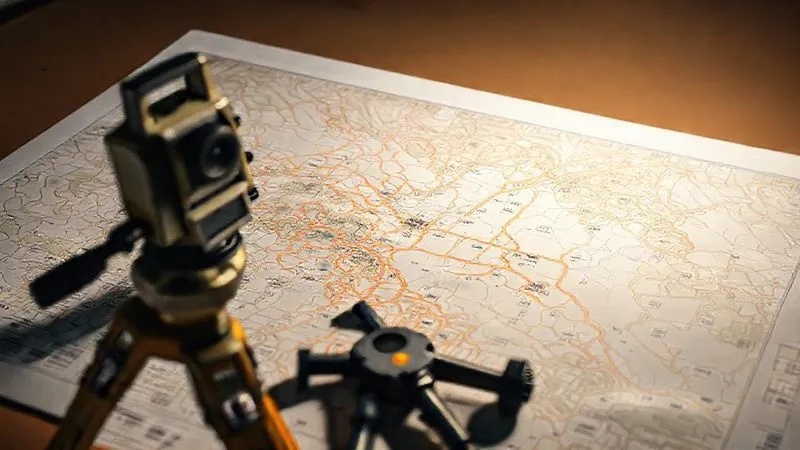
- Verify Property Lines with a Professional Survey: This is non-negotiable. A licensed land surveyor will precisely delineate your property boundaries and the exact extent of the encroachment. This document is your primary piece of evidence.
- Gather Existing Deeds, Titles, and Easement Records: Review all historical documents related to your property. These can provide crucial information about original property lines, easements granted, or any prior boundary agreements.
- Document the Encroachment Extensively: Take detailed photographs and videos from various angles, clearly showing the fence and its relation to the surveyed property line. Include measurements, dates, and any distinguishing features.
- Review Local Zoning Ordinances and Building Codes: Some municipalities have specific regulations regarding fence placement, height, and materials. An encroaching fence might also violate these local laws, providing additional leverage.
According to the National Society of Professional Surveyors, a current, certified survey is the most reliable method to determine property lines, significantly reducing ambiguity in disputes. I always advise clients that this investment pays dividends by solidifying their legal standing.
The Art of Communication: Informal Resolution Attempts
While a legal dispute can feel adversarial, my experience has shown that initiating contact with the encroaching party informally can often lead to a swift and less costly resolution. Litigation should always be considered a last resort, especially in commercial dealings where ongoing neighborly relations might be beneficial.
- Identify the Encroaching Party: Ensure you know precisely who owns the adjacent property. This might involve a title search if the ownership isn't immediately clear.
- Gather All Documentation: Before any contact, have your survey, photos, and any relevant property documents ready. This demonstrates you've done your homework and are serious.
- Initiate Polite, Documented Communication: Start with a friendly, yet firm, letter sent via certified mail. Clearly state the issue, referencing your survey, and express your desire to resolve it amicably. Avoid accusatory language.
- Propose Solutions: Rather than just stating the problem, offer potential solutions. This could include sharing the cost of moving the fence, allowing temporary access for removal, or even discussing a minor boundary adjustment if it makes sense for both parties.
Case Study: Downtown Retailer's Fence Dilemma
I once advised a downtown retailer, 'The Urban Sprout,' whose neighbor had erected a new fence that encroached about six inches onto their loading dock area. This seemingly small encroachment significantly hampered their ability to receive deliveries efficiently. Instead of immediately sending a demand letter, I guided The Urban Sprout to approach their neighbor with a copy of their recent survey and a proposal to split the cost of professional fence relocation. By maintaining a cordial, business-like tone and presenting a clear, documented problem with a fair solution, they avoided litigation entirely. The fence was moved within weeks, costing them less than $1,500, and they maintained a positive working relationship with their neighbor. This saved them over $30,000 in potential legal fees and months of business disruption.
“Approaching an encroaching neighbor with professionalism and a documented solution, rather than immediate aggression, often paves the way for the most efficient and cost-effective resolution.”
Formalizing the Dispute: Sending a Demand Letter
If informal attempts at resolution fail, the next crucial step is to formalize your position through a meticulously drafted demand letter. This is where the expertise of a real estate attorney becomes invaluable, as the letter sets the stage for potential legal action.
A well-crafted demand letter should be unambiguous and legally sound. It serves as a clear notification of the encroachment and your intent to enforce your property rights. It typically includes:
- A clear statement identifying the parties involved and the properties in question.
- A detailed description of the encroachment, referencing the professional survey and other supporting documentation.
- The legal basis for your claim, citing relevant property laws.
- A specific demand for action, such as the removal of the fence by a certain date.
- A clear warning of the legal consequences if the demand is not met, including potential lawsuits for trespass, injunctions, and recovery of legal costs.
- An invitation to negotiate a resolution before further legal steps are taken.
This letter is not just a formality; it's a critical piece of evidence should the dispute proceed to court. It demonstrates your good faith efforts to resolve the matter and the other party's failure to respond appropriately. For more insights into drafting effective legal correspondence, you can refer to resources on legal writing best practices from the American Bar Association.
Navigating Legal Avenues: Mediation, Arbitration, and Litigation
When direct negotiations and demand letters fail to yield a resolution, it’s time to explore formal legal avenues. These typically involve a progression from less adversarial methods like mediation to more formal and costly options like litigation.
Mediation: This involves a neutral third party (the mediator) who facilitates communication and negotiation between you and the encroaching party. The mediator does not make decisions but helps both sides explore options for a mutually agreeable settlement. Mediation is generally non-binding, cost-effective, and can preserve business relationships.
Arbitration: Similar to mediation, arbitration uses a neutral third party (the arbitrator) to hear arguments and evidence from both sides. However, unlike mediation, the arbitrator renders a decision, which is often binding. This means both parties must adhere to the arbitrator's ruling. Arbitration is typically less formal and quicker than litigation but can still be costly.
Litigation: This is the most formal and often the most expensive and time-consuming option. It involves filing a lawsuit in court, where a judge or jury will hear the case and issue a binding judgment. Litigation can involve extensive discovery, expert testimony, and appeals. It should be pursued when all other avenues have been exhausted, or when the stakes are exceptionally high.
The choice of legal avenue depends on various factors, including the complexity of the dispute, the willingness of both parties to compromise, and the potential costs involved. My advice is always to start with the least adversarial method and escalate only if necessary.
| Method | Binding Decision | Cost Range | Timeframe | Relationship Impact |
|---|---|---|---|---|
| Mediation | No | Low-Moderate | Weeks-Months | Low |
| Arbitration | Often Yes | Moderate | Months | Moderate |
| Litigation | Yes | High | Months-Years | High |
Understanding Adverse Possession and Prescriptive Easements
These two legal doctrines are critical considerations in any boundary dispute, especially when dealing with long-standing encroachments. As an owner, you need to understand them to protect your rights, and as a claimant, to understand potential defenses.
Adverse Possession: This doctrine allows a trespasser to gain legal title to another's land if they openly, notoriously, hostilely, continuously, and exclusively occupy it for a statutory period (which varies by state, typically 5 to 20 years). For example, if an encroaching fence has been on your commercial property for the statutory period, and the neighbor meets all other criteria, they might claim ownership of the strip of land where the fence stands.
Prescriptive Easement: Similar to adverse possession, but instead of gaining ownership, the trespasser gains the right to *use* the land for a specific purpose. For instance, if a neighbor has continuously and openly used a path across your commercial property for ingress/egress for the statutory period, they might claim a prescriptive easement for that path. The key elements are generally the same as adverse possession, but the outcome is a right of use, not ownership.
Both doctrines emphasize the importance of timely action. If you discover an encroachment, addressing it promptly interrupts the 'continuous' element required for these claims. Ignoring an encroachment for too long can result in losing a portion of your commercial property or granting an unintended easement. I've seen commercial property owners lose valuable square footage simply because they didn't act quickly enough to an obvious encroachment.
“The clock is always ticking on potential adverse possession and prescriptive easement claims. Delaying action on an encroaching fence can turn a simple trespass into a permanent loss of your commercial property rights.”
Enforcement and Execution: Removing the Encroachment Legally
If negotiation, mediation, or arbitration fails, and you secure a favorable court judgment, the next phase involves enforcing that judgment to legally remove the encroaching fence. This is where the court's authority comes into play to ensure compliance.
Typically, a court judgment will order the encroaching party to remove the fence by a specific date. If they fail to comply, you can petition the court for a Writ of Possession or a similar enforcement order. This writ authorizes the sheriff or another law enforcement officer to oversee the removal of the encroachment.
In some cases, the court may order the encroaching party to pay for the removal costs. If they still refuse, you might be able to remove the fence yourself (or hire a contractor to do so) and then seek reimbursement for those costs through the court. It's crucial to follow all legal procedures precisely to avoid any further complications or accusations of self-help which could lead to new legal issues.
The process of enforcement can still be time-consuming, but with a court order in hand, you have the full weight of the legal system behind you. Always consult with your attorney to ensure each step of the enforcement process aligns with local laws and the specific terms of your judgment. This stage is about executing the legal outcome you've diligently pursued.
Preventative Measures for Future Commercial Property Disputes
While knowing how to legally remove an encroaching fence from my commercial property is vital, preventing these disputes in the first place is always the best strategy. Proactive measures can save you significant time, money, and stress, preserving the value and usability of your commercial assets.
- Regular Property Surveys: Periodically conduct or update surveys, especially before significant development or sales. This helps identify and address potential encroachments early.
- Clear Fencing Agreements: If you plan to erect a new fence with a neighbor, draft a formal written agreement specifying its location, shared costs, and maintenance responsibilities.
- Thorough Due Diligence on Acquisition: Before purchasing any commercial property, ensure a recent and accurate survey is part of your due diligence. Review all easements and property records meticulously.
- Boundary Agreements: If a minor boundary ambiguity exists, consider negotiating and recording a formal boundary agreement with your neighbor. This legally clarifies the line and prevents future disputes.
- Prompt Action on Suspected Encroachments: Never ignore even minor suspected encroachments. Investigate immediately and take appropriate steps to address them before they can ripen into adverse possession or prescriptive easement claims.
By implementing these preventative measures, you solidify your property rights and create a more secure environment for your commercial operations. A clear understanding of your boundaries is the foundation of sound commercial property management.
Frequently Asked Questions (FAQ)
Can I just remove the fence myself without legal action? No, absolutely not. Self-help can lead to serious legal repercussions, including accusations of trespass, property damage, and even criminal charges. You must follow legal procedures to avoid escalating the situation and incurring further liability. Always consult with an attorney before taking any physical action against an encroaching structure.
How long does a boundary dispute typically take to resolve? The timeframe varies significantly. Informal resolutions can take weeks, mediation a few months, arbitration several months, and litigation can easily stretch for a year or more, especially if appeals are involved. The complexity of the case, the willingness of parties to negotiate, and court schedules all play a role.
What if the encroaching neighbor claims adverse possession or a prescriptive easement? This significantly complicates the dispute. Your attorney will need to evaluate the validity of their claim based on state law and the specific facts. You will likely need to present evidence to counter their claim, such as proof of permissive use, lack of continuous occupation, or interruption of their use. Timely action on your part is crucial to defeat such claims.
Are there insurance policies that cover boundary disputes? Some commercial property insurance policies or title insurance policies might offer limited coverage for legal fees associated with boundary disputes, especially if the dispute arises from an error in the original title. It's essential to review your specific policy documents carefully and consult with your insurance provider. Title insurance is particularly relevant if the dispute stems from a pre-existing condition at the time of purchase.
What are the typical costs involved in legally removing an encroaching fence? Costs can range widely. Initial surveys might cost $1,000-$5,000+. Attorney fees for demand letters, negotiation, mediation, or arbitration can be several thousands to tens of thousands of dollars. Full litigation can easily cost $50,000 to $100,000 or more, not including potential damages or the actual cost of fence removal. This highlights why early, informal resolution is always preferable.
Key Takeaways and Final Thoughts
Navigating an encroaching fence on your commercial property requires a strategic, informed, and patient approach. As an experienced industry specialist, I've seen how crucial it is to understand the legal landscape to protect your valuable assets.
- Documentation is Your Foundation: A professional survey and thorough record-keeping are your most powerful tools.
- Prioritize Amicable Resolution: Informal communication, backed by facts, can often save significant time and money.
- Engage Legal Expertise Early: A skilled real estate attorney is indispensable for drafting demand letters, navigating legal avenues, and protecting your interests.
- Understand Adverse Possession Risks: Timely action is paramount to prevent long-term loss of property rights.
- Proactive Prevention Pays Off: Regular surveys and clear boundary agreements are the best defense against future disputes.
Remember, your commercial property is a significant investment. Taking decisive, legally sound steps to address an encroaching fence is not just about removing a physical obstruction; it's about safeguarding your property rights, maintaining its value, and ensuring the smooth operation of your business. Don't let an encroachment undermine your commercial success; take control of your boundaries with confidence and expert guidance.
Recommended Reading
- Sudden Shareholder Suit? 7 Steps for Immediate Derivative Defense
- Navigating Global Cyberspace: 7 Strategies for National Cyber Law Enforcement
- How to De-escalate International Tensions Post-Aggression: A 7-Step Framework
- Adoption Disrupted? What Happens Legally If An Adoption Fails
- Wildcat Strikes: Your 5-Step Legal Response for Unionized Teams




Comments
Leave a comment below. Your email will not be published. Required fields marked with *