



How to Legally Stop Counterfeit Products Damaging Brand Reputation?
For over 15 years in intellectual property law, I've witnessed firsthand the devastating impact counterfeit products can have on even the most established brands. It’s not just about lost sales; it’s about the insidious erosion of trust, the tarnishing of a carefully cultivated image, and the long-term damage to a brand’s very essence. Many companies, unfortunately, react too slowly or with piecemeal solutions, allowing the problem to fester.
The proliferation of online marketplaces and global supply chains has only amplified this challenge, making it easier than ever for bad actors to peddle inferior, unauthorized goods. This isn't merely a business nuisance; it's a direct assault on your brand's integrity, its innovation, and ultimately, its financial viability. Ignoring it is simply not an option for any serious enterprise.
In this definitive guide, I will share my expert insights and provide a robust framework of legal strategies designed to help you proactively and effectively tackle this pervasive problem. We will delve into actionable steps, robust enforcement mechanisms, and preventative measures, offering you a clear roadmap on how to legally stop counterfeit products damaging brand reputation and reclaim your market standing.
Understanding the Multi-Faceted Threat of Counterfeiting
Before we dive into solutions, it's crucial to grasp the true scope of the threat. Counterfeiting isn't a monolithic problem; it manifests in various forms, from outright fake products to grey market goods that exploit legal loopholes. Each type poses unique challenges and requires a tailored response.
The Economic and Reputational Toll
The economic impact of counterfeiting is staggering. According to a 2019 report by the OECD and EUIPO, trade in counterfeit and pirated goods amounted to 3.3% of world trade, or €460 billion, in 2016. These figures have likely only grown with the expansion of e-commerce. Beyond direct revenue loss, brands face costs associated with investigations, legal fees, product recalls, and customer support for disgruntled buyers who unknowingly purchased fakes.
However, the reputational damage is often far more insidious and lasting. When a consumer unknowingly buys a counterfeit, their negative experience, whether due to poor quality, safety issues, or lack of functionality, is inevitably attributed to the legitimate brand. This erodes trust, diminishes perceived quality, and can lead to a significant decline in brand loyalty. I've seen brands spend decades building their reputation, only to see it severely compromised within months by unchecked counterfeiting.
Expert Insight: A strong brand reputation is an invaluable asset. Counterfeiting doesn't just steal sales; it steals trust, which is far harder and more expensive to rebuild. Proactive legal defense is an investment in your brand's future.
Pillar 1: Fortifying Your Intellectual Property Foundation
The bedrock of any effective anti-counterfeiting strategy is a robust and globally registered intellectual property (IP) portfolio. Without clearly defined and legally protected trademarks, copyrights, and patents, your ability to take action against infringers is severely limited.
Comprehensive IP Registration: Your First Line of Defense
My first piece of advice to any brand concerned about counterfeiting is to ensure every aspect of their brand – from logos and product names to designs and unique technologies – is properly registered. This isn't a one-time task; it requires ongoing vigilance and strategic expansion.
- Trademark Registration: Register your brand name, logos, slogans, and distinctive product packaging in all relevant jurisdictions where you manufacture, sell, or plan to sell. This provides exclusive rights and forms the primary basis for enforcement. I always recommend considering both national and international registration systems like the Madrid Protocol for efficiency.
- Copyright Protection: Protect original artistic works, product designs, software code, and marketing materials. While copyright often exists automatically upon creation, registration (e.g., with the U.S. Copyright Office) provides stronger enforcement rights and statutory damages.
- Patent Protection: If your products incorporate novel and non-obvious inventions, securing utility or design patents is crucial. This gives you exclusive rights to make, use, and sell the invention, preventing others from copying your core technology or unique aesthetic.
- Trade Secret Safeguards: Identify and protect critical proprietary information, such as manufacturing processes, customer lists, or unique formulas, through robust internal policies, non-disclosure agreements (NDAs), and physical/digital security measures.
Failing to register your IP in key markets leaves you vulnerable. It's like building a castle without walls. I've seen countless cases where brands discover rampant counterfeiting in a specific country, only to find they have no legal standing because they never bothered to register their IP there.
Pillar 2: Proactive Monitoring and Detection Strategies
Registration is the foundation, but constant vigilance is the ongoing effort required to detect infringers before they cause irreparable harm. You can't stop what you don't know exists.
Leveraging Technology for Online Brand Protection
The digital landscape is vast and ever-changing, making manual monitoring impractical. Modern brand protection relies heavily on technology:
- AI-Powered Monitoring Tools: Invest in platforms that use artificial intelligence and machine learning to scan e-commerce sites, social media, dark web forums, and image search engines for unauthorized use of your brand assets. These tools can identify suspicious listings, analyze seller behavior, and prioritize threats.
- Keyword and Image Recognition: Set up automated alerts for specific keywords (e.g., your brand name + 'replica,' 'fake,' 'cheap') and visual recognition tools that can detect your logos or product images being used without permission.
- Domain Name Monitoring: Keep an eye on new domain registrations that incorporate your brand name or variations thereof, as these are often used for phishing or selling counterfeits.
Supply Chain Vigilance: Beyond Your Own Operations
Counterfeits don't just appear online; they often infiltrate physical supply chains. This requires a multi-pronged approach:
- Due Diligence on Partners: Thoroughly vet all manufacturers, distributors, and logistics partners. Ensure they have robust security protocols and contractual obligations regarding IP protection.
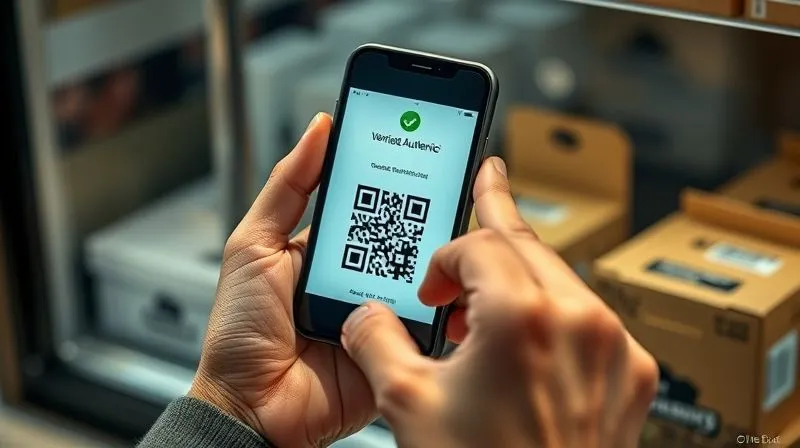
- Product Authentication Technologies: Implement anti-counterfeiting features directly into your products or packaging. This could include holograms, RFID tags, QR codes that link to authentication apps, or unique serial numbers. This empowers consumers and enforcement agencies to verify authenticity.
- Regular Audits: Conduct unannounced audits of your manufacturing facilities and those of your suppliers to ensure compliance with quality standards and security measures.
| Monitoring Aspect | Tools & Tactics | Benefit |
|---|---|---|
| Online Marketplaces | AI-powered scanners, keyword alerts, image recognition | Rapid detection of illicit listings & sellers |
| Social Media & Forums | Sentiment analysis, influencer monitoring, direct reporting | Identify viral infringements & reputational threats |
| Physical Supply Chain | Product serialization, RFID tags, supplier audits | Prevent infiltration of fakes at source & distribution |
| Domain Names | Automated domain watch services | Early warning for cybersquatting & fake websites |
Pillar 3: Strategic Legal Enforcement Actions
Once counterfeits are detected, swift and decisive legal action is paramount. This isn't just about stopping current infringers; it's about sending a clear message to potential future offenders.
Issuing Cease and Desist Letters: The Formal Warning
Often, the first step is a well-crafted cease and desist (C&D) letter. While it's not a lawsuit, it's a formal legal communication that:
- Identifies the Infringement: Clearly states how the other party is infringing your IP rights.
- Demands Cessation: Requires them to immediately stop the infringing activities.
- Requests Remedial Actions: May ask for an accounting of profits, destruction of counterfeit goods, or a public retraction.
- Threatens Further Action: Informs them of the legal consequences if they fail to comply.
A C&D letter, particularly when issued by an experienced IP attorney, can be highly effective in stopping smaller-scale infringers who may not fully understand the legal ramifications or wish to avoid costly litigation. It demonstrates your brand's seriousness in protecting its assets.
Customs Recordation and Border Enforcement
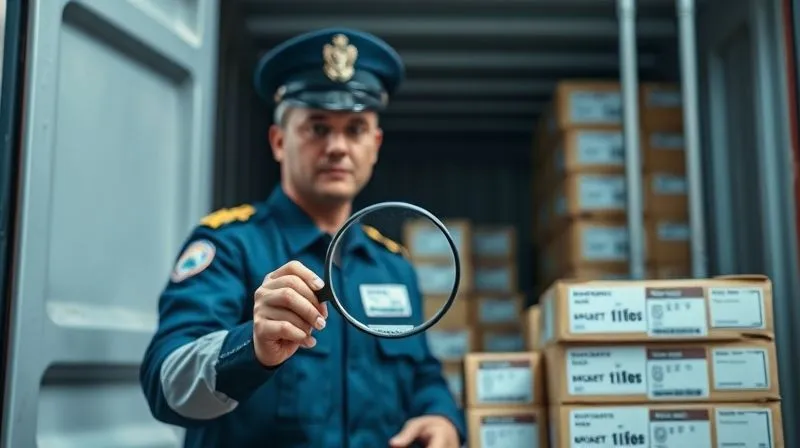
For brands facing significant international counterfeiting, working with customs authorities is a game-changer. By recording your IP rights with customs agencies in key import/export countries, you empower them to detain suspected counterfeit shipments at the border.
- How it Works: You provide customs with detailed information about your IP, authorized products, and known counterfeit characteristics. When suspicious goods are intercepted, customs can alert you, allowing you to confirm infringement and initiate seizure procedures.
- Key Jurisdictions: Focus on countries known for manufacturing or transshipping counterfeit goods, as well as major consumer markets. The U.S. Customs and Border Protection (CBP) offers robust recordation programs.
Case Study: Global Brand X's Customs Success
Global Brand X, a luxury fashion house, struggled with rampant counterfeit handbags entering the U.S. market. Despite online takedowns, the sheer volume was overwhelming. Following my advice, they meticulously recorded their trademarks and unique design elements with U.S. CBP. Within six months, CBP intercepted over 50 shipments, totaling thousands of fake bags. This proactive border enforcement significantly reduced the flow of counterfeits, allowing Brand X to focus on other enforcement avenues and ultimately restoring consumer confidence in their authentic products. This demonstrates the power of integrating legal enforcement directly into the global trade infrastructure.
Pillar 4: Digital Platform Takedowns and Online Enforcement
The internet is a double-edged sword: a powerful sales channel and a breeding ground for counterfeits. Effective brand protection demands aggressive online enforcement.
Navigating E-commerce Marketplaces and Social Media
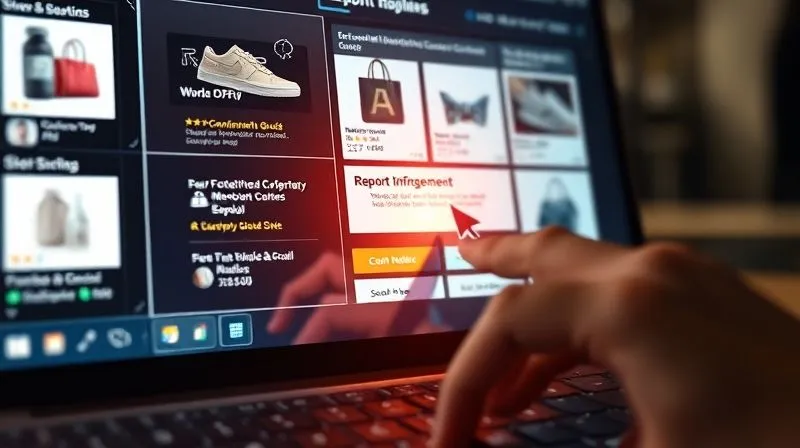
Most major e-commerce platforms (Amazon, eBay, Alibaba, Shopify stores) and social media sites (Facebook, Instagram, TikTok) have established IP infringement reporting mechanisms. Understanding and utilizing these processes is crucial:
- Platform-Specific Procedures: Each platform has its own reporting portal and requirements. Familiarize yourself with them or use third-party brand protection services that automate these submissions.
- Evidence Collection: Gather compelling evidence, including screenshots of infringing listings, seller information, and proof of your IP ownership. The more detailed and clear your evidence, the faster the takedown.
- Repeat Infringer Policies: Many platforms have policies to ban or suspend sellers who repeatedly infringe. Track these offenders and leverage these policies to remove persistent threats.
- Social Media Crackdowns: Counterfeiters often use social media for advertising and direct sales. Report infringing posts, profiles, and ads. Engage with the platforms' brand protection teams if available.
I've observed that a consistent, high-volume approach to takedowns is often more effective than sporadic efforts. It creates a 'whack-a-mole' scenario for infringers, making it less profitable and more burdensome for them to operate. This sustained pressure helps to legally stop counterfeit products damaging brand reputation online.
Pillar 5: Litigation and Arbitration: When Negotiations Fail
While often a last resort due to cost and complexity, litigation remains the most powerful tool for IP enforcement. When other measures fail, or when dealing with large-scale, recalcitrant infringers, taking them to court becomes necessary.
Pursuing Damages and Injunctive Relief
In IP litigation, you can seek several forms of relief:
- Injunctive Relief: A court order compelling the infringer to stop their illegal activities immediately and permanently. This is often the primary goal.
- Monetary Damages: Compensation for losses suffered due to the infringement. This can include:
- Actual Damages: Lost profits or a reasonable royalty.
- Statutory Damages: Pre-defined amounts set by law, often available for copyright or trademark infringement, particularly useful when actual damages are hard to prove.
- Defendant's Profits: Recovery of the profits the infringer made from selling counterfeits.
- Enhanced Damages: In cases of willful infringement, courts may award treble damages.
- Attorney's Fees: In exceptional cases, courts may order the losing party to pay the prevailing party's legal fees.
- Seizure and Destruction: A court order allowing the seizure and destruction of all infringing goods and manufacturing tools.
Arbitration can be a more private and sometimes faster alternative to traditional court litigation, especially in international disputes or when specified in contracts. It involves presenting your case to an impartial arbitrator whose decision is usually binding.
| Legal Action | Pros | Cons |
|---|---|---|
| Cease & Desist Letter | Cost-effective, quick, non-confrontational first step | No legal force if ignored, relies on infringer's compliance |
| Customs Recordation | Proactive border interdiction, high volume potential | Requires active management, jurisdictional limits |
| Online Takedowns | Fast removal of listings, platform support | 'Whack-a-mole' issue, platform policies vary |
| Litigation/Arbitration | Strongest legal force, potential for significant damages & injunctions | High cost, time-consuming, complex, public record |
Pillar 6: International Cooperation and Cross-Border Enforcement
Counterfeiting is a global problem, and your enforcement strategy must reflect that reality. Relying solely on domestic laws is often insufficient when dealing with sophisticated international networks.
Building a Global Anti-Counterfeiting Network
From my experience, effective international enforcement requires:
- Local Counsel Engagement: Partner with experienced IP attorneys in key foreign jurisdictions. They understand local laws, cultural nuances, and have established relationships with local enforcement agencies.
- International Treaties and Agreements: Leverage international frameworks like the TRIPS Agreement (Agreement on Trade-Related Aspects of Intellectual Property Rights) under the WTO, which mandates minimum IP protection standards for member countries.
- Collaborating with Law Enforcement: Work closely with international police forces (e.g., Interpol) and customs organizations. They often have intelligence on large-scale counterfeiting operations that can lead to significant busts.
- Industry Alliances: Join industry associations or anti-counterfeiting groups. These alliances often pool resources, share intelligence, and lobby for stronger IP protection laws globally.
Remember, a counterfeit product manufactured in one country might be shipped through another and sold in a third. A truly effective strategy must consider this entire global chain.
Pillar 7: Consumer Education and Brand Loyalty
While legal actions are crucial, empowering your consumers is an often-underestimated yet powerful defense against counterfeiting. Educated consumers become your allies in the fight.
Empowering Your Customers to Identify Fakes
I always advise brands to actively engage their customer base in anti-counterfeiting efforts:
- Provide Authentication Guides: Publish clear, visual guides on your website and social media showing how to distinguish genuine products from fakes. Highlight unique features, packaging details, and quality markers.
- Dedicated Reporting Channels: Create an easy-to-use online portal or email address where customers can report suspected counterfeits. Make it simple for them to submit photos and details.
- Promote Authorized Retailers: Clearly list all authorized distributors and retailers on your website. Encourage customers to only purchase from these trusted sources.
- Utilize Product Authentication Apps: If you implement QR codes or NFC tags, promote the use of your authentication app to verify product authenticity at the point of purchase.
By making consumers part of the solution, you not only reduce the demand for fakes but also strengthen brand loyalty. Consumers appreciate a brand that actively protects its integrity and their investment.
Frequently Asked Questions (FAQ)
Question: How quickly can I expect to see results from anti-counterfeiting efforts? The timeline varies significantly depending on the scale of the problem and the strategies employed. Online takedowns can be quite fast (days to weeks), while customs interdictions might take longer to establish a consistent flow. Litigation, however, can span months or even years. The key is consistent, sustained effort. It's not a sprint; it's a marathon.
Question: Is it worth pursuing small-time infringers, or should I only focus on large manufacturers? While large manufacturers cause the most damage, neglecting smaller infringers can lead to a 'death by a thousand cuts' scenario. Furthermore, successfully pursuing smaller infringers sends a deterrent message and can sometimes lead to intelligence about larger networks. A balanced strategy often involves a tiered approach: quick takedowns for small players, and more aggressive legal action for significant threats.
Question: What are the biggest mistakes brands make when fighting counterfeits? In my experience, the biggest mistakes are: 1) Procrastination and underestimating the threat, 2) Failing to register IP broadly enough, 3) Inconsistent enforcement, which signals weakness, and 4) Not having a clear, integrated strategy that combines legal, technical, and consumer-facing elements.
Question: Can I recover legal costs from counterfeiters? In some jurisdictions and under certain circumstances, yes. If you successfully pursue litigation and can prove willful infringement, courts may award attorney's fees or enhanced damages. However, collecting from anonymous or foreign counterfeiters can be challenging, even with a favorable judgment. The primary goal is often to stop the infringement, not necessarily to recoup all costs.
Question: How important is internal company training for brand protection? Extremely important. Your employees are your eyes and ears. Training sales, marketing, and even production staff to recognize fakes, report suspicious activities, and understand the importance of IP protection fosters a culture of vigilance. This internal awareness can often be the first line of defense against counterfeits infiltrating your own channels.
Key Takeaways and Final Thoughts
Protecting your brand from counterfeits is not just a legal battle; it's a strategic imperative for long-term business success. The damage caused by fake products extends far beyond lost sales, striking at the very heart of your brand's reputation and consumer trust. My years in this field have taught me that a proactive, multi-faceted approach is the only truly effective defense.
- Fortify Your IP: Ensure comprehensive global registration of all trademarks, copyrights, and patents.
- Monitor Relentlessly: Utilize technology and human intelligence to detect infringements online and within your supply chain.
- Enforce Aggressively: Employ a range of legal tools, from cease and desist letters to customs recordation and online takedowns.
- Consider Litigation: Be prepared to pursue legal action when other measures fail, seeking injunctive relief and damages.
- Think Globally: Engage international counsel and collaborate with global enforcement agencies.
- Empower Consumers: Educate your customers to become active participants in identifying and reporting fakes.
The journey to legally stop counterfeit products damaging brand reputation is ongoing, demanding vigilance, strategic planning, and unwavering commitment. By implementing these expert-driven strategies, you can not only mitigate the immediate threat but also build a resilient, future-proof brand that stands strong against the tide of infringement. Your brand's legacy depends on it.
Recommended Reading
- IRS Bank Levy: 7 Urgent Steps When Your Client's Account is Frozen
- Employee Refuses Unsafe Work? 7 Legal Steps for Employers
- How to Challenge Ineffective Assistance of Counsel Claims Effectively
- 7 Ways to Protect Retirement Assets in Chapter 7 Bankruptcy
- H-1B Expiring, No Green Card? 7 Emergency Paths to Stay in the US



Comments
Leave a comment below. Your email will not be published. Required fields marked with *