



How to Mitigate HOA Non-Compliance Litigation Risks Effectively?
For over two decades in real estate law, specializing in homeowners associations, I've witnessed firsthand the devastating impact of non-compliance litigation. It's not just about winning or losing in court; it's about the erosion of community spirit, the exorbitant legal fees, and the immense stress placed on volunteer board members. I've seen vibrant communities torn apart by disputes that could have been avoided with proactive measures.
The core problem often stems from a disconnect: homeowners unaware of their obligations or feeling unfairly targeted, and HOAs struggling to enforce rules consistently without escalating tensions. This friction, if left unaddressed, quickly boils over into formal complaints, demands for arbitration, and ultimately, costly lawsuits that drain an association's reserves and its members' goodwill.
In this definitive guide, I will share my expert insights and practical frameworks designed to help your HOA navigate the complex landscape of compliance, significantly reducing the likelihood of litigation. We’ll explore actionable strategies, real-world case studies, and essential best practices that empower your association to foster harmony, enforce rules fairly, and protect its financial and legal standing.
Understanding the Landscape: The Root Causes of HOA Litigation
Before we delve into mitigation strategies, it's crucial to understand why HOAs find themselves in court. Litigation doesn't typically spring up overnight; it's usually the culmination of unresolved issues, poor communication, or inconsistent enforcement. Recognizing these underlying causes is the first step toward effective prevention.
Common Triggers for Non-Compliance Disputes
In my experience, many disputes arise from seemingly minor issues that snowball. Often, these include:
- Architectural Violations: Unapproved exterior modifications, landscaping changes, or fence installations.
- Nuisance Complaints: Noise, pet disturbances, or parking infractions that disrupt neighbors.
- Assessment Delinquencies: Unpaid dues or special assessments, leading to collection efforts.
- Maintenance Responsibilities: Disagreements over who is responsible for specific repairs or upkeep.
- Rule Interpretation: Ambiguity in governing documents leading to differing understandings of regulations.
- Procedural Errors: HOAs failing to follow proper notice, hearing, or voting procedures as outlined in their bylaws.
Each of these can escalate if not handled with care, transparency, and adherence to established protocols. A single misstep can provide a homeowner with grounds to challenge the HOA's authority in court.
The Financial and Reputational Costs
The financial burden of litigation on an HOA can be immense. Legal fees, court costs, and potential judgments can quickly deplete reserves, leading to special assessments for all homeowners. Beyond the direct monetary impact, there are significant indirect costs:
- Time and Resources: Board members and management spend countless hours dealing with legal issues, diverting attention from community improvements.
- Increased Insurance Premiums: A history of litigation can make it harder and more expensive for an HOA to secure adequate insurance coverage.
- Damaged Reputation: Public legal battles can create a negative perception of the community, potentially affecting property values and homeowner satisfaction.
- Community Discord: Litigation breeds animosity, making it difficult to foster a cohesive and harmonious living environment.
Expert Insight: "An ounce of prevention is worth a pound of cure, especially in HOA law. Proactive measures not only save money but also preserve the invaluable fabric of community trust."
Strategy 1: Fortifying Your Governing Documents
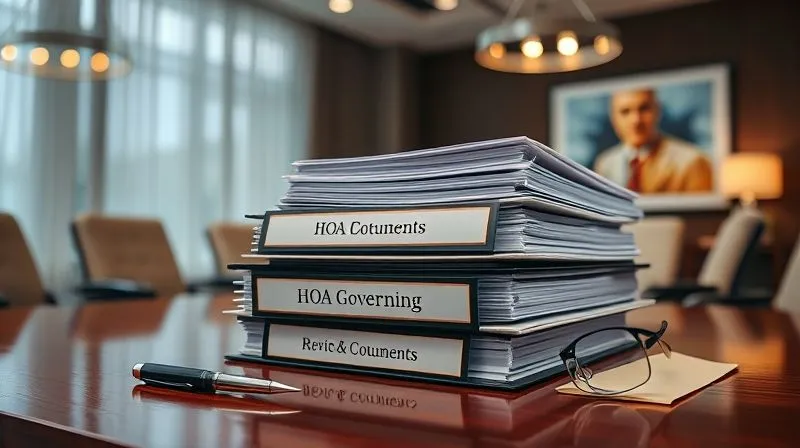
The foundation of any strong HOA lies in its governing documents: the Declaration of Covenants, Conditions, and Restrictions (CC&Rs), Bylaws, and Rules & Regulations. These documents are your HOA's constitution, and their clarity, enforceability, and currency are paramount in mitigating non-compliance litigation risks effectively.
Regular Review and Modernization
I cannot stress enough the importance of regularly reviewing and updating your governing documents. Laws change, community needs evolve, and what was relevant 20 years ago may be outdated today. A stagnant set of documents is an open invitation for legal challenges.
- Annual Legal Review: Engage experienced HOA legal counsel to conduct an annual or bi-annual review of your CC&Rs, bylaws, and rules. They can identify clauses that are ambiguous, unenforceable, or in conflict with current state and federal laws.
- Amend for Clarity: Identify and amend any provisions that lead to frequent misunderstandings or disputes. Ensure language is clear, concise, and leaves little room for individual interpretation.
- Address New Issues: Modern communities face new challenges, such as short-term rentals, electric vehicle charging stations, or evolving pet policies. Your documents should address these proactively.
- Align with State Statutes: Regularly check for legislative updates in your state that impact HOAs. Many states periodically revise statutes concerning common interest developments, and your documents must comply.
As Nolo.com often highlights, well-drafted documents are the first line of defense against legal disputes.
Clarity and Enforceability
Vague rules are unenforceable rules. If a provision is not clear about what is prohibited or required, how it will be enforced, and what the consequences of non-compliance are, it's a weak link. Ensure your documents clearly define:
- Specific Standards: Instead of "keep your yard tidy," specify "grass height not to exceed 6 inches" or "no unapproved items stored in public view."
- Enforcement Procedures: Detail the exact steps for addressing violations, from initial notice to fines or legal action.
- Due Process: Ensure all homeowners are afforded due process, including notice of violation, opportunity to be heard, and an appeals process.
This meticulous attention to detail in your governing documents creates a strong legal framework that homeowners can understand and respect, making it harder for them to claim ignorance or unfair treatment.
Strategy 2: Cultivating Proactive Communication and Transparency
Many HOA disputes, and subsequent litigation, could be avoided with better communication. A transparent, open, and consistent communication strategy builds trust, educates homeowners, and minimizes misunderstandings. It's about creating an environment where homeowners feel heard and informed, rather than dictated to.
Establishing Clear Communication Channels
Provide multiple, accessible channels for homeowners to receive information and submit inquiries or concerns. A diverse approach ensures everyone stays informed, regardless of their preferred method.
| Channel | Purpose | Frequency |
|---|---|---|
| HOA Website/Portal | Official notices, document access, online forms | Ongoing, as needed |
| Email Newsletters | Updates, reminders, events, policy changes | Monthly/Bi-weekly |
| Community Meetings (Virtual & In-person) | Open discussion, voting, feedback, Q&A sessions | Quarterly/Annually |
| Physical Bulletin Boards/Mailers | Important local notices, non-digital access | As needed |
Regularly solicit feedback on communication effectiveness. Are messages clear? Are they reaching everyone? Adjust your strategy based on community input.
Educating Homeowners on Rules and Responsibilities
Don't assume homeowners have read or understood the governing documents. Proactive education is key to preventing non-compliance. I've found that ignorance, not malice, is often the root of many violations.
- Welcome Packets: Provide new homeowners with a comprehensive welcome packet that includes a summary of key rules, contact information, and how to access full documents.
- Rule Reminders: Periodically send out friendly reminders about common rules (e.g., holiday decoration guidelines, pet waste rules, architectural review processes) before issues arise.
- Interactive Workshops: Consider hosting informal workshops or Q&A sessions where board members or management can explain complex rules and answer homeowner questions in a non-confrontational setting.
- Visual Aids: Use infographics, short videos, or clear diagrams to illustrate complex rules, such as proper trash disposal or architectural approval processes.
When homeowners understand the 'why' behind the rules and the process for compliance, they are far more likely to adhere to them. This transparency significantly reduces friction and the perception of arbitrary enforcement.
Strategy 3: Implementing Fair and Consistent Enforcement Policies
Inconsistent or perceived unfair enforcement is a primary driver of non-compliance litigation. Homeowners are quick to point out favoritism or arbitrary application of rules, which can undermine the HOA's authority and lead to legal challenges. Establishing and adhering to a clear, consistent, and equitable enforcement policy is critical.
Developing a Graded Enforcement Process
A multi-step, escalating enforcement process allows for resolution at the lowest possible level, often before legal action is even considered. This also demonstrates the HOA's good faith in attempting to resolve issues amicably.
- Initial Friendly Reminder: For minor infractions, a polite, informal notice (e.g., door hanger, email) might suffice. This assumes accidental non-compliance.
- Formal Written Warning: If the violation persists, send a formal letter detailing the specific rule violated, the date of observation, and the required corrective action, along with a reasonable deadline.
- Notice of Hearing: If the violation continues, issue a notice of hearing before the board or a designated committee. This must clearly state the alleged violation, the potential penalties (e.g., fines), and the homeowner's right to present their case.
- Hearing and Decision: Conduct the hearing fairly, allowing the homeowner to speak. The board then makes a decision, which should be communicated in writing, detailing any penalties and the timeline for compliance.
- Imposition of Fines/Other Penalties: If compliance is still not achieved, impose the penalties as outlined in the governing documents, ensuring they are reasonable and consistent.
- Legal Action (Last Resort): Only after all other avenues have been exhausted should the HOA consider legal action, such as filing a lien, pursuing a lawsuit for injunctive relief, or foreclosure.
Documenting Every Step
Thorough documentation is your best defense in any legal challenge. Every interaction, notice, hearing, and decision related to non-compliance must be meticulously recorded. This includes:
- Dates and times of observations.
- Specific rule violated.
- Photographic or video evidence (where appropriate and legally permissible).
- Copies of all notices sent to the homeowner (with proof of delivery).
- Minutes of all hearings or meetings where the violation was discussed.
- Records of any fines imposed and payments made.
This comprehensive paper trail demonstrates that the HOA followed its own procedures and acted reasonably and consistently.
Expert Insight: "Consistency is the bedrock of fair enforcement. If you enforce a rule for one homeowner, you must be prepared to enforce it for all. Any deviation opens the door to claims of discrimination or arbitrary action."
Strategy 4: Embracing Alternative Dispute Resolution (ADR)
Litigation should always be the last resort. Alternative Dispute Resolution (ADR) methods, such as mediation and arbitration, offer more cost-effective, time-efficient, and less adversarial ways to resolve non-compliance issues. I've seen ADR save countless HOAs from lengthy and expensive court battles, preserving community harmony in the process.
Mediation: A Path to Amicable Solutions
Mediation involves a neutral third party (the mediator) who facilitates communication and negotiation between the HOA and the homeowner. The mediator does not make decisions but helps the parties find common ground and reach a mutually acceptable agreement.
- Voluntary and Confidential: Mediation is typically voluntary and confidential, encouraging open discussion without fear of prejudice in future legal proceedings.
- Preserves Relationships: By focusing on interests rather than positions, mediation can help maintain or even repair relationships within the community.
- Cost-Effective: Significantly cheaper than litigation, as it avoids extensive discovery, court fees, and prolonged legal counsel involvement.
- Flexible Outcomes: Allows for creative solutions tailored to the specific situation, rather than a rigid legal judgment.
Many state statutes, such as those in California, actually mandate or strongly encourage ADR before litigation for certain HOA disputes, recognizing its effectiveness.
Arbitration: Binding Decisions Without Court
Arbitration is a more formal process than mediation, but still less formal and costly than court. A neutral third party (the arbitrator) hears evidence and arguments from both sides and then issues a binding decision, similar to a judge.
- Binding Decisions: The arbitrator's decision is legally binding and generally enforceable in court, providing a definitive resolution.
- Faster Resolution: Typically much quicker than traditional court proceedings.
- Expert Arbitrators: Arbitrators often have specialized knowledge in HOA law, which can be invaluable for complex disputes.
- Less Adversarial: While more formal than mediation, it's generally less confrontational than litigation, with simplified rules of evidence and procedure.
Case Study: Harmony Heights HOA's Mediation Success
Case Study: Harmony Heights HOA's Mediation Success
Harmony Heights HOA faced a contentious dispute with a homeowner over a significant architectural modification that violated CC&Rs. The homeowner felt unfairly targeted, and the board was prepared to pursue legal action. Instead, they opted for mediation. Through a skilled mediator, both parties were able to express their concerns and understand each other's perspectives. The homeowner learned about the structural integrity concerns and aesthetic impact on the community, while the board understood the homeowner's desire for a unique design. The outcome was a compromise: the homeowner agreed to modify the design to meet specific HOA aesthetic guidelines and structural requirements, avoiding a costly lawsuit, preserving community peace, and setting a precedent for future dispute resolution.

Strategy 5: Investing in Board Education and Professional Management
The effectiveness of an HOA in mitigating litigation risks is directly tied to the competence and knowledge of its board members and management. Volunteer board members, while well-intentioned, often lack the specialized legal and operational knowledge required to run a complex community association. Investing in education and professional expertise is not an expense; it's a critical investment in risk reduction.
Ongoing Training for Board Members
Board members are fiduciaries, meaning they have a legal obligation to act in the best interests of the association. This responsibility requires a clear understanding of their duties, rights, and limitations. Regular training is paramount.
- Legal Compliance Workshops: Attend workshops on state HOA laws, fair housing regulations, and proper meeting procedures. Organizations like the Community Associations Institute (CAI) offer excellent resources.
- Financial Management Training: Understand budgeting, reserve studies, and assessment collection processes to avoid financial mismanagement, a common source of disputes.
- Dispute Resolution Skills: Train board members in basic conflict resolution and communication techniques to de-escalate tensions before they become legal issues.
- Ethical Conduct: Emphasize the importance of ethical decision-making, avoiding conflicts of interest, and maintaining confidentiality.
A well-educated board makes informed decisions, acts within its authority, and is less likely to make procedural errors that can be exploited in litigation.
The Value of Professional HOA Management
While some small HOAs manage themselves, a professional management company brings invaluable expertise and resources. They are typically well-versed in HOA law, best practices, and efficient operational procedures.
- Expert Guidance: Managers can advise the board on legal compliance, enforcement procedures, and administrative best practices.
- Consistency and Objectivity: A professional manager can ensure consistent rule enforcement, free from personal biases that can sometimes affect volunteer boards.
- Administrative Support: They handle the day-to-day operations, including communication, record-keeping, maintenance coordination, and financial administration, freeing the board to focus on governance.
- Network of Professionals: Managers often have established relationships with attorneys, contractors, and other vendors specializing in HOA needs.
Expert Insight: "A professional HOA manager acts as a vital buffer and an invaluable resource, ensuring operational excellence and legal adherence, thereby significantly reducing the board's direct exposure to litigation risks."
Strategy 6: Leveraging Technology for Compliance Tracking
In today's digital age, technology offers powerful tools to streamline HOA operations, enhance communication, and meticulously track compliance, all of which are crucial for mitigating HOA non-compliance litigation risks effectively. Manual processes are prone to error, inconsistency, and can be difficult to audit, making them a liability in legal disputes.
Digital Platforms for Rule Enforcement and Communication
Modern HOA management software can revolutionize how associations handle compliance. These platforms provide centralized systems for tracking violations, managing communications, and storing critical documents.
- Violation Tracking Modules: Log violations with specific details, dates, photos, and a clear audit trail of all actions taken (notices sent, fines imposed, resolutions). This provides undeniable evidence of consistent enforcement.
- Communication Portals: Facilitate secure and documented communication between the board, management, and homeowners. All messages are recorded, providing transparency and a record of interactions.
- Document Repositories: Store all governing documents, meeting minutes, financial records, and legal correspondence in an easily accessible, secure, and searchable format. This ensures that homeowners and board members always have access to the latest versions.
- Architectural Review Processes: Streamline the application, review, and approval process for architectural modifications, ensuring all steps are documented and consistent.
Data-Driven Compliance Monitoring
Technology allows HOAs to move beyond reactive enforcement to proactive, data-driven compliance monitoring. By analyzing patterns, HOAs can identify areas of frequent non-compliance and address them through targeted education or rule clarifications.
| Solution Category | Key Features | Benefit for HOA |
|---|---|---|
| Community Management Software | Document repository, violation tracking, communication portal, payment processing, architectural review forms | Centralized data, efficiency, transparency, consistent enforcement records |
| Online Dispute Resolution (ODR) Platforms | Secure communication, virtual mediation tools, document sharing, case management | Cost-effective dispute resolution, accessibility, documented negotiation history |
| Automated Communication Systems | Email blasts, SMS alerts, personalized notifications, resident surveys | Timely information dissemination, reduces manual effort, gathers feedback on compliance issues |
The ability to quickly retrieve records, demonstrate a consistent enforcement history, and provide clear communication through a digital platform significantly strengthens an HOA's position if a non-compliance issue ever escalates to litigation.
Strategy 7: Establishing a Robust Legal Counsel Relationship
Even with the best proactive measures, legal issues can arise. Having a strong, ongoing relationship with experienced HOA legal counsel is not a luxury; it's a necessity. This relationship should be proactive, not just reactive, ensuring your HOA has expert guidance before problems escalate.
Proactive Legal Review and Guidance
Engage legal counsel for regular, preventative advice. This includes:
- Document Review: As mentioned earlier, regular legal review of governing documents to ensure compliance with current laws and to address ambiguities.
- Policy Development: Consult with counsel when developing new policies or amending existing ones, especially those related to enforcement, assessments, or common areas.
- Board Training: Have your attorney provide training sessions for the board on legal responsibilities, fiduciary duties, and compliance best practices.
- Complex Issue Consultation: Seek legal advice on unusual or complex situations before making decisions that could lead to disputes. For instance, questions around reasonable accommodations for disabilities, or complex common area maintenance issues.
Think of your HOA attorney as a strategic partner, not just someone you call when you're already in trouble. Their proactive input can steer you clear of many potential pitfalls.
When to Engage Legal Counsel
While proactive engagement is ideal, there are specific situations where immediately involving legal counsel is critical to mitigate HOA non-compliance litigation risks effectively:
- When a homeowner threatens legal action or serves the HOA with a legal notice.
- When dealing with persistent or severe non-compliance issues that have exhausted all internal enforcement steps.
- When interpreting complex or ambiguous sections of your governing documents or state law.
- When considering significant financial decisions, such as special assessments, large contracts, or borrowing.
- When facing allegations of discrimination or harassment.
- When preparing for or engaging in alternative dispute resolution (mediation or arbitration).
Delaying legal counsel in these situations can exacerbate the problem, increase costs, and potentially weaken the HOA's position. As Forbes Advisor often emphasizes, understanding and adhering to legal frameworks is crucial for HOAs.
Frequently Asked Questions (FAQ)
What's the biggest mistake HOAs make regarding non-compliance? In my professional opinion, the single biggest mistake is inconsistent enforcement. When rules are applied selectively or leniently for some but strictly for others, it immediately creates a perception of unfairness and opens the door to claims of discrimination, arbitrary action, and ultimately, litigation. Consistency, transparency, and due process are paramount to maintaining credibility and legal defensibility.
How often should HOA governing documents be reviewed? I recommend a comprehensive legal review of all governing documents at least every 3-5 years, or immediately if there are significant changes in state HOA laws, federal regulations (like fair housing), or major shifts in community needs or demographics. Annual checks for minor updates or clarifications are also beneficial. Proactive review ensures your documents remain legally sound and relevant.
Can an HOA enforce rules not explicitly in its CC&Rs? Generally, no. An HOA's power to enforce rules is derived directly from its governing documents and applicable state law. While an HOA board can adopt "Rules and Regulations" to interpret or expand upon existing CC&R provisions, these rules cannot contradict the CC&Rs or state law, nor can they create entirely new restrictions without proper amendment of the CC&Rs (which usually requires a homeowner vote). Any attempt to enforce rules not properly established can lead to legal challenges.
What are the key differences between mediation and arbitration? The primary difference lies in the outcome. In mediation, a neutral third party facilitates discussion to help the disputing parties reach a mutually agreeable settlement; the mediator does not impose a decision. In arbitration, a neutral third party hears evidence and arguments from both sides and then issues a binding decision, similar to a court judgment. Mediation is about finding common ground, while arbitration is about getting a definitive ruling outside of court.
How can an HOA deal with a homeowner who repeatedly violates rules despite warnings? For persistent violators, the HOA must meticulously follow its established, graded enforcement policy. This means ensuring every step—from initial notice to formal warnings, hearing notices, and imposition of fines—is properly documented. If all internal remedies, including ADR, fail, then the HOA, with the advice of legal counsel, may need to pursue legal action such as filing a lawsuit for injunctive relief to compel compliance or, if allowed by documents and state law, foreclosing on a lien for unpaid fines. The key is strict adherence to process and thorough documentation.
Key Takeaways and Final Thoughts
Mitigating HOA non-compliance litigation risks effectively is not a single action but an ongoing commitment to best practices. It requires diligence, foresight, and a genuine desire to foster a harmonious community. My years in this specialized field have taught me that prevention is always more cost-effective and community-preserving than reaction.
- Fortify Your Foundation: Ensure your governing documents are clear, current, and legally sound.
- Communicate with Clarity: Foster transparency and educate homeowners proactively.
- Enforce with Consistency: Apply rules fairly and follow a graded, documented process.
- Embrace Resolution: Utilize ADR methods like mediation and arbitration before resorting to court.
- Invest in Expertise: Support board education and consider professional management.
- Leverage Technology: Use digital tools for efficient compliance tracking and communication.
- Partner with Counsel: Establish a proactive relationship with experienced HOA legal counsel.
By implementing these seven strategies, your HOA can significantly reduce its exposure to litigation, save substantial resources, and cultivate a thriving, compliant community where residents feel respected and heard. It's about building a robust framework that protects your association and promotes the peaceful enjoyment of homeownership for everyone.
Recommended Reading
- Unlock Growth: How to Align IP Strategy with Business Goals Effectively
- Transnational Law Remedies: Your Ultimate Guide to Justice!
- 9 Critical Steps: How to Protect Business Assets from Police Forfeiture.
- 5 Steps: Resolve Title Issues Threatening Your Property Acquisition
- Unlock Success: Your Ultimate Guide to Preparing for a Sports Arbitration Hearing




Comments
Leave a comment below. Your email will not be published. Required fields marked with *