



How to Mitigate Legal Risks from Accidental Endangered Species Take?
For over two decades in environmental law, particularly within the complex realm of wildlife protection, I've witnessed firsthand the profound and often devastating consequences when businesses and developers inadvertently violate the Endangered Species Act (ESA). It’s a common misconception that 'accidental' means 'excusable' – a dangerous assumption that can lead to crippling fines, project delays, and irreparable reputational damage.
The legal landscape surrounding endangered species is fraught with peril for the unprepared. An 'accidental take' – even if unintentional and unforeseen – carries the same legal weight as a deliberate act. This reality presents a significant challenge for any entity operating in areas where threatened or endangered species might be present, turning routine operations into potential legal minefields.
In this comprehensive guide, I will share my expert insights and practical frameworks to help you navigate these treacherous waters. We'll explore proactive strategies, regulatory pathways, and best practices that not only mitigate legal risks from accidental endangered species take but also foster a culture of environmental stewardship within your organization. My goal is to equip you with actionable knowledge, drawn from years of experience, to protect both your projects and our invaluable wildlife.
Understanding the 'Take' Prohibition Under the ESA
Before we delve into mitigation, it's crucial to grasp the core concept of 'take' as defined by the Endangered Species Act. This isn't just about direct harm; the ESA casts a wide net, making even indirect impacts a serious violation. Section 9 of the ESA broadly prohibits the 'take' of any endangered fish or wildlife species.
What exactly constitutes a 'take'? The ESA defines 'take' as to harass, harm, pursue, hunt, shoot, wound, kill, trap, capture, or collect, or to attempt to engage in any such conduct. The U.S. Fish and Wildlife Service (USFWS) regulations further define 'harm' to include significant habitat modification or degradation that actually kills or injures wildlife by significantly impairing essential behavioral patterns, including breeding, feeding, or sheltering. This broad interpretation means that even seemingly minor land-clearing activities or noise disturbances can inadvertently lead to a 'take'.
Understanding this expansive definition is the first step in recognizing your potential liabilities. It's not enough to simply avoid direct physical contact with a protected species; you must also consider how your activities might indirectly impact their survival and well-being. Ignorance of the law is, unfortunately, no defense when it comes to wildlife protection.
For more detailed information on the Endangered Species Act and its definitions, I highly recommend consulting the official USFWS website: USFWS - Endangered Species Act.
Proactive Environmental Due Diligence: Your First Line of Defense
The most effective strategy to mitigate legal risks from accidental endangered species take is prevention. This starts with robust, proactive environmental due diligence long before any ground is broken or permits are filed. It's about understanding the ecological context of your project site and its surroundings.
Conducting Thorough Baseline Surveys and Biological Assessments
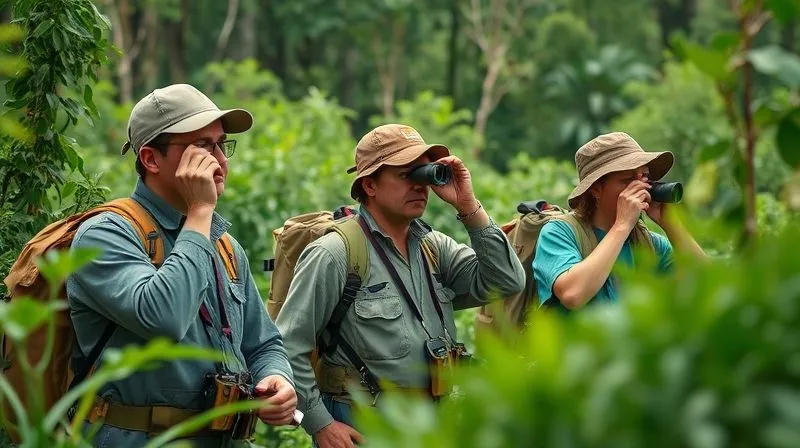
Your environmental due diligence should begin with comprehensive baseline surveys and biological assessments. These studies are designed to identify the presence, or potential presence, of endangered or threatened species and their critical habitats on or near your project area.
- Early Engagement: Begin these assessments during the earliest planning phases, ideally before site acquisition. This allows for flexibility in design or even site selection.
- Qualified Experts: Employ experienced environmental consultants and biologists who specialize in local flora and fauna. Their expertise is invaluable in identifying subtle signs of species presence.
- Species-Specific Surveys: Depending on the region and habitat types, specific surveys might be required for particular species (e.g., bat acoustic surveys, plant identification, avian point counts).
- Habitat Mapping: Utilize GIS and other mapping tools to delineate potential habitat areas, migration corridors, and critical resources.
- Data Analysis & Reporting: Compile all findings into a detailed biological assessment report, which will serve as a foundational document for subsequent regulatory consultations and planning.
A well-executed biological assessment provides the critical data needed to make informed decisions, tailor project designs to avoid impacts, and prepare for necessary regulatory consultations. It's an investment that pays dividends by preventing costly delays and legal battles down the line.
Engaging Early with Regulatory Agencies: Section 7 & Section 10 Consultations
Once you have a clear picture of potential species presence, the next critical step is to engage with the appropriate regulatory agencies. The ESA provides specific pathways for projects that may impact protected species, primarily through Section 7 and Section 10.
Navigating Section 7 (Federal Agency Actions) vs. Section 10 (Private Actions)
The path you take depends on the nature of your project:
- Section 7 Consultation: This applies to 'federal actions,' meaning any activity authorized, funded, or carried out by a federal agency. If your project requires a federal permit (e.g., from the Army Corps of Engineers for wetlands, EPA for certain discharges), or involves federal funding, the federal agency responsible must consult with the USFWS (or NOAA Fisheries for marine species) to ensure its actions are not likely to jeopardize the continued existence of any endangered or threatened species or result in the destruction or adverse modification of critical habitat. This process can lead to an Incidental Take Statement (ITS), which exempts the federal agency and its applicants from ESA liability for a specified amount of incidental take.
- Section 10 Permit (Habitat Conservation Plan - HCP): If your project is a private action with no federal nexus, and you anticipate an incidental take of an endangered or threatened species, you will need to apply for an Incidental Take Permit (ITP) under Section 10(a)(1)(B) of the ESA. This permit is granted only if you develop and implement an approved Habitat Conservation Plan (HCP). The HCP outlines the impacts of the proposed take, the steps you'll take to minimize and mitigate those impacts, and funding assurances.
Early consultation is paramount. Agencies are often more willing to work collaboratively when approached proactively, rather than when a violation has already occurred or a project is facing imminent deadlines. This collaborative approach can streamline the permitting process and lead to more effective mitigation strategies.
| Aspect | Section 7 Consultation | Section 10 Permit (HCP) |
|---|---|---|
| Applicability | Federal agency actions (e.g., projects requiring federal permits or funding) | Private, non-federal actions anticipating incidental take |
| Primary Goal | Ensure federal actions do not jeopardize species or critical habitat | Allow incidental take while minimizing and mitigating impacts |
| Outcome | Biological Opinion, potentially with an Incidental Take Statement (ITS) | Incidental Take Permit (ITP) based on an approved Habitat Conservation Plan |
| Who Consults/Applies | Federal action agency consults with USFWS/NOAA Fisheries | Private landowner/developer applies to USFWS/NOAA Fisheries |
| Key Document | Biological Assessment, Biological Opinion | Habitat Conservation Plan (HCP) |
Developing Robust Habitat Conservation Plans (HCPs)
For private landowners and developers, the Habitat Conservation Plan (HCP) is often the most comprehensive and legally sound pathway to mitigate legal risks from accidental endangered species take. An HCP is a detailed document that describes the anticipated impacts of a proposed action on listed species, the measures that will be taken to minimize and mitigate those impacts, and the funding available to implement those measures.
Crafting an effective HCP requires significant biological, legal, and financial expertise. It's a long-term commitment that demonstrates your dedication to conservation while allowing your project to proceed. A well-designed HCP not only secures your Incidental Take Permit but also enhances your organization's reputation for environmental responsibility.
Key Elements of an Effective HCP
- Impact Assessment: Clearly define the scope of the project and quantify the anticipated take and its impact on the species and their habitat.
- Mitigation Measures: Outline specific, measurable, achievable, relevant, and time-bound (SMART) actions to reduce and offset the project's negative impacts. This could include habitat restoration, creation of new habitat, land protection, or financial contributions to conservation funds.
- Minimization Measures: Detail steps taken during project construction and operation to avoid or reduce the likelihood of take (e.g., seasonal work restrictions, species relocation efforts, noise abatement).
- Monitoring & Adaptive Management: Establish a robust monitoring program to track the effectiveness of mitigation measures and provide for adaptive management strategies to adjust actions if initial measures prove insufficient.
- Funding & Assurances: Demonstrate adequate funding and long-term commitments to implement the HCP, including contingencies for unforeseen circumstances.
- Public Participation: HCPs typically undergo a public review process, offering an opportunity for transparency and stakeholder feedback.
The USFWS provides extensive guidance on HCP development, and I strongly advise leveraging these resources and working closely with their staff throughout the process. Find more information on HCPs here: USFWS - Habitat Conservation Plans.
Implementing Best Management Practices (BMPs) and Employee Training
Even with comprehensive planning and permits, the day-to-day operations on a project site can still pose risks. This is where robust Best Management Practices (BMPs) and thorough employee training become indispensable. They are the operational safeguards that prevent accidental takes in the field.
BMPs are site-specific, practical measures designed to minimize environmental impacts. For endangered species, these might include:
- Species Exclusion Zones: Clearly marked areas where no disturbance is permitted.
- Seasonal Work Restrictions: Avoiding construction during critical breeding or nesting seasons.
- Speed Limits: Reducing vehicle speeds on site to prevent collisions with wildlife.
- Erosion Control: Implementing measures to prevent sedimentation into aquatic habitats.
- Lighting Protocols: Using downward-facing, shielded lights to minimize disturbance to nocturnal species.
- Waste Management: Proper disposal of food and waste to avoid attracting wildlife.
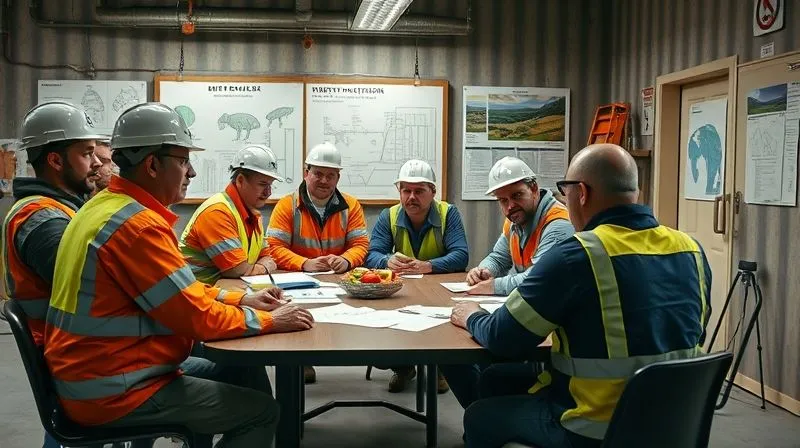
Crucially, BMPs are only effective if understood and implemented by everyone on site. This is where training comes in. Every single individual, from project managers to subcontractors and temporary laborers, must be aware of the species present, the risks involved, and the specific protocols to follow.
"In my experience, the single biggest differentiator between projects that succeed in avoiding ESA violations and those that don't, often comes down to the quality and consistency of on-site training. You can have the best plan on paper, but if your crew isn't educated, you're still exposed." - Environmental Law Specialist
Training should be mandatory, regularly refreshed, and delivered in a manner that resonates with the audience, emphasizing both the legal consequences and the ethical responsibility. This training is a vital component in how to mitigate legal risks from accidental endangered species take effectively.
Post-Discovery Protocols: What to Do When an Accidental Take Occurs
Despite all preventative measures, accidents can happen. A species might be unexpectedly encountered, injured, or worse. Having a clear, pre-defined post-discovery protocol is essential to manage the immediate situation, minimize further harm, and protect your organization from escalating legal repercussions.
Case Study: Navigating an Unexpected Discovery
Green Valley Solar's Swift Response
Green Valley Solar, a large-scale solar farm developer, was midway through construction in a previously surveyed area. Despite extensive pre-construction biological assessments, a bulldozer operator unexpectedly uncovered a gopher tortoise burrow, a species protected under state and federal law. The operator, having undergone mandatory ESA training, immediately recognized the potential issue. He stopped all machinery, notified his supervisor, and secured the area.
Following Green Valley's established protocol, the supervisor contacted their on-call environmental consultant and legal counsel. Within an hour, a qualified biologist was on site to assess the situation. The biologist confirmed the presence of a gopher tortoise and initiated the proper agency notifications. All work in the immediate vicinity was halted. Because Green Valley Solar had a clear protocol, trained staff, and immediately reported the incident, they were able to work collaboratively with state and federal agencies. While there was a temporary work stoppage and some minor financial penalties, their proactive response demonstrated good faith and prevented a much larger, more damaging legal battle. This experience underscores the importance of not just planning, but also rapid, compliant action when an incident occurs.
Your protocol should include:
- Stop Work Immediately: All activities in the immediate vicinity must cease.
- Secure the Area: Prevent further disturbance or harm to the species and its habitat.
- Notify Key Personnel: Alert the project manager, environmental consultant, and legal counsel without delay.
- Contact Regulatory Agencies: Your environmental consultant or legal team should immediately contact the USFWS (or NOAA Fisheries) and relevant state wildlife agencies. Be prepared to provide accurate, factual information about the discovery.
- Document Everything: Record the date, time, location, species observed, actions taken, and any other relevant details. Take photographs if possible, without disturbing the species.
- Follow Agency Directives: Cooperate fully with agency instructions, which may include species relocation, additional surveys, or specific mitigation actions.
A prompt, transparent, and compliant response can significantly influence how regulatory agencies perceive the incident and the subsequent enforcement actions. It demonstrates due diligence and a commitment to rectify the situation.
Leveraging Technology and Data for Predictive Risk Management
In the modern era, technology offers powerful tools to enhance our ability to predict, monitor, and therefore how to mitigate legal risks from accidental endangered species take. Moving beyond traditional surveys, advanced data analytics and remote sensing can provide invaluable insights.
- Geographic Information Systems (GIS): GIS platforms allow for the integration of various data layers – habitat mapping, species distribution models, critical habitat designations, and project footprints. This visual overlay helps identify high-risk areas and informs project design to avoid sensitive zones.
- Remote Sensing & Drones: Satellite imagery, LiDAR data, and drone-based surveys can provide high-resolution data on vegetation, topography, and habitat features over large areas, often more efficiently and with less disturbance than ground-based surveys.
- Acoustic & Thermal Monitoring: For elusive species (e.g., bats, certain birds), acoustic detectors and thermal cameras can provide non-invasive methods for detecting presence and activity patterns, especially during nocturnal hours.
- AI & Predictive Modeling: Artificial intelligence and machine learning algorithms can analyze vast datasets to predict species movement patterns, identify previously unknown habitat corridors, and forecast potential impacts under different development scenarios.
By investing in these technologies, organizations can move from reactive problem-solving to proactive risk management. This not only enhances compliance but also demonstrates a cutting-edge approach to environmental stewardship, building trust with regulators and stakeholders alike. According to a recent report by the Environmental Systems Research Institute (ESRI), the application of GIS in conservation planning can reduce project costs by up to 20% by identifying conflicts early.

Building Stakeholder Relationships and Community Engagement
While legal compliance is paramount, fostering positive relationships with stakeholders – including local communities, environmental NGOs, and indigenous groups – can significantly bolster your efforts to mitigate legal risks. Transparency and engagement can transform potential adversaries into valuable collaborators.
Engaging early and openly with affected communities and environmental organizations can provide several benefits:
- Local Knowledge: Community members often possess invaluable local ecological knowledge that might not be captured in formal surveys.
- Reduced Opposition: Proactive engagement can prevent misunderstandings and reduce public opposition that might otherwise lead to legal challenges or reputational damage.
- Collaborative Solutions: Stakeholders might offer creative, mutually beneficial solutions for mitigation or conservation that were not initially considered.
- Enhanced Reputation: Demonstrating a genuine commitment to environmental protection and community welfare can significantly enhance your social license to operate.
As environmental advocate and author Bill McKibben often emphasizes, successful conservation is not just about science and law; it's deeply rooted in community and shared values. Building these bridges of trust and collaboration can provide an additional layer of protection and support for your projects, ensuring long-term sustainability and compliance.
Frequently Asked Questions (FAQ)
Q: What are the typical penalties for an accidental endangered species take? A: Penalties can be severe, ranging from civil fines up to $25,000 per violation for each take, to criminal penalties including imprisonment and fines up to $50,000. Beyond monetary fines, projects can face injunctions, work stoppages, and requirements for extensive and costly mitigation or restoration efforts. Reputational damage can also be substantial and long-lasting.
Q: Is it possible to get a permit for an accidental take after it has occurred? A: No, an Incidental Take Permit (ITP) or Incidental Take Statement (ITS) must be secured *before* any take occurs. If an accidental take happens without authorization, it is a violation of the ESA. The focus then shifts to immediate reporting, minimizing further harm, and working with agencies to address the violation and prevent recurrence. Retroactive permitting is generally not an option.
Q: How do state endangered species laws interact with the federal ESA? A: Many states have their own endangered species acts, which can offer protection to species not listed under the federal ESA, or provide additional protections for federally listed species. It's crucial to understand and comply with both federal and state laws. In cases where state law is more protective, the stricter standard generally applies. Environmental due diligence must encompass both regulatory frameworks.
Q: What if a project is too small to warrant a full HCP? Are there other options for incidental take? A: For projects with minimal or uncertain impacts, agencies might offer streamlined processes. For federal actions, a 'no effect' or 'not likely to adversely affect' determination can avoid formal consultation. For private actions, some states have general permits or programmatic HCPs for certain low-impact activities. However, for any anticipated take, formal authorization (via Section 7 or 10) is typically required to avoid legal liability. Always consult with USFWS or state wildlife agencies for guidance specific to your project's scale and location.
Q: How often should biological assessments and training be updated? A: Biological assessments should be updated if there are significant changes to the project scope, site conditions, or if new information about species presence becomes available. Many permits require periodic updates. Employee training should be conducted annually, or whenever new personnel join the project, or significant changes in species presence or operational protocols occur. Regular refreshers are crucial to maintain awareness and compliance.
Key Takeaways and Final Thoughts
Navigating the complexities of wildlife law and mitigating the legal risks from accidental endangered species take requires a blend of foresight, diligence, and a genuine commitment to environmental stewardship. It's a journey that demands proactive planning, expert engagement, and continuous operational awareness.
- Proactive Due Diligence is Non-Negotiable: Invest early in thorough biological assessments to understand your environmental footprint.
- Engage Regulators Early and Often: Utilize Section 7 and Section 10 pathways to secure necessary authorizations before impacts occur.
- Develop Robust HCPs: For private actions, a well-crafted Habitat Conservation Plan is your strongest defense.
- Implement and Train on BMPs: Operational safeguards and an educated workforce are crucial for day-to-day prevention.
- Prepare for the Unexpected: Have clear post-discovery protocols to manage incidents effectively and minimize liability.
- Leverage Technology & Build Relationships: Use modern tools for predictive management and foster trust with all stakeholders.
As an industry specialist, I can attest that the costs of prevention are always far less than the penalties and project delays associated with non-compliance. By embracing these strategies, you not only safeguard your projects and investments but also contribute meaningfully to the conservation of our planet's invaluable biodiversity. Let's build a future where development and conservation can truly coexist.
Recommended Reading
- Unlock the Secret: How to Avoid AI Data Privacy Compliance Risks Now!
- Green Building Gaps: 7 Legal Liabilities You Must Understand Now
- 7 Steps: Prevent Business Liability from Employee Assault Charges
- 5 Keys to Resolving Jurisdictional Conflicts in Online Trade
- 5 Critical Steps: How Businesses Navigate DACA Work Permit Delays





Comments
Leave a comment below. Your email will not be published. Required fields marked with *