


How to Mitigate Platform Liability for User-Generated Illegal Content?
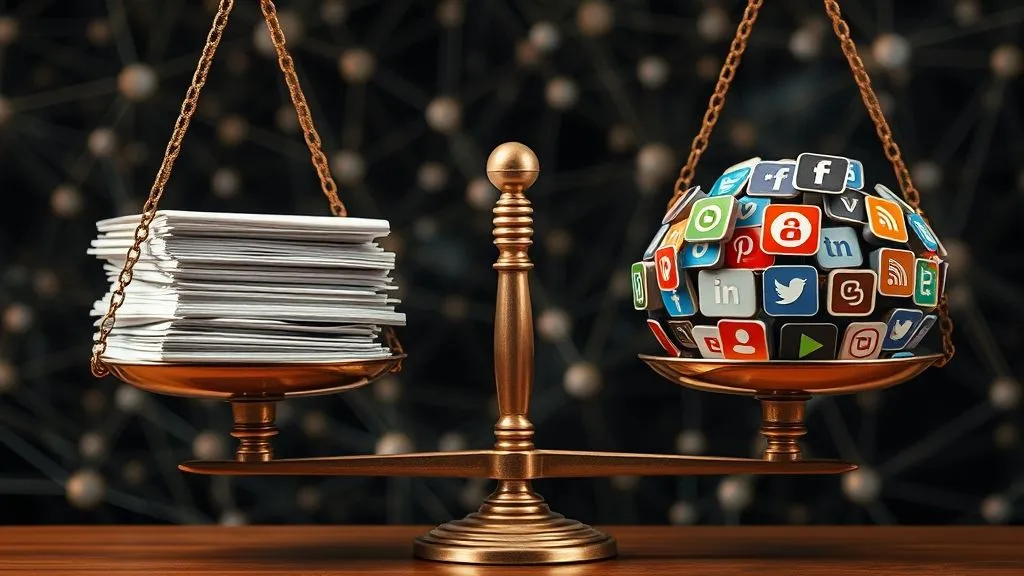
For over 15 years in the dynamic and often treacherous landscape of Cyber Law, I've seen countless digital platforms grapple with a fundamental, existential challenge: the liability inherent in user-generated content (UGC). It’s a tightrope walk – balancing the freedom of expression that fuels engagement with the imperative to prevent the spread of illegal, harmful, or infringing material. Many platforms, particularly startups and those experiencing rapid growth, often underestimate the legal quicksand that UGC can become, leading to costly lawsuits, reputational damage, and regulatory penalties.
The problem is profound. In an era where anyone can publish anything instantaneously, platforms become unwitting conduits for everything from copyright infringement and defamation to hate speech and child exploitation. The sheer volume makes manual oversight impossible, yet the legal systems in various jurisdictions increasingly demand accountability. This isn't just a technical challenge; it's a complex legal and operational Gordian knot that, if not handled proactively and strategically, can threaten the very existence of a digital enterprise. The fear of being held responsible for the actions of millions of users is a legitimate, pressing concern for every platform owner.
In this definitive guide, I will share my accumulated expertise, offering not just theoretical insights but actionable frameworks, practical strategies, and real-world considerations drawn from my experience navigating these treacherous waters. We'll delve into the legal nuances, explore proactive measures, and uncover how platforms can build robust defenses to mitigate platform liability for user-generated illegal content, ensuring both legal compliance and sustainable growth. My goal is to equip you with the knowledge to transform potential legal threats into manageable operational risks.
Understanding the Evolving Legal Landscape of Intermediary Liability
Before we dive into mitigation strategies, it's crucial to grasp the foundational legal principles governing intermediary liability for UGC. This isn't a static field; it's a battleground where technology, law, and societal expectations constantly collide. Jurisdictions globally are grappling with similar issues, but their approaches vary significantly, creating a complex patchwork of regulations.
In the United States, Section 230 of the Communications Decency Act (CDA 230) has long been the bedrock of platform protection. It states that "No provider or user of an interactive computer service shall be treated as the publisher or speaker of any information provided by another information content provider." This provision offers broad immunity to platforms from liability for third-party content, often referred to as the "26 words that created the internet." However, its interpretation is constantly challenged, and its scope is not absolute, particularly concerning federal criminal law, intellectual property, and certain types of content like sex trafficking.
Across the Atlantic, the European Union's approach has historically been defined by the E-Commerce Directive, which established a "safe harbor" for platforms, protecting them from liability for illegal content if they act expeditiously to remove it once they become aware of it. More recently, the Digital Services Act (DSA) has significantly updated and expanded these obligations, introducing stricter requirements for content moderation, transparency, and risk assessments for very large online platforms. As a recent EU publication on the DSA highlights, this marks a significant shift towards greater platform accountability.
Other regions, like Australia with its Online Safety Act or India with its IT Rules, also present unique regulatory challenges, often imposing proactive monitoring duties or stricter takedown timelines. The key takeaway here is that there is no one-size-fits-all legal shield; a comprehensive strategy must consider the specific jurisdictions where your platform operates and where your users reside.
Establishing Robust Terms of Service and Community Guidelines
The first line of defense, and one I consistently emphasize, is a meticulously crafted set of Terms of Service (ToS) and Community Guidelines. These documents are not mere legal formalities; they are your platform's constitution, defining the permissible boundaries of user conduct and content. They serve as both a deterrent and a legal basis for enforcement.
- Clarity and Specificity: Your ToS must explicitly prohibit illegal content, including but not limited to copyright infringement, defamation, hate speech, harassment, incitement to violence, and the promotion of illegal activities. Generic prohibitions are insufficient. Clearly define what constitutes a violation.
- User Agreement: Ensure users explicitly agree to these terms upon registration and any significant updates. A "click-wrap" agreement (where users click "I agree") is generally more enforceable than a "browse-wrap" agreement (where agreement is implied by use).
- Right to Moderate and Remove: Reserve the unequivocal right to remove content, suspend, or terminate accounts that violate your policies, without prior notice. This is crucial for agile content moderation.
- Reporting Mechanisms: Outline the procedures for users to report violations. This demonstrates your commitment to content moderation and helps establish "actual knowledge" of illegal content, triggering your obligation to act.
- Governing Law & Jurisdiction: Clearly state the governing law and jurisdiction for disputes, which can help streamline legal processes.
Expert Insight: I've witnessed platforms falter by having vague ToS. When a legal challenge arises, the first thing opposing counsel examines is your contractual agreement with users. A robust ToS can be the difference between dismissal and prolonged litigation.
Implementing Effective Notice-and-Takedown Procedures
A cornerstone of mitigating platform liability, particularly under safe harbor frameworks like the EU's E-Commerce Directive or the US's Digital Millennium Copyright Act (DMCA), is a well-defined and efficiently executed notice-and-takedown procedure. This proactive system allows rights holders and affected individuals to alert your platform to infringing or illegal content, enabling you to act swiftly.
DMCA Compliance for Copyright Infringement
For platforms operating in the US, strict adherence to DMCA Section 512 is paramount. This requires:
- Designating a DMCA Agent with the U.S. Copyright Office and publicly listing their contact information on your website.
- Having a clear policy for handling copyright infringement, including repeat infringer policies.
- Responding expeditiously to valid takedown notices. This generally means removing or disabling access to the infringing material.
- Implementing a counter-notification process for users who believe their content was wrongly removed.
Case Study: How Connectify Social Enhanced Its Takedown Process
Connectify Social's Journey to Efficient Content Moderation
Connectify Social, a rapidly growing image-sharing platform, initially struggled with an overwhelming volume of copyright infringement claims. Their manual review process was slow, often taking days to address notices, leading to frustrated rights holders and potential legal exposure. I advised them to overhaul their system:
- Automated Intake: They implemented a dedicated online form for takedown requests, pre-populating fields and ensuring all required information (e.g., specific URLs, proof of ownership) was submitted.
- Tiered Review: A team was trained to triage incoming notices, prioritizing clear-cut violations for immediate action while escalating complex cases to legal counsel.
- SLA Adherence: They established a service level agreement (SLA) to address 90% of valid notices within 24 hours, significantly reducing their response time.
- Transparency: They published a "Transparency Report" detailing the number of takedown requests received and acted upon, building trust with both users and rights holders.
This systematic approach dramatically reduced their average takedown time, minimized legal threats, and improved their reputation as a responsible platform.
Leveraging AI and Automated Content Moderation Tools
Given the sheer scale of UGC on modern platforms, manual moderation alone is unsustainable. This is where artificial intelligence (AI) and machine learning (ML) become indispensable tools in the fight against illegal content. While not a silver bullet, they are powerful allies.
- Proactive Detection: AI algorithms can be trained to identify patterns indicative of illegal content, such as specific keywords, image hashes (for child sexual abuse material), audio fingerprints, or video segments. This allows for proactive flagging or removal before content is widely disseminated.
- Scalable Review: AI can filter out a significant portion of clearly violating content, allowing human moderators to focus on nuanced or borderline cases, dramatically increasing efficiency.
- Categorization and Prioritization: AI can categorize reported content by severity and type, helping moderation teams prioritize the most egregious violations (e.g., CSAM over minor copyright issues).
- Pattern Recognition for Repeat Offenders: ML models can identify accounts or users with a history of violations, enabling faster action against repeat offenders.
As marketing guru Seth Godin often says, "You don't need more time, you just need to decide." In content moderation, the decision is to invest in smart technology to augment human effort, not replace it entirely.
However, it's crucial to acknowledge the limitations of AI. False positives (erroneous removals) and false negatives (missed illegal content) are inherent risks. Therefore, a hybrid approach combining AI with human oversight is the industry best practice, particularly under regulations like the DSA which mandate human review for certain decisions.
Building a Dedicated and Well-Trained Moderation Team
No matter how sophisticated your AI, human judgment remains irreplaceable. A dedicated, well-trained content moderation team is your final, critical line of defense. This team doesn't just remove content; they are the frontline guardians of your platform's integrity and legal compliance.
Key Aspects of an Effective Moderation Team:
- Comprehensive Training: Moderators must be thoroughly trained not only on your ToS and Community Guidelines but also on relevant legal frameworks (DMCA, local defamation laws, hate speech definitions, etc.). They need to understand the nuances of cultural context and legal definitions.
- Mental Health Support: Moderating illegal and often disturbing content takes a significant psychological toll. Providing robust mental health support, counseling, and rotation schedules is not just ethical; it's essential for team retention and effectiveness.
- Clear Escalation Paths: Establish clear protocols for escalating complex or legally ambiguous cases to senior moderators or legal counsel. This prevents individual moderators from making high-stakes decisions without proper support.
- Quality Assurance: Implement a quality assurance (QA) process to regularly review moderation decisions, identify areas for improvement, and ensure consistency.
- Transparency and Fairness: Ensure moderation decisions are applied consistently and fairly. Documenting reasons for content removal and providing avenues for appeal (where appropriate) can build user trust and reduce challenges.
According to a Deloitte study on content moderator well-being, investing in psychological support and ethical AI is crucial for sustainable content moderation operations. Ignoring this aspect leads to high turnover and poor decision-making.
Proactive Risk Assessment and Compliance Audits
Mitigating liability is an ongoing process, not a one-time fix. Platforms must adopt a proactive stance through regular risk assessments and compliance audits. This allows you to identify vulnerabilities before they become liabilities.
Key Areas for Assessment:
- Content Categories: Analyze the types of content most frequently flagged or reported as illegal. Are there specific categories (e.g., financial scams, health misinformation, deepfakes) that require enhanced scrutiny?
- Geographical Exposure: Assess your user base's geographical distribution and the legal frameworks of those jurisdictions. Are you compliant with the DSA in Europe, or specific local laws in Asia or Latin America?
- Technology Stack: Review your moderation tools. Are they up-to-date? Are there new AI capabilities that could enhance your detection?
- Team Performance: Evaluate your moderation team's efficiency, accuracy, and well-being. Are there training gaps? Is the workload manageable?
| Risk Area | Mitigation Strategy | Impact Level |
|---|---|---|
| Copyright Infringement | DMCA agent, AI audio/video fingerprinting | High |
| Defamation/Hate Speech | Robust ToS, NLP-based text analysis, human review | Medium |
| CSAM | Image hashing databases, immediate reporting to authorities | Critical |
| Illegal Goods/Services | Keyword filtering, human review of product listings | High |
Regularly engaging external legal counsel for compliance audits is a wise investment. They can provide an objective assessment of your policies and procedures against the latest legal standards, identifying gaps that internal teams might overlook. This demonstrates due diligence and can be a strong defense in court.
Fostering Transparency and User Trust
While often overlooked in the strict legal sense, transparency and fostering user trust play a vital role in mitigating liability. Platforms that are opaque about their moderation policies or perceived as arbitrary in their enforcement can face a backlash that escalates into legal challenges or regulatory scrutiny.
- Transparency Reports: Publish regular reports detailing the types and volume of content removed, the reasons for removal, and the number of government requests received. This builds credibility and demonstrates accountability.
- Clear Communication: When content is removed, provide the affected user with a clear, concise explanation of which policy was violated and, where feasible, offer an appeal mechanism. This reduces frustration and the likelihood of users feeling unjustly targeted.
- User Education: Educate your users about your community guidelines and the importance of responsible content creation. Proactive education can reduce the incidence of violations.
A platform known for its fair and transparent practices is less likely to become a target for activist groups, regulators, or even individual litigants seeking to make an example. Trust acts as a soft power deterrent against many forms of legal and reputational risk. As a Harvard Business Review article on data privacy emphasizes, trust is becoming the new currency in the digital economy, and transparency is its foundation.
Navigating Cross-Border Legal Challenges and International Standards
The internet knows no borders, but laws certainly do. Operating a global platform means confronting a complex web of national and regional laws. What is legal in one country may be illegal in another, and platforms are increasingly expected to localize their content moderation efforts.
Key Considerations for Cross-Border Operations:
- Jurisdictional Scope: Understand which laws apply to your platform. This is often determined by the location of your users, your servers, or your company's registration.
- Local Legal Counsel: For significant markets, engaging local legal counsel is invaluable. They can provide nuanced advice on specific requirements, such as local hate speech laws or data retention policies.
- Geo-Blocking: In some cases, geo-blocking content in specific jurisdictions may be necessary to comply with local laws (e.g., blocking Holocaust denial content in Germany).
- International Cooperation: Be prepared to cooperate with international law enforcement agencies, particularly for serious crimes like CSAM, where global databases and reporting mechanisms (e.g., NCMEC) are crucial.
The United Nations' discussions on human rights and internet governance underscore the ongoing global debate on how to balance free expression with the prevention of harm, highlighting the need for platforms to be adaptable and legally agile.
Frequently Asked Questions (FAQ)
What is the primary difference between Section 230 and the EU's Digital Services Act regarding platform liability? Section 230 in the US generally provides broad immunity to platforms from being treated as the publisher of third-party content, focusing on protecting free speech. The DSA, conversely, introduces more stringent obligations for platforms, particularly larger ones, regarding content moderation, risk assessments, and transparency, moving towards greater platform accountability for harmful content, even if it doesn't make them publishers. It shifts the burden of proactive measures more significantly onto platforms.
Can AI completely replace human content moderators for liability mitigation? No, AI cannot completely replace human moderators. While AI is excellent for scalability, proactive detection of clear violations, and categorization, it struggles with nuance, context, satire, and evolving definitions of harmful content. A hybrid model, where AI filters and flags content for human review, especially for complex or borderline cases, is currently the most effective and legally sound approach to mitigate platform liability.
If a platform promptly removes illegal content after receiving a notice, does that guarantee immunity from liability? Not necessarily a guarantee, but it significantly strengthens a platform's defense, especially under safe harbor provisions like DMCA or the EU's E-Commerce Directive. The key is acting "expeditiously." However, if a platform has "actual knowledge" of illegal content and fails to act, or if it actively participates in the creation or promotion of illegal content, immunity may be lost. The specifics depend heavily on the jurisdiction and the nature of the illegal content.
How often should a platform update its Terms of Service and Community Guidelines? Platforms should review and update their ToS and Community Guidelines at least annually, or more frequently if there are significant changes in legal regulations, platform features, or emerging content trends (e.g., new forms of online harm). Any major updates that change user obligations should require users to re-agree to the new terms to ensure enforceability.
What are the biggest risks for platforms that fail to adequately mitigate UGC liability? The biggest risks include substantial financial penalties from lawsuits or regulatory fines, severe reputational damage leading to user exodus and advertiser boycotts, criminal charges for platform executives in extreme cases (e.g., child exploitation material), and ultimately, the potential shutdown of the platform. The legal and operational costs of non-compliance far outweigh the investment in robust moderation.
Key Takeaways and Final Thoughts
- Proactive Legal Frameworks: Start with robust, legally sound Terms of Service and Community Guidelines. They are your foundational defense.
- Efficient Takedown Systems: Implement and rigorously maintain efficient notice-and-takedown procedures, ensuring swift action on reported illegal content.
- Hybrid Moderation: Leverage AI and automated tools to scale, but always back them with a well-trained, supported human moderation team for nuanced decisions.
- Continuous Vigilance: Regular risk assessments and compliance audits are essential to adapt to evolving legal landscapes and emerging content threats.
- Transparency Builds Trust: Openness about your moderation practices can significantly reduce legal and reputational risks.
- Global Compliance: Acknowledge and address the complexities of cross-border legal challenges with localized strategies.
Mitigating platform liability for user-generated illegal content is not a simple checklist item; it's a continuous, multi-faceted commitment. As an industry specialist, I've seen firsthand that the platforms that thrive are those that embed legal diligence into their operational DNA, viewing it not as a hindrance but as an integral part of building a safe, trustworthy, and sustainable digital environment. By embracing these strategies, you can navigate the complex world of online content regulation with confidence, protecting your platform, your users, and your future.
Recommended Reading
- 5 Steps: How to Handle Unexpected Adverse Evidence in Immigration Interviews
- 9 Steps: Correct Worker Misclassification Before an Audit Hits
- Vessel Abandoned? 7 Steps to Secure Unpaid Wages Under International Law
- Unlock Your Full Compensation: How to Calculate Future Lost Earnings in Injury Claims
- Unlock Startup Funding: How to Structure a Regulation D Offering Right Now




Comments
Leave a comment below. Your email will not be published. Required fields marked with *