



How to respond legally to a major corporate ethics breach?
For over two decades specializing in corporate governance and compliance, I’ve witnessed firsthand the devastating impact a major ethics breach can have on an organization. It’s not just about fines or legal battles; it’s about a company’s very soul, its reputation, and the trust it has painstakingly built with its stakeholders. I've seen leaders falter, making critical missteps in the immediate aftermath that compounded their problems exponentially.
The pain point for many executives is the sheer complexity and speed at which these crises unfold. The initial shock can lead to paralysis or, worse, reactive decisions driven by fear rather than sound legal strategy. The stakes couldn't be higher: regulatory penalties, investor lawsuits, reputational ruin, and even criminal charges can loom large. It’s a crucible moment that tests every aspect of a company’s resilience and ethical framework.
This article isn't just a theoretical guide; it's a battle-tested framework, forged from years of advising companies through their darkest hours. I will walk you through the essential, actionable legal steps necessary to not only contain the damage of a corporate ethics breach but also to navigate the intricate legal landscape, satisfy regulatory demands, and ultimately, rebuild a stronger, more ethical enterprise. You’ll gain insights into critical decisions, communication strategies, and remediation efforts that can mean the difference between survival and collapse.
The Immediate Aftermath: Stopping the Bleeding and Securing Evidence
When a major corporate ethics breach comes to light, the first few hours and days are absolutely critical. My experience tells me that swift, decisive, and legally sound initial actions can significantly shape the outcome of the entire crisis. This phase is about containment and preservation.
Forming an Incident Response Team
The very first step I always recommend is to convene a dedicated, cross-functional incident response team. This isn't just a crisis PR team; it must have a strong legal backbone. This team should ideally include:
- General Counsel/Chief Legal Officer: To provide immediate legal advice and oversee the legal strategy.
- Chief Compliance Officer: To assess the breach against internal policies and regulatory requirements.
- Head of HR: For personnel-related issues, employee communications, and potential disciplinary actions.
- Head of Communications/PR: To manage internal and external messaging, ensuring consistency and legal prudence.
- Relevant Business Unit Leaders: To provide operational context and assist in impact assessment.
- External Legal Counsel: Crucial for maintaining attorney-client privilege and providing an objective, independent perspective.
This team needs a clear chain of command and defined roles to act quickly and cohesively.
Preserving Critical Evidence
In any legal scenario, evidence is paramount. In the context of a corporate ethics breach, the preservation of all relevant data, documents, and communications is non-negotiable. Failure to do so can lead to accusations of obstruction of justice or spoliation of evidence, significantly worsening your legal position.
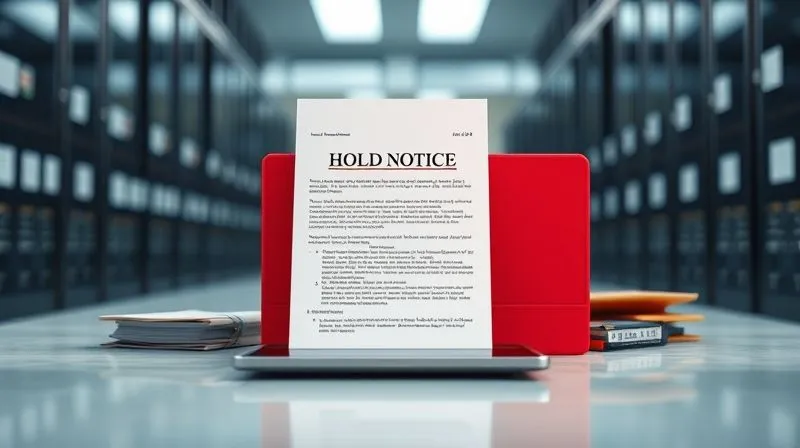
- Issue a Legal Hold: Immediately instruct all relevant employees to preserve all documents, electronic data, and communications (emails, chat messages, voicemails, physical files) related to the breach. This must be a formal, written directive.
- Secure Physical and Digital Assets: Take steps to secure any physical evidence (e.g., hard drives, mobile devices, paper documents) and ensure that no data can be deleted, altered, or overwritten from company servers or cloud platforms.
- Identify Key Custodians: Pinpoint individuals who might have relevant information and ensure their data is prioritized for preservation.
- Create a Chain of Custody: Document every step of the evidence collection and preservation process to maintain its integrity and admissibility in future proceedings.
"In the immediate aftermath of an ethics breach, panic is the enemy. A structured, legally advised response focused on containment and evidence preservation is your only path to mitigating long-term damage."
Launching a Rigorous Internal Investigation: The Cornerstone of Your Defense
Once the initial crisis is contained and evidence secured, the next critical phase is to conduct a thorough and impartial internal investigation. This isn't just about finding out what happened; it's about demonstrating due diligence, identifying systemic failures, and preparing your legal defense. In my experience, the credibility of this investigation is often scrutinized by regulators and courts.
Establishing an Independent Investigation Committee
To ensure objectivity and avoid conflicts of interest, I strongly advocate for an investigation led by independent parties. This could mean:
- An Independent Committee of the Board: Composed of outside directors, ideally with legal expertise.
- External Legal Counsel: Engaged specifically for the investigation, distinct from the company's regular counsel, to ensure attorney-client privilege and independence.
- Forensic Experts: To assist with digital forensics, financial analysis, or other specialized areas.
The independence of this committee is crucial for the investigation's findings to be seen as credible by external parties, including regulators and the public.
Scope, Methodology, and Documentation
A successful investigation requires a clear scope, a rigorous methodology, and meticulous documentation. Without these, the findings can be easily challenged.
- Define the Scope: Clearly outline what the investigation will cover, the time period, the individuals involved, and the specific allegations being examined. Be prepared to expand the scope if new information emerges.
- Develop a Methodology: This includes interview protocols, data collection and analysis procedures, and a timeline. Ensure the methodology aligns with legal best practices and privacy regulations.
- Conduct Interviews: Interview all relevant individuals, from whistleblowers to alleged perpetrators, witnesses, and managers. Ensure interviews are conducted fairly, with appropriate legal counsel present when necessary, and thoroughly documented.
- Analyze Evidence: Systematically review all collected documents, emails, financial records, and digital data. Look for patterns, discrepancies, and corroborating evidence.
- Document Everything: Maintain detailed records of all steps taken, decisions made, evidence reviewed, and interviews conducted. This documentation will be invaluable if the investigation's findings are later challenged.
As the Department of Justice (DOJ) guidance on corporate compliance programs emphasizes, the effectiveness of an investigation hinges on its thoroughness, independence, and the company's commitment to follow through on its findings. For further reading, see the DOJ's Evaluation of Corporate Compliance Programs.
Navigating Disclosure Obligations: Transparency and Regulatory Engagement
One of the most delicate and legally fraught aspects of responding to a corporate ethics breach is determining what, when, and how to disclose information. Missteps here can lead to charges of securities fraud, obstruction, or further reputational damage. My advice is always to err on the side of transparency, guided by legal counsel.
Assessing Materiality and Public Disclosure
Publicly traded companies have specific obligations under securities laws to disclose material information. A major ethics breach can certainly be material. The key questions are:
- Is the breach material? Would a reasonable investor consider the information important in making an investment decision? This often depends on the scale, financial impact, and potential legal/regulatory consequences.
- When is disclosure required? Generally, as soon as reasonably practicable after the company becomes aware of a material event. Delay can be interpreted negatively.
- What should be disclosed? Focus on factual information, the nature of the breach, the steps being taken to investigate and remediate, and the potential impact. Avoid speculation or assigning blame prematurely.
Engaging with Regulators (SEC, DOJ, etc.)
Proactive engagement with relevant regulatory bodies is often a strategic imperative. My experience shows that companies that voluntarily disclose and cooperate fully with regulators tend to receive more favorable treatment. This doesn't mean admitting guilt, but demonstrating a genuine commitment to addressing the issue.
- Identify Relevant Agencies: Depending on the nature of the breach, this could include the Securities and Exchange Commission (SEC), Department of Justice (DOJ), Environmental Protection Agency (EPA), Consumer Financial Protection Bureau (CFPB), or industry-specific regulators.
- Determine Reporting Obligations: Understand specific reporting requirements (e.g., Form 8-K for public companies, mandatory reports for certain industries).
- Prepare a Disclosure Strategy: Work with legal counsel to craft a consistent narrative and strategy for engaging with each agency.
- Cooperate Fully: Provide documents, access to employees (with appropriate legal safeguards), and regular updates on the internal investigation's progress.
| Disclosure Type | Audience | Purpose |
|---|---|---|
| Internal | Employees, Board | Inform, instruct, maintain morale |
| Public (SEC) | Investors, Public | Regulatory compliance, market integrity |
| Regulatory (DOJ/other) | Government Agencies | Cooperation, mitigate penalties |
| Stakeholder | Customers, Partners | Reassure, maintain trust |
For detailed guidance on SEC disclosure requirements, refer to the SEC's recent cybersecurity disclosure rules, which offer a framework for material incident reporting.
"Transparency, when strategically managed with legal expertise, is a powerful tool for rebuilding trust and mitigating the severest regulatory penalties."
Addressing Stakeholder Concerns: Rebuilding Trust with Employees, Investors, and the Public
A corporate ethics breach shakes the very foundations of trust. Beyond legal and regulatory compliance, a successful response must meticulously address the concerns of all stakeholders. In my view, this is where the long-term health of the company is truly determined. It’s not just about legal defense; it’s about reputation and future viability.
Internal Communication Strategy
Your employees are your most valuable asset and your first line of defense or offense. Keeping them informed, demonstrating leadership, and reassuring them is paramount.
- Be Timely and Honest: Communicate as soon as legally appropriate. Avoid rumors.
- Acknowledge the Gravity: Show empathy and acknowledge the impact on employees.
- Reiterate Values: Remind employees of the company’s commitment to ethics and integrity.
- Provide Support: Offer resources for employees affected or those who might have information.
- Reinforce Whistleblower Protections: Ensure employees feel safe coming forward with concerns.
Failing to communicate effectively internally can lead to low morale, increased turnover, and even further leaks to the media or regulators.
External Communication and Reputation Management
Managing the external narrative is a high-stakes game. Every public statement, press release, and social media post must be carefully vetted by legal counsel.
- Designate a Single Spokesperson: Ensure all official communication comes from one credible source.
- Craft Key Messages: Develop clear, consistent messages that acknowledge the problem, outline corrective actions, and express commitment to ethical conduct.
- Monitor Media and Social Media: Actively track public sentiment and correct misinformation swiftly and legally.
- Engage with Investors: Proactively communicate with institutional investors and analysts, providing them with factual updates and the company's plan for remediation.
Case Study: Phoenix Tech's Transparency Turnaround
Phoenix Tech, a mid-sized software firm, faced a major data privacy breach involving customer information. The initial reaction was to downplay the incident, leading to a public outcry and regulatory scrutiny. Recognizing their error, they engaged independent legal and PR experts. Their revised strategy focused on radical transparency: they immediately issued a detailed public statement, launched a dedicated microsite providing real-time updates on their investigation, offered free credit monitoring to affected customers, and held regular town halls with employees. While the breach was damaging, their subsequent commitment to openness, guided by legal advice on what could and could not be disclosed, helped them regain significant customer and investor trust within 18 months. This resulted in averting major class-action lawsuits and maintaining their stock value, demonstrating the power of a legally informed, transparent communication strategy.

Remediation and Corrective Actions: Preventing Future Breaches
An internal investigation identifies the root causes of a corporate ethics breach. The next crucial step is to implement robust remediation and corrective actions. This phase is about demonstrating a genuine commitment to change and building a stronger, more resilient ethical framework. In my experience, regulators look closely at the effectiveness and sincerity of these efforts.
Implementing Enhanced Compliance Programs
The breach likely exposed weaknesses in your existing compliance program. This is an opportunity to fortify it.
- Revise Policies and Procedures: Update or create new policies that directly address the identified vulnerabilities. Ensure they are clear, concise, and easily accessible.
- Strengthen Internal Controls: Implement new checks and balances, segregation of duties, and approval processes to prevent similar misconduct from recurring.
- Enhance Training and Education: Develop targeted training programs for employees at all levels, focusing on the specific ethical dilemmas and legal requirements related to the breach. Make training engaging and mandatory.
- Improve Whistleblower Channels: Ensure confidential and secure channels for reporting misconduct are well-publicized and genuinely protected. Strengthen anti-retaliation policies.
- Conduct Risk Assessments: Regularly assess ethical and compliance risks across the organization, proactively identifying potential weak spots before they lead to another breach.
Personnel Actions and Accountability
Accountability is a critical component of rebuilding trust. Failure to hold individuals responsible can undermine all other remediation efforts.
- Disciplinary Actions: Apply consistent and fair disciplinary measures, up to and including termination, for those found responsible for misconduct.
- Leadership Changes: In some cases, changes at the leadership level may be necessary to signal a new direction and restore confidence.
- Performance Reviews: Incorporate ethical conduct and compliance adherence into performance reviews and compensation structures.
As Harvard Business Review often highlights, ethical leadership and a strong tone at the top are indispensable for fostering a culture of integrity. Without leadership commitment, even the best compliance programs can falter. See this HBR article on ethical culture for more insights.
Litigation and Enforcement Defense: Preparing for Legal Challenges
Despite best efforts in investigation and remediation, a major corporate ethics breach almost inevitably leads to legal challenges. These can range from shareholder derivative lawsuits and class actions to direct enforcement actions by government agencies. My role often shifts to preparing a robust legal defense, understanding the multiple legal fronts a company might face.
Understanding Potential Legal Actions
The types of legal actions can be diverse and complex:
- Shareholder Derivative Suits: Alleging that directors and officers breached their fiduciary duties to the company by failing to prevent or respond adequately to the breach.
- Class Action Lawsuits: Brought by affected customers, employees, or investors seeking damages.
- Government Enforcement Actions: From agencies like the SEC, DOJ, or FTC, seeking fines, penalties, disgorgement, or even criminal charges against individuals or the corporation.
- Whistleblower Retaliation Claims: If employees who reported the breach allege they faced adverse employment actions.
- Contractual Disputes: If the breach impacts agreements with partners or suppliers.
Developing a Robust Defense Strategy
A multi-pronged defense strategy is essential, tailored to each potential legal challenge.
- Leverage Internal Investigation Findings: A thorough, independent investigation provides a factual basis for your defense, demonstrating due diligence and a commitment to addressing misconduct.
- Cooperation with Authorities: Documented cooperation with regulators can significantly mitigate penalties, as per various government sentencing guidelines.
- Dispute Resolution: Explore alternative dispute resolution methods like mediation or arbitration where appropriate, especially for civil claims.
- Trial Preparation: For cases that proceed to litigation, meticulous trial preparation, including witness preparation, expert testimony, and document review, is paramount.
- Insurance Coverage Review: Immediately review Directors & Officers (D&O) liability insurance policies and other relevant coverages to understand potential indemnification for legal costs and settlements.
| Potential Claim | Key Defense |
|---|---|
| Shareholder Derivative Suit | Due diligence, independent investigation, good faith decisions |
| Regulatory Enforcement | Full cooperation, robust remediation, strong compliance program |
| Class Action Lawsuit | Lack of causation, no damages, statutory defenses |
| Whistleblower Retaliation | Non-discriminatory business reasons for personnel actions |
"In the legal arena, prevention is always better than cure. But when prevention fails, a meticulously prepared defense, grounded in facts and legal strategy, is your strongest ally."
The Role of D&O Insurance and Indemnification
In the aftermath of a corporate ethics breach, the financial implications can be staggering. This is where Directors & Officers (D&O) liability insurance becomes a critical safety net. Having advised numerous boards and executives, I cannot stress enough the importance of understanding your D&O coverage and indemnification agreements *before* a crisis hits.
Understanding Your Coverage
D&O insurance typically covers defense costs and indemnity for claims arising from actual or alleged 'wrongful acts' committed by directors and officers in their capacity as corporate leaders. However, policies vary widely, and exclusions can be significant.
- Scope of Coverage: Does it cover regulatory investigations, criminal proceedings, and civil lawsuits?
- Exclusions: Common exclusions might include fraud, illegal profits, or intentional wrongdoing if proven. Understanding these is crucial.
- Retroactive Date: Ensure the policy covers acts that occurred before the current policy period, which is often the case with ethics breaches that come to light later.
- Limits and Retentions: Be clear on the policy limits (maximum payout) and the self-insured retention (deductible) the company must bear.
Early engagement with your insurance broker and legal counsel specializing in D&O claims is vital to maximize your coverage and navigate complex policy language.
Navigating Claims
The process of making a D&O claim can be intricate. Prompt notification to your insurer is almost always a condition of coverage.
- Timely Notification: Notify your D&O insurer as soon as a potential claim arises, even if it's just an investigation or a threat of litigation. Delays can jeopardize coverage.
- Documentation: Provide all requested documentation related to the breach, the investigation, and the legal actions.
- Cooperation: Cooperate with the insurer's investigation, but always under the guidance of your independent legal counsel to protect attorney-client privilege.
- Negotiation: Be prepared to negotiate with the insurer regarding coverage disputes, defense costs, and settlement contributions.
Beyond D&O insurance, companies should also review their corporate bylaws and individual executive employment agreements for indemnification provisions. These typically obligate the company to cover legal expenses and judgments for officers acting within the scope of their duties, provided they meet certain good faith standards.

Beyond the Breach: Cultivating a Culture of Ethics
Responding legally to a corporate ethics breach is not merely about compliance or damage control; it's a transformative opportunity. In my experience, the companies that emerge stronger are those that use the crisis as a catalyst to fundamentally re-evaluate and strengthen their ethical culture. This goes far beyond policies and procedures; it’s about ingrained values.
Leadership Commitment and Tone at the Top
An ethical culture starts and ends at the top. The board and senior leadership must not only articulate ethical values but consistently live them. This involves:
- Visible Commitment: Leaders must visibly champion ethical conduct, through their decisions, communications, and actions.
- Accountability: Demonstrating that ethical breaches will not be tolerated, regardless of the perpetrator's position.
- Resource Allocation: Investing adequately in compliance programs, training, and ethical infrastructure.
If the 'tone at the top' is merely lip service, the 'mood in the middle' and 'buzz at the bottom' will reflect that cynicism.
Continuous Monitoring and Training
An ethical culture is not a static achievement; it requires constant vigilance and reinforcement.
- Regular Risk Assessments: Continuously identify and assess new ethical risks as the business environment evolves.
- Ongoing Training: Implement continuous, engaging ethics training that goes beyond annual checkboxes, focusing on real-world dilemmas.
- Ethical Metrics: Consider incorporating ethical performance metrics into employee evaluations and compensation where appropriate.
- Feedback Mechanisms: Encourage open dialogue about ethical concerns and provide safe channels for feedback without fear of reprisal.
Ultimately, successfully navigating a corporate ethics breach is about proving that your organization is capable of learning, adapting, and recommitting to its core values. It's a journey from crisis to renewed integrity.

Frequently Asked Questions (FAQ)
What is the single most important action to take immediately after discovering an ethics breach? The most critical immediate action is to issue a legal hold notice to preserve all potentially relevant documents and electronic data. This prevents spoliation of evidence, which can severely damage your legal position and incur additional penalties. Concurrently, convene a cross-functional incident response team with strong legal representation to guide all subsequent steps.
How can we ensure our internal investigation is perceived as credible by regulators and the public? Credibility hinges on independence, thoroughness, and transparency (where legally permissible). Engage external legal counsel or an independent committee of the board to lead the investigation. Ensure a clear scope, rigorous methodology, and meticulous documentation. Be prepared to act on the findings, including taking appropriate disciplinary and remediation actions, and communicate these actions effectively.
What are the typical legal risks associated with a major corporate ethics breach? The legal risks are multifaceted: regulatory fines and penalties (e.g., SEC, DOJ), civil litigation (e.g., shareholder derivative suits, class actions from customers or employees), criminal charges against the corporation or individuals, reputational damage leading to loss of business, and potential debarment from government contracts. Directors and officers can also face personal liability.
When should we consider voluntary disclosure to regulators, and what are the benefits? Voluntary disclosure should be considered when the breach is material, and your internal investigation is sufficiently advanced to understand the scope and root causes. The benefits often include more favorable treatment from regulators, such as reduced fines, the ability to avoid harsher enforcement actions, and demonstrating a commitment to ethical conduct and cooperation. This decision should always be made in close consultation with experienced legal counsel.
How does D&O insurance play a role, and what should we check in our policy? D&O insurance is crucial for covering defense costs and potential indemnification for directors and officers facing claims arising from their corporate roles. Key things to check in your policy include the scope of coverage (e.g., regulatory investigations, criminal proceedings), specific exclusions (e.g., for proven fraud), the retroactive date, and the limits and retentions. Prompt notification to your insurer upon discovery of a potential claim is also vital.
Key Takeaways and Final Thoughts
Navigating a major corporate ethics breach is arguably one of the most challenging periods a company and its leadership can face. It's a test of integrity, resilience, and strategic legal acumen. While the immediate focus is on containment and compliance, the ultimate goal must be to emerge stronger, with a fortified ethical culture.
- Act Decisively and Legally: The first 72 hours are paramount. Secure evidence, form an expert response team, and operate under legal privilege.
- Investigate Independently: A credible, thorough internal investigation is the bedrock of your defense and remediation.
- Manage Disclosures Prudently: Balance transparency with legal obligations, carefully engaging with regulators and the public.
- Rebuild Trust: Implement robust remediation, hold individuals accountable, and communicate openly with all stakeholders.
- Fortify Your Future: Use the crisis to enhance compliance programs and embed a deep-seated culture of ethics from the top down.
- Leverage D&O Insurance: Understand and utilize your coverage for defense and indemnification.
Remember, a corporate ethics breach is not just a legal problem; it's an existential one. By adopting a proactive, legally informed, and ethically driven approach, you can transform a moment of crisis into an opportunity for profound organizational learning and renewal. It won's be easy, but with the right strategy and commitment, your organization can not only survive but thrive in its aftermath, proving its enduring commitment to integrity.
Recommended Reading
- The Ultimate Guide: How to Minimize Legal Risks in Green Building Projects
- Funding Estate Tax on Illiquid Business Assets: 5 Expert Strategies
- Product Safety Defect Injury? 7 Steps to Justice & Recovery
- Can Your Employer Retaliate for Reporting Safety? Uncover Your Rights Now!
- 5 Critical Steps: Protecting Business Assets After a Key Employee Plea Deal




Comments
Leave a comment below. Your email will not be published. Required fields marked with *