


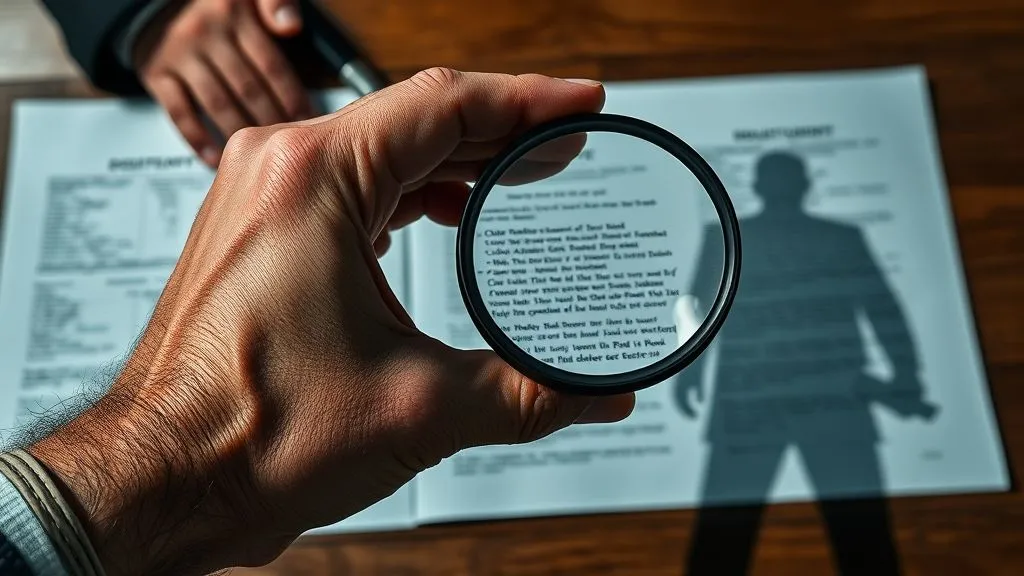
How to Stop a Competitor from Disparaging My Brand with False Claims?
For over 15 years in Intellectual Property and Unfair Competition law, I've witnessed firsthand the devastating impact that a competitor's false claims can have on a burgeoning brand. It's not just about lost sales; it's about the erosion of trust, the undermining of hard-earned reputation, and the emotional toll it takes on business owners who have poured their lives into their ventures. I've seen promising innovations stifled and loyal customer bases swayed by malicious, unfounded accusations.
The problem isn't just that these false claims exist; it's the insidious way they spread in today's hyper-connected world, often taking root before you even realize your brand is under attack. The pain point is palpable: you feel helpless, angry, and uncertain about the best course of action to defend your integrity against what often feels like an invisible enemy. This isn't just an annoyance; it's a direct assault on your business's viability and future.
In this definitive guide, I will share the actionable frameworks, real-world insights, and strategic steps I’ve developed and refined over years of practice. You will learn not just what to do, but *why* certain actions are critical, how to gather the right evidence, when to engage legal counsel, and how to proactively build a fortress around your brand. My aim is to equip you with the knowledge and confidence to effectively stop a competitor from disparaging your brand with false claims, turning a potentially catastrophic situation into a strategic victory.
1. Understanding the Legal Landscape: Defamation, Slander, Libel, and Unfair Competition
Before you can effectively combat false claims, you must understand the legal ground you stand on. This isn't merely academic; it dictates your strategy, evidence collection, and potential remedies. In my experience, many business owners conflate all negative competitor statements, but the legal distinctions are crucial.
Key Legal Distinctions
At its core, disparagement often falls under the umbrella of defamation, which is a false statement presented as fact that causes harm to a person's or entity's reputation. However, the medium of the false claim dictates its specific classification:
- Slander: This refers to spoken defamatory statements. Imagine a competitor verbally spreading rumors about your product’s safety at a trade show. While harder to prove due to its ephemeral nature, it's still actionable.
- Libel: This encompasses written or published defamatory statements. This is far more common in the digital age, appearing in blog posts, social media comments, online reviews, emails, or printed advertisements. Libel often leaves a clear, traceable evidentiary trail.
- Product Disparagement (Trade Libel): This is a specific form of defamation focused on a business's goods or services, rather than its general reputation. It typically requires proving that the false statement was made with malice and caused specific financial losses.
- Unfair Competition: Beyond explicit defamation, some false claims can constitute unfair competition. This often involves deceptive advertising, false comparisons, or misleading statements designed to divert customers. Many jurisdictions have specific statutes to address these practices, such as the Lanham Act in the United States.
The Burden of Proof
To successfully pursue a claim, you generally need to prove several elements:
- False Statement of Fact: The statement must be provably false, not merely an opinion. "Their product is inferior" is opinion; "Their product contains harmful chemicals X, Y, and Z" is a statement of fact that can be proven false.
- Publication: The false statement must have been communicated to a third party.
- Identification: The statement must clearly refer to your brand, product, or service.
- Harm: You must demonstrate actual damage, such as lost sales, damaged reputation, or specific financial losses directly attributable to the false claim.
- Fault (often Malice): Depending on the jurisdiction and the nature of the claim (especially for product disparagement), you might need to prove the competitor made the statement with knowledge of its falsity or with reckless disregard for the truth.
"Understanding these nuances is your first line of defense. It transforms a vague feeling of injustice into a clear legal strategy, allowing you to categorize the attack and anticipate the necessary evidence." - My personal insight.
2. Immediate Response: Documenting, Preserving, and Assessing the Damage
When you first discover disparaging claims, the natural reaction is often anger or panic. However, your most critical initial steps must be methodical and focused on evidence. I've seen cases crumble because crucial evidence was either not collected or improperly preserved.
Steps for Evidence Collection
This phase is about creating an undeniable record of the competitor's actions:
- Screenshot Everything: If the claims are online (social media, websites, forums, reviews), take screenshots immediately. Include timestamps, URLs, and any user/account names. Don't just save the image; consider using tools that capture the entire webpage, including metadata.
- Archive Webpages: Use services like the Wayback Machine (archive.org) or specialized legal archiving tools to create immutable records of offending web pages. This proves the content existed at a specific time.
- Record Audio/Video: If the disparagement is verbal (e.g., at a trade show, sales call), record it if legal in your jurisdiction (be aware of one-party vs. two-party consent laws). Document who, what, when, and where.
- Gather Witness Statements: If others heard or saw the claims, obtain written statements from them, including their contact information and a detailed account of what they observed.
- Preserve Communications: Save all relevant emails, messages, or other digital communications related to the disparagement.
- Document Financial Impact: Start tracking any immediate or projected losses. This includes lost sales, cancelled contracts, increased marketing spend to counteract negativity, or even the cost of internal investigations. This evidence is crucial for proving damages.
This meticulous approach to documentation not only strengthens your legal position but also allows you to accurately assess the scope and severity of the damage. Without clear evidence, even the most egregious claims are difficult to challenge effectively.

3. Strategic Counter-Communication: Protecting Your Narrative
While gathering evidence, you also need a communication strategy. Reacting impulsively can often do more harm than good. Your goal is to control the narrative, not to escalate the conflict unnecessarily.
The 'No Comment' Trap
Many businesses, advised by early-stage counsel, fall into the "no comment" trap. While silence can be golden in some legal situations, in the court of public opinion, it can be interpreted as guilt. Instead, I advocate for a carefully crafted, proactive, and positive communication strategy.
- Internal Communication: First, inform your team. Ensure they understand the situation, know what they can and cannot say, and are equipped to answer customer questions consistently.
- Customer-Facing Statements: If the claims are public and gaining traction, you might need a public statement. This should be calm, factual, and reassuring. Focus on your strengths, your commitment to quality, and your values. Avoid directly naming or attacking the competitor. For example: "We are aware of certain unfounded claims circulating. Our commitment to [product quality/customer safety/ethical practices] remains our top priority, and we stand by the integrity of our [product/service]."
- Leverage Positive Testimonials: Now is the time to highlight your existing positive reviews and testimonials. Let your satisfied customers speak for you.
Proactive Reputation Management
This isn't just about reacting; it's about building a robust reputation that can withstand attacks. According to a study by the Harvard Business Review, companies with strong, authentic brand narratives are far more resilient to reputational damage.
| Claim Type | Recommended Action | Risk Level |
|---|---|---|
| Factually False (e.g., product ingredients) | Legal C&D (if severe), Public Correction with factual evidence, Highlight third-party certifications | High |
| Misleading/Opinion (e.g., 'our product is better') | Strategic PR focusing on your unique value proposition, Competitor analysis to identify their weaknesses (for internal strategy only) | Medium |
| Slightly Exaggerated/Minor Inaccuracy | Monitor closely, Consider subtle counter-messaging (e.g., 'we pride ourselves on X feature'), Avoid direct engagement if possible | Low-Medium |
4. The Cease and Desist Letter: When and How to Deploy It
Once you have a solid foundation of evidence, the next logical step often involves legal intervention, starting with a cease and desist (C&D) letter. This formal document, typically drafted by an attorney, demands that the competitor stop their disparaging activities immediately.
Crafting an Effective Letter
A C&D letter is not just a threat; it's a strategic communication tool. It should be:
- Factual and Specific: Detail the exact false claims, where and when they were made, and why they are false. Reference your collected evidence.
- Legal Basis: Clearly state the legal grounds for your demand (e.g., defamation, unfair competition, trade libel).
- Demand for Action: Explicitly state what you want the competitor to do: cease all disparaging activities, retract false statements, remove offending content, and potentially issue a public apology or correction.
- Consequences of Non-Compliance: Clearly outline the legal actions you will pursue if they fail to comply, including litigation for damages and injunctive relief.
- Professional Tone: While firm, the letter should remain professional and avoid emotional language.
I always advise clients that a well-crafted C&D letter can be incredibly effective. It signals that you are serious, have legal backing, and are prepared to escalate. Sometimes, the competitor may not even realize the full legal implications of their actions until they receive such a letter.
The Escalation Path
What happens if the C&D letter is ignored or only partially complied with? This is where you need to be prepared for escalation. Your attorney will guide you on the next steps, which could include:
- Follow-up Communications: A second, stronger C&D letter.
- Mediation or Arbitration: Exploring alternative dispute resolution methods to avoid costly litigation.
- Filing a Lawsuit: Initiating formal legal proceedings in court.
"A cease and desist letter is often the most cost-effective way to resolve disparagement. It’s a formal warning shot, but its power lies in the credible threat of what comes next if ignored." - My expert opinion.
5. Leveraging Legal Recourse: Litigation and Alternative Dispute Resolution
If the cease and desist letter fails to resolve the issue, full-scale litigation becomes a serious consideration. This is a significant step, requiring careful evaluation of costs, potential outcomes, and the strength of your case.
Suing for Damages
The primary goal of many lawsuits is to recover damages – the financial losses you incurred due to the competitor's false claims. This can include:
- Lost Profits: Revenue you would have earned had the disparagement not occurred.
- Reputational Harm: While harder to quantify, this can be compensated, especially if it affects your brand's long-term value.
- Corrective Advertising Costs: Expenses incurred to repair your reputation or counteract the false claims.
- Legal Fees: In some jurisdictions or specific types of cases, you may be able to recover your legal expenses.
Quantifying these damages requires meticulous financial analysis, often involving forensic accountants and expert witnesses. It's not enough to say you lost money; you must prove a direct causal link between the competitor's actions and your financial losses.
Injunctive Relief
Beyond monetary damages, you can also seek what's known as injunctive relief. This is a court order compelling the competitor to stop their disparaging activities immediately. A temporary restraining order (TRO) or preliminary injunction can be crucial for stopping ongoing harm while the lawsuit proceeds. This is particularly vital in cases where the false claims are actively eroding your market share or endangering public perception.
Case Study: How 'BrandShield Innovations' Fought a Smear Campaign
BrandShield Innovations, a mid-sized B2B software company, found itself under attack when a direct competitor, 'TechAdvance Solutions,' began anonymously spreading false rumors online about BrandShield's data security protocols. These claims, primarily on industry forums and obscure blogs, suggested BrandShield had experienced a major data breach, which was entirely untrue. Initial customer inquiries and a dip in new lead generation alerted BrandShield to the problem.
The Strategy:
- Immediate Documentation: BrandShield's legal team meticulously archived all false claims, noting IP addresses and forum usernames where possible.
- Expert Analysis: They commissioned an independent cybersecurity firm to conduct a comprehensive audit, producing a report that unequivocally debunked the data breach claims.
- Strategic C&D: A strongly worded cease and desist letter, backed by the cybersecurity report, was sent to TechAdvance's corporate counsel, identifying the source of the anonymous posts (traced through digital forensics) and outlining BrandShield's intent to pursue full legal action under unfair competition laws.
- Proactive PR: Simultaneously, BrandShield published a blog post on their website, detailing their robust security measures, sharing the executive summary of the independent audit, and reiterating their commitment to customer data privacy, without directly mentioning TechAdvance.
The Outcome: Faced with irrefutable evidence and the threat of litigation, TechAdvance's legal team quickly engaged. An out-of-court settlement was reached, including a public retraction of the false claims on relevant forums (managed by a third party to maintain anonymity), a significant financial compensation to BrandShield for damages, and a legally binding agreement for TechAdvance to cease all disparaging activities. BrandShield's proactive defense not only stopped the attack but also reinforced its reputation as a secure and trustworthy provider.
6. Beyond the Courtroom: Long-Term Brand Resilience and Monitoring
Winning a legal battle against a disparaging competitor is a victory, but it's not the end of the war. True brand protection involves building long-term resilience and maintaining continuous vigilance.
Building a Strong Brand Ecosystem
Prevention is always better than cure. A strong brand is inherently more resilient to attacks. This means:
- Authenticity and Transparency: Be clear about your values, processes, and any limitations. Transparency builds trust that is hard to shake.
- Exceptional Customer Service: Loyal customers become your advocates. They are more likely to defend your brand against false claims.
- Consistent Brand Messaging: Ensure all your communications reinforce your core values and unique selling propositions.
- Innovation: Continuously improve your products and services. A superior offering is the best rebuttal to any competitor's claims.
Continuous Vigilance
The digital landscape is constantly evolving, and so are the tactics of unscrupulous competitors. Establishing robust monitoring systems is non-negotiable.
- Social Listening Tools: Utilize tools like Brandwatch, Sprout Social, or Mention to track mentions of your brand, products, competitors, and relevant keywords across social media, forums, and news sites. Pay attention to sentiment analysis.
- Google Alerts and News Monitoring: Set up alerts for your brand name, key product names, and even your competitors' names.
- Review Site Monitoring: Regularly check platforms like Yelp, Google Reviews, industry-specific review sites, and Glassdoor (for employee-related claims).
- Competitor Intelligence: Keep an eye on your competitors' marketing campaigns and public statements. Are they making claims that indirectly disparage your offerings?
| Monitoring Area | Tools/Strategies | Key Metrics to Track |
|---|---|---|
| Social Media & Forums | Brandwatch, Sprout Social, Manual Forum Checks | Sentiment Score, Mention Volume, Engagement Rate |
| News & Blogs | Google Alerts, LexisNexis, Industry-Specific News Aggregators | Article Count, Outlet Authority, Tone of Coverage |
| Review Platforms | Yelp, Google Reviews, Trustpilot, Product-Specific Sites | Average Rating, Review Volume, Response Rate |
| Competitor Activities | Ad monitoring tools, Public Filings, Industry Reports | Campaign messaging, Market share trends, Legal disputes |
7. The Role of PR and Crisis Management
While legal action addresses the direct harm, public relations (PR) and crisis management are vital for managing perception and restoring trust. In my career, I've seen even legally sound victories turn into public relations nightmares without proper communication.
Engaging PR Professionals
A skilled PR firm specializing in crisis communication can be an invaluable asset. They can help you:
- Craft Nuanced Messages: Develop statements that are legally sound, empathetic, and resonate with your target audience.
- Manage Media Inquiries: Act as a buffer, ensuring consistent and controlled messaging.
- Proactive Storytelling: Shift the narrative from defense to offense by highlighting your positive contributions, innovations, and customer successes.
- Social Media Management: Monitor and respond to online conversations effectively, turning potential detractors into advocates.
Their expertise is in understanding public sentiment and how to navigate sensitive situations without inadvertently fueling the fire. This is especially crucial when you need to address false claims publicly without giving them undue attention or legitimacy.
Preparing a Crisis Playbook
Don't wait for a crisis to strike to figure out your response. A robust crisis management plan should include:
- Identified Spokespersons: Who will speak on behalf of the company? Ensure they are trained and media-savvy.
- Pre-approved Statements: Draft template responses for various scenarios, allowing for rapid deployment.
- Communication Channels: Determine how you will reach different stakeholders (customers, employees, investors, media).
- Legal and PR Coordination: Establish clear lines of communication between your legal counsel and PR team to ensure all public statements are legally vetted.
As Seth Godin often emphasizes, building trust is a long game, but losing it can happen in an instant. A solid crisis plan is your insurance policy against such instant erosion, enabling you to respond with agility and integrity.

Frequently Asked Questions (FAQ)
Q: What if the competitor's claims are technically true but misleading? This is a trickier area. While not outright false, misleading statements can still fall under unfair competition laws, especially if they are designed to deceive consumers or create a false impression about your product/service. The legal standard often looks at whether a reasonable consumer would be misled. Your strategy would shift from proving falsity to demonstrating deceptive intent and impact on consumers. A strong PR response focusing on clarifying and highlighting the full truth of your offerings is often effective here, alongside legal consultation regarding deceptive advertising.
Q: How long does it typically take to resolve a disparagement case? The timeline varies wildly. A simple cease and desist letter might resolve an issue in weeks. Litigation, however, can drag on for months or even years, especially if it involves extensive discovery, multiple appeals, and complex damages calculations. Factors like the jurisdiction, the competitor's willingness to fight, and the complexity of the evidence all play a role. It's crucial to have realistic expectations and a long-term strategy.
Q: Can I sue for emotional distress caused by the disparagement? For businesses, suing for emotional distress is generally not applicable in the same way it is for individuals. However, the emotional distress experienced by business owners can be a significant factor in their motivation to pursue a case. The focus in business disparagement cases is typically on quantifiable financial damages to the business entity and its reputation, rather than individual emotional suffering.
Q: What if the disparagement is anonymous? Anonymous disparagement is challenging but not impossible to address. Digital forensics can often trace IP addresses, email accounts, or social media profiles back to individuals or organizations. Your legal counsel can issue subpoenas to internet service providers (ISPs) or social media platforms to uncover the identity of the anonymous party. This process can be time-consuming but is often successful in identifying the source, which is the first step towards taking action.
Q: Should I respond to every negative comment or false claim? No, definitely not. As a general rule, you should prioritize. Small, isolated comments on obscure platforms might not warrant a full response, as engaging could inadvertently give them more visibility. Focus your resources on claims that have significant reach, are gaining traction, or are directly impacting your bottom line. Always assess the potential harm versus the potential for escalation before responding.
Key Takeaways and Final Thoughts
Dealing with a competitor who is disparaging your brand with false claims is one of the most stressful challenges a business leader can face. However, as I've outlined, it is a challenge that can be overcome with a clear strategy, meticulous execution, and the right expert guidance.
- Knowledge is Power: Understand the legal distinctions between slander, libel, and unfair competition.
- Document Everything: Your evidence is your strongest weapon. Collect it thoroughly and systematically.
- Control Your Narrative: Craft proactive, positive communications, avoiding impulsive reactions.
- Leverage Legal Tools: A well-drafted cease and desist letter can often resolve the issue without litigation.
- Build Resilience: Invest in continuous monitoring and a strong brand reputation to withstand future attacks.
Remember, your brand's integrity and reputation are among its most valuable assets. Don't let them be diminished by the unethical actions of a competitor. By taking a proactive, informed, and strategic approach, you can not only stop the disparagement but also emerge stronger, more resilient, and with your brand's reputation not just intact, but reinforced. You have the tools; now empower yourself to use them effectively and protect what you've worked so hard to build.
Recommended Reading
- IRS Tax Court Loss? 7 Steps to Successfully Appeal & Win Your Case
- Competitor Stole Your Designs? 5 Legal & Strategic Steps to Fight Back
- NIL Compliance: 7 Legal Strategies for Sports Agencies to Mitigate Risk
- Stop Costly Legal Battles: 7 Contract Drafting Errors to Eliminate
- 8 Pro Steps: How to Survive an IRS Income Tax Audit for Your Business?





Comments
Leave a comment below. Your email will not be published. Required fields marked with *