


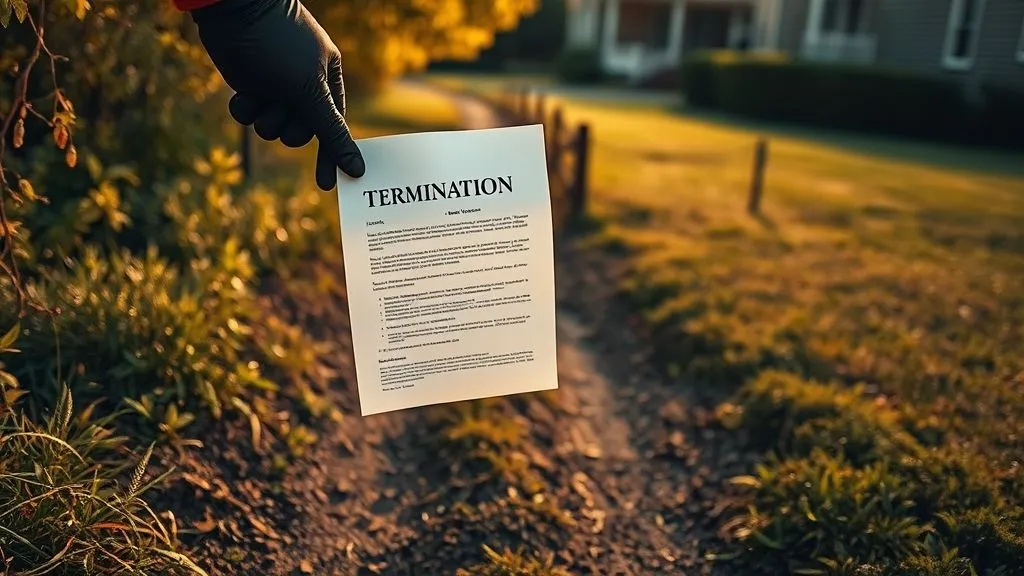
How to Terminate Unused Prescriptive Easements Legally?
For over two decades in real estate law, I've witnessed firsthand the quiet frustration and significant financial burden that unused prescriptive easements can impose on property owners. It's a surprisingly common scenario: a piece of land carries the weight of an historical right-of-way that hasn't been actively used in years, or even decades, yet it remains a legally binding encumbrance.
This isn't just a minor annoyance; it’s a tangible problem that can impede development, complicate sales, and diminish property value. Imagine trying to sell a prime parcel, only to find potential buyers deterred by an obscure, rarely used pathway that grants someone else rights over a portion of your land. Or perhaps you want to build an extension, only to discover it encroaches on an easement that, while dormant, is still legally active. The pain points are real, creating uncertainty and limiting your full enjoyment of what should be your exclusive domain.
In this definitive guide, I will draw upon my extensive experience to walk you through the intricate legal landscape of terminating unused prescriptive easements. We'll explore the foundational principles, dissect five robust legal strategies, delve into the critical quiet title action, and equip you with practical considerations and expert insights. My goal is to provide you with not just information, but a clear, actionable framework to reclaim your property rights and resolve these vexing issues legally and effectively.
Understanding Prescriptive Easements: A Foundation
Before we discuss termination, it’s crucial to understand what we're dealing with. A prescriptive easement is a right to use another person's property, acquired through continuous, open, and hostile use for a statutory period, without the owner's permission. Think of it as adverse possession, but for use rather than ownership.
What Exactly is a Prescriptive Easement?
In essence, a prescriptive easement arises when someone uses another's land in a way that is:
- Open and Notorious: The use must be visible and obvious, not hidden.
- Continuous and Uninterrupted: The use must occur regularly over the statutory period, though not necessarily every single day.
- Adverse and Hostile: The use must be without the property owner's permission and in defiance of their rights.
- Under a Claim of Right: The user acts as if they have a right to use the property.
- For the Statutory Period: This period varies by state, typically ranging from 5 to 20 years.
Once these elements are met and legally established, often through a court order, a permanent right to use the land is granted to the easement holder. It’s important to note that unlike an express easement, which is created by a written agreement, a prescriptive easement is established through behavior and time.
The Burden of an Unused Easement
Many property owners mistakenly believe that if an easement isn't being used, it automatically expires. This is a common and costly misconception. An unused prescriptive easement remains a legal encumbrance on your property title, regardless of its dormancy. It can significantly affect your property's marketability and value, as potential buyers or lenders may view it as a liability or a restriction on future development.
The burden isn't just theoretical. I've seen situations where an owner planned a significant renovation or construction project, only to discover an ancient, forgotten prescriptive easement running directly through their proposed building site. This can lead to costly redesigns, delays, or even the abandonment of projects. The legal ambiguity alone can be a major headache, which is why understanding how to terminate unused prescriptive easements legally is so vital.
The Legal Pathways to Termination: Key Principles
Terminating a prescriptive easement isn't straightforward and rarely happens automatically. It requires proactive legal steps. Here, I'll outline the primary legal avenues available, each with its own specific requirements and challenges.
1. Abandonment: More Than Just Non-Use
While non-use is a component of abandonment, it is rarely sufficient on its own. To prove abandonment, you must demonstrate two critical elements:
- Non-use: The easement holder must have ceased using the easement for a significant period.
- Intent to Abandon: Crucially, there must be clear evidence of the easement holder's intent to permanently relinquish their rights. This is the more challenging element to prove.
Intent can be inferred from actions, or lack thereof. For instance, if the easement holder builds a permanent structure that blocks their own access to the easement, or if they explicitly state they no longer need or want the easement, that could indicate intent. Simply not using a path for a few years, however, is generally not enough. It requires a clear, unequivocal act or declaration. Nolo.com provides further insights into the complexities of easement law.

2. Merger: Uniting Dominant and Servient Estates
Merger occurs when the same person or entity acquires ownership of both the dominant estate (the property benefiting from the easement) and the servient estate (the property burdened by the easement). When this happens, the easement is extinguished because you cannot have an easement over your own land.
"The concept of merger is elegantly simple: an easement is a right to use someone else's land. If you own both pieces of land, the 'someone else' disappears, and so does the need for the easement. It's a common-sense legal principle that consolidates property rights." - Industry Specialist Insight
The key here is complete unity of ownership. If the owner of the dominant tenement acquires the servient tenement, or vice versa, the easement merges into the fee simple title and ceases to exist. This termination is typically permanent, even if the properties are later separated again, a new easement would need to be created.
3. Release: The Direct Approach
A direct release is often the most amicable and straightforward way to terminate an easement, provided the easement holder is willing to cooperate. This involves the easement holder formally relinquishing their rights through a written, recorded document.
The process usually entails:
- Negotiation: Contacting the easement holder and discussing their willingness to release the easement. This might involve compensation.
- Drafting a Release Document: A legally sound document, often called a “Grant of Release of Easement,” must be prepared by an attorney.
- Execution and Recording: The document must be signed by the easement holder (and often notarized) and then recorded in the county land records where the property is located. This provides public notice of the termination.
While seemingly simple, negotiations can be complex, especially if the easement holder perceives value in their right, even if unused. I've advised clients through many such negotiations, emphasizing clear communication and a willingness to compromise.
| Option | Pros | Cons |
|---|---|---|
| Direct Negotiation & Release | Amicable, fastest if cooperative, clear documentation | Requires easement holder's consent, potential for compensation, negotiation can be lengthy |
| Court Action (e.g., Quiet Title) | Definitive legal resolution, can proceed without holder's consent | Costly, time-consuming, uncertain outcome, requires strong legal argument |
4. Adverse Possession Against the Easement
This is a more aggressive and challenging route, essentially turning the tables on the concept of a prescriptive easement. Instead of someone acquiring an easement over your land, you are essentially acquiring the easement back from the easement holder by preventing their use of it.
To terminate an easement by adverse possession, the servient estate owner (you) must:
- Block or Obstruct the Easement: You must take actions that physically prevent the easement holder from using their right-of-way. This could involve fencing it off, building a structure on it, or otherwise making its use impossible.
- Open and Notorious: Your obstruction must be visible and obvious to the easement holder.
- Continuous and Uninterrupted: The obstruction must remain in place for the full statutory period required for adverse possession in your state.
- Adverse and Hostile: Your actions must be without the easement holder's permission and clearly in opposition to their right to use the easement.
This method carries significant risk, as it could provoke a legal challenge from the easement holder. However, if successful, it definitively extinguishes the easement. It's a strategy that requires careful planning and legal guidance to avoid potential disputes or even claims of trespass against you. For a deeper dive into adverse possession, consult resources like Cornell Law School's Legal Information Institute.
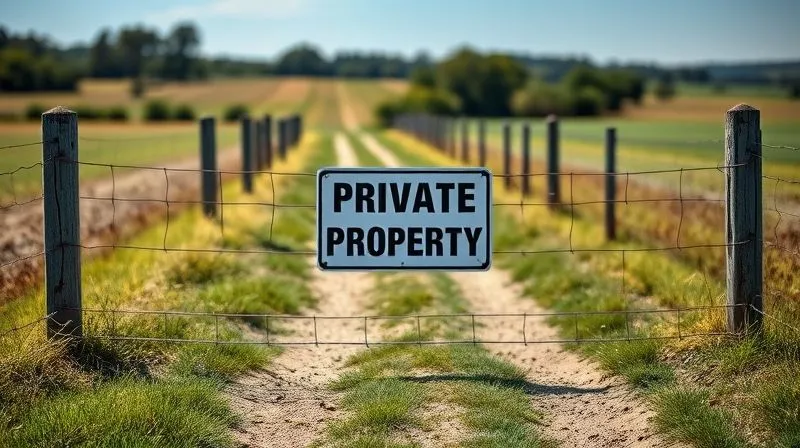
5. Estoppel: When Actions Speak Louder Than Words
Easement by estoppel is a less common but powerful legal doctrine where an easement can be terminated if the easement holder, through their words or actions, leads the servient property owner to reasonably believe the easement will no longer be used or is terminated, and the servient owner acts to their detriment in reliance on that belief.
Key elements for termination by estoppel include:
- Representation: The easement holder makes a statement or takes an action that suggests they are abandoning or will not enforce the easement.
- Reliance: The servient property owner reasonably relies on this representation.
- Detriment: The servient property owner suffers a significant detriment (e.g., invests money, alters their property) as a direct result of their reliance.
This is a nuanced legal argument, often requiring clear evidence of communication and subsequent detrimental reliance. It's not about passive non-use, but about active misrepresentation or misleading conduct by the easement holder.
Case Study: The Orchard Lane Dispute
Consider the fictional case of Sarah, who owned a property burdened by a prescriptive easement for a driveway leading to a neighbor's (John's) back orchard. For years, John had been using a new, paved access road he built from another street, completely abandoning the old dirt path across Sarah's land. One day, Sarah approached John, expressing her desire to build a garage where the old path lay. John, verbally and in a casual email, assured her, "Don't worry about that old path, Sarah. I haven't used it in years and don't plan to. Build your garage." Relying on John's explicit assurances, Sarah invested heavily in permits and construction, pouring a foundation that completely blocked the old path. A year later, John had a falling out with his other neighbor and suddenly tried to reassert his right to use Sarah's path. Sarah, with proper legal counsel, successfully argued termination by estoppel. The court found that John's clear representation, Sarah's reasonable and detrimental reliance, and the subsequent change in her position created an equitable bar against John's claim. This resulted in the legal termination of the unused prescriptive easement, allowing Sarah to fully enjoy her property.
Navigating the Quiet Title Action
When direct negotiation isn't possible, or when you need a definitive judicial declaration of an easement's termination, a quiet title action is often the most powerful legal tool available. This is a lawsuit filed in court to establish one's title to property, or to remove a cloud on a title, such as an unused or disputed easement.
Why a Quiet Title Action is Often Necessary
A quiet title action provides a clear, legally binding judgment that resolves any uncertainties about property ownership and encumbrances. It's particularly useful when:
- The easement holder is uncooperative or cannot be located.
- There is ambiguity about the easement's existence or scope.
- You need an official court order to clear your title for a sale or development.
- You are relying on abandonment, adverse possession, or estoppel, which often require judicial validation.
This action essentially “quiets” any competing claims or interests, leaving you with a clear and marketable title. It's a robust solution for how to terminate unused prescriptive easements legally with finality.
Steps in a Quiet Title Action
Bringing a quiet title action is a formal legal process. While specifics vary by jurisdiction, the general steps include:
- Consultation with an Attorney: Essential to assess the strength of your case and understand local procedures.
- Filing a Complaint: Your attorney will draft and file a complaint with the appropriate court, naming all parties who might have an interest in the easement (including the easement holder, their heirs, or unknown parties).
- Service of Process: All named parties must be legally notified of the lawsuit. This can involve personal service, or in some cases, publication in a newspaper if parties cannot be found.
- Discovery: Both sides gather evidence through depositions, interrogatories, and requests for documents. This is where you'd present evidence of abandonment, merger, adverse possession, or estoppel.
- Trial (if necessary): If a settlement isn't reached, the case proceeds to trial where a judge or jury will hear evidence and make a ruling.
- Judgment: If successful, the court issues a judgment formally declaring the easement terminated. This judgment is then recorded in the land records, permanently clearing your title.
The process can be lengthy and expensive, but the peace of mind and enhanced property value that come with a clear title are often well worth the investment. For comprehensive legal guidance on property disputes, the American Bar Association's Real Property, Trust and Estate Law Section offers valuable resources.

Practical Considerations and Avoiding Pitfalls
Beyond the legal doctrines, there are practical steps and common mistakes to avoid when addressing unused easements.
Due Diligence: Researching the Easement's History
Before taking any action, thorough research is paramount. Obtain a comprehensive title search and review all recorded documents related to your property and the easement. This includes deeds, surveys, and any prior easement agreements. Understand how the easement was created (if known), its exact location, and its stated purpose. This due diligence will inform your strategy and uncover any potential surprises. I've often seen owners jump to conclusions without a full understanding of the historical context, leading to missteps.
The Importance of Legal Counsel
I cannot stress this enough: do not attempt to terminate an easement without experienced legal counsel. Real estate law, particularly concerning easements, is complex and highly state-specific. An attorney specializing in real estate will:
- Interpret complex legal documents and statutes.
- Advise on the most viable termination strategy for your specific situation.
- Represent your interests in negotiations or court proceedings.
- Ensure all legal requirements are met to avoid future challenges.
The cost of legal representation is typically far less than the potential financial impact of an unresolved easement dispute or an improperly executed termination.
Negotiation Strategies with the Easement Holder
Even if you believe you have a strong legal case for termination, attempting a friendly negotiation first can save significant time and money. Here are some strategies:
- Open Communication: Initiate a respectful dialogue.
- Understand Their Needs: Why do they hold the easement, even if unused? Is there an underlying concern?
- Offer Compensation: Sometimes a reasonable payment can incentivize a release.
- Offer an Alternative: Could you provide an alternative access point or a different type of easement elsewhere on your property?
- Highlight Mutual Benefit: Explain how terminating the unused easement benefits both parties (e.g., reduces liability for the easement holder, simplifies property lines).
A well-structured negotiation can often lead to a mutually agreeable solution, avoiding the adversarial nature and expense of litigation.
| Negotiation Point | Strategy | Consideration |
|---|---|---|
| Compensation | Offer fair market value for the release, or less if the easement's utility is truly negligible. | Be prepared for counter-offers; research comparable land values. |
| Alternative Access | Propose a new, clearly defined easement in a less impactful location. | Ensure the alternative is genuinely viable and equally convenient for the holder. |
| Clarification of Rights | Offer to formalize a limited access agreement if full termination is resisted. | This might not fully terminate but can mitigate the burden. |

Frequently Asked Questions (FAQ)
Q: Is non-use alone enough to terminate a prescriptive easement? No, generally not. While non-use is a necessary component, it must almost always be coupled with a clear, unequivocal intent to abandon the easement, or other affirmative acts like adverse possession against the easement, or a formal release. Mere non-use, no matter how long, is usually insufficient on its own to legally terminate the right.
Q: Can I just block an unused easement? Blocking an easement without legal justification is highly risky. It could lead to a lawsuit from the easement holder for interference with their property rights, potentially resulting in orders to remove the obstruction, damages, and legal fees. If you intend to block an easement, it should be part of a deliberate strategy for adverse possession against the easement, undertaken with legal counsel, where you are prepared for a potential legal challenge.
Q: What's the cost of terminating an easement? The cost varies widely depending on the method. A direct release might only involve attorney fees for drafting and recording, potentially with compensation to the easement holder. A quiet title action, however, can involve significant legal fees, court costs, and potentially expert witness fees, ranging from several thousand to tens of thousands of dollars, depending on the complexity and duration of the litigation.
Q: How long does the process typically take? Again, this depends on the method. A cooperative release could take weeks. A quiet title action, especially if contested, can take many months, sometimes over a year, to resolve through the court system. Factors like court backlogs, discovery complexities, and settlement negotiations all influence the timeline.
Q: What if the easement holder is uncooperative or unknown? If uncooperative, a quiet title action is often the most effective route. If the easement holder is unknown or cannot be located, a quiet title action can still proceed by serving notice through publication in a legal newspaper, as permitted by court rules. This ensures that even unknown parties have a legal opportunity to respond before a judgment is rendered, allowing you to clear your title.
Key Takeaways and Final Thoughts
Navigating the termination of unused prescriptive easements is a complex but often necessary journey for property owners seeking to maximize their land's value and utility. It's a task that demands precision, patience, and professional guidance. Remember these core principles:
- Non-use alone is rarely enough: You must prove intent to abandon or take affirmative steps.
- Multiple legal pathways exist: Abandonment, merger, release, adverse possession against the easement, and estoppel are your primary tools.
- Quiet Title Action is definitive: For clear resolution, especially in contested or ambiguous situations, a court order is invaluable.
- Due diligence is critical: Understand the easement's history and legal basis before acting.
- Legal counsel is indispensable: An experienced real estate attorney will guide you through the intricacies and protect your interests.
Don't let an old, forgotten easement diminish your property's potential. By understanding these strategies and engaging with experienced legal professionals, you can effectively address these encumbrances and truly unlock the full value and enjoyment of your land. The peace of mind that comes with a clear title is an investment well worth making.
Recommended Reading
- 7 Urgent Steps: Modifying Visitation Due to Child Safety Risks?
- 5 Legal Pathways: Challenge International Organization Immunity in Courts
- Unveiling the Hidden Costs: What Are the Legal Implications of Breaking Diplomatic Ties?
- Can the Government Take Your Land? Understanding Eminent Domain Rights
- 7 Proven Ways to Protect Trust Assets from Medicaid Spend-Down Rules




Comments
Leave a comment below. Your email will not be published. Required fields marked with *