


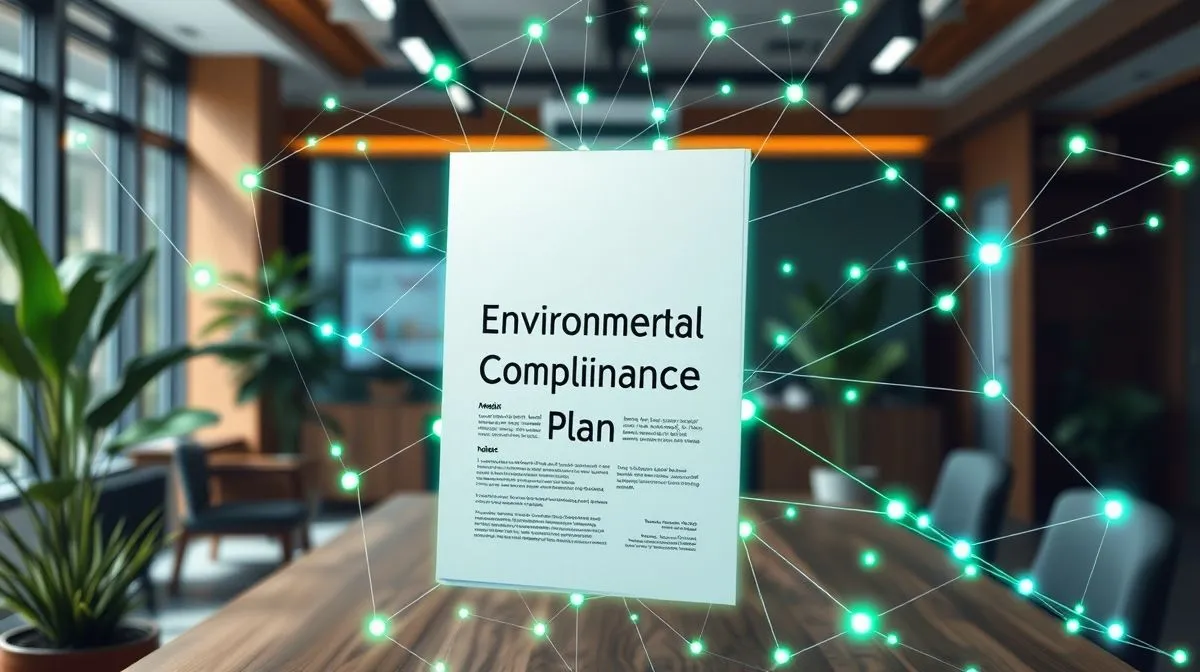
How to update environmental compliance plans for ESG reporting?
For over two decades in environmental law, I've witnessed firsthand the seismic shifts in how businesses perceive and manage their environmental responsibilities. What was once a reactive, compliance-driven exercise, often relegated to a siloed department, has now exploded onto the C-suite agenda as a core component of Environmental, Social, and Governance (ESG) performance. It's a fundamental transformation, and frankly, many companies are still playing catch-up.
The pain point is palpable: traditional environmental compliance plans, while essential for avoiding penalties, often fall short of the holistic, forward-looking demands of modern ESG reporting. This misalignment can lead to fragmented strategies, inaccurate disclosures, reputational damage, and ultimately, a missed opportunity to build genuine, sustainable value. Companies find themselves scrambling to gather data for ESG reports, only to realize their foundational compliance systems aren't designed to deliver it efficiently or comprehensively.
In this definitive guide, I'll share a structured, expert-backed framework to bridge this critical gap. You'll learn not just what to do, but *how* to integrate your environmental compliance plans seamlessly into your broader ESG reporting strategy, leveraging actionable steps, real-world insights, and strategic foresight. My goal is to equip you with the knowledge to transform your environmental compliance from a cost center into a powerful driver of sustainable growth and stakeholder trust.
Understanding the ESG-Compliance Nexus: More Than Just 'Greenwashing'
Let's be clear: ESG isn't just a buzzword, and it's certainly not a sophisticated form of 'greenwashing.' It's a strategic imperative that reflects a fundamental shift in investor expectations, regulatory pressures, and societal values. While environmental compliance focuses on adherence to legal minimums – avoiding fines, securing permits, managing waste lawfully – ESG demands a proactive, comprehensive approach to environmental stewardship that often goes well beyond regulatory thresholds.
The 'E' in ESG encompasses a wide array of factors, including climate change mitigation and adaptation, resource scarcity, pollution prevention, biodiversity loss, and circular economy principles. These are not merely operational checkboxes; they are material risks and opportunities that impact a company's long-term viability and financial performance. Traditional compliance is the floor; ESG is the ceiling, and increasingly, the sky.
"ESG is not just about doing less harm; it's about doing more good, and demonstrating that impact with verifiable data. Your environmental compliance plan is the foundational bedrock upon which your entire environmental ESG story is built."
The critical difference lies in intent and scope. Compliance is about meeting obligations; ESG is about demonstrating leadership and strategic value through superior environmental performance. It requires robust data, transparent reporting, and a commitment to continuous improvement that extends throughout the value chain.
- Traditional Compliance: Focuses on legal adherence, risk mitigation (fines, lawsuits), often reactive, siloed.
- ESG Environmental: Focuses on strategic value creation, proactive risk management (reputational, climate), opportunity identification, integrated, transparent, stakeholder-driven.
Navigating the Shifting Sands of Environmental Regulation
The regulatory landscape for environmental matters is in constant flux, driven by global climate imperatives, technological advancements, and evolving public awareness. What was sufficient five years ago might be woefully inadequate today, especially when viewed through an ESG lens. From stricter emissions standards to new mandates on plastic reduction and biodiversity protection, companies must maintain an agile and forward-looking approach.
Proactive monitoring of these changes is no longer optional; it's a competitive necessity. Many jurisdictions are introducing new disclosure requirements, such as the EU's Corporate Sustainability Reporting Directive (CSRD) or the SEC's proposed climate-related disclosure rules in the U.S. These regulations demand a level of detail and integration that traditional compliance frameworks were simply not built to deliver.
Global vs. Local Compliance Challenges
For multinational corporations, this challenge is compounded by a patchwork of global and local regulations. A company operating in Germany faces different environmental compliance requirements than one in Texas or China. Successfully updating environmental compliance plans for ESG reporting means understanding and harmonizing these disparate requirements into a cohesive strategy that satisfies both local legal obligations and global ESG expectations.
For instance, the European Union's ambitious European Green Deal is setting a new global benchmark for environmental regulation, impacting everything from product design to supply chain due diligence. Companies exporting to or operating within the EU must consider these far-reaching implications when structuring their environmental compliance and ESG strategies.
Phase One: The Comprehensive Gap Analysis – Where Are You Now?
Before you can chart a course forward, you must understand your current position. A thorough gap analysis is the indispensable first step in updating your environmental compliance plans for ESG reporting. It involves a systematic review of your existing environmental management systems against the requirements and expectations of leading ESG frameworks.
Step 1: Baseline Your Current Compliance Program
Begin by meticulously documenting your existing environmental compliance obligations and how you meet them. This isn't just about reviewing permits; it's about understanding the operational processes, data collection methods, and reporting structures already in place.
- Review all permits: Air, water, waste, hazardous materials.
- Audit compliance records: Incident reports, monitoring data, training logs, enforcement actions.
- Map operational processes: Identify points where environmental risks are managed or created.
- Assess internal controls: How are you ensuring adherence to regulations?
Step 2: Assess Your ESG Reporting Framework
Next, identify which ESG reporting frameworks are most relevant to your industry and stakeholders. Are you reporting under SASB, GRI, TCFD, or a combination? Each framework has specific environmental disclosures and metrics. Understanding these requirements is crucial for identifying the 'gap' between your current compliance data and what's needed for robust ESG reporting.
For example, the Task Force on Climate-related Financial Disclosures (TCFD) requires companies to assess and disclose climate-related risks and opportunities across governance, strategy, risk management, and metrics & targets. This often necessitates a level of granular emissions data and scenario analysis that traditional compliance reporting doesn't capture.
Step 3: Identify Discrepancies and Opportunities
With your baseline and ESG framework knowledge in hand, conduct a direct comparison. Where are the overlaps? Where are the gaps? This step requires a critical eye and often, collaboration between legal, operations, finance, and sustainability teams.
- Data Discrepancies: Are you collecting the right environmental data? Is it granular enough? Is it verifiable for ESG reporting?
- Process Gaps: Are there processes in your compliance framework that can be expanded or refined to meet ESG metrics?
- Risk Identification: What environmental risks, beyond pure regulatory non-compliance, are material to your ESG performance? (e.g., water stress in supply chain, carbon transition risk).
- Opportunity Mapping: Where can enhanced environmental performance lead to cost savings, innovation, or new market opportunities that boost your ESG profile?
Phase Two: Architecting Your Integrated Environmental Compliance & ESG Strategy
Once you understand the gaps, the real work of integration begins. This phase is about designing a unified approach that ensures your environmental compliance efforts actively contribute to and enhance your ESG reporting, rather than remaining a separate, parallel activity.
Developing a Unified Policy Document
A crucial first step is to develop or update a comprehensive environmental policy that explicitly integrates ESG principles. This policy should go beyond merely stating a commitment to compliance; it should articulate the company's broader environmental stewardship goals, its approach to climate change, resource management, and its ambition for positive impact. This document serves as the guiding star for all environmental activities, from daily operations to strategic planning.
Ensure this policy is endorsed by the highest levels of management and communicated throughout the organization. It provides the mandate for the changes required to seamlessly update environmental compliance plans for ESG reporting.
Integrating Environmental KPIs into ESG Metrics
This is where the rubber meets the road. Your environmental compliance data needs to be translated into meaningful Key Performance Indicators (KPIs) that align with your chosen ESG reporting frameworks. For instance, instead of just reporting gallons of wastewater treated, you might report water intensity per unit of production, a metric highly valued by SASB or GRI.
- Emissions: Move beyond just Scope 1 & 2 regulatory reporting to include Scope 3 emissions across your value chain.
- Water Usage: Track water withdrawal, consumption, and discharge, ideally per product unit or revenue.
- Waste Management: Focus on waste diversion rates, hazardous waste reduction, and circularity initiatives.
- Energy Consumption: Track renewable energy adoption and overall energy efficiency improvements.
For detailed guidance on specific metrics, consider consulting the SASB Standards, which provide industry-specific disclosure topics and metrics for financially material sustainability information. Integrating these into your compliance data collection is paramount.
Case Study: Evergreen Solutions' ESG Transformation
Evergreen Solutions, a mid-sized chemical manufacturer, faced increasing pressure from investors regarding its environmental footprint. Their compliance team was robust, consistently meeting all regulatory requirements, but their ESG scores were lagging due to a lack of integrated data and proactive environmental strategy beyond basic compliance. Investors perceived them as high-risk, despite their strong regulatory record.
The Problem: Siloed data. Environmental compliance data (emissions, waste volumes, permit adherence) was collected separately from sustainability initiatives (renewable energy procurement, product life cycle assessments). This made comprehensive ESG reporting difficult and inconsistent.
The Solution: Evergreen Solutions engaged my firm to help them update environmental compliance plans for ESG reporting. We implemented a three-phase approach:
- Integrated Data Platform: They invested in a unified software platform that pulled in real-time data from their operational environmental systems (e.g., continuous emissions monitoring, wastewater treatment plant sensors) and combined it with energy consumption and supply chain data.
- Cross-Functional Teams: We helped establish a cross-functional ESG committee, including representatives from environmental compliance, operations, finance, and investor relations. This fostered collaboration and ensured environmental data was viewed through a strategic ESG lens.
- ESG-Aligned KPIs: We worked with them to redefine environmental KPIs to align with GRI and SASB standards, moving beyond simple compliance metrics to include intensity metrics (e.g., CO2e/ton of product, water use/revenue).
The Result: Within 18 months, Evergreen Solutions saw a significant improvement in their ESG ratings. Their ability to provide transparent, verifiable environmental data for their ESG reports enhanced investor confidence, leading to a 10% increase in their share price and a reduction in their cost of capital for green financing initiatives. This demonstrated that integrating compliance with ESG wasn't just about avoiding risk; it was about creating tangible value.
Phase Three: Data Management, Reporting & Verification for Credibility
Robust data management is the backbone of credible ESG reporting. Without accurate, consistent, and verifiable data, even the most well-intentioned environmental compliance plan will fail to deliver meaningful ESG insights. This phase focuses on operationalizing your integrated strategy.
Centralizing Data Collection
I cannot stress this enough: fragmented data is your enemy. Companies often have environmental data scattered across various departments, spreadsheets, and legacy systems. To effectively update environmental compliance plans for ESG reporting, you need a centralized system for collecting, storing, and analyzing all relevant environmental data.
- Standardize Data Inputs: Develop clear protocols for how environmental data is collected across all sites and operations.
- Automate Where Possible: Leverage sensors, IoT devices, and digital systems to automate data capture, reducing human error and improving efficiency.
- Ensure Data Quality: Implement rigorous data validation and quality control checks.
- Audit Trail: Maintain a clear audit trail for all environmental data, demonstrating its source and transformation.
Transparent Reporting: Beyond the Checklist
ESG reporting is not just about ticking boxes; it's about telling a compelling and truthful story about your environmental performance. While quantitative data is crucial, the narrative context is equally important. Explain your methodologies, challenges, and aspirations.
As marketing guru Seth Godin often says, "People do not buy goods and services. They buy relations, stories and magic." In the context of ESG, stakeholders aren't just buying your products; they're buying into your commitment to a sustainable future. Your environmental reporting must reflect this deeper engagement.
The Role of Third-Party Verification
To truly build trust and enhance the credibility of your environmental ESG disclosures, consider independent third-party assurance or verification. This process, similar to financial audits, provides an external stamp of approval on the accuracy and completeness of your environmental data and claims.
According to a PwC study on ESG Assurance, companies that obtain third-party assurance for their ESG reports often experience enhanced stakeholder confidence, improved access to sustainable finance, and a stronger reputation. It signals a serious commitment to transparency and accountability, turning your updated environmental compliance plan into a verifiable asset.
Leveraging Technology for Predictive Environmental Intelligence
The digital revolution offers powerful tools to not only manage but also predict and optimize environmental performance. To effectively update environmental compliance plans for ESG reporting, companies must embrace technological solutions that go beyond basic record-keeping.
ESG Software Solutions
A growing ecosystem of ESG software platforms can streamline data collection, automate reporting processes, and provide valuable insights. These platforms can integrate with existing operational systems, pulling in environmental data from across your enterprise and mapping it to relevant ESG metrics and compliance requirements. They often include features for:
- Carbon footprinting and emissions tracking.
- Waste and water management.
- Supply chain environmental risk assessment.
- Automated report generation for various frameworks (GRI, SASB, CDP).
AI and Machine Learning for Compliance Foresight
The next frontier is leveraging artificial intelligence (AI) and machine learning (ML) for predictive environmental intelligence. AI can analyze vast datasets to identify emerging regulatory trends, predict potential compliance risks before they materialize, and even optimize resource consumption. For example, AI can analyze weather patterns, production schedules, and regulatory limits to optimize water discharge or air emissions, ensuring compliance while minimizing environmental impact.
"The true power of technology in environmental compliance and ESG isn't just about managing data, it's about transforming it into actionable intelligence that enables proactive decision-making and future-proofs your operations."
This level of technological integration moves environmental compliance from a reactive necessity to a strategic advantage, allowing companies to anticipate changes, innovate solutions, and demonstrate genuine leadership in their ESG journey.
Fostering a Culture of Environmental Stewardship: Beyond the Boardroom
No matter how sophisticated your systems or how meticulously you update environmental compliance plans for ESG reporting, ultimate success hinges on your people. A culture of environmental stewardship, where every employee understands their role in achieving ESG goals, is indispensable.
Employee Engagement and Training
Environmental compliance and ESG are not solely the responsibility of the environmental or sustainability department. Every employee, from the factory floor to the executive suite, has a part to play. Regular, comprehensive training programs are crucial to:
- Educate employees on the company's environmental policy and ESG commitments.
- Provide specific training on their role in environmental compliance and data collection.
- Foster a sense of ownership and accountability for environmental performance.
- Encourage innovation and suggestions for environmental improvements.
Supply Chain ESG Due Diligence
Your environmental footprint extends far beyond your direct operations. To truly update environmental compliance plans for ESG reporting comprehensively, you must address your supply chain. This means conducting due diligence on your suppliers' environmental performance, ensuring they meet your standards for compliance and sustainability.
This might involve:
- Supplier environmental audits.
- Requiring suppliers to adhere to a code of conduct that includes environmental clauses.
- Collaborating with suppliers on emissions reduction, waste minimization, and sustainable sourcing initiatives.
The global nature of supply chains means that a single environmental incident at a supplier can have significant reputational and financial implications for your brand, underscoring the importance of extending your environmental diligence beyond your own four walls.
Continuous Improvement & Future-Proofing Your Environmental ESG Strategy
The journey to fully integrated environmental compliance and ESG reporting is not a one-time project; it's an ongoing process of continuous improvement. The regulatory landscape, scientific understanding of environmental issues, and stakeholder expectations are constantly evolving.
Regular Review Cycles
Establish a regular review cycle for your integrated environmental compliance and ESG strategy, at least annually. This review should involve:
- Assessing the effectiveness of your existing controls and processes.
- Analyzing performance against established KPIs and targets.
- Identifying new or emerging environmental risks and opportunities.
- Benchmarking against industry best practices and peer performance.
This cyclical approach ensures your strategy remains relevant, effective, and responsive to internal and external changes. It's about building resilience into your environmental management system.
Adapting to Emerging Risks and Opportunities
As an expert in this field, I've seen firsthand how quickly 'fringe' environmental issues become mainstream concerns. Biodiversity loss, the circular economy, and the concept of a 'just transition' are increasingly becoming material ESG topics. Your updated environmental compliance plans must have the flexibility to adapt to these emerging risks and capitalize on new opportunities.
For example, proactive engagement with circular economy principles – designing out waste, keeping products and materials in use, and regenerating natural systems – can not only reduce your environmental footprint but also unlock significant business model innovation and competitive advantage.
This forward-looking perspective, embedded within your updated environmental compliance plan, is what truly sets leading companies apart in the ESG arena.
Frequently Asked Questions (FAQ)
What's the biggest mistake companies make when updating compliance for ESG? The most common pitfall is treating ESG reporting as a separate, additional layer of work rather than an integrated evolution of existing environmental compliance efforts. This leads to duplication, inconsistent data, and missed opportunities for strategic alignment. The key is to leverage and expand your compliance infrastructure to serve ESG needs, rather than building a new system from scratch.
How do small and medium enterprises (SMEs) approach this without vast resources? SMEs can start by focusing on materiality – identifying the environmental aspects most relevant to their business and stakeholders. Begin with a streamlined gap analysis, prioritize key environmental KPIs that are manageable to track, and leverage accessible tools like simplified ESG reporting software or even robust spreadsheets initially. Collaboration with industry associations and utilizing publicly available frameworks (e.g., SME-specific ESG guides) can also be highly beneficial. The principle of 'progress over perfection' is vital here.
What role does the board of directors play in this integration? The board's role is absolutely critical. They provide oversight, set the strategic tone, and ensure adequate resources are allocated. Their understanding of the nexus between environmental compliance risks and ESG opportunities is paramount. Boards should challenge management on the comprehensiveness of their environmental data, the integration of compliance into ESG strategy, and the veracity of public disclosures. A well-informed board acts as a powerful driver for change and accountability.
How do I measure the ROI of investing in integrated environmental ESG compliance? Measuring ROI involves both direct and indirect benefits. Direct benefits include reduced operational costs (e.g., through energy efficiency, waste reduction), avoided fines, and potentially lower cost of capital from ESG-linked financing. Indirect benefits are often more significant: enhanced brand reputation, improved investor relations, increased employee engagement and retention, and greater resilience to future regulatory changes or climate impacts. Quantify what you can (e.g., cost savings from water recycling) and articulate the strategic value of the intangibles.
What are the key regulatory drivers pushing this integration globally? Beyond national environmental laws, significant drivers include new corporate sustainability reporting directives (e.g., EU's CSRD), financial regulators' focus on climate risk disclosure (e.g., SEC in the U.S., various central banks), and evolving due diligence requirements for supply chains (e.g., German Supply Chain Due Diligence Act). There's also increasing pressure from institutional investors and financial markets that are integrating ESG performance into their investment decisions, making robust environmental data a financial necessity.
Recommended Reading
- The Ultimate Guide: Can I Switch from B2 to F1 Visa in the US?
- Presidential Power: What Limits Really Exist? Find Out Now!
- 7 Crucial Steps to Safeguard Your Assets in Chapter 7 Bankruptcy
- Unmasking Your Consumer Rights for Faulty Home Repairs: The Ultimate Guide
- 7 Steps to Safeguard Trade Secrets When Key Staff Exit
Key Takeaways and Final Thoughts
The journey to effectively update environmental compliance plans for ESG reporting is complex but immensely rewarding. It's a strategic evolution, not a mere administrative task. By embracing this challenge, your organization can move beyond simply avoiding penalties to actively creating value, building trust, and future-proofing your business.
- Start with a rigorous gap analysis: Understand where your current compliance meets and where it falls short of ESG demands.
- Integrate, don't just add: Develop a unified strategy that weaves environmental compliance seamlessly into your broader ESG framework.
- Prioritize data integrity: Centralize, standardize, and verify your environmental data for credible reporting.
- Leverage technology: Use ESG software and AI for efficiency, insights, and predictive capabilities.
- Foster a culture of stewardship: Engage employees and extend your environmental diligence throughout your supply chain.
- Embrace continuous improvement: The environmental and ESG landscape is dynamic; your strategy must be too.
In my experience, companies that proactively address this integration are not just mitigating risks; they are unlocking new opportunities for innovation, attracting top talent, and securing their license to operate in an increasingly sustainability-conscious world. This isn't just about compliance; it's about competitive advantage and building a truly resilient, responsible, and respected enterprise for generations to come.




Comments
Leave a comment below. Your email will not be published. Required fields marked with *