



Legal risks of seller non-disclosure after property closing?
For over two decades in real estate law, I've witnessed the profound distress and financial heartache that arises when a buyer discovers a significant, undisclosed property defect weeks or months after closing. It's a scenario that plays out far too often: the excitement of a new home quickly turns into a nightmare of unexpected repairs, legal uncertainties, and the gnawing feeling of being deceived.
The problem isn't just the cost of fixing a leaky roof or a crumbling foundation; it's the erosion of trust, the emotional toll, and the daunting question of what legal recourse, if any, is available. Buyers often feel powerless, believing that once the ink is dry and the keys are exchanged, their options are limited. This perception, while understandable, isn't always accurate.
In this definitive guide, I'll walk you through the complex landscape of legal risks associated with seller non-disclosure after property closing. We'll explore the types of claims you can pursue, the critical timelines involved, and the remedies available. More importantly, I'll provide actionable frameworks and expert insights to help you understand your rights and navigate these challenging situations, drawing from real-world examples and my extensive experience in the field.
The Foundation: Understanding Disclosure Laws
Before diving into the risks, it's crucial to understand the bedrock of real estate transactions: disclosure laws. These aren't uniform; they vary significantly by state, and sometimes even by local jurisdiction. Some states operate under a "buyer beware" (caveat emptor) principle, while others mandate extensive seller disclosures. In my experience, even in "buyer beware" states, sellers are generally required to disclose known material defects, especially those that aren't readily observable.
Material Defects Defined
What exactly constitutes a material defect? It's generally defined as a condition that could significantly affect the property's value, desirability, or safety, or that would influence a reasonable buyer's decision to purchase the property. Think beyond cosmetic flaws. We're talking about structural integrity, major system failures (HVAC, plumbing, electrical), environmental hazards, or significant past events like severe flooding. The key is its impact on the property's fundamental utility and market value.
Seller's Duty vs. Buyer's Due Diligence
The legal framework often balances the seller's duty to disclose with the buyer's responsibility for due diligence. Sellers can't actively conceal defects or make fraudulent misrepresentations. However, buyers also have a responsibility to conduct thorough inspections and ask pertinent questions. This isn't a "gotcha" game; it's about transparency from the seller and vigilance from the buyer. The challenge arises when sellers fail to uphold their end of this bargain, either intentionally or through gross negligence.
Common Forms of Seller Non-Disclosure
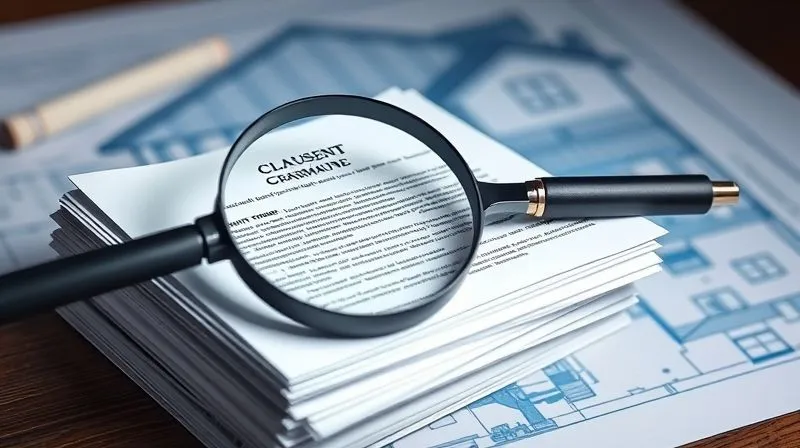
Non-disclosure isn't always a malicious act, though it often feels that way to the buyer. Sometimes it's ignorance, sometimes it's an oversight, and sometimes, unfortunately, it's deliberate concealment. Regardless of intent, the impact on the buyer can be devastating. I've seen a wide array of issues surface post-closing:
- Latent Defects: These are the most insidious, as they are hidden and not easily discoverable by a reasonable inspection. Examples include structural instability behind finished walls, hidden water damage, or buried oil tanks.
- Structural Issues: Problems with foundations, roofs, load-bearing walls, or significant cracks that were patched over without proper repair.
- Environmental Hazards: Undisclosed mold infestations, asbestos, lead paint, radon gas, or contamination from previous uses of the property.
- Boundary Disputes/Easements: Failure to disclose ongoing disputes with neighbors over property lines, or unrecorded easements that limit property use.
- Permit Issues/Illegal Modifications: Renovations or additions performed without proper permits, leading to safety hazards or requiring costly remediation to bring them up to code.
- Pest Infestations: Active or past severe infestations of termites, rodents, or other pests that caused significant damage.
- Past Flooding/Water Damage: A history of basement flooding, roof leaks, or other water intrusion issues that were not fully disclosed or properly remedied.
Each of these can lead to significant financial burdens and diminish the property's value. Understanding these common pitfalls is the first step in identifying potential claims.
| Non-Disclosure Type | Impact | Potential Remedy |
|---|---|---|
| Latent Structural Defect | High cost repairs, safety risks, reduced value | Cost of repairs, diminution in value, rescission |
| Environmental Hazard (e.g., Mold) | Health risks, remediation costs, insurability issues | Remediation costs, medical expenses, rescission |
| Unpermitted Renovations | Code violations, forced removal, fines | Cost to bring to code, fines, rescission |
| Boundary Dispute | Legal fees, loss of land, strained neighbor relations | Legal fees, quiet title action, damages |
Navigating the Legal Landscape: What Are Your Recourse Options?
Discovering a major undisclosed defect after closing can feel overwhelming, but you're not without options. The path to recourse typically involves several stages, ranging from informal negotiation to full-blown litigation. The key is to act promptly and strategically.
Demand Letters and Negotiation
Often, the first step is to send a formal demand letter to the seller, outlining the discovered defect, the evidence, and the requested remedy (e.g., cost of repairs). This can sometimes lead to an out-of-court settlement, especially if the seller realizes they have a clear liability. I always advise clients to gather all documentation – inspection reports, repair estimates, communication records – before initiating this step.
Mediation and Arbitration
If direct negotiation fails, Alternative Dispute Resolution (ADR) methods like mediation or arbitration can be effective. Mediation involves a neutral third party facilitating a discussion to reach a mutually agreeable solution. Arbitration is more formal, with an arbitrator (or panel) hearing evidence and making a binding decision. Both can be less costly and faster than litigation.
Litigation: Understanding Your Claims
When ADR isn't successful, litigation may be necessary. In my years of practice, most non-disclosure cases fall under a few key legal claims:
- Misrepresentation (Fraud): This is perhaps the most common claim. It occurs when a seller makes a false statement of fact (or conceals one) that induces the buyer to purchase the property. This can be:
- Fraudulent Misrepresentation: The seller knowingly made a false statement with the intent to deceive. This is the hardest to prove, requiring evidence of intent.
- Negligent Misrepresentation: The seller made a false statement without reasonable grounds for believing it to be true, even if they didn't intend to deceive.
- Innocent Misrepresentation: The seller made a false statement believing it to be true, but it was still false and material.
- Breach of Contract: If the seller's duty to disclose was explicitly outlined in the purchase agreement or if they warranted certain conditions that proved false, you might have a breach of contract claim. This is often easier to prove than fraud as it focuses on the agreement's terms.
- Breach of Implied Warranty: Less common in resale homes, but applicable in some jurisdictions for newly constructed homes, implying the home is fit for habitation.
- Statutory Violations: Many states have specific real estate disclosure statutes. If the seller violated these laws by failing to provide required disclosures or by providing false information, you may have a statutory claim.
Expert Insight: The burden of proof in these cases rests squarely on the buyer. You must demonstrate that the seller knew or should have known about the defect, that it was material, and that you relied on the non-disclosure (or misrepresentation) when deciding to purchase. Documentation, expert testimony (from inspectors, contractors), and timelines are your best friends.
For more detailed information on real estate litigation and common claims, I often refer clients to reputable legal resources like Nolo's guide on Real Estate Disputes.

The Statute of Limitations: Time is of the Essence
One of the most critical factors in pursuing a non-disclosure claim is the statute of limitations. This is the legal deadline by which you must file your lawsuit. Miss this window, and your claim, no matter how valid, will be barred forever. I've seen too many deserving clients lose their opportunity simply because they delayed seeking legal advice.
Varies by State and Claim Type
The statute of limitations varies significantly by state and depends on the type of claim. For breach of contract, it might be 3-6 years. For fraud, it could be similar, but sometimes shorter or longer depending on the jurisdiction's specific rules for discovery. Some states have specific statutes of repose for construction defects, which can be even shorter.
For example, in some states, you might have 3 years for fraud, but only 2 years for a statutory violation. It's imperative to consult with a local attorney who understands the specific timelines in your jurisdiction. A good resource for understanding state-specific legal timelines is often found on sites like Cornell Law School's Legal Information Institute.
Discovery Rule Exception
A crucial nuance is the "discovery rule." In many jurisdictions, the statute of limitations doesn't begin to run until the defect was discovered, or reasonably should have been discovered, by the buyer. This is particularly important for latent defects. For instance, if a foundation issue was expertly concealed and only became apparent two years after closing, the clock might start ticking from that discovery date, not the closing date. However, there are often outer limits (statutes of repose) that cap how long after construction or sale a claim can be brought, regardless of discovery.
Damages and Remedies: What Can a Buyer Recover?
If you successfully prove seller non-disclosure, the next question is: what can you recover? The goal of the legal system is generally to make the injured party "whole" again, meaning to put them in the position they would have been in had the non-disclosure not occurred.
- Cost of Repairs: This is often the most straightforward and common form of damages, covering the expenses to fix the undisclosed defect.
- Diminution in Value: If the defect cannot be fully repaired, or if its existence permanently reduces the property's market value, you may be able to recover the difference between what you paid and the property's actual value with the defect.
- Consequential Damages: These are indirect losses resulting from the non-disclosure, such as the cost of temporary housing if the defect renders the home uninhabitable during repairs, or lost rental income if it was an investment property.
- Rescission of Contract: In cases of egregious fraud or very substantial defects, a court might order rescission, effectively undoing the sale. The buyer returns the property, and the seller returns the purchase price, often with adjustments for use or improvements.
- Punitive Damages: In rare instances of malicious, intentional fraud designed to punish the seller and deter similar conduct, punitive damages may be awarded, though these are difficult to obtain.
- Legal Fees: While not always recoverable, in some jurisdictions or specific contract clauses, attorney's fees can be awarded to the prevailing party.
Case Study: The Hidden Foundation Flaw
Case Study: The Hidden Foundation Flaw
Let me share a composite case from my files, illustrating the complexities and potential outcomes. "The Millers," a young couple, purchased their dream home in a desirable neighborhood. The seller's disclosure statement indicated no known structural issues. Their home inspection, while thorough, missed a cleverly concealed, long-standing foundation crack behind a newly built, non-load-bearing wall in the basement, which had been painted over just before listing. Six months after closing, during a heavy rainstorm, water began seeping through this crack, revealing significant structural damage that required extensive, costly repairs – estimated at $75,000.The Millers were devastated. My firm immediately sent a demand letter, backed by a structural engineer's report proving the damage was pre-existing and intentionally obscured. The seller initially denied knowledge. However, through diligent discovery, we uncovered old contractor invoices for "basement finishing" from five years prior that mentioned "minor crack repair." We also found emails between the seller and a previous contractor discussing "stabilization options" for the foundation, which the seller ultimately declined. This paper trail was crucial.
Facing overwhelming evidence of fraudulent misrepresentation, the seller's insurance company eventually agreed to mediation. We argued for the cost of repairs, temporary relocation expenses, and a portion of their legal fees. After intense negotiation, the Millers received a settlement covering 80% of their repair costs and all their temporary housing and engineering fees. While not a full recovery, it allowed them to repair their home without significant out-of-pocket expense and move forward. This case underscores the importance of a paper trail and expert forensic analysis.
Proactive Measures: Protecting Yourself Before Closing
While this article focuses on post-closing recourse, the best defense against seller non-disclosure is a strong offense during the purchase process. As I always tell my clients, prevention is far less costly and stressful than litigation.
- Comprehensive Home Inspection: Do not skimp on this. Hire a highly reputable, experienced inspector who goes beyond the basics. Consider specialized inspections for radon, mold, pests, or septic systems if appropriate for the property. A good inspector is worth every penny.
- Review Disclosure Statements Thoroughly: Read every word of the seller's disclosure. Don't just skim. If something is ambiguous or raises a red flag, ask follow-up questions in writing. If a seller checks "unknown" for a significant item, that's a signal to investigate further.
- Engage a Skilled Real Estate Attorney: This is non-negotiable in my book. A good attorney will review contracts, advise on local disclosure laws, and identify potential pitfalls. They are your advocate, ensuring your interests are protected throughout the entire transaction.
- Conduct Your Own Due Diligence: Don't rely solely on the seller or even your inspector. Research the property's history, check permit records with the local municipality, look for flood plain designations, and speak to neighbors if possible. Public records can reveal a lot.
- Get Everything in Writing: Any promises, agreements, or disclosures made verbally must be documented in writing. This creates an undeniable record should disputes arise later.
For more insights on thorough property examination, consider resources like those provided by the American Society of Home Inspectors (ASHI), which emphasizes comprehensive inspection practices.
| State Type | General Rule | Buyer's Responsibility |
|---|---|---|
| Seller Disclosure States | Sellers must proactively disclose known material defects, often using standardized forms. | Still high, but with an expectation of transparency from seller. |
| 'Buyer Beware' (Caveat Emptor) States | Buyer is responsible for discovering defects; seller has minimal disclosure duty (usually only for latent defects or active concealment). | Very high; extreme diligence and inspections are paramount. |
The Seller's Perspective: Avoiding Post-Closing Liability
While this article primarily addresses buyers, it's equally important for sellers to understand their obligations and the risks of non-disclosure. As a real estate law specialist, I've also advised countless sellers. My advice is always consistent: transparency is your best protection against future lawsuits.
- Disclose Everything, Even Minor Issues: If you're unsure whether something is "material," disclose it anyway. It's better to over-disclose than to face a lawsuit for perceived concealment.
- Be Honest and Transparent: Don't try to hide defects with quick fixes or cosmetic cover-ups. These often fail and provide strong evidence of fraudulent intent.
- Don't Attempt DIY Repairs to Hide Defects: If a major issue exists, get professional repairs done and keep all invoices and warranties. If you attempt to fix it yourself to avoid disclosure, you're creating a bigger liability.
- Keep Records of All Repairs and Renovations: Maintain meticulous records of all work done on the property, especially for major systems or structural components. This demonstrates due care and can support your claims of not knowing about certain defects.
- Consult with Your Own Attorney: Just as buyers need legal counsel, sellers can benefit from an attorney reviewing disclosure statements and purchase agreements to ensure they are meeting all legal obligations and protecting themselves from future claims.

Frequently Asked Questions (FAQ)
Q: What if the seller genuinely didn't know about the defect? A: This is a common defense. If the seller truly had no knowledge and the defect was not discoverable through reasonable means (i.e., it was a truly latent defect), proving fraudulent intent becomes very difficult. However, in some jurisdictions, negligent misrepresentation or statutory violations might still apply if they failed to exercise reasonable care in their disclosure duties. The burden of proof would be on the buyer to show the seller knew or should have known.
Q: Can I sue if I bought the property "as-is"? A: Buying "as-is" significantly limits a buyer's recourse, but it doesn't always provide a complete shield for the seller. An "as-is" clause typically means the buyer accepts the property with all its visible defects. However, it generally does not protect a seller from claims of fraudulent misrepresentation or active concealment of known material defects. If the seller deliberately hid a major issue, the "as-is" clause might not prevent a lawsuit. It's crucial to consult an attorney to understand the specific implications of "as-is" in your state.
Q: How long after closing can I sue a seller for non-disclosure? A: This depends entirely on the state where the property is located and the specific legal claim. Generally, statutes of limitations for contract disputes or fraud can range from 2 to 10 years. Importantly, many states employ a "discovery rule," meaning the clock starts when the defect was discovered or reasonably should have been discovered, rather than the closing date. However, there are often overarching "statutes of repose" that set an absolute outer limit. You must consult a local real estate attorney immediately upon discovering an issue to determine the precise deadline for your situation.
Q: What evidence do I need to prove seller non-disclosure? A: To prove non-disclosure, you'll need compelling evidence. This typically includes: the seller's disclosure statement, the purchase agreement, your home inspection report (showing the defect was not visible/discoverable), post-closing inspection reports or contractor estimates detailing the defect, photographic or video evidence, expert testimony (e.g., from a structural engineer), and any communications (emails, texts) with the seller. Crucially, evidence showing the seller's prior knowledge of the defect (e.g., old repair invoices, previous inspection reports, neighbor testimony) is invaluable.
Q: Is it always worth pursuing legal action? A: No, not always. The cost of litigation (attorney fees, expert witness fees, court costs) can be substantial. For minor defects or repair costs, the legal expenses might outweigh the potential recovery. It's essential to conduct a cost-benefit analysis with your attorney. They can help you assess the strength of your case, the potential damages, and the likelihood of recovery, allowing you to make an informed decision on whether to pursue negotiation, mediation, or litigation.
Key Takeaways and Final Thoughts
Navigating the legal aftermath of seller non-disclosure is undoubtedly challenging, but as an experienced industry specialist, I want to assure you that you have avenues for recourse. The journey requires diligence, strategic legal counsel, and a clear understanding of your rights and the legal framework.
- Understand Your State's Laws: Disclosure obligations vary; know what applies to your transaction.
- Document Everything: From inspections to repair estimates and communications, a paper trail is invaluable.
- Act Promptly: Statutes of limitations are strict; don't delay in seeking legal advice.
- Seek Expert Counsel: A seasoned real estate attorney is your best advocate, guiding you through complex legal claims.
- Prevention is Key: Thorough due diligence and comprehensive inspections before closing are your strongest defense.
Remember, your home is likely your largest investment. Protecting it means being informed and prepared for potential challenges. While the discovery of an undisclosed defect can be disheartening, armed with the right knowledge and expert guidance, you can effectively address the legal risks of seller non-disclosure after property closing and work towards a just resolution. Don't hesitate to seek professional legal advice tailored to your specific situation; it's the most critical step you can take.
Recommended Reading
- 7 Critical Contract Drafting Pitfalls Corporate Lawyers Must Avoid
- Regain Residency: Your Path After Abandonment Issues. Find Out How!
- Mastering CVC: How to Legally Structure a Corporate Venture Capital Fund
- How to Avoid Legal Penalties for Exceeding Carbon Limits: A 2024 Guide
- Beyond Bankruptcy: Uncover Your Debt Relief Options Now!




Comments
Leave a comment below. Your email will not be published. Required fields marked with *