



Understanding the Shifting Landscape of Sports Media Rights
For over two decades in sports law, I've witnessed the evolution of media rights from a predictable broadcast model to a multi-faceted digital ecosystem. It’s a landscape that has transformed from simple linear TV deals to intricate agreements spanning streaming platforms, social media, and emerging interactive technologies. This rapid evolution presents both unprecedented opportunities and significant legal complexities for rights holders.
The biggest challenge I see right now is not just securing a deal, but securing the right deal that future-proofs an organization against rapid technological shifts and evolving fan consumption habits. Many entities are inadvertently leaving significant revenue on the table or, worse, exposing themselves to legal liabilities due to outdated approaches and a lack of foresight in their media rights strategies. The stakes have never been higher, with billions of dollars flowing through this global industry.
This article will dissect the intricate world of sports media rights, offering you a veteran's perspective on identifying common pitfalls, leveraging emerging technologies, and constructing robust agreements that protect your assets and maximize your commercial potential. We’ll delve into actionable frameworks, real-world scenarios, and the critical legal nuances often overlooked, empowering you to navigate this complex domain with confidence.
The Evolution of Sports Media Rights: From Broadcast to Digital Dominance
The journey of sports media rights has been nothing short of revolutionary. What began as exclusive deals with terrestrial and cable broadcasters has rapidly fragmented into a complex web of digital distribution channels. I remember when a single, lucrative television contract could sustain an entire league; those days are largely behind us, replaced by a mosaic of partnerships.
Today, the landscape is dominated by streaming services, direct-to-consumer (DTC) platforms, and the omnipresent influence of social media. Fans now expect instant access, personalized content, and interactive experiences across multiple devices, forcing rights holders to rethink their entire distribution strategy. This shift demands a more agile and nuanced approach to monetizing content.
"The future of sports media rights isn't just about where the content is consumed, but how deeply and interactively fans can engage with it. Engagement is the new currency." - Industry Veteran Insight
This digital pivot has democratized access in many ways, allowing niche sports and smaller leagues to find global audiences, but it also introduces new challenges in copyright protection and geo-blocking enforcement. Understanding this foundational shift is the first step in crafting effective media rights strategies for the modern era.

Key Players and Their Stakes in the Media Rights Ecosystem
In the intricate world of sports media rights, numerous stakeholders vie for influence and revenue, each with distinct objectives and legal considerations. As an expert, I've seen how crucial it is to understand these players' motivations to forge successful partnerships and avoid conflicts. The primary players include rights holders, broadcasters/streamers, sponsors, and increasingly, technology providers.
Rights Holders, such as leagues, teams, and individual athletes, own the core intellectual property and seek to maximize their commercial revenue while expanding their global fan base. Their focus is on securing the most favorable financial terms and ensuring broad distribution. Broadcasters and Streamers, on the other hand, invest heavily in acquiring these rights to attract and retain subscribers, drive advertising revenue, and differentiate their platforms in a crowded market.
Sponsors play a vital, often underestimated, role, leveraging media rights to associate their brands with popular sports properties and reach target demographics. Their involvement often influences production quality and content distribution. Finally, Technology Providers, from data analytics firms to VR developers, are becoming increasingly integral, offering innovative ways to enhance content delivery and fan engagement, thereby creating new revenue streams for all parties involved.
- Rights Holders: Leagues, teams, athletes (maximize revenue, expand reach)
- Broadcasters/Streamers: Traditional networks, OTT platforms (acquire subscribers, advertising revenue)
- Sponsors: Brands (brand association, target audience reach)
- Technology Providers: Data analytics, VR/AR, content delivery networks (enhance experience, new revenue streams)
Navigating the Complexities of Media Rights Contracts
The contract itself is the bedrock of any media rights agreement, and its clauses can be incredibly intricate, requiring meticulous attention to detail. I've personally seen multi-million dollar deals unravel due to ambiguities in seemingly minor provisions. Key aspects like exclusivity, territorial rights, duration, and content specifics demand expert negotiation and clear drafting to prevent future disputes.
Exclusivity is paramount; it defines whether a broadcaster has sole access to content within a specific territory or if rights can be shared or sub-licensed. This directly impacts market value and competitive advantage. Similarly, defining territorial rights, whether global, regional, or country-specific, is crucial in an interconnected world, preventing unauthorized distribution and ensuring rights holders retain control over different markets.
The duration and renewal clauses must be carefully considered, balancing the need for long-term stability with the flexibility to adapt to market changes. Furthermore, the contract must explicitly detail the types of content rights granted, including live broadcasts, highlights, archival footage, and social media clips. Ambiguity here can lead to significant revenue loss and legal battles, especially regarding digital exploitation.
Actionable Steps for Robust Media Rights Contract Negotiation:
- Conduct Thorough Due Diligence: Before entering negotiations, fully understand the market value of your rights, potential partners' distribution capabilities, and their track record. This includes assessing their technological infrastructure and audience reach.
- Define Scope and Exclusivity Precisely: Clearly delineate what content is covered, the exact territories, and the level of exclusivity (e.g., exclusive, non-exclusive, first-look). Ambiguity here is a common pitfall.
- Establish Clear Revenue Sharing Models: Beyond upfront fees, negotiate transparent revenue-sharing mechanisms for subscriptions, advertising, and data monetization. Consider performance-based incentives.
- Address Digital and Emerging Rights: Ensure clauses specifically cover streaming, social media usage, esports, NFTs, and future technologies. Avoid broad 'all rights' clauses that might undervalue future assets.
- Incorporated Strong IP Protection and Enforcement: Include provisions for monitoring unauthorized use, clear infringement remedies, and a framework for content takedowns. This is vital in combating piracy.
- Plan for Dispute Resolution: Define clear arbitration or mediation processes to efficiently resolve potential disagreements without resorting to lengthy and costly litigation.
According to a recent report by Deloitte, "The complexity of sports media rights contracts has increased exponentially, with clauses related to digital distribution, data usage, and fan engagement now taking center stage. Rights holders must adapt their legal strategies to reflect this new reality." Read more on Deloitte's insights into sports media rights.
The Digital Disruption: DTC, Social Media, and Emerging Technologies
The digital revolution has fundamentally reshaped how sports content is created, distributed, and consumed, forcing rights holders to innovate or risk obsolescence. Direct-to-consumer (DTC) platforms, exemplified by services like NBA League Pass or NFL+, allow leagues to bypass traditional broadcasters, taking full control of their content and fan relationships. This model offers unparalleled data insights and personalization opportunities.
Social media has also emerged as a powerful, albeit complex, distribution channel. While platforms like TikTok and Instagram offer immense reach and engagement, managing content rights and ensuring appropriate monetization can be challenging. I've advised numerous clients on striking the delicate balance between widespread viral sharing and protecting premium content value.
Beyond streaming, emerging technologies like NFTs (Non-Fungible Tokens) and blockchain are creating new avenues for digital asset ownership and fan engagement, offering unique collectible experiences. Virtual reality (VR) and augmented reality (AR) are also on the horizon, promising immersive viewing experiences that could redefine what it means to 'attend' a sporting event. These technologies are not just gimmicks; they represent genuine future revenue streams and fan engagement tools.
Case Study: How League X Expanded Global Reach with a DTC Strategy
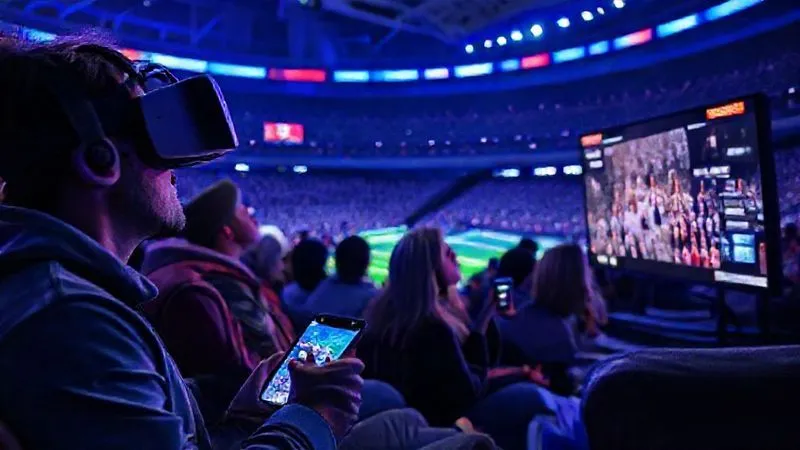
League X, a mid-tier professional sports league, faced stagnating viewership and limited international exposure through traditional broadcast deals. Recognizing the need for a more direct approach, they invested heavily in developing their own DTC streaming platform, offering live games, exclusive behind-the-scenes content, and personalized fan experiences. This strategy allowed them to directly control their global distribution and data.
By implementing a tiered subscription model and geo-targeting content, League X saw a 40% increase in international subscribers within two years and a 25% growth in digital ad revenue. This success was largely attributed to their ability to collect granular fan data, enabling hyper-personalized marketing and content offerings, which traditional broadcasters could not provide. The platform also became a hub for interactive fan polls and exclusive merchandise drops, deepening fan loyalty and creating a vibrant digital community.
Protecting Your Intellectual Property in the Digital Age
In the digital age, intellectual property (IP) protection for sports media rights is more challenging and critical than ever before. The ease with which content can be copied, shared, and redistributed globally means that rights holders are in a constant battle against piracy and unauthorized use. I've consistently advised clients that a robust IP strategy is not just a legal formality but a fundamental business imperative.
Piracy, whether through illegal streaming sites, social media re-uploads, or illicit downloads, represents a significant drain on potential revenue. Rights holders must employ sophisticated monitoring technologies and legal teams to detect and enforce against infringement promptly. This often involves issuing takedown notices, pursuing legal action, and collaborating with platforms to prevent unauthorized distribution.
Beyond piracy, brand protection and trademark infringement are also major concerns. Unauthorized use of team logos, athlete images, or league names in merchandise or promotional materials can dilute brand value and mislead consumers. Establishing clear guidelines and actively enforcing trademarks globally is essential. Furthermore, with the increasing collection of fan data, ensuring compliance with data privacy regulations (like GDPR or CCPA) is paramount, protecting both the fans and the organization from legal repercussions.
As Seth Godin often emphasizes, "In a world of abundant choices, the scarce commodity is attention. But for content creators, protecting the source of that attention – your intellectual property – is non-negotiable." The World Intellectual Property Organization (WIPO) offers extensive resources on global IP protection.
Monetization Strategies Beyond Traditional Broadcast Deals
Relying solely on traditional broadcast contracts for media rights revenue is a strategy of the past. Today's market demands a diversified approach, leveraging multiple channels and innovative models to maximize commercial returns. I always encourage clients to think beyond the 'big deal' and explore a spectrum of monetization opportunities that cater to different fan segments and consumption preferences.
Subscription models remain a cornerstone, offering recurring revenue streams through tiered access to live games, exclusive content, or premium features. However, the key is to offer compelling value that justifies the subscription cost in an increasingly saturated market. Advertising and sponsorship integration have evolved, moving beyond simple banner ads to more immersive brand experiences woven into content, such as virtual product placement or sponsored segments.
Data analytics plays a pivotal role in optimizing these strategies. By understanding fan demographics, viewing habits, and engagement patterns, rights holders can personalize content, target advertising more effectively, and identify new commercial opportunities. This data-driven approach allows for dynamic pricing, tailored content bundles, and more effective marketing campaigns. Moreover, exploring niche content monetization, such as archival footage licensing, or unique fan experiences like virtual meet-and-greets, can unlock significant untapped revenue.
| Strategy | Revenue Stream | Key Benefit | Challenge |
|---|---|---|---|
| Subscription Models | Recurring revenue from fans | Predictable income, direct fan relationship | Churn, content differentiation |
| Advertising & Sponsorship | Brand partnerships, ad placements | High-value deals, broad reach | Ad fatigue, brand alignment |
| Data Monetization | Insights for personalized content/ads | Optimized targeting, new commercial opportunities | Privacy concerns, data management |
| Merchandising & Fan Experience | Sales of physical/digital goods, event tickets | Deepen fan loyalty, diversify income | Logistics, market trends |
The Athlete's Image and Likeness Rights: A Growing Frontier
The individual athlete's name, image, and likeness (NIL) rights have emerged as a significant and increasingly complex area within sports law, particularly in regions like the United States. I've seen firsthand how the shift towards athlete empowerment has created both immense opportunities for players and new challenges for leagues, teams, and brands. This domain demands careful navigation to ensure compliance and fair compensation.
The advent of NIL rights in collegiate sports has fundamentally altered the amateur athletics landscape, allowing student-athletes to profit from their personal brand. This has necessitated new regulatory frameworks and compliance mechanisms for universities and athletic associations. Globally, variations in athlete rights, from collective bargaining agreements in professional leagues to individual endorsement deals, add layers of complexity.
"Athlete image and likeness rights are no longer a peripheral concern; they are central to the commercial ecosystem of sports. Empowering athletes creates new value, but requires meticulous legal structuring." - Sports Law Expert Perspective
Managing athlete endorsements and media appearances requires sophisticated legal oversight to prevent conflicts of interest, ensure brand alignment, and protect both the athlete's and the team's reputation. As the lines between athletes, influencers, and content creators blur, understanding and negotiating these individual media rights is crucial for all parties involved. Forbes provides extensive coverage on the evolving landscape of Name, Image, and Likeness (NIL) in sports.
Future Trends and Strategic Foresight in Sports Media Rights
Looking ahead, the sports media rights landscape will continue its rapid evolution, driven by technological advancements and shifting consumer preferences. As an industry specialist, I believe foresight is key to not merely reacting to changes but proactively shaping future strategies. The integration of immersive technologies and artificial intelligence will be particularly transformative.
The concept of the Metaverse and highly interactive fan experiences promises a new frontier for engagement and monetization. Imagine attending a game virtually, interacting with other fans, and even influencing in-game decisions – this level of immersion will create entirely new categories of media rights. Hyper-personalization of content, powered by advanced AI and data analytics, will allow rights holders to deliver bespoke viewing experiences tailored to individual fan preferences, from camera angles to commentary languages.
Artificial intelligence will also play a significant role in content creation, from automated highlight generation to personalized sports news feeds, potentially impacting production costs and content volume. The overarching trend of consolidation among major media companies versus the fragmentation driven by niche DTC offerings will continue to shape the competitive landscape. Rights holders must remain adaptable, embracing innovation while safeguarding their core assets to thrive in this dynamic future.
Frequently Asked Questions (FAQ)
What are the primary legal challenges in global media rights distribution? The primary legal challenges involve navigating diverse international copyright laws, enforcing geo-blocking restrictions, combating widespread digital piracy, and managing the complexities of cross-border taxation and licensing. Additionally, ensuring compliance with varying data privacy regulations when collecting global fan data adds another layer of complexity. Each territory can have unique legal precedents and enforcement mechanisms, requiring a highly specialized legal strategy.
How can smaller sports organizations compete for media rights revenue against larger leagues? Smaller organizations can compete by focusing on niche audiences, embracing direct-to-consumer (DTC) strategies, and leveraging social media platforms for cost-effective distribution and engagement. They should emphasize unique storytelling, create exclusive behind-the-scenes content, and explore partnerships with local or specialized streaming services. Data analytics can help identify underserved fan bases and tailor content specifically for them, demonstrating unique value to potential partners.
What role does data analytics play in optimizing media rights deals? Data analytics is crucial for optimizing media rights deals by providing insights into fan demographics, viewing habits, engagement levels, and content preferences. This data allows rights holders to accurately value their content, demonstrate audience reach to potential partners, and negotiate better terms. It also enables personalized content delivery, targeted advertising, and the identification of new monetization opportunities, moving beyond traditional lump-sum payments to performance-based or data-driven revenue models.
How do I protect my content from piracy effectively? Effective piracy protection involves a multi-pronged approach: implementing robust digital rights management (DRM) technologies, actively monitoring for unauthorized streams and downloads using specialized software, and promptly issuing takedown notices under copyright law (e.g., DMCA). Legal teams should also pursue civil action against persistent infringers and collaborate with internet service providers and social media platforms to block or remove illicit content. Educating fans about legal viewing options can also play a role.
What's the impact of AI on content creation and media rights? AI's impact on content creation and media rights is significant and growing. AI can automate highlight generation, create personalized commentary, and even assist in producing virtual sports content. This affects media rights by potentially reducing production costs, increasing content volume, and enabling hyper-personalized distribution. However, it also raises new questions about copyright ownership for AI-generated content, ethical considerations, and the need for new licensing models for AI tools and their outputs.
Key Takeaways and Final Thoughts
- Embrace Digital Transformation: The shift to digital and DTC is irreversible. Future-proof your strategy by investing in platforms and content tailored for online consumption.
- Master Contractual Nuances: Detailed, forward-looking contracts are your shield. Pay meticulous attention to exclusivity, territorial rights, and emerging technology clauses.
- Diversify Monetization: Move beyond single broadcast deals. Explore subscriptions, targeted advertising, data monetization, and interactive fan experiences to maximize revenue.
- Prioritize IP Protection: Actively combat piracy and protect your brand across all platforms. A robust legal framework is essential for safeguarding your assets.
- Understand Athlete Rights: The evolving landscape of individual athlete media rights requires careful management and compliance to foster equitable partnerships.
- Innovate with Foresight: Keep an eye on emerging technologies like AI, VR, and the Metaverse. They aren't just trends; they are future revenue streams and fan engagement opportunities.
The world of sports media rights is complex, dynamic, and constantly evolving, but it is also brimming with opportunities for those who are prepared and proactive. As a veteran in this field, my enduring advice is to remain adaptable, invest in expert legal counsel, and never stop learning about the next wave of innovation. By embracing these principles, you can transform challenges into victories, securing your place at the forefront of sports entertainment for years to come.
Recommended Reading
- 7 Steps: Mitigate AI Compliance Risks in Software Development
- The Ultimate Guide: How to Legally Protect an Invention Without a Patent?
- Non-Compete Conflict? 7 Legal Paths for Your New Job Offer
- 5 Crucial Steps: Preventing Client Perjury in Contentious Family Court Cases
- Smart Gift Strategies: Reduce Future Estate Tax Liability Effectively





Comments
Leave a comment below. Your email will not be published. Required fields marked with *