



Urgent: How to Legally Recover Delinquent HOA Assessments?
For over 15 years in real estate law, specializing in homeowners associations, I've witnessed the devastating ripple effect that delinquent assessments can have on a community. It's not just about missing funds; it erodes trust, compromises essential services, and can ultimately diminish property values for everyone.
The problem of unpaid HOA dues is more common than many realize, ranging from temporary financial hardship to outright defiance. Regardless of the reason, when a homeowner fails to pay their share, the entire community shoulders the burden, leading to deferred maintenance, strained budgets, and a decline in the quality of life within the association.
This article isn't just a guide; it's your urgent legal recovery roadmap. I'll walk you through a proven, step-by-step framework, grounded in real-world legal strategies and expert insights, to help your HOA legally recover delinquent assessments and restore financial stability. We'll explore everything from initial communication to the complexities of foreclosure and litigation, ensuring you have the actionable tools to protect your community's vital interests.
Understanding the Scope of the Delinquency Problem
Before diving into legal remedies, it's crucial to grasp the profound impact of delinquent assessments. When funds are missing, the HOA's ability to maintain common areas, provide amenities, and build reserves for future repairs is severely hampered. I've seen communities struggle to afford landscapers, delay crucial roof repairs, or even face utility shut-offs due to a handful of non-paying homeowners.
This financial strain isn't abstract; it's felt directly by every law-abiding homeowner who continues to pay their dues. They are, in essence, subsidizing the non-payers, which can lead to resentment, decreased morale, and even a “snowball effect” where more residents consider withholding payments.
Expert Insight: “A single delinquent account, if not addressed promptly and decisively, can undermine the entire financial integrity of an HOA, transforming a minor problem into a community-wide crisis. Timely intervention is not just good practice; it's a fiduciary imperative.”
According to a recent industry report by the Foundation for Community Association Research, delinquencies remain a persistent challenge, with many associations seeing collection costs rise. This underscores the need for robust, legally sound collection policies and proactive enforcement.
The Foundation: Reviewing Your Governing Documents
In my experience, the first and most critical step in addressing any HOA issue, especially delinquent assessments, is to thoroughly review your association's governing documents. These documents — the Declaration of Covenants, Conditions, and Restrictions (CC&Rs), Bylaws, and any adopted collection policies — are the legal bedrock of your authority.
They dictate how assessments are levied, when they are due, what constitutes a delinquency, and, most importantly, the specific remedies available to the association for non-payment. Ignoring these guidelines can invalidate your collection efforts and expose the HOA to legal challenges.
Key Provisions to Scrutinize
- Assessment Clauses: Clearly define the obligation to pay, the frequency, and the amount.
- Late Fees and Interest: Specify the allowable charges for overdue payments. State laws often cap these.
- Collection Procedures: Outline the exact steps the HOA must follow, including notice requirements, demand letters, and the right to file a lien or pursue foreclosure.
- Attorney's Fees: Confirm the HOA's right to recover legal fees and costs incurred in collection efforts. This is critical for making legal action financially feasible.
- Voting Rights & Amenity Suspension: Determine if the documents permit suspending voting rights or amenity access for delinquent owners.
It's not uncommon for older documents to be vague or to conflict with current state laws. If you find ambiguities or outdated provisions, it's wise to consult with an experienced HOA attorney to clarify or amend them. This proactive step can save significant headaches down the line.
Actionable Steps for Document Review:
- Gather All Documents: Collect your CC&Rs, Bylaws, Rules & Regulations, and any formal Collection Policy resolutions.
- Identify Key Clauses: Highlight all sections pertaining to assessments, delinquencies, late fees, liens, and enforcement.
- Cross-Reference with State Law: Ensure your documents comply with your state’s specific HOA statutes. Many states have strict requirements for notice and collection.
- Consult Legal Counsel: If any part is unclear, or if you suspect a conflict with state law, seek legal advice before proceeding with collections.
Initial Steps: Communication and Demand Letters
Once you understand your legal standing, the next phase involves formal communication. While it might seem counterintuitive to “talk” when facing an urgent recovery, a well-structured series of demand letters is often a legally required precursor to more aggressive action and can sometimes resolve the issue without further escalation.
The goal here is not just to inform the homeowner of their debt but to create an indisputable paper trail demonstrating the HOA's diligent efforts to collect. This evidence is invaluable if litigation becomes necessary. Remember, empathy combined with firm adherence to policy is key.
Crafting an Effective Demand Letter
A demand letter is more than just a bill. It's a formal legal notice that should clearly articulate the debt, the consequences of non-payment, and the steps the homeowner can take to resolve the situation. In my practice, I've found that precision and clarity are paramount.
- Clear Identification: State the homeowner's name, property address, and account number.
- Detailed Breakdown of Debt: Itemize the principal assessment, late fees, interest, and any other permitted charges (e.g., collection costs, attorney's fees).
- Payment Deadline: Provide a specific date by which payment must be received to avoid further action.
- Consequences of Non-Payment: Clearly state the next steps, such as filing a lien, suspending privileges, or initiating foreclosure/litigation.
- Contact Information: Provide a clear point of contact for the homeowner to discuss payment arrangements.
- Right to Dispute (if applicable): Some state laws require informing the homeowner of their right to dispute the debt.
- Certified Mail: Always send demand letters via certified mail with a return receipt requested. This provides irrefutable proof of delivery.
I advise sending a series of letters — perhaps a “friendly reminder” for slightly overdue accounts, followed by a more formal “Notice of Intent to Lien,” and finally, a “Final Demand Letter” before escalating to legal action. This phased approach allows the homeowner opportunities to cure the default while building a strong case for the HOA.

Key Insight: “The demand letter is not merely a formality; it's a critical legal instrument. Its content and delivery can significantly impact the success of subsequent collection efforts, acting as a clear demonstration of the HOA's good faith and adherence to due process.”
The Power of Liens: Securing the Debt
When demand letters fail to elicit payment, the next powerful legal tool at an HOA's disposal is the assessment lien. An assessment lien is a legal claim against a property for unpaid HOA dues. It “attaches” to the property, meaning the debt becomes associated with the real estate itself, rather than just the individual homeowner. This is a critical distinction because it creates a security interest for the HOA.
In many states, HOA assessment liens have a “super-priority” status, meaning they can take precedence over other liens, including first mortgages, for a limited amount of unpaid assessments (e.g., six to twelve months of regular assessments). This can be a significant leverage point.
How to File an Assessment Lien: A Step-by-Step Guide
Filing a lien is a precise legal process that must adhere strictly to your governing documents and state statutes. Any misstep can invalidate the lien or expose the HOA to liability.
- Review Governing Documents and State Law: Reconfirm the exact procedures, notice periods, and content requirements for a lien in your state and within your HOA's specific documents.
- Send “Notice of Intent to Lien”: Many states and CC&Rs require a formal notice to the homeowner that a lien will be filed if the debt is not paid by a certain date. This notice must be sent via certified mail.
- Prepare the Lien Document: The lien document, often called a “Claim of Lien” or “Notice of Assessment Lien,” must contain specific information:
- The legal description of the property.
- The name of the homeowner.
- The amount of the delinquent assessments, late fees, interest, and any other permitted charges.
- A statement that the lien is being filed pursuant to the HOA's governing documents and state law.
- The name of the HOA.
- Execute the Lien: The lien document must be signed by an authorized representative of the HOA (e.g., the president or treasurer) and often requires notarization.
- Record the Lien: The executed lien must be recorded in the county land records office where the property is located. This makes the lien a public record and provides constructive notice to all interested parties.
- Notify the Homeowner: After recording, a copy of the recorded lien should be sent to the homeowner, again, preferably via certified mail.
It's crucial to understand that filing a lien does not automatically mean the HOA gets paid. It merely secures the debt against the property, making it more difficult for the homeowner to sell or refinance without settling the HOA debt. The lien is a precursor to potential foreclosure or a strong bargaining chip.
| Lien Type | Description | Enforcement Method | Typical Priority |
|---|---|---|---|
| Statutory Lien | Automatic lien granted by state law upon assessment due date. | Foreclosure (judicial or non-judicial, varies by state) | Often superior to other liens, sometimes even mortgages (super-priority). |
| Covenant Lien | Lien based on specific language in the HOA's Declaration of Covenants. | Foreclosure (requires adherence to covenant terms) | Generally inferior to first mortgages, priority based on recording. |
For more detailed information on specific state requirements for assessment liens, I highly recommend consulting official state legal resources or a qualified attorney. A good starting point can be found on sites like the Community Associations Institute (CAI), which often provides state-specific legislative updates and resources.
Escalation: Foreclosure and Lawsuits
When liens and communication fail, the HOA must consider more aggressive legal actions: foreclosure or a lawsuit for a money judgment. These are serious steps with significant legal and financial implications, and should always be pursued with the guidance of an experienced HOA attorney.
The decision to foreclose or sue is not taken lightly. It involves balancing the cost of litigation against the amount of the debt, the likelihood of recovery, and the potential impact on the community. However, in my experience, demonstrating a willingness to pursue these remedies can often compel a delinquent homeowner to finally settle their debt.
Judicial vs. Non-Judicial Foreclosure
Foreclosure is the process by which the HOA forces the sale of the property to satisfy the unpaid assessment lien. The type of foreclosure available depends heavily on state law and your HOA's governing documents.
- Judicial Foreclosure: This process involves filing a lawsuit in court to obtain a judgment that allows the HOA to sell the property. It is typically longer and more expensive but offers a higher degree of legal finality. Most states require judicial foreclosure for HOA liens.
- Non-Judicial Foreclosure: In some states, if the HOA's governing documents contain a “power of sale” clause, the HOA can foreclose without court intervention. This is generally a quicker and less costly process, but it has strict notice requirements and can be more susceptible to legal challenges if not executed perfectly.
Regardless of the method, the HOA must meticulously follow all statutory and document-specific procedures, including providing multiple notices to the homeowner and any other lienholders (like mortgage lenders). Failure to do so can lead to a voided foreclosure sale or significant liability for the HOA.
Seeking a Money Judgment Through Litigation
Alternatively, or sometimes concurrently, an HOA can file a lawsuit against the homeowner to obtain a money judgment for the delinquent assessments. This does not directly involve the property but allows the HOA to pursue other assets of the homeowner.
- Small Claims Court: For smaller debts, some HOAs opt for small claims court, which is less formal and often doesn't require an attorney. However, the maximum amount recoverable is limited by state law.
- General Jurisdiction Court: For larger debts or when combining with a foreclosure action, a lawsuit in a higher court is necessary. If successful, the HOA obtains a judgment that can be enforced through various means, such as wage garnishment, bank account levies, or seizing other non-exempt assets.
A money judgment, while not directly securing the debt against the property like a lien, can still be a powerful tool for recovery, particularly if the homeowner has significant assets outside of their property.

Case Study: The Willow Creek Association's Turnaround
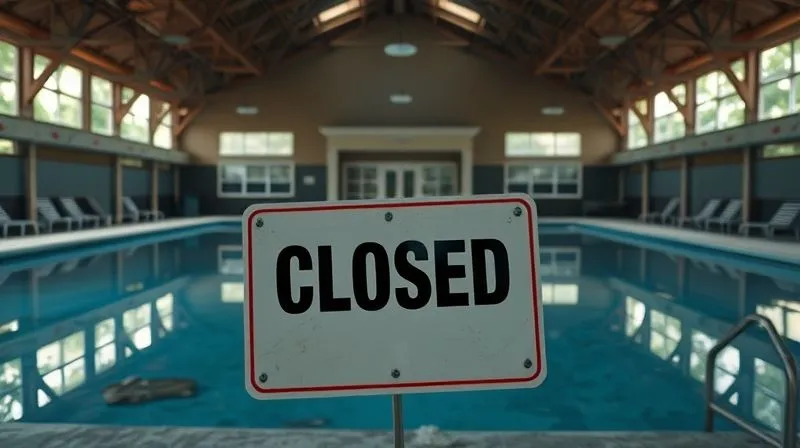
The Willow Creek Homeowners Association, a community I advised, faced a critical situation with several long-term delinquencies totaling over $75,000 — enough to defer a much-needed pool renovation. After exhausting demand letters and filing liens, the board was hesitant to pursue foreclosure due to perceived complexity and cost. However, after a thorough legal review, we identified two properties with significant equity and a high likelihood of successful recovery.
We initiated judicial foreclosure proceedings on these two properties. The legal action, while initially costly, sent a clear message to the other delinquent owners. Before the foreclosure sales could even be finalized, both homeowners, facing the imminent loss of their homes, secured financing and paid their outstanding balances, including all accrued assessments, late fees, interest, and the HOA's attorney's fees.
This success not only recovered over $40,000 for the HOA but also prompted three other delinquent homeowners to proactively contact the board and arrange payment plans. The pool renovation was completed, and the community's financial health and resident morale significantly improved. This case illustrates that decisive legal action, when strategically applied, can be the catalyst for urgent recovery and long-term financial stability.
Alternative Recovery Methods and Payment Plans
While legal action is crucial, it's not always the first or only answer. In my professional experience, a balanced approach often includes offering structured payment plans. This can be a pragmatic solution, especially when a homeowner is facing genuine, temporary financial hardship and demonstrates a willingness to resolve their debt.
Payment plans can save the HOA time and money by avoiding costly litigation. They also foster goodwill within the community, showing empathy while still ensuring the debt is collected. However, these plans must be carefully structured and legally binding.
Structuring a Viable Payment Plan
A successful payment plan is a legally enforceable agreement that benefits both parties. It should be in writing and clearly outline the terms of repayment.
- Written Agreement: Always formalize the plan in a written agreement, signed by both the homeowner and an authorized HOA representative.
- Clear Terms: Specify the total amount due (including all assessments, late fees, interest, and collection costs), the monthly payment amount, the due date for each payment, and the duration of the plan.
- Default Clause: Include a clause stating that if any payment is missed, the entire remaining balance becomes immediately due, and the HOA reserves the right to pursue all available legal remedies (e.g., foreclosure or lawsuit).
- Interest & Fees: Clarify whether interest continues to accrue during the payment plan period and if any administrative fees apply.
- Lien Retention: The HOA should generally retain its lien on the property until the debt is fully satisfied. The payment plan simply postpones enforcement.
- Legal Review: Have an attorney review any proposed payment plan agreement to ensure it is legally sound and protects the HOA's interests.
It's also worth considering mediation or arbitration, especially if there's a dispute over the amount owed or if the homeowner is particularly resistant. A neutral third party can sometimes facilitate a resolution that avoids court, though these processes can also incur costs.
For further insights into alternative dispute resolution for community associations, resources like the American Arbitration Association provide valuable information on mediation and arbitration processes.
Mitigating Future Delinquencies: Proactive Strategies
An urgent recovery plan for existing delinquencies is essential, but equally vital are proactive strategies to prevent future occurrences. As an industry specialist, I emphasize that the best defense against delinquent assessments is a strong offense — clear policies, transparent communication, and sound financial management.
Many delinquencies stem from misunderstandings, financial illiteracy, or a perceived lack of value from the HOA. Addressing these underlying issues can significantly reduce the incidence of non-payment.
Best Practices for Financial Management and Communication
- Clear, Consistent Collection Policy: Adopt a formal, written collection policy that outlines every step the HOA will take, from initial notice to foreclosure. Distribute it to all homeowners. Consistency in enforcement is key.
- Transparent Budgeting: Clearly communicate how assessment dollars are being spent. Homeowners are more likely to pay when they understand and see the value of their contributions. Provide regular financial reports.
- Accessible Payment Options: Offer multiple convenient ways for homeowners to pay their assessments (e.g., online portals, direct debit, mail).
- Early Intervention: Don't wait until an account is severely delinquent. Send friendly reminders shortly after an assessment becomes overdue.
- Financial Counseling Resources: Provide information about local financial counseling services for homeowners facing genuine hardship.
- Annual Reserve Studies: Conduct regular reserve studies and fund reserves adequately. Unexpected special assessments are a common trigger for delinquencies.
By implementing these proactive measures, an HOA can create an environment where paying assessments is easy, expected, and understood, thereby reducing the need for urgent legal recovery of delinquent HOA assessments.

The Role of Legal Counsel in HOA Collections
Throughout this discussion, I've repeatedly stressed the importance of legal counsel. This isn't just a recommendation; it's a necessity when dealing with the complexities of legally recovering delinquent HOA assessments. Real estate law, particularly as it pertains to homeowners associations, is highly specialized and varies significantly by state.
An experienced HOA attorney brings invaluable expertise in interpreting governing documents, navigating state statutes, drafting legally sound demand letters and liens, and representing the association in court if foreclosure or litigation becomes necessary. They can advise on the cost-benefit analysis of various collection strategies and ensure the HOA remains compliant, mitigating risks of counterclaims or liability.
Choosing the Right HOA Attorney
Not all attorneys are equally suited for HOA work. Look for a legal professional with specific experience in community association law.
- Specialization: Ensure they specialize in HOA or community association law, not just general real estate.
- Experience: Inquire about their track record with assessment collections, liens, and foreclosures.
- Fee Structure: Understand their billing practices. Some attorneys work on contingency for collections, while others charge hourly or flat fees.
- Communication: Choose an attorney who communicates clearly and promptly, keeping the board informed at every stage.
Engaging legal counsel early in the process, even for a consultation, can save the HOA significant resources and prevent costly mistakes. Think of it as an investment in the financial health and legal protection of your community.
Organizations like the Homeowners Association Law Attorneys (HOLA) provide directories and resources for finding specialized legal counsel in this field.
Frequently Asked Questions (FAQ)
Q: Can an HOA really foreclose on a home for unpaid assessments? Yes, in most states, an HOA has the legal right to foreclose on a property for unpaid assessments, even if the homeowner has a mortgage. The specific process (judicial or non-judicial) and the priority of the HOA's lien vary significantly by state law, but the power to foreclose is a fundamental tool for recovering delinquent HOA assessments. It's a serious step, always requiring strict adherence to legal procedures.
Q: What if the homeowner declares bankruptcy? Bankruptcy filings immediately halt most collection actions, including liens and foreclosure proceedings, due to an “automatic stay.” The HOA becomes a creditor in the bankruptcy case. The treatment of the debt depends on the type of bankruptcy (Chapter 7, 11, or 13) and when the assessments accrued (pre- or post-petition). It is absolutely critical to consult with an attorney immediately if a homeowner files for bankruptcy, as specific deadlines and procedures must be followed to protect the HOA's claim.
Q: Are there limits to what an HOA can charge for late fees or interest? Yes, most states have statutory limits on the amount of late fees and interest that an HOA can charge. Additionally, an HOA's governing documents must authorize these charges. It's crucial to ensure your collection policy and charges comply with both your CC&Rs and state law to avoid legal challenges to your collection efforts. Excessive or unauthorized charges can be deemed unenforceable.
Q: What’s the difference between a lien and a judgment? A lien (specifically an assessment lien) is a claim against the property itself, making it difficult to sell or refinance without paying the HOA debt. It provides security for the debt. A judgment, on the other hand, is a court order stating that a homeowner owes the HOA a specific amount of money. While a judgment can sometimes become a general lien against all of a debtor's property, its primary power is allowing the HOA to pursue collection through wage garnishment, bank levies, or seizing other non-exempt assets, rather than directly targeting the specific property for sale.
Q: Can the HOA suspend a homeowner's access to amenities for non-payment? Many HOA governing documents allow for the suspension of amenity access (e.g., pool, gym, clubhouse) for delinquent homeowners. However, state laws vary, and some states place restrictions on such suspensions, particularly if it impacts essential services. It's essential to check both your HOA's specific documents and relevant state statutes before implementing any amenity suspensions to ensure legality and avoid potential legal challenges.
Key Takeaways and Final Thoughts
Effectively and legally recovering delinquent HOA assessments is a multifaceted process that demands diligence, adherence to legal protocols, and a clear understanding of your association's governing documents and state law. It's a critical function for maintaining the financial health and overall quality of life within your community.
- Know Your Documents: Your CC&Rs and collection policy are your primary authority. Understand them thoroughly.
- Communicate Formally and Consistently: Use clear, certified demand letters to build a strong legal record.
- Leverage the Lien: An assessment lien is a powerful tool to secure the debt against the property.
- Be Prepared to Escalate: Foreclosure or litigation, while serious, are often necessary to compel payment and protect community assets.
- Consider Payment Plans: Pragmatic solutions can resolve issues without lengthy legal battles, but they must be legally sound.
- Proactive Prevention: Transparent communication and robust financial management reduce future delinquencies.
- Engage Expert Legal Counsel: Navigating real estate and HOA law is complex; an attorney is an invaluable partner.
While the process of recovering delinquent HOA assessments can be challenging, remember that you are acting in the best interest of the entire community. By taking decisive, legally sound steps, your HOA can ensure its financial stability, protect property values, and maintain the vibrant community you've all worked so hard to build. Don't let unpaid dues jeopardize your association's future; empower your board with the knowledge and tools to act urgently and effectively.
Recommended Reading
- Can New Voting Laws Constitutionally Limit Corporate Action? An Expert Analysis
- 5 Steps: Master Cross-Border Data Breach Notification Crisis?
- Unraveling the Mystery: How Does Customary International Law Form?
- Mastering Compliance: How to Develop a Regulatory Compliance Program
- Prove Unfitness? 7 Steps to Win Your Custody Case




Comments
Leave a comment below. Your email will not be published. Required fields marked with *