


What legal steps to take against widespread counterfeit sports merchandise?
For over two decades in the sports law arena, I've witnessed firsthand the devastating impact of widespread counterfeit sports merchandise on brands, teams, and athletes. It's more than just lost revenue; it's a silent erosion of brand equity, fan trust, and the very integrity of the sport itself. I've seen promising ventures falter, iconic brands struggle to maintain their prestige, and dedicated fans unknowingly cheated, all because of a tidal wave of fake goods.
The problem is pervasive. From knock-off jerseys sold on street corners to sophisticated online operations mimicking official stores, counterfeiters thrive by exploiting the passion of sports fans. This illicit trade not only diverts legitimate sales but also tarnishes a brand's reputation with inferior quality products, creates unfair competition, and can even fund organized crime. The emotional connection fans have with their teams and heroes is exploited, leaving behind a trail of disappointment and distrust.
This article isn't just a guide; it's a battle plan. I'll walk you through seven crucial legal steps, drawn from my extensive experience, that sports organizations, athletes, and merchandise manufacturers must implement to effectively combat widespread counterfeit sports merchandise. We'll explore actionable frameworks, real-world strategies, and expert insights designed to fortify your intellectual property and reclaim your market integrity.
The Pervasive Threat of Counterfeit Sports Merchandise
Before diving into the solutions, it's vital to truly grasp the scale of the challenge. The global market for counterfeit goods is estimated to be in the hundreds of billions of dollars annually, with sports merchandise being a significant target. This isn't a victimless crime; every fake jersey, cap, or piece of memorabilia sold chips away at the legitimate industry, impacting jobs, innovation, and tax revenues.
Beyond the financial hit, the reputational damage is immense. When a fan buys a poorly made, counterfeit item, their negative experience often reflects on the genuine brand, even if they later realize it was a fake. This can lead to a loss of trust and loyalty, which are incredibly difficult to rebuild in the passionate world of sports. Moreover, the prevalence of fakes can dilute the exclusivity and prestige associated with official merchandise, making it harder for genuine products to command their deserved value.
In my experience, many brands initially underestimate the sophistication of counterfeit operations. These aren't just small-time operators; they are often well-organized networks leveraging global supply chains, advanced printing techniques, and sophisticated online marketing tactics. Understanding this adversary is the first step towards developing a robust defense strategy for what legal steps to take against widespread counterfeit sports merchandise.
Step 1: Fortifying Your Foundational IP – Registration is King
The bedrock of any anti-counterfeiting strategy is robust intellectual property (IP) protection. You cannot enforce rights you haven't formally secured. This means diligently registering your trademarks, copyrights, and design rights in all relevant jurisdictions where your merchandise is sold or manufactured. It's a proactive, not reactive, measure.
I've seen countless cases where brands, eager to launch, cut corners on IP registration, only to find themselves in a legal quagmire later, battling infringers who registered similar marks first. This oversight can be incredibly costly, often requiring expensive litigation to reclaim what should have been yours from the outset. Think of IP registration as building the walls of your fortress before the siege begins.
According to the World Intellectual Property Organization (WIPO), a comprehensive IP strategy is essential for protecting innovation and creativity globally. For sports brands, this translates directly to protecting your brand identity and unique designs.
Trademarks: Your Brand's Shield
Your team name, logo, player names, slogans, and even specific color combinations can be protected as trademarks. These are the unique identifiers that distinguish your merchandise from competitors and, crucially, from counterfeiters. Federal and international registration provides legal presumptions of ownership and exclusive rights, making enforcement significantly easier.
When registering, consider all variations and classes of goods. For instance, a team logo might need protection for apparel, sporting goods, digital media, and even entertainment services. Don't limit yourself to just the obvious. A comprehensive trademark portfolio is your primary weapon against brand dilution and infringement.
Copyrights: Protecting Creative Works
While trademarks protect brand identity, copyrights protect original works of authorship. This includes specific graphic designs on jerseys, unique artwork used in promotional materials, or even the layout of an official program. Copyright protection arises automatically upon creation, but registration (e.g., with the U.S. Copyright Office) provides significant advantages, including the ability to sue for infringement and recover statutory damages and attorney's fees.
For sports brands, this is particularly relevant for unique design elements that go beyond a simple logo. Think of a complex pattern on a limited-edition jersey or a unique illustration commemorating a championship. These creative expressions are valuable assets that need explicit protection.
Design Rights: The Visual Edge
In some jurisdictions, distinct industrial designs – the aesthetic appearance of an article – can be protected. This might apply to the unique shape of a piece of sports equipment, a specific merchandise item, or even the overall visual configuration of a product. Design rights offer another layer of protection, particularly against counterfeiters who replicate the look and feel of your products without directly copying a logo or brand name.
Consider the distinctive shape of a specific type of sports ball or a unique merchandise container. These visual elements, if novel and non-obvious, can be powerful tools in your IP arsenal. Consulting with an IP attorney early in the design process can help identify and secure these valuable rights.
Step 2: Vigilance and Detection – The Digital Watchdogs
Once your IP is registered, the next critical step is active monitoring. In today's global, interconnected market, counterfeiters operate across numerous platforms and geographies. Passive enforcement is no enforcement at all. You need a proactive, vigilant detection strategy to identify infringements early and often.
This involves a combination of manual checks and, more effectively, specialized technological solutions. I've seen brands overwhelmed by the sheer volume of potential infringements, leading to a sense of futility. However, with the right tools and strategy, this challenge becomes manageable. The goal is not to find every single fake, but to disrupt the major operations and create a hostile environment for counterfeiters.
Effective monitoring should cover: major online marketplaces (Amazon, eBay, Alibaba, Etsy), social media platforms (Facebook, Instagram, TikTok, X), standalone e-commerce sites, domain name registrations (cybersquatting), and even the dark web where organized counterfeit rings often coordinate. This continuous surveillance is key for what legal steps to take against widespread counterfeit sports merchandise.

Step 3: Cease and Desist – The First Legal Salvo
Once an infringement is detected, a Cease and Desist (C&D) letter is often the initial legal step. This isn't merely a polite request; it's a formal legal notice demanding that the infringer immediately stop their illegal activities. A well-drafted C&D letter, sent by an attorney, can be surprisingly effective, especially against smaller operations or those who are unaware they are infringing.
In my experience, the strategic use of C&D letters can resolve a significant percentage of infringement cases without resorting to costly litigation. It puts the infringer on notice, demonstrates your commitment to protecting your IP, and often serves as a prerequisite for further legal action.
- Identify the Infringer: Gather as much information as possible about the party selling the counterfeit goods, including their name, address, website, and any associated business entities.
- Document the Infringement: Collect irrefutable evidence, such as screenshots of product listings, purchase receipts for counterfeit items, and comparative photos of genuine vs. fake products.
- Draft a Strong C&D Letter: The letter should clearly state your IP rights, describe the infringing activity, demand an immediate cessation, request an accounting of profits, and warn of potential legal consequences if the demands are not met. It should be firm but professional.
- Send via Certified Mail/Legal Service: Ensure you have proof of delivery. For international infringers, consider using a local counsel to serve the letter in accordance with local laws.
- Follow Up and Monitor: After sending the C&D, monitor the infringer's activities to ensure compliance. If the infringement continues, be prepared to escalate to the next legal step.
Step 4: Leveraging Online Platform IP Enforcement Mechanisms
A significant portion of counterfeit sports merchandise is sold through major online marketplaces and social media platforms. Fortunately, most reputable platforms have established Intellectual Property Rights (IPR) enforcement programs designed to help rights holders report and remove infringing listings. Leveraging these mechanisms is a critical component of what legal steps to take against widespread counterfeit sports merchandise.
Each platform has its own specific reporting procedure, often requiring proof of IP ownership (e.g., trademark registration numbers) and detailed evidence of infringement. While these processes can sometimes be cumbersome, they are generally effective for removing individual listings or even entire seller accounts found to be in violation.
Case Study: How "Victory Gear" Reclaimed Its Online Presence
Victory Gear, a mid-sized sportswear brand, was seeing its iconic 'V-Wing' logo plastered on hundreds of fake jerseys and caps across Amazon, eBay, and various social media shops. Their initial attempts at manual reporting were sporadic and ineffective. Working with an IP specialist, they implemented a systematic approach:
1. Centralized IP Portfolio: Ensured all 'V-Wing' trademarks were properly registered in key markets and easily accessible. 2. Automated Monitoring: Deployed AI-powered tools to scan marketplaces and social media daily for their logo and brand name. 3. Streamlined Takedown Process: Used a platform-specific reporting system, providing clear, concise evidence for each infringement. They even registered with Amazon's Brand Registry and eBay's VeRO program. 4. Prioritization: Focused first on sellers with multiple infringements or high sales volumes, then systematically addressed smaller infringers.
Within six months, Victory Gear reduced online counterfeit listings by over 70%, significantly impacting the visibility and sales of fake products. This proactive, systematic approach not only saved their brand reputation but also led to a measurable increase in legitimate sales.
| Platform | Key Features | Effectiveness |
|---|---|---|
| Amazon Brand Registry | Enhanced brand protection tools, direct infringement reporting, automated protection. | High, especially for registered brands. |
| eBay VeRO Program | Verified Rights Owner program, streamlined reporting for IP holders. | Good, but relies on consistent reporting. |
| Meta (Facebook/Instagram) | IP reporting tools, often requires specific links or profile IDs. | Moderate to High, varies by case. |
| Alibaba/Taobao IP Protection Platform | Comprehensive system for reporting across Alibaba's ecosystem. | High, if evidence is strong and consistent. |
| Shopify/Custom E-commerce | DMCA takedown notices, direct contact with hosting providers. | Varies, depends on host responsiveness. |
For more detailed insights on platform-specific enforcement, sources like INTA (International Trademark Association) often publish comprehensive guides.
Step 5: Customs and Border Protection – Your Global Gatekeepers
Counterfeit goods often originate overseas and enter your market through international borders. Engaging with customs and border protection agencies is a powerful, often underutilized, strategy to intercept these fakes before they even reach consumers. This is a crucial element of what legal steps to take against widespread counterfeit sports merchandise.
Many countries have provisions that allow IP rights holders to record their trademarks and copyrights with customs authorities. Once recorded, customs officials are empowered to detain, seize, and even destroy goods suspected of being counterfeit. This acts as a formidable barrier, disrupting the supply chain of fake merchandise at its source.
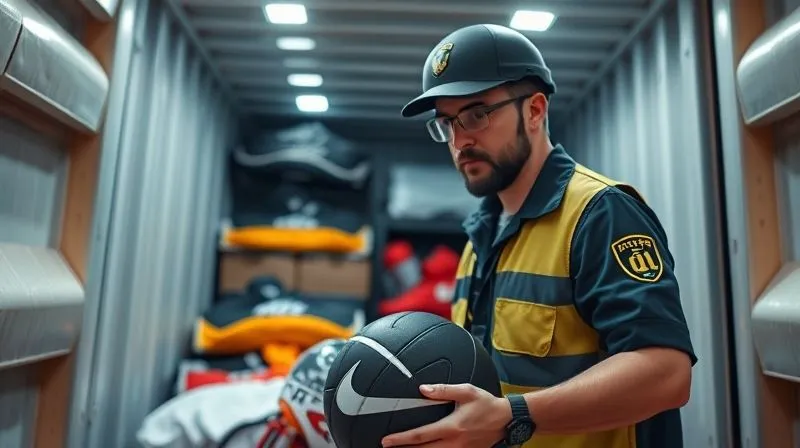
The process typically involves providing customs with details of your IP, examples of genuine products, and information that helps them distinguish between authentic and counterfeit items (e.g., common counterfeit identifiers, packaging details, authorized manufacturers). Regular communication and training sessions with customs officials can significantly enhance their ability to identify and intercept your brand's fakes.
I always advise clients to consider this step early, especially if their brand has a global presence or if counterfeits are known to originate from specific regions. It's a highly effective way to cut off the problem at the pass, preventing millions of dollars worth of fake goods from ever hitting the market.
Step 6: Litigation – When All Else Fails
When less aggressive measures fail, or when dealing with large-scale, recalcitrant infringers, litigation becomes a necessary, albeit costly, step. Filing a lawsuit for trademark or copyright infringement can lead to significant remedies, including injunctions to stop further infringement, monetary damages (lost profits, statutory damages, enhanced damages for willful infringement), and recovery of legal fees.
Litigation sends a strong message: your brand is serious about protecting its IP and will pursue all available legal avenues. This can have a powerful deterrent effect, not only on the specific infringer but also on others contemplating similar illicit activities. As a seasoned attorney, I understand the complexities and costs involved, which is why it's typically reserved for situations where the stakes are high, and other methods have proven insufficient.
Understanding the Litigation Process
The litigation process for IP infringement typically involves several stages: filing a complaint, discovery (exchanging information and evidence), motions (e.g., for summary judgment), and potentially a trial. It can be a lengthy and resource-intensive endeavor, requiring meticulous evidence collection, expert testimony, and strategic legal maneuvering.
Before embarking on litigation, a thorough cost-benefit analysis is crucial. Weigh the potential damages and reputational benefits against the legal fees and time commitment. Sometimes, a well-negotiated settlement can be a more pragmatic outcome than a prolonged court battle. However, the willingness to litigate, and a track record of doing so, can significantly strengthen your bargaining position.
In my professional opinion, while litigation should be a last resort, the credible threat of it – backed by a history of enforcement – is one of the most powerful deterrents against large-scale counterfeit operations. It signals that your brand is not an easy target.
For a deeper dive into the complexities of IP litigation, I recommend exploring resources from reputable legal publications such as The American Bar Association's Section of Intellectual Property Law.
Step 7: International Cooperation and Treaty Enforcement
Given the global nature of the counterfeit trade, a purely domestic approach is often insufficient. Effective anti-counterfeiting strategies require understanding and leveraging international laws, treaties, and cooperative agreements. This is paramount for what legal steps to take against widespread counterfeit sports merchandise that originates and spreads across borders.
The TRIPS Agreement (Agreement on Trade-Related Aspects of Intellectual Property Rights), administered by the World Trade Organization (WTO), sets minimum standards for IP protection and enforcement that all WTO member countries must adhere to. This provides a baseline for seeking remedies in foreign jurisdictions.

Beyond treaties, bilateral and multilateral agreements between countries often facilitate cross-border enforcement, intelligence sharing, and coordinated actions against international counterfeit networks. Engaging with organizations like INTERPOL and national law enforcement agencies in key manufacturing or distribution hubs can also yield significant results.
Building a network of trusted local IP counsel in critical foreign markets is also invaluable. They possess the nuanced understanding of local laws, customs, and enforcement practices necessary to navigate complex international cases. This collaborative approach ensures that your brand's IP is protected not just at home, but wherever counterfeiters seek to exploit it.
Frequently Asked Questions (FAQ)
What's the biggest mistake sports brands make when facing counterfeits? In my experience, the single biggest mistake is underinvesting in foundational IP protection (trademark, copyright registration) early on, or failing to implement a proactive, systematic monitoring and enforcement strategy. Many brands react only when the problem is overwhelming, making it far more costly and difficult to manage.
How much does it cost to effectively fight widespread counterfeit sports merchandise? The costs can vary significantly depending on the scale of the problem, the chosen strategies, and the number of jurisdictions involved. It can range from thousands for basic IP registration and online monitoring services to hundreds of thousands or even millions for international litigation. However, this cost should be weighed against the immense financial and reputational damage caused by inaction. Proactive measures are almost always more cost-effective than reactive ones.
Can individual fans help combat counterfeit sports merchandise? Absolutely. Fans are often the first to spot fake merchandise. Encouraging them to report suspicious sellers or products to official brand channels or marketplace IP reporting tools can provide invaluable intelligence. Educating fans on how to identify genuine products also helps reduce demand for fakes.
What about small-scale online sellers of fake merchandise? Should I pursue them? While it might seem inefficient to pursue every small seller, a consistent approach is crucial. Each successful takedown, even of a small seller, contributes to a cumulative deterrent effect. More importantly, small sellers can sometimes be part of larger networks, and pursuing them might uncover those connections. Platforms often track repeat infringers, leading to account suspensions.
Is it possible to completely eliminate counterfeits in the sports merchandise market? Realistically, achieving 100% elimination of counterfeits is incredibly challenging, if not impossible, given the global nature of trade and the constant innovation of illicit operators. However, the goal is not total eradication but effective mitigation. By implementing a robust, multi-faceted legal and enforcement strategy, brands can significantly reduce the prevalence of fakes, protect their revenue streams, and safeguard their brand integrity, making the market a much less attractive place for counterfeiters.
Key Takeaways and Final Thoughts
The fight against widespread counterfeit sports merchandise is a marathon, not a sprint. It demands vigilance, strategic legal planning, and consistent execution. As an industry specialist, I've seen that the brands that succeed are those that view IP protection not as a legal burden, but as a fundamental business imperative.
- Prioritize IP Registration: Build a strong foundation with comprehensive trademark, copyright, and design right registrations.
- Embrace Proactive Monitoring: Utilize technology and human intelligence to continuously scan for infringements across all channels.
- Leverage Platform Tools: Master the IP enforcement mechanisms offered by online marketplaces and social media.
- Engage Customs: Partner with border protection agencies to intercept fakes before they enter your market.
- Be Prepared for Litigation: Understand that legal action, though a last resort, is a powerful deterrent when necessary.
- Think Globally: Utilize international treaties and cooperation to combat cross-border counterfeiting networks.
Protecting your brand’s intellectual property is an ongoing commitment, but the rewards – a secure market, loyal fan base, and preserved brand legacy – are immeasurable. By taking these decisive legal steps, you can not only combat widespread counterfeit sports merchandise but also strengthen your brand's position for years to come. The integrity of sports, and the passion of its fans, depend on it.

Recommended Reading
- 5 Global Tax Hacks: Structure International Profits, Minimize Burden
- Unlock Startup Success: Your Ultimate Guide to Legal Risk Management Frameworks
- Global IP Expansion: 7 Critical Pitfalls & Protection Strategies
- Unjust Funding? How to Legally Challenge State Education Inequities
- What are the 5 Core Constitutional Challenges to School Choice?




Comments
Leave a comment below. Your email will not be published. Required fields marked with *