



What Legal Steps to Take When an Athlete's Scandal Impacts Brand?
For over 15 years in sports law, I've witnessed firsthand the devastating ripple effect an athlete's scandal can have on the brands they endorse. It’s a gut-wrenching moment for any brand executive: the phone rings, news breaks, and suddenly, your carefully cultivated brand image is intertwined with controversy. The trust you've built with consumers, the financial investment in the endorsement, and the future of your marketing campaigns all hang precariously in the balance.
The immediate aftermath of an athlete scandal often feels like a freefall. Brands face public outcry, shareholder concern, and the very real threat of significant financial losses and irreparable reputational damage. The problem isn't just the athlete's misstep; it's the lack of a clear, decisive, and legally sound response from the brand. Paralysis in these moments can be more damaging than the scandal itself.
In this comprehensive guide, I'll walk you through the essential legal steps and strategic considerations necessary to navigate such a crisis. We'll explore actionable frameworks, delve into critical contract clauses, examine real-world (albeit fictional) scenarios, and equip you with the expert insights needed to protect your brand, mitigate losses, and ultimately restore public trust. This isn't just about damage control; it's about strategic resilience.
The Immediate Aftermath: Activating Your Crisis Response Team
When an athlete's scandal breaks, the clock starts ticking. Your initial response sets the tone for how the public, media, and your stakeholders will perceive your brand's integrity. The very first legal step, in my experience, is internal: assembling and activating your specialized crisis response team.
Assemble Your A-Team
This isn't a task for a single department. A robust crisis team should be cross-functional, bringing together key decision-makers with diverse expertise. Typically, I advise including:
- Legal Counsel: In-house or external sports law specialists to interpret contracts, assess legal risks, and guide all communications.
- Public Relations/Communications Lead: To manage media inquiries, draft statements, and control the narrative.
- Marketing/Brand Manager: To understand the immediate and long-term impact on brand perception and campaigns.
- Senior Management/Executive Leadership: For ultimate decision-making authority and strategic oversight.
- Athlete Management Liaison: If appropriate, to communicate with the athlete’s representatives, though caution is advised here.
The synergy of this team is paramount. Each member brings a vital perspective to the table, ensuring a holistic and coordinated response that addresses both legal imperatives and public perception.
Initial Fact-Finding and Damage Assessment
Before any public statement or legal action, you need facts. Rumors spread like wildfire, but your response must be grounded in verified information. This initial phase involves:
- Confirming the Allegations: Work with legal counsel to verify the nature and severity of the scandal. Is it an accusation, a conviction, a social media gaffe, or a policy violation?
- Assessing Contractual Breaches: Immediately refer to the athlete's endorsement contract. Does the alleged conduct violate any morality clauses, behavioral clauses, or general terms?
- Gauging Public and Stakeholder Reaction: Monitor social media, news outlets, and direct feedback channels. Understand the sentiment among consumers, retailers, and investors.
- Estimating Initial Financial Exposure: Quantify potential losses from dropped sales, campaign cancellations, or stock price fluctuations.
This rigorous fact-finding allows your legal team to accurately assess the situation and advise on the most prudent course of action, avoiding hasty decisions based on incomplete information.
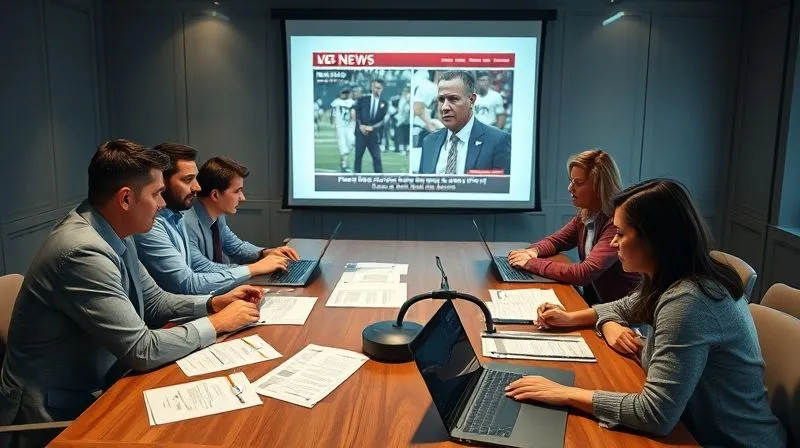
Scrutinizing the Endorsement Contract: Morality Clauses and Breach
The endorsement contract is your primary legal weapon and shield. In the wake of a scandal, it becomes the most critical document to review. My first piece of advice is always: know your contract inside and out.
Understanding Morality Clauses
Morality clauses, also known as 'bad boy' or 'good conduct' clauses, are standard in athlete endorsement contracts. They are designed to protect the brand's image by allowing for termination or other remedies if the endorser engages in behavior deemed detrimental to the brand.
These clauses vary widely in their scope and specificity:
- Broad Clauses: Often vague, covering any conduct that 'tends to bring the endorser into public disrepute, contempt, scandal, or ridicule' or 'shocks, insults, or offends the community.' While broad, these can be harder to enforce without clear definition.
- Specific Clauses: Detail specific prohibited actions, such as criminal convictions, use of illegal substances, or violations of league rules. These are generally easier to enforce due to their clarity.
- Reputational Harm Clauses: Focus on the actual or potential damage to the brand's reputation, rather than just the athlete's conduct itself.
It's crucial to understand the specific language and intent of your contract's morality clause. Ambiguity can lead to costly disputes.
Identifying a Breach of Contract
A scandal doesn't automatically equate to a breach. Your legal team must carefully determine if the athlete's actions constitute a material breach of the endorsement agreement. This involves:
- Comparing Conduct to Contractual Terms: Does the athlete's behavior directly violate a specific provision in the contract, particularly the morality clause?
- Assessing Materiality: Is the breach significant enough to justify termination? Minor infractions might not warrant immediate termination, especially if the contract specifies a 'material breach' threshold.
- Considering Public Perception vs. Legal Definition: While public outrage is a factor, the legal definition of a breach must be met. A public scandal, even without a criminal conviction, can still trigger a morality clause if it brings the athlete or brand into disrepute.
Important Consideration: Many contracts also include clauses related to 'force majeure,' 'material adverse change,' or 'events of default' that may apply. Your legal counsel will explore all avenues.
Strategic Termination vs. Damage Control: Weighing Your Options
Once you've assessed the contractual situation, the brand faces a critical juncture: is termination the best path, or can the relationship be salvaged through damage control? This decision is not purely legal; it's a complex blend of legal, financial, and public relations strategy.
Evaluating the Severity and Nature of the Scandal
Not all scandals are created equal. The severity and nature of the athlete's misconduct heavily influence your options:
- Minor Infractions (e.g., social media gaffe, minor public dispute): May be manageable with a strong public apology from the athlete and a clear brand statement. Termination might be an overreaction, potentially alienating fans or appearing heavy-handed.
- Serious Misconduct (e.g., DUI, domestic issues, performance-enhancing drugs): Often triggers morality clauses, leading to severe reputational damage. Termination becomes a strong consideration to distance the brand.
- Criminal Charges/Convictions: Almost always leads to contract termination, as the legal and ethical implications are too significant for a brand to ignore.
The long-term impact on your brand's core values must be the guiding principle here. Does continuing the endorsement compromise what your brand stands for?
Calculating Potential Financial Impact of Termination
Terminating a contract isn't free. It involves significant financial considerations:
- Lost Investment: Funds already paid to the athlete, production costs for campaigns that now must be pulled.
- Penalty Clauses: Some contracts may have clauses requiring payment if the brand terminates without 'just cause' (though a breach by the athlete would typically provide just cause).
- Legal Fees: For negotiation, arbitration, or potential litigation.
- Opportunity Cost: The cost of finding a new endorser and launching new campaigns.
Key Insight: "In sports law, the decision to terminate an endorsement is rarely about short-term savings. It's about protecting the long-term equity and integrity of your brand. Sometimes, a significant upfront cost of termination is a wise investment in your brand's future."
Case Study: Apex Athletics' Dilemma with Star Quarterback
How Apex Athletics Handled a PR Nightmare
Apex Athletics, a global sportswear brand, had a multi-million dollar endorsement deal with star quarterback, Marcus 'The Cannon' Jones. Marcus was known for his clean image and community work. One day, a tabloid exposé alleged Marcus had been involved in an altercation at a private party, resulting in minor property damage and a police report, though no charges were filed. Public reaction was swift and negative, with calls for Apex to drop him.
Apex's crisis team immediately convened. Their legal team reviewed the contract's morality clause, which stipulated termination for 'any conduct that brings endorser or brand into public disrepute or involves criminal charges.' While Marcus's actions were regrettable, they hadn't resulted in criminal charges, nor was the damage 'material' in a strictly legal sense. The PR team, however, noted a significant dip in brand sentiment among their younger, family-oriented demographic.
After intense deliberation, Apex decided against immediate termination. Instead, they issued a joint statement with Marcus, acknowledging the incident, expressing disappointment, and announcing Marcus would donate a substantial sum to a youth charity and participate in a public service campaign on conflict resolution. They also suspended him from appearing in new campaigns for three months. This strategy allowed Apex to demonstrate accountability without prematurely severing a valuable, long-term relationship. The short-term dip in sentiment recovered, and Marcus's subsequent public actions helped restore his image, ultimately benefiting Apex Athletics.
Navigating the Termination Process: A Legal Roadmap
If the decision is made to terminate, it's crucial to execute this process meticulously to avoid further legal complications. A misstep here can turn a defensive action into a new legal battle.
Issuing Formal Notice of Breach
This is the official start of the termination process. Your legal team must draft a formal notice, clearly:
- Stating the Specific Breach: Reference the exact contractual clause(s) violated by the athlete's conduct.
- Detailing the Facts: Provide a concise summary of the incident(s) constituting the breach.
- Demanding Cure (if applicable): Some contracts require an opportunity for the athlete to 'cure' the breach within a specified timeframe. Even if not explicitly required, offering a cure period can sometimes be a strategic move.
- Declaring Termination: Clearly state the brand's intent to terminate the agreement, effective immediately or on a specified date.
- Reserving Rights: Include language reserving the brand's right to pursue all available legal remedies (e.g., damages, injunctive relief) if necessary.
This notice must be delivered according to the communication provisions outlined in the contract, often via certified mail or legal courier.
Negotiating Severance and Brand Asset Retrieval
Following notice, negotiations typically begin regarding the financial implications of termination and the retrieval of brand assets:
- Unpaid Fees: Determine if any fees are owed to the athlete for services rendered prior to the breach, and conversely, if the brand is entitled to recover any payments already made.
- Asset Retrieval: Ensure all brand-owned assets – uniforms, equipment, promotional materials, digital content, social media handles – are returned or removed from public view. This includes stopping the use of the athlete's image in any ongoing campaigns.
- Confidentiality and Non-Disparagement: Often, a termination agreement will include clauses preventing both parties from disparaging each other publicly and maintaining confidentiality regarding the terms of the termination.
Managing Public Statements and Confidentiality
The legal team works hand-in-hand with PR to craft public statements that are legally sound and strategically effective:
- Unified Message: Ensure all brand representatives adhere to a single, approved message.
- Fact-Based: Statements should be factual, avoiding speculation or overly emotional language.
- Brand-Focused: Reiterate your brand's values and commitment to ethical conduct.
- Legal Limitations: Be mindful of what can and cannot be disclosed, especially if litigation is pending or a confidentiality agreement is being negotiated.
Maintaining a delicate balance between transparency and legal prudence is key here. For further reading on contract termination, you might find insights from legal publications like The American Bar Association useful.

Beyond Termination: Protecting Your Brand's Future
A scandal, while painful, offers a crucial opportunity to strengthen your brand's defenses. It's not enough to react; you must proactively fortify your future endorsement strategy.
Revising Future Endorsement Agreements
The experience of a scandal should directly inform the drafting of future contracts. Key areas for revision include:
- Enhanced Morality Clauses: Make them more specific, covering a broader range of potential misconduct (e.g., social media behavior, off-field activities, ethical breaches). Define 'materiality' clearly.
- Reputational Damage Triggers: Include clauses that allow for termination or suspension if the athlete's actions, even without a legal conviction, cause significant reputational harm to the brand, as determined by objective metrics (e.g., negative media coverage, consumer surveys).
- Clarity on Asset Rights: Ensure clear provisions for the immediate cessation of image use and retrieval of assets upon termination.
- Indemnification: Strengthen clauses where the athlete indemnifies the brand against losses resulting from their misconduct.
- Insurance Requirements: Mandate that the athlete carries specific types of insurance that could cover certain brand losses.
Proactive Risk Management and Athlete Vetting
Prevention is always better than cure. Implementing robust due diligence processes for potential endorsers is paramount:
- Background Checks: Go beyond criminal records to include social media audits, past controversies, and character references.
- Reputational Scoring: Develop an internal system to score potential endorsers based on their public image, past behavior, and alignment with brand values.
- Continuous Monitoring: Utilize media monitoring services to track endorsers' public activities and online presence throughout the contract term.
- Ethical Training: Consider requiring endorsers to undergo brand-specific ethics and conduct training.
| Aspect | Old Contract | New Contract Proposal |
|---|---|---|
| Morality Clause Scope | Vague, 'brings disrepute' | Specific list of prohibited behaviors (e.g., criminal charges, social media hate speech, league violations), includes reputational harm triggers. |
| Termination Rights | For 'material breach' only | Allows for immediate suspension or termination for 'any conduct significantly impacting brand image' as determined by brand. |
| Asset Retrieval | Upon contract expiry/termination | Immediate cessation of image rights and return of brand assets upon notice of breach. |
| Due Diligence | Standard background check | Enhanced background check including social media audit, reputational scoring, continuous monitoring clauses. |
This proactive approach significantly reduces the likelihood of future endorsement crises.
Reputational Repair and Stakeholder Communication
Even after legal steps are taken, the brand's reputation may still be bruised. A strategic communication plan is essential to rebuild trust and re-establish your brand's narrative.
Crafting a Unified Public Relations Strategy
Your PR efforts must be coordinated and consistent. This involves:
- Controlled Messaging: Develop a core message that reinforces your brand's values, expresses regret (if appropriate), and outlines the decisive actions taken.
- Crisis Communication Channels: Utilize all relevant channels – press releases, social media statements, website announcements – to disseminate your message.
- Transparency (within legal bounds): Be as open as possible without compromising legal strategy or ongoing investigations. The public appreciates honesty.
- Empathy: Acknowledge the impact of the scandal on your audience and express understanding for their concerns.
Engaging with Affected Stakeholders (Retailers, Consumers, Investors)
Different stakeholders require tailored communication strategies:
- Consumers: Often the most vocal. Address their concerns directly, reiterate brand values, and demonstrate accountability. Consider special offers or campaigns that reinforce positive associations.
- Retailers/Distributors: Provide them with clear statements and support materials to address customer inquiries. Assure them of your commitment to the partnership.
- Investors/Shareholders: Communicate the financial impact, the legal steps taken, and the revised risk management strategies to restore confidence.
Remember, silence can be interpreted as indifference or guilt. Proactive, empathetic, and consistent communication is your best tool for reputation repair. For more on crisis communication, check out resources from Harvard Business Review.
- Be Swift: Respond quickly, but thoughtfully.
- Be Honest: Maintain integrity in all communications.
- Be Consistent: Ensure all messages align across platforms.
- Be Empathetic: Acknowledge public sentiment.
- Be Accountable: Take responsibility for your brand's actions and decisions.
Litigation and Dispute Resolution: When Negotiations Fail
Despite best efforts, sometimes negotiations with the athlete or their representatives break down. In such cases, understanding your legal recourse becomes paramount.
Understanding Your Legal Recourse
If an athlete's breach of contract leads to significant damages, brands may have grounds for litigation. The primary objectives in court typically include:
- Damages: Seeking financial compensation for losses incurred, such as lost sales, marketing costs for pulled campaigns, and the cost of finding a replacement endorser. Quantifying these can be complex.
- Injunctive Relief: Requesting a court order to prevent the athlete from further violating the contract (e.g., continuing to use brand assets) or from endorsing a competitor.
- Declaratory Judgment: Asking a court to formally declare the contract terminated due to the athlete's breach.
Litigation is often a last resort due to its cost, time, and potential for further negative publicity. However, it can be necessary to protect substantial financial interests and set a precedent.
Considering Alternative Dispute Resolution (ADR)
Before heading to court, I often advise clients to explore Alternative Dispute Resolution (ADR) mechanisms, which can be less adversarial, more private, and generally faster:
- Mediation: A neutral third party facilitates discussions between the brand and the athlete to help them reach a mutually acceptable settlement. The mediator does not impose a decision.
- Arbitration: A neutral third party (or panel) hears arguments and evidence from both sides and then renders a binding decision, similar to a court judgment but typically less formal and private. Many endorsement contracts include mandatory arbitration clauses.
ADR can preserve relationships (or at least avoid further animosity), reduce legal costs, and prevent public airing of sensitive details. Always check your contract for mandatory ADR clauses.
| Method | Pros | Cons |
|---|---|---|
| Litigation | Binding court judgment, full discovery process, public record (can deter future misconduct) | High cost, time-consuming, public, potentially damaging publicity, adversarial nature. |
| Mediation | Cost-effective, private, preserves relationships, flexible solutions, voluntary outcome. | Non-binding (no guaranteed resolution), relies on good faith, may fail. |
| Arbitration | Binding decision, private, generally faster than court, less formal, often cheaper. | Limited appeal rights, less discovery, arbitrator's decision is final, can still be costly. |
The Role of Insurance in Brand Crisis Management
While legal strategies focus on mitigating the fallout, insurance can provide a financial safety net. It's a facet often overlooked until it's too late.
Exploring Reputational Damage Insurance
In recent years, specialized insurance products have emerged to cover risks associated with reputational damage. These policies are designed to protect companies from financial losses stemming from events that harm their public image, including those caused by endorsers.
Coverage can vary, but typically might include:
- Crisis Management Costs: PR firm fees, media monitoring, and communication expenses.
- Loss of Revenue: Compensation for sales declines directly attributable to the reputational event.
- Brand Rehabilitation Costs: Expenses for new marketing campaigns aimed at restoring brand image.
Understanding Policy Coverage and Exclusions
It's crucial to thoroughly review any existing or prospective policies:
- Specific Triggers: What types of events activate the coverage? Is an athlete's scandal explicitly included?
- Exclusions: Are there specific types of misconduct (e.g., criminal acts by the athlete, acts of gross negligence by the brand) that are excluded?
- Deductibles and Limits: Understand the financial thresholds before coverage kicks in and the maximum payout limits.
- Notification Requirements: Strict timelines for notifying the insurer after an incident are common. Missing these can invalidate your claim.
While not a magic bullet, having the right insurance can provide a vital layer of financial protection in an increasingly volatile endorsement landscape. Consult with an insurance broker specializing in corporate risk to assess your needs. For insights into broader crisis insurance trends, a look at publications like Forbes Advisor can be beneficial.
Frequently Asked Questions (FAQ)
What if the athlete denies the allegations? If the athlete denies the allegations, your legal team must proceed cautiously. Your contract's morality clause may allow for suspension or termination based on 'credible allegations' or 'public disrepute' even without a conviction. However, terminating prematurely without clear evidence could expose the brand to a wrongful termination lawsuit. It's critical to gather as much verified information as possible and weigh the reputational risk of association versus the legal risk of unjustified termination. Often, a temporary suspension pending investigation is a prudent first step.
Can we recover money already paid to the athlete? It depends heavily on the specific language of your endorsement contract. Many contracts include clawback provisions, allowing the brand to recover fees, bonuses, or other compensation paid if the athlete breaches the contract, particularly morality clauses. Without such a clause, recovering past payments can be challenging and typically requires proving significant damages in court or arbitration.
How quickly should a brand respond to an athlete scandal? Speed is critical, but so is accuracy. I advise clients to aim for an initial internal assessment and a holding statement within 24-48 hours. This statement should acknowledge the situation, express commitment to brand values, and indicate that the matter is being taken seriously. A definitive response (e.g., termination, suspension) should follow once a thorough legal and strategic review is complete, which may take several days depending on the complexity of the situation and contractual terms.
What if the scandal involves an athlete's family member or associate, not the athlete directly? This is a nuanced area. Most morality clauses focus on the athlete's direct conduct. However, some broader clauses might cover actions of those closely associated with the athlete if those actions directly and substantially impact the athlete's public image or, by extension, the brand's reputation. Your legal team must assess if there's a direct causal link between the associate's actions and the athlete's ability to fulfill their endorsement duties or if it causes 'disrepute' by association. This is often a grey area and requires careful legal interpretation.
Should brands include social media conduct clauses in contracts? Absolutely. In today's digital age, social media is a primary source of athlete scandals. Contracts should explicitly address acceptable and unacceptable social media behavior, including prohibitions on hate speech, disparagement of the brand or competitors, sharing confidential information, and engaging in controversial political or social commentary that could alienate your target audience. Clear guidelines help prevent many modern crises.
Key Takeaways and Final Thoughts
Navigating an athlete endorsement scandal is one of the most challenging situations a brand can face. It demands a swift, coordinated, and legally sound response. As a specialist in sports law, I've seen firsthand that preparedness and clear strategy are the brand's best defenses.
- Proactive Preparation is Paramount: Robust contracts with specific morality clauses and comprehensive vetting processes are your first line of defense.
- Assemble a Cross-Functional Crisis Team: Legal, PR, marketing, and leadership must work in lockstep from the outset.
- Know Your Contract: The endorsement agreement is your blueprint for action; understand its nuances regarding breach and termination.
- Strategize Your Response: Weigh the legal, financial, and reputational implications of termination versus damage control.
- Communicate with Integrity: Transparency, empathy, and consistency are crucial for rebuilding trust with all stakeholders.
- Learn and Evolve: Use every crisis as an opportunity to refine your risk management and contractual frameworks for future endorsements.
While the immediate impact of an athlete's scandal can feel overwhelming, remember that it's also an opportunity for your brand to demonstrate resilience, ethical leadership, and a steadfast commitment to your values. By taking these legal and strategic steps, you can not only mitigate the damage but emerge from the crisis with a stronger, more trusted brand identity. Stay vigilant, stay prepared, and protect your brand's legacy. For more detailed insights into sports law and ethics, consider exploring publications from academic institutions like Georgetown University's Sports Law Institute.
Recommended Reading
- NIL Compliance: 7 Legal Strategies for Sports Agencies to Mitigate Risk
- Safeguarding Business Assets: 7 Legal Strategies Against Child Support Arrears
- 5 Critical Steps: How to Challenge a Trademark Refusal & Protect Your Brand Name?
- Navigating US Consumer Privacy Laws: 5 Ways They Shape Data Sharing Consent
- The Essential Guide: What is the Rational Basis Test in Equal Protection?



Comments
Leave a comment below. Your email will not be published. Required fields marked with *