



What's the process for obtaining emergency guardianship for an incapacitated elder?
For over two decades in elder law, I've witnessed the devastating impact of sudden incapacitation on families. The moment a beloved elder becomes unable to make critical decisions for themselves, whether due to a sudden stroke, advanced dementia, or unforeseen exploitation, a legal vacuum can open, leaving them vulnerable and their families in a state of panic.
This isn't just a legal challenge; it's a deeply emotional one. The pain point is palpable: how do you protect someone you love when they can no longer protect themselves, especially when time is of the essence and the legal system seems daunting?
In this guide, I will walk you through the precise, actionable framework for navigating what's the process for obtaining emergency guardianship for an incapacitated elder. We'll cover the immediate steps, the legal requirements, court expectations, and critical insights drawn from years of practical experience, ensuring you have the knowledge to act decisively and ethically.
Understanding the Urgency: When is Emergency Guardianship Necessary?
Emergency guardianship is not a casual undertaking; it's a legal intervention reserved for situations where an elder's immediate health, safety, or financial well-being is at severe risk, and there's no less restrictive alternative available. As an elder law specialist, I've seen these scenarios unfold far too often, from sudden medical emergencies leaving an elder unable to consent to life-saving treatment, to instances of severe financial exploitation by unscrupulous individuals.
The core legal standard is usually that the individual is "incapacitated" and faces "imminent harm." Incapacitation, in this context, means the elder lacks the mental capacity to make or communicate responsible decisions concerning their person or property. Imminent harm implies a clear and present danger that requires immediate action to prevent irreversible damage. This could manifest as refusing necessary medical care, being unable to manage finances leading to eviction, or being preyed upon by scammers who are rapidly depleting their assets.
It's crucial to distinguish this from situations where an elder might simply make choices you disagree with. The legal system respects autonomy, and intervention is only warranted when capacity is genuinely compromised and danger is acute. Without timely intervention, the consequences can be catastrophic, leading to medical neglect, homelessness, or complete financial ruin.
The Initial Scramble: Gathering Critical Information and Evidence
When faced with the need for emergency guardianship, the first few hours and days are critical. From my experience, the more prepared you are with documentation, the smoother, albeit still challenging, the process will be. The court requires compelling evidence to justify such an immediate and significant deprivation of an individual's rights.
Your immediate task is to systematically gather every piece of information that supports your claim of incapacitation and imminent harm. Think of yourself as building a robust case file even before you step into an attorney's office. This groundwork is invaluable for what's the process for obtaining emergency guardianship for an incapacitated elder.
- Medical Records: Obtain recent medical evaluations, diagnoses (e.g., dementia, stroke, severe psychiatric condition), physician's statements, and any documentation indicating the elder's inability to make or communicate healthcare decisions. A letter from a treating physician explicitly stating incapacity and the need for immediate intervention is often paramount.
- Financial Records: If financial exploitation or mismanagement is a concern, gather bank statements, credit card statements, property deeds, investment account summaries, and any evidence of suspicious transactions, overdue bills, or threats of foreclosure/eviction.
- Affidavits/Witness Statements: Collect written statements from family members, caregivers, social workers, or other professionals who have direct knowledge of the elder's condition and the imminent risks they face. These affidavits should detail specific observations, dates, and examples demonstrating incapacitation and harm.
- Police Reports/Adult Protective Services (APS) Records: If elder abuse, neglect, or exploitation has been reported, these official documents provide powerful evidence. Contacting APS is often a critical first step in many jurisdictions, as their investigation can substantiate your claims.
- Existing Legal Documents: Check for any existing Powers of Attorney (POA) for healthcare or finances, advance directives, or wills. If these exist, understand their scope and why they are insufficient or why the agent is not acting appropriately (e.g., suspected abuse by the agent).
Organizing these documents thoroughly will significantly accelerate the legal process and strengthen your petition, demonstrating to the court that you have diligently assessed the situation and are not acting impulsively.

Navigating the Legal Labyrinth: Initiating the Petition
Once you have gathered your evidence, the next critical step in what's the process for obtaining emergency guardianship for an incapacitated elder is to engage with the legal system. This is where the expertise of an elder law attorney becomes not just beneficial, but often essential.
- Consult an Elder Law Attorney: I cannot stress this enough. Emergency guardianship petitions are complex, time-sensitive, and carry significant legal weight. An experienced elder law attorney understands the specific requirements of your state's laws, the nuances of court procedure, and how to present your case effectively. They can also advise on less restrictive alternatives that might be available.
- Drafting the Petition: Your attorney will draft a formal Petition for Emergency Guardianship. This document will outline the elder's personal information, the petitioner's relationship, the factual basis for the alleged incapacitation, the specific nature of the imminent harm, why emergency action is needed, and what specific powers are being requested for the emergency guardian.
- Filing the Petition: The petition, along with all supporting affidavits and evidence, must be filed with the appropriate court (usually the probate or family court in the elder's county of residence). There will be filing fees, which can sometimes be waived in cases of indigence.
- Service of Process: Legally, the incapacitated elder must be formally notified of the petition, even if they cannot comprehend it. This "service of process" is a fundamental due process right. Other interested parties, such as immediate family members, may also need to be notified, depending on state law. Your attorney will ensure this is done correctly and promptly.
- Request for Expedited Hearing: Because of the emergency nature, your attorney will typically file a motion requesting an expedited hearing, sometimes within days of filing the petition.
The legal framework for emergency guardianship varies significantly by state, so local expertise is paramount. For instance, some states require specific medical certifications within a certain timeframe, while others may appoint an attorney to represent the elder's interests immediately.
| Key Document/Action | Purpose | Urgency |
|---|---|---|
| Medical Affidavit of Incapacity | Formal physician's statement detailing elder's mental state and inability to make decisions. | High - Often required for filing. |
| Petition for Emergency Guardianship | Formal request to the court for immediate appointment of a guardian. | High - Initiates the legal process. |
| Affidavits from Witnesses | Statements from family/caregivers detailing observations of harm/incapacity. | Medium - Strengthens the case, provides context. |
| Proof of Service | Documentation showing the elder and other parties were legally notified. | High - Essential for due process. |
| Financial Records (if applicable) | Evidence of financial mismanagement or exploitation. | Medium - Critical for financial guardianship requests. |
Case Study: The Smith Family's Urgent Intervention
Consider the Smith family. Their matriarch, 88-year-old Martha, suffered a sudden, severe stroke. While she was medically stable, she was non-verbal and unable to communicate her wishes for ongoing care or manage her significant financial affairs. Her out-of-state nephew, John, discovered that Martha's utility bills were unpaid, her bank account was dwindling due to suspicious withdrawals, and she was refusing necessary rehabilitation due to her inability to comprehend the situation.
John immediately contacted an elder law attorney. Following the steps I've outlined, John quickly gathered Martha's recent hospital records, a detailed letter from her neurologist confirming her incapacity, and bank statements showing unusual cash withdrawals. The attorney drafted and filed an emergency petition, emphasizing the imminent risk of utility shut-off, financial exploitation, and medical neglect. An expedited hearing was granted within 72 hours. At the hearing, John presented the evidence, and the judge, seeing the clear and present danger, granted John temporary emergency guardianship for 60 days, allowing him to make immediate medical decisions and secure Martha's finances. This swift action prevented Martha from being discharged without proper care and protected her remaining assets, buying the family crucial time to pursue a permanent guardianship.
The Emergency Hearing: What to Expect in Court
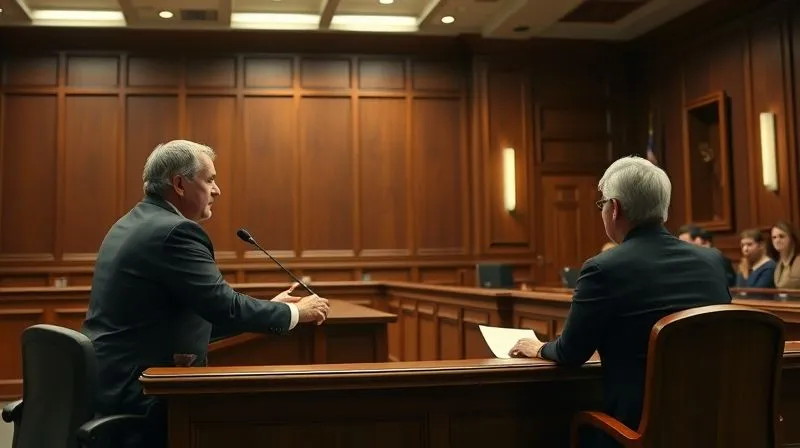
The emergency guardianship hearing is often a streamlined, focused proceeding designed to address the immediate crisis. Unlike a full guardianship hearing, which can be extensive, the emergency hearing's primary goal is to determine if there is sufficient evidence of incapacitation and imminent harm to warrant a temporary order.
When you attend, you and your attorney will present the evidence gathered – medical reports, affidavits, financial statements – to the judge. The judge will listen to testimony, often from the petitioner and any medical professionals or social workers present. The elder themselves may or may not be present, depending on their condition and the court's discretion. In many jurisdictions, the court will appoint an attorney or a Guardian Ad Litem (GAL) to represent the elder's best interests. This individual will often conduct an independent investigation and report their findings to the court, providing an objective assessment.
Time is of the essence in an emergency guardianship hearing. The judge's focus will be squarely on the immediate danger and the necessity of interim protection. Be prepared to articulate clearly and concisely why emergency intervention is the only viable option and how it directly benefits the elder. Emotions run high, but a calm, factual presentation is always most effective.
The judge will weigh the evidence to decide if an emergency guardianship order is justified. If granted, the order will typically be for a limited duration (e.g., 30, 60, or 90 days), providing provisional authority to the appointed guardian to address the immediate crisis. It's a temporary measure, not a permanent solution, designed to bridge the gap until a more thorough investigation for permanent guardianship can be conducted.
Provisional Authority: What Emergency Guardianship Allows (and Doesn't)
An emergency guardianship order grants specific, limited powers to the appointed guardian, strictly tailored to mitigate the imminent harm. It's crucial to understand these boundaries, as exceeding them can have legal consequences. Generally, the authority granted focuses on immediate needs:
- Healthcare Decisions: The guardian can consent to necessary medical treatments, surgeries, and placement in appropriate care facilities (e.g., hospital, skilled nursing facility) if the elder is unable to make or communicate these decisions.
- Financial Protection: If financial harm is the emergency, the guardian may be authorized to access bank accounts to pay essential bills, prevent eviction, stop fraudulent transactions, or secure assets from further depletion.
- Safety and Well-being: This might include ensuring the elder has safe housing, adequate food, and protection from abuse or neglect.
However, emergency guardianship is typically not a blank check. It rarely grants powers to sell major assets (like a home) or make long-term estate planning decisions. These more extensive powers are usually reserved for permanent guardianship, which involves a more thorough legal process. The emergency guardian's role is to stabilize the situation, not to overhaul the elder's life or estate. Always operate strictly within the bounds of the court's order and consult your attorney if you encounter situations that seem to fall outside your granted authority.
Transitioning to Permanent Guardianship: The Next Steps
Emergency guardianship, by its very nature, is a temporary fix. Once the immediate crisis is averted, the legal journey usually shifts towards establishing a permanent guardianship, if deemed necessary. This transition is a distinct and often more protracted process than what's the process for obtaining emergency guardianship for an incapacitated elder.
The provisional authority granted by the emergency order provides a window for a comprehensive evaluation of the elder's long-term needs and capacity. During this period, the emergency guardian, often with the assistance of their attorney, will prepare for the permanent guardianship hearing.
- Comprehensive Evaluations: The court will typically require more in-depth medical, psychological, and sometimes functional assessments to determine the elder's long-term capacity and the extent of their needs. These evaluations are usually conducted by court-appointed experts.
- Detailed Petition for Permanent Guardianship: A new petition, or an amendment to the emergency one, will be filed. This document will provide a more extensive justification for permanent guardianship, detailing the elder's condition, the proposed guardian's qualifications, and a comprehensive plan for the elder's care and financial management.
- Guardian Ad Litem Report: If a GAL was appointed for the emergency hearing, they will likely conduct a more thorough investigation for the permanent hearing, interviewing the elder, family members, caregivers, and reviewing records. Their report is highly influential.
- Full Hearing: The permanent guardianship hearing is more formal and extensive. All interested parties have the right to present evidence, object to the guardianship, or propose alternative guardians. The judge will consider all testimony and evidence before making a final determination.
- Letters of Guardianship: If permanent guardianship is granted, the court will issue "Letters of Guardianship," which are the official documents proving the guardian's authority. These letters will specify the scope of the guardian's powers, which can be broad (plenary guardianship) or limited to specific areas (limited guardianship).
The goal of the permanent guardianship process is to ensure the least restrictive environment for the elder while providing the necessary protection and care. It's a significant legal step that should only be pursued when truly necessary and with expert legal counsel.
Avoiding Common Pitfalls and Ensuring Ethical Practices
While the intent behind seeking emergency guardianship is almost always noble – to protect a vulnerable elder – the process itself is ripe for potential pitfalls if not handled with the utmost care and ethical consideration. As an attorney, I've seen situations where well-meaning family members inadvertently overstep, or, more concerningly, where individuals attempt to use guardianship for personal gain.
- Self-Serving Petitions: One of the most critical pitfalls is when a petitioner has a conflict of interest or is perceived to be acting for personal financial gain rather than the elder's best interest. Courts are highly attuned to this and will scrutinize such cases aggressively. Always ensure your actions are transparent and solely focused on the elder's welfare.
- Lack of Evidence: Rushing into court without sufficient, compelling evidence of incapacitation and imminent harm will likely result in the petition being denied. Hearsay or personal opinions are not enough; concrete medical and financial documentation is essential.
- Failure to Explore Alternatives: Before seeking guardianship, you must genuinely explore less restrictive alternatives. Did the elder have a valid Power of Attorney? Can a trusted family member assist with finances without formal guardianship? Courts prefer to uphold an individual's autonomy whenever possible.
- Ignoring Due Process: Improper notification to the elder or other interested parties can lead to delays or even dismissal of the petition. Following legal procedures meticulously is non-negotiable.
- Acting Without Legal Counsel: While possible, attempting to navigate the complexities of emergency guardianship without an experienced elder law attorney is incredibly risky. The legal landscape is intricate, and mistakes can be costly and detrimental to the elder's well-being.
The ethical imperative is to always act in the elder's best interest, prioritizing their dignity, autonomy, and well-being above all else. This process is about protection, not control. Building trust with the court and demonstrating your commitment to the elder's welfare is paramount throughout what's the process for obtaining emergency guardianship for an incapacitated elder.
For further reading on ethical considerations in elder law, the American Bar Association's Commission on Law and Aging provides invaluable resources and guidelines.
Frequently Asked Questions (FAQ)
Q: How long does emergency guardianship typically take to obtain? The timeline for obtaining emergency guardianship can vary significantly by state and court caseload, but due to its urgent nature, hearings are often scheduled within a few days to a week after filing the petition. The initial order typically lasts for 30-90 days.
Q: Can an elder object to an emergency guardianship petition? Yes, an elder has the right to object to any guardianship petition, including an emergency one. The court will consider their wishes, especially if they can articulate them clearly and if there is conflicting medical evidence regarding their capacity. This is why the appointment of a Guardian Ad Litem or separate legal counsel for the elder is common.
Q: What if there's no money for legal fees to pursue emergency guardianship? This is a common concern. Some elder law attorneys offer payment plans, or you may be able to petition the court to have legal fees paid from the elder's estate once guardianship is established. In cases of extreme indigence, legal aid organizations or pro bono services might be available, though these are often overwhelmed. It's crucial to discuss fee arrangements upfront with your chosen attorney.
Q: What's the difference between guardianship and conservatorship? While often used interchangeably or combined, historically, "guardianship" refers to control over the incapacitated person (making personal and medical decisions), and "conservatorship" refers to control over their estate and finances. Many states now use a unified term like "guardianship of the person" and "guardianship of the estate" or simply "guardianship" with specified powers. Your attorney will clarify the terminology relevant to your state.
Q: What are the risks of not seeking emergency guardianship for an incapacitated elder in crisis? The risks are substantial. Without emergency guardianship, an incapacitated elder could suffer severe medical neglect (e.g., inability to consent to critical treatment), financial ruin due to exploitation or mismanagement, eviction from their home, or even physical harm if they are unable to care for themselves safely. The legal vacuum leaves them entirely unprotected.
Key Takeaways and Final Thoughts
Navigating what's the process for obtaining emergency guardianship for an incapacitated elder is undoubtedly one of the most challenging, yet vital, tasks a family can undertake. It requires swift, decisive action, meticulous documentation, and a deep understanding of legal procedures. My years of experience have reinforced that while the path is complex, the goal – protecting a vulnerable loved one – is profoundly meaningful.
- Act Swiftly, But Thoughtfully: Emergency means urgent, but impulsive actions without proper evidence or legal guidance can hinder more than help.
- Evidence is Your Foundation: Medical records, financial statements, and witness affidavits are indispensable.
- Legal Counsel is Non-Negotiable: An experienced elder law attorney is your guide through this intricate legal terrain.
- Focus on the Elder's Best Interest: Always prioritize their safety, health, and well-being above all other considerations.
- Understand the Temporary Nature: Emergency guardianship is a bridge to stability, not a permanent solution.
If you find yourself in a situation where an elder's immediate safety and well-being are in jeopardy, remember that you are not alone. Seek expert legal counsel immediately. Taking these critical steps can provide the essential protection your loved one desperately needs, ensuring their dignity and security during their most vulnerable time. Don't delay; the well-being of your elder may depend on your prompt, informed action.
Recommended Reading
- Employee Refuses Unsafe Work? 7 Legal Steps for Employers
- The Ultimate Guide: Can I Switch from B2 to F1 Visa in the US?
- Unveiling the Power: What Are the Constitutional Limits on Executive Orders?
- Green Building Gaps: 7 Legal Liabilities You Must Understand Now
- Patent Eligibility for AI Inventions: 6 Keys to Success





Comments
Leave a comment below. Your email will not be published. Required fields marked with *