


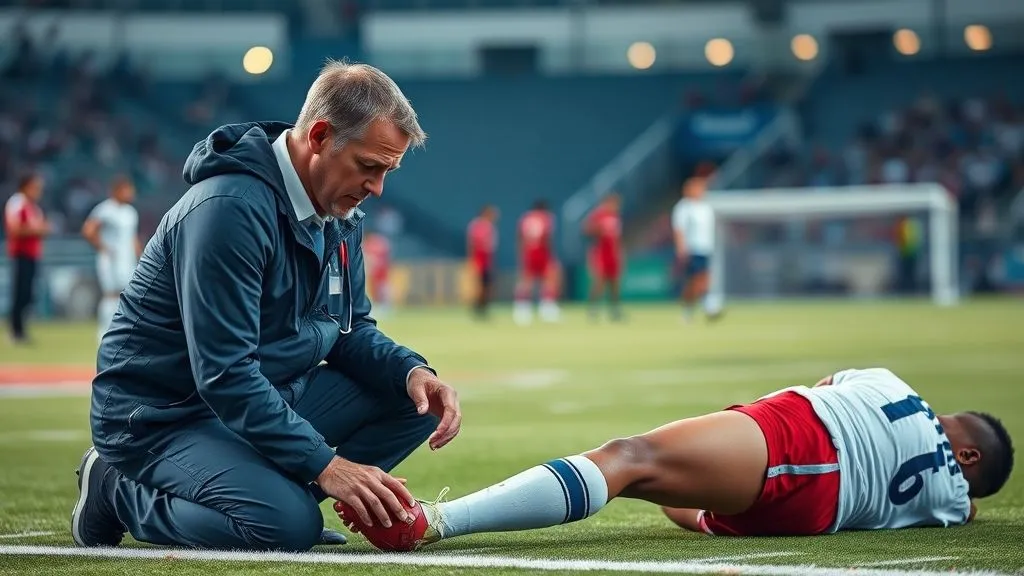
What to do immediately after a serious participant injury?
For over two decades in sports law, I've witnessed the immediate aftermath of serious participant injuries in every conceivable setting – from youth leagues to professional arenas. It's a moment of profound chaos, fear, and immense pressure, where split-second decisions can have long-lasting medical, legal, and reputational consequences. I've seen organizations, well-intentioned though they may be, make critical errors in these moments, errors that could have been entirely avoided with proper preparation and a clear, immediate action plan.
The pain point is palpable: when a serious injury occurs, most individuals and organizations are ill-equipped to handle the complex interplay of immediate medical care, legal obligations, critical documentation, and compassionate communication. The absence of a structured response often leads to confusion, mismanagement, and potentially severe legal repercussions, not to mention a devastating impact on the injured party and their family.
This comprehensive guide isn't just a theoretical exercise; it's a distillation of my experience, offering you an actionable framework for what to do immediately after a serious participant injury. We'll delve into the critical steps, legal nuances, and ethical considerations, providing you with the expert insights and practical tools necessary to navigate these challenging situations with confidence, competence, and compassion. You'll learn not just what to do, but why it's crucial, and how to protect all parties involved.
The Golden Hour: Immediate Medical & Safety Protocols
Prioritizing Participant Welfare Above All Else
When a serious injury occurs, the absolute first priority is the well-being and safety of the injured participant. Everything else, including concerns about liability or reputation, must take a back seat. This isn't just good ethics; it's a fundamental duty of care that underpins all sports law.
- Assess the Situation Immediately: Approach the injured person calmly and quickly. Determine the nature and severity of the injury. Is the person conscious? Are they breathing? Are there obvious signs of severe trauma?
- Secure the Scene: Prevent further injury to the participant or others. This might involve stopping play, moving spectators back, or ensuring the area is clear of hazards.
- Summon Qualified Medical Assistance: If you have on-site medical personnel (trainers, paramedics, doctors), alert them immediately. If not, call emergency services (e.g., 911 in the US, 999 in the UK) without hesitation. Clearly state the location, nature of the injury, and number of people involved.
- Do NOT Move the Injured Participant (Unless Absolutely Necessary): Unless there is an immediate and life-threatening danger (e.g., fire, collapsing structure), do not attempt to move someone with a suspected head, neck, or spinal injury. Wait for trained medical professionals.
- Provide Basic First Aid (If Trained): If you are certified in first aid or CPR, provide assistance within the scope of your training until professional medical help arrives. If not trained, focus on keeping the person calm and comfortable.
"The immediate response to an injury sets the tone for everything that follows. Prioritizing the participant's health and safety is not just a moral imperative, but a foundational legal defense against claims of negligence."
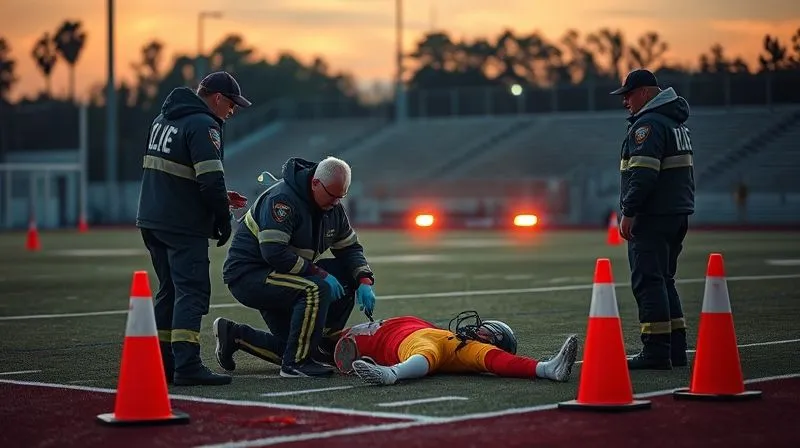
Meticulous Documentation: Your Legal Shield
The Incident Report: More Than Just Paperwork
Once immediate medical care is underway, documentation becomes paramount. A comprehensive incident report isn't just bureaucracy; it's the cornerstone of your legal defense and a critical tool for future prevention. It provides an objective, real-time account of what transpired.
- Time and Date: Exact timestamp of the injury and when emergency services were called/arrived.
- Location: Specific area where the injury occurred (e.g., "north side of the basketball court, near the free-throw line").
- Participant Information: Full name, contact details, age, and any relevant pre-existing conditions (if known and documented).
- Description of Injury: As observed (e.g., "participant clutching knee, visible swelling"). Avoid diagnosing.
- Description of Incident: A factual, objective narrative of how the injury occurred, without speculation or blame.
- Actions Taken: Detail all immediate steps, including first aid, who called emergency services, and who provided care.
- Witness Information: Names and contact details of anyone who saw the incident.
- Equipment Involved: If any equipment contributed, note its condition and identifying details.
- Environmental Factors: Weather, playing surface condition, lighting, etc.
"In sports law, if it wasn't documented, it didn't happen. A thorough incident report is not merely a record; it's a testament to your organization's due diligence and commitment to safety."
Here's a simplified checklist for your immediate incident report:
| Checklist Item | Status |
|---|---|
| Date & Time of Incident | Completed |
| Location of Incident | Completed |
| Injured Participant Details | Completed |
| Description of Injury (Observed) | Completed |
| Description of Incident (Factual) | Completed |
| Actions Taken & By Whom | Completed |
| Witness Information Collected | Completed |
| Photos/Videos Taken | N/A |
| Emergency Services Notified (Time) | Completed |
Witness Statements: Capturing the Narrative
Collecting witness statements immediately is crucial while memories are fresh. These provide invaluable, independent perspectives. Ensure witnesses understand they are providing factual accounts, not opinions.
- Identify All Witnesses: Anyone who saw the incident, even partially.
- Obtain Contact Information: Full name, phone number, email.
- Request a Written Statement: Ask them to write down, in their own words, what they saw, heard, and any actions they took. Emphasize factual reporting.
- Document Refusals: If someone refuses to provide a statement, note that in your incident report.
For further insights on comprehensive incident reporting, I highly recommend reviewing guidelines from reputable legal resources. For instance, the National Council of Nonprofits offers excellent advice on incident reporting best practices, which are broadly applicable to sports organizations.
Navigating Legal Responsibilities and Potential Liabilities
Understanding Your Duty of Care
As an organization or individual responsible for participants, you owe them a "duty of care." This means taking reasonable steps to prevent foreseeable harm. A serious injury often triggers questions about whether this duty was breached, leading to potential claims of negligence.
- Negligence: Did your organization fail to act as a reasonably prudent entity would have in similar circumstances? This could involve inadequate supervision, faulty equipment, unsafe facilities, or lack of proper emergency planning.
- Waivers and Releases: While often used, waivers do not always provide absolute protection. They typically cover inherent risks of the activity but may not protect against gross negligence or reckless conduct.
- Inherent Risks: Every sport carries inherent risks. Participants are generally assumed to accept these risks when they participate. The challenge is distinguishing between an inherent risk and a risk created by negligence.
"A robust legal defense begins long before an injury occurs, with proactive risk management, clear policies, and thorough training. Post-injury, every action is scrutinized against this established duty of care."
Case Study: The Youth Soccer League's Costly Oversight
In one memorable case, a youth soccer league faced a significant lawsuit after a participant suffered a severe concussion. The injury occurred during a game on a field that, unbeknownst to the league, had an exposed sprinkler head near the sideline. The league had a standard waiver and a basic emergency action plan, but their field inspection protocol was superficial, missing this crucial hazard. When the player chased a ball out of bounds and tripped, hitting their head on the sprinkler head, the family sued. The court found the league negligent not for the inherent risk of concussions in soccer, but for failing to maintain a safe playing environment through adequate field inspection. This oversight, a clear breach of their duty of care, led to a substantial settlement and a tarnished reputation. This underscores why what to do immediately after a serious participant injury extends to pre-event preparation.

Communication Strategies: Transparency, Empathy, and Control
Informing Guardians and Family Members
Communicating with the injured participant's family is a delicate but critical step. Transparency, empathy, and accuracy are paramount.
- Timeliness: Inform guardians as soon as possible, once the immediate medical situation is stabilized and you have accurate information.
- Accuracy: Stick to the facts. Do not speculate about the cause, prognosis, or blame.
- Empathy: Express genuine concern for the participant's well-being. Offer support and resources.
- Designated Spokesperson: Have one person, preferably a senior official or the event manager, communicate with the family to ensure consistent messaging.
- Offer Assistance: Facilitate transport to the hospital, provide updates, and ask how you can support them.
Managing Public Relations and Media Inquiries
In today's interconnected world, news of a serious injury can spread rapidly. Having a crisis communication plan is essential.
- Designate a Single Point of Contact: All media inquiries should be directed to one trained individual.
- Issue a Factual Statement: A brief, factual statement acknowledging the incident, expressing concern for the participant, and outlining that the focus is on their care. Avoid details that could prejudice future legal proceedings.
- Avoid Speculation: Never speculate on the cause or fault. State that an internal review is underway.
- Protect Privacy: Do not release personal medical information.
For expert guidance on navigating media in a crisis, I often refer organizations to resources like those provided by the Public Relations Society of America (PRSA), which offers valuable insights into managing sensitive situations effectively.
Post-Incident Review and Preventative Measures
Conducting a Thorough Internal Investigation
Once the immediate crisis has passed, a thorough internal investigation is crucial. This is not about assigning blame but about understanding what happened and preventing recurrence.
- Assemble an Impartial Team: A small team, ideally with diverse expertise (e.g., operations, safety, medical, legal), to conduct the review.
- Gather All Documentation: Incident reports, witness statements, photos, video, equipment logs, maintenance records.
- Interview Key Personnel: Anyone involved in the incident or with relevant knowledge.
- Analyze Findings: Identify contributing factors, root causes, and any system failures.
- Develop Corrective Actions: Based on the findings, implement specific, measurable changes to policies, procedures, or equipment.
Updating Emergency Action Plans (EAPs)
The lessons learned from a serious injury are invaluable. They should immediately feed back into and refine your Emergency Action Plans (EAPs) and risk management strategies.
- Review Existing EAPs: How well did the plan perform? Were there gaps?
- Incorporate New Learnings: Update protocols for specific types of injuries, communication channels, or equipment checks.
- Retrain Staff: Ensure all relevant personnel are aware of and trained on updated plans.
- Regular Drills: Conduct periodic drills to test the effectiveness of EAPs.
"Every serious incident, while regrettable, is a profound learning opportunity. Ignoring these lessons is not just poor practice; it's a dereliction of duty and an invitation for future harm."
Insurance Claims and Financial Implications
Understanding Your Coverage and Policy
A serious injury inevitably brings financial considerations. Understanding your organization's insurance coverage is vital.
- Types of Coverage: Typically, general liability insurance covers bodily injury to participants. You might also have specific sports accident insurance or catastrophic injury policies.
- Policy Limits: Be aware of your coverage limits and deductibles.
- Exclusions: Understand what your policy does NOT cover (e.g., acts of gross negligence, specific high-risk activities).
- Reporting Requirements: Know the specific deadlines and procedures for reporting an incident to your insurer.
Navigating the Claims Process
The claims process can be complex and time-consuming. Prompt and accurate action is essential.
- Notify Insurer Immediately: Even if you're unsure whether a claim will be filed, inform your insurer of the incident as soon as possible, following their specific protocol.
- Provide All Documentation: Submit your comprehensive incident report, witness statements, medical reports (with appropriate consent), and any other relevant documentation.
- Cooperate Fully: Work with your insurer's adjusters and legal team.
- Do Not Admit Fault: While empathetic, avoid admitting fault or making promises to the injured party that could prejudice your insurance claim or legal position.
For more detailed information on sports insurance and risk management, I often refer clients to resources from leading sports insurance providers or industry associations. For example, organizations like the Sports & Fitness Insurance Corporation (SFIC) offer valuable guidance on policy types and claims processes.
Here's a simplified timeline for managing insurance claims:
| Phase | Action |
|---|---|
| Immediate Post-Incident | Notify insurer, secure scene, begin documentation |
| Within 24-48 Hours | Complete initial incident report, gather witness statements, provide medical updates |
| Within 7 Days | Submit formal claim notification to insurer, provide supporting documents |
| Ongoing | Cooperate with adjuster, provide additional information as requested, monitor participant recovery |
The Human Element: Supporting Recovery and Reintegration
Providing Ongoing Support to the Participant
Beyond the immediate medical and legal steps, remember the human aspect. A serious injury can have profound physical and psychological impacts.
- Follow-Up: Maintain contact with the participant and their family (with consent), offering support and checking on their recovery. This demonstrates genuine care.
- Resources: Provide information on available support services, such as rehabilitation clinics, sports psychology resources, or support groups, if appropriate and welcome.
- Reintegration: If and when appropriate, facilitate a safe and gradual return to activity, ensuring medical clearance and appropriate modifications.
Maintaining Relationships and Trust
Your response to a crisis can define your organization's reputation. A compassionate, competent, and ethical approach fosters trust, even in difficult circumstances.
"True leadership in sports is not just about winning; it's about how you respond when things go wrong. Empathy, integrity, and unwavering support for your participants build a legacy far more valuable than any trophy."

When to Engage Legal Counsel: A Proactive Stance
Identifying Triggers for Legal Consultation
Knowing when to call your lawyer isn't a sign of weakness; it's a sign of astute risk management. Early legal engagement can mitigate significant risks.
- Serious or Catastrophic Injury: Any injury likely to result in permanent impairment, long-term medical care, or significant financial burden.
- Potential for Litigation: If the injured party or their family expresses dissatisfaction, threatens legal action, or retains legal counsel.
- Complex Insurance Issues: If your insurer denies coverage, disputes the claim, or if multiple policies are involved.
- Regulatory Investigations: If a governing body or regulatory agency initiates an investigation into the incident.
- Ambiguous Liability: When the circumstances surrounding the injury are unclear, or there's a possibility of shared fault.
Benefits of Early Legal Engagement
Don't wait until you're served with a lawsuit. Proactive engagement with legal counsel offers numerous advantages:
- Guidance on Documentation: Lawyers can advise on what specific documentation is needed and how to preserve evidence.
- Risk Assessment: They can help assess the potential legal exposure and advise on appropriate next steps.
- Communication Strategy: Legal counsel can guide your communication with the injured party, their family, and the media to avoid inadvertently creating liability.
- Negotiation and Settlement: If necessary, they can represent your interests in negotiations or mediation.
For more detailed legal perspectives, reputable legal firms specializing in sports law often publish resources. For instance, the American Bar Association's resources on sports law can provide a broader context on legal responsibilities in sports.
Perguntas Frequentes (FAQ)
Pergunta? What if the injured participant refuses medical attention?
Resposta detalhada... Your primary duty is to offer and facilitate medical attention. If a conscious, adult participant refuses, document this refusal thoroughly, including the time, who refused, and any witnesses. Clearly explain the potential risks of refusing care. For minors, parental consent is usually required, but in emergencies, implied consent for life-saving treatment is often assumed. Always prioritize documenting your efforts to provide care.
Pergunta? Should I apologize to the injured participant or their family?
Resposta detalhada... Expressing empathy and concern is crucial and encouraged. You can say, "I'm so sorry this happened," or "We are deeply concerned for your well-being." However, avoid making statements that could be construed as an admission of fault, such as "I'm sorry, it was our fault." Stick to expressions of sympathy and concern for their pain and recovery without accepting legal liability. Your legal counsel can advise on appropriate phrasing.
Pergunta? How long should we retain incident reports and related documentation?
Resposta detalhada... Document retention policies vary by jurisdiction and the nature of the incident. Generally, it's advisable to retain records for at least the statute of limitations for personal injury claims in your state/country, which can be several years. For incidents involving minors, the statute of limitations may not begin until the minor reaches adulthood, potentially requiring retention for 18-20+ years. Consult with legal counsel to establish a compliant retention policy.
Pergunta? What if the injury involves a volunteer or staff member, not a participant?
Resposta detalhada... The immediate medical response remains the same. However, the legal and reporting requirements differ. If it's an employee, workers' compensation laws typically apply, and specific reporting procedures must be followed. For volunteers, your organization's general liability policy might cover them, but their status can be complex. Always follow your organization's internal HR and safety protocols in addition to general incident management.
Pergunta? Can we use photos or videos taken at the scene in our incident report?
Resposta detalhada... Yes, visual evidence can be incredibly valuable. Photos and videos provide objective documentation of the scene, equipment, and visible injuries. Ensure they are dated and time-stamped. However, be mindful of privacy concerns and only capture what is directly relevant to the incident. Avoid sharing these publicly without explicit consent and legal review.
Leitura Recomendada
- Dog Bite on Your Property? 7 Legal Duties You MUST Know Now
- Unveiling the Power: What Are the Constitutional Limits on Executive Orders?
- Age Workplace Discrimination: What is Considered & How to Fight It
- Protect Your Future: How to Shield Retirement Savings from Lawsuits
- 7 Critical Steps: Business Continuity Without an Owner's Advance Directive
Principais Pontos e Considerações Finais
- Prioritize Medical Care: The participant's safety and well-being are always the absolute first concern.
- Document Everything Meticulously: A detailed, factual incident report is your most critical asset.
- Understand Your Legal Duties: Be aware of your duty of care and how your actions (or inactions) relate to potential liability.
- Communicate with Empathy and Clarity: Manage communications with families and the public transparently but cautiously.
- Learn and Adapt: Use every incident as an opportunity to review and improve your emergency action plans and risk management strategies.
- Engage Legal Counsel Proactively: Don't hesitate to seek expert legal advice, especially for serious injuries.
Navigating the aftermath of a serious participant injury is undoubtedly one of the most challenging situations any sports organization or event manager will face. Yet, by understanding what to do immediately after a serious participant injury and implementing a structured, compassionate, and legally sound response, you can transform a moment of crisis into a testament to your organization's professionalism and unwavering commitment to safety. Be prepared, be proactive, and always put the welfare of your participants first. Your diligence in these critical moments not only protects your organization but, more importantly, upholds the trust placed in you by every participant and their family.





Comments
Leave a comment below. Your email will not be published. Required fields marked with *