



What to do when a parent demands adult student's FERPA records?
For over two decades in education law, I've witnessed countless scenarios where well-meaning parents, often accustomed to access during their child's K-12 years, suddenly face a legal brick wall when their student turns 18 and enrolls in higher education. This transition marks a significant shift, often leading to confusion, frustration, and sometimes, outright conflict for both families and institutions.
The core problem lies in a fundamental misunderstanding of the Family Educational Rights and Privacy Act (FERPA) as it applies to adult students. Institutions, faculty, and staff often find themselves caught between a parent's understandable desire for information and an adult student's newly acquired privacy rights, risking compliance violations if not handled correctly. The pressure can be immense, and the legal landscape unforgiving.
This comprehensive guide will equip you with the expert frameworks, actionable strategies, and clear insights necessary to confidently navigate these sensitive situations. We'll delve into FERPA's nuances, explore common exceptions, and provide you with a step-by-step approach to what to do when a parent demands adult student's FERPA records, ensuring both legal compliance and respectful communication.
Understanding FERPA's Core Principle: Adult Student Rights
At the heart of FERPA, once a student turns 18 or enrolls in a postsecondary institution (whichever comes first), the rights previously held by their parents transfer entirely to the student. This is a critical distinction that many parents and even some educational professionals overlook. It means the adult student, often referred to as an 'eligible student,' has sole control over their educational records.
As the U.S. Department of Education's Family Policy Compliance Office (FPCO) consistently clarifies, FERPA grants eligible students the right to inspect and review their education records, seek to amend inaccurate records, and control the disclosure of personally identifiable information from these records. This shift is absolute and immediate, regardless of who pays the tuition or how involved a parent has been in the past.
Expert Insight: The transition to an 'eligible student' under FERPA isn't just a legal formality; it's a recognition of the student's autonomy and their right to privacy in their academic journey. Institutions must uphold this right as their primary obligation.
Identifying the 'Adult Student' Threshold: Age and Enrollment
To properly apply FERPA, it's essential to precisely identify when a student gains these adult rights. The threshold is met when a student:
- Turns 18 years of age, OR
- Attends any postsecondary educational institution, regardless of age.
This means a 17-year-old enrolled in a community college program, for instance, is considered an eligible student under FERPA, and their parents' rights would have transferred. Conversely, an 18-year-old still in high school would not yet be an eligible student until they enroll in college, at which point their parents' rights transfer immediately.
It's crucial to educate faculty and staff on these specific triggers. Misinterpretations often arise with dual enrollment students or those who might be legally minors but are attending postsecondary courses. The rule is clear: once enrolled in a postsecondary institution, the student is the rights-holder.
The Limited Exceptions: When Parents CAN Access Records Without Consent
While the general rule is strict student privacy, FERPA does provide specific, limited exceptions where educational institutions *may* disclose information to parents of eligible students without the student's consent. These are not mandates for disclosure but rather permissible allowances, often requiring careful institutional discretion.
- Financial Dependency: If the student is claimed as a dependent for income tax purposes by either parent, the institution *may* disclose records. This is a common exception, but verification is key. Institutions should request proof, such as a copy of the most recent tax return, redacting sensitive information.
- Health or Safety Emergency: In situations where there's an articulable and significant threat to the health or safety of the student or others, institutions *may* disclose relevant information to appropriate parties, including parents, if such disclosure is necessary to protect the health or safety of the student or other individuals. This is a narrow exception requiring careful judgment.
- Violation of Alcohol or Drug Policy (Under 21): If the student is under 21 years of age and has violated any Federal, State, or local law, or any institutional rule or policy governing the use or possession of alcohol or a controlled substance, the institution *may* inform the parents. This exception applies only to students under 21.
- Judicial Order or Lawfully Issued Subpoena: Institutions *must* comply with a lawfully issued subpoena or judicial order for education records. However, FERPA generally requires the institution to make a reasonable effort to notify the student in advance of compliance so the student can seek protective action, unless the order specifically forbids such notification.
Institutions must exercise caution and thoroughly verify the conditions for each exception. Over-disclosure can lead to FERPA violations, while under-disclosure in true emergencies can have severe consequences.
| Exception | Condition | Action |
|---|---|---|
| Financial Dependency | Student is claimed as dependent for IRS purposes (verified annually) | Institution *may* disclose relevant records |
| Health/Safety Emergency | Imminent, significant threat to student or others' health/safety | Institution *may* disclose (records relevant to emergency only) |
| Alcohol/Drug Violation (Under 21) | Student violated policy, legally underage (under 21) | Institution *may* disclose to parents |
| Judicial Order/Subpoena | Valid legal order from court or administrative body | Institution *must* comply (with prior student notice, if permissible) |
Regarding financial dependency, institutions should refer to official guidance on what constitutes a dependent for tax purposes. For clarity, you can reference resources like IRS Publication 501.
Developing a Robust Institutional Policy for Handling Parent Inquiries
A clear, well-communicated institutional policy is your first line of defense against FERPA missteps. I've seen organizations struggle immensely without a standardized approach, leading to inconsistent advice and potential violations. Your policy should outline the procedures for handling parent inquiries about adult student records, explicitly stating the general rule of student privacy and detailing the permissible exceptions.
Actionable Steps for Policy Development:
- Draft a Comprehensive Policy: Clearly define who qualifies as an eligible student, delineate the scope of student rights, and meticulously list the exceptions to non-disclosure. Specify the documentation required for each exception (e.g., tax forms for dependency, police reports for emergencies).
- Designate a Central Point of Contact: Funnel all FERPA-related parent inquiries to a specific office or individual (e.g., Registrar's Office, Dean of Students, or a dedicated FERPA Officer). This ensures consistent information and proper record-keeping.
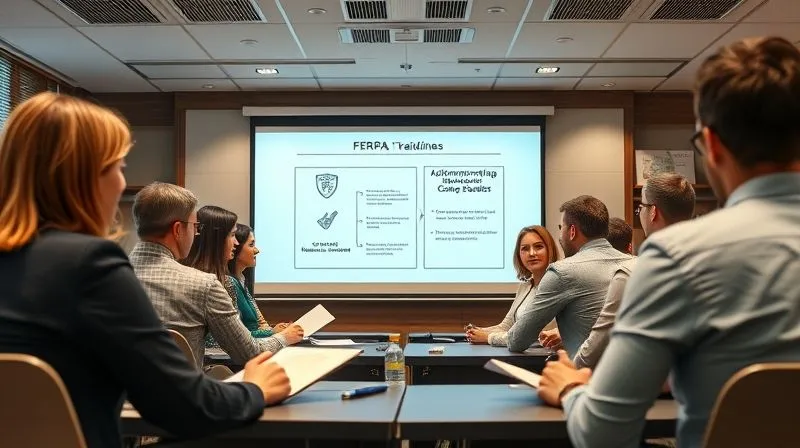
- Provide Regular Staff Training: Conduct mandatory annual training for all staff who might interact with parents or student records, including faculty, advisors, residence life staff, and administrative assistants. Training should cover the policy, common scenarios, and proper communication techniques.
- Publish the Policy: Make your FERPA policy easily accessible on the institution's website, in student handbooks, and during orientation programs. Transparency is key.
Case Study: University X's Proactive FERPA Training
University X, a mid-sized public university, faced a growing number of FERPA-related complaints and inadvertent disclosures. Their previous policy was vague, and training was sporadic. By implementing a new, comprehensive FERPA policy and mandatory annual training for all 1,500 employees, they dramatically improved compliance. The training included interactive scenarios and a clear decision tree for handling common parent inquiries. Within one year, reported FERPA violations decreased by 70%, and staff reported significantly higher confidence in managing these situations. This resulted in a more secure environment for student data and reduced legal risk for the institution.
Communication Strategies: Engaging with Parents and Students Ethically
The way you communicate when a parent demands adult student's FERPA records can de-escalate tension or exacerbate it. It requires a delicate balance of firmness, empathy, and clarity. The goal is to uphold student privacy while respectfully explaining the legal framework to parents.
Tips for Effective Communication:
- Start with Empathy: Acknowledge the parent's concern and their desire to support their child. Phrases like, "I understand you're concerned about [student's name] and want to help..." can open the conversation constructively.
- Educate, Don't Accuse: Explain FERPA's adult student provisions clearly and concisely. Frame it as a federal law the institution is obligated to follow, rather than a personal decision to withhold information. "Under federal law (FERPA), once a student enrolls in a postsecondary institution, their privacy rights transfer to them directly, meaning we can no longer share information with parents without their explicit consent."
- Empower the Student: Often, the best solution is for the student themselves to share the information. Advise parents to speak directly with their child. You can say, "I encourage you to discuss this directly with [student's name], as they have access to all their records and can choose to share them with you."
- Offer Alternatives (Consent): Explain the consent process clearly. "If [student's name] wishes for us to share information with you, they can complete a FERPA release form, granting us permission to do so."
- Maintain Professional Boundaries: If a parent becomes aggressive or persistent, reiterate the policy calmly and professionally. Avoid engaging in arguments or making exceptions under pressure.
Many institutions find it helpful to develop template responses for common parent inquiries. These templates ensure consistency and provide staff with a reliable script, reducing stress and the likelihood of miscommunication. Resources from organizations like the National Association of College and University Business Officers (NACUBO) often provide excellent guidance on these matters.
Navigating the Consent Process: When a Student Grants Access
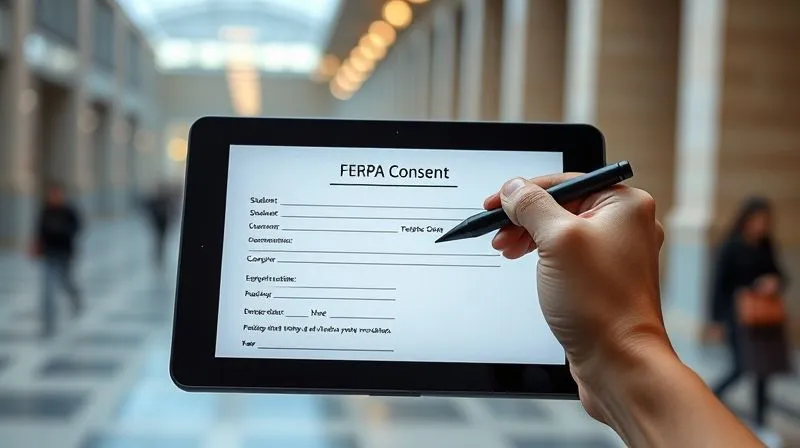
The most straightforward way for parents to access an adult student's records is with the student's explicit, written consent. This process must be handled meticulously to ensure it is legally sound and truly reflects the student's wishes. A valid FERPA consent for disclosure must:
- Be in writing.
- Be signed and dated by the student.
- Specify the records that may be disclosed.
- State the purpose of the disclosure.
- Identify the party or class of parties to whom the disclosure may be made.
Institutions should provide clear, easy-to-understand consent forms. It's also vital to inform students that they can revoke their consent at any time, and this revocation must be honored immediately for future disclosures.
Implementing a Digital Consent System
Many modern institutions have moved towards digital FERPA consent systems, often integrated into their student information portals. These systems allow students to log in securely, designate who can access their records (e.g., 'Mother,' 'Father,' 'Grandparent'), and specify which types of records (e.g., 'academic,' 'financial,' 'disciplinary') can be shared. This offers convenience, improves record-keeping, and enhances security.
When a student grants access, ensure your system flags this clearly for staff. Before disclosing any information, staff must verify that a valid, unrevoked consent form is on file for the specific records requested and the specific individual making the request. Failure to do so, even with good intentions, constitutes a FERPA violation.
Record Keeping and Documentation: Your Best Defense
In the complex world of FERPA compliance, meticulous record-keeping isn't just good practice; it's your institution's best defense against potential challenges or accusations of non-compliance. Every interaction, every decision, and every disclosure (or non-disclosure) related to an adult student's records should be documented.
Actionable Steps for Robust Documentation:
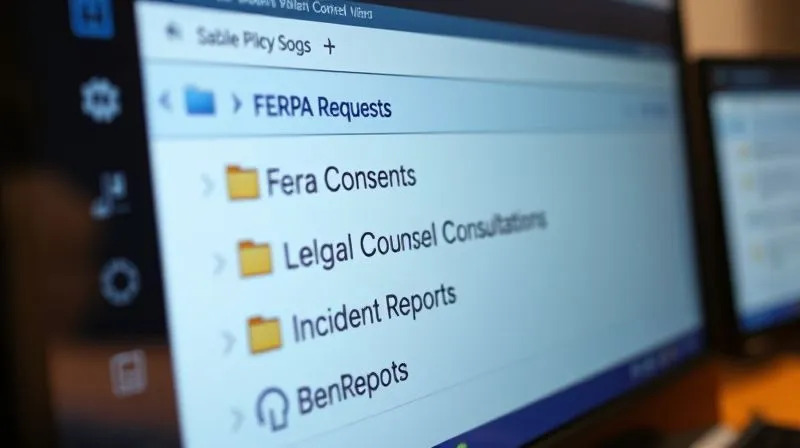
- Log All Inquiries: Maintain a log of all parent inquiries regarding student records, even if no information is disclosed. Include the date, time, name of the inquiring parent, the student's name, the nature of the request, and the staff member who handled it.
- Document Decisions and Rationale: For every request, document the decision made (e.g., "disclosure denied due to lack of student consent," "disclosure permitted based on documented financial dependency"). Crucially, record the rationale for that decision, referencing the specific FERPA provision or institutional policy.
- Retain Consent Forms and Waivers: Keep all signed FERPA consent forms, dependency documentation, and any other waivers or authorizations on file for the required retention period. Ensure these are easily retrievable and securely stored.
- Record Disclosures: FERPA requires institutions to maintain a record of disclosures of personally identifiable information from a student's education records. This record should include the parties who have requested or received the information, and the legitimate interests the parties had in requesting or obtaining the information.
- Staff Training Records: Document all FERPA training provided to staff, including dates, attendees, and topics covered. This demonstrates due diligence.
Proper documentation creates an auditable trail, demonstrating your institution's commitment to FERPA compliance and providing the necessary evidence should a dispute arise. This is particularly vital when managing what to do when a parent demands adult student's FERPA records under challenging circumstances.
Advanced Scenarios: Subpoenas, Emergencies, and International Students
While the core principles of FERPA remain constant, certain advanced scenarios introduce additional layers of complexity. These often require consultation with legal counsel and a deep understanding of intertwined regulations.
Navigating Complex Situations:
- Subpoenas and Court Orders: As mentioned, institutions must generally comply with valid legal orders. However, the requirement to notify the student (unless prohibited) is paramount. Ensure your legal team reviews all subpoenas to confirm their validity and determine the appropriate response, including whether student notification is required or forbidden.
- Health and Safety Emergencies: While an exception exists, the definition of a "health or safety emergency" is often debated. It must be an "imminent" and "significant" threat, not merely a parent's concern. Institutions should have a crisis management team or protocol that includes legal counsel to assess these situations carefully before disclosure.
- International Students: FERPA applies to all students attending educational institutions in the United States, regardless of their citizenship or immigration status. However, cultural expectations around parental involvement can differ significantly. Institutions should be sensitive to these differences while upholding FERPA's legal requirements.
- Student Death: FERPA rights terminate upon a student's death. Institutions *may* disclose education records to the deceased student's family or other parties, but they are not required to do so. Policies should be in place to guide these sensitive disclosures.
When in doubt, always err on the side of caution and consult with your institution's legal counsel. Proactive legal guidance can prevent costly errors and maintain trust with your student body.
| Record Type | FERPA Status | Example |
|---|---|---|
| Directory Information | May be disclosed unless opted out by student | Name, address, phone, major, dates of attendance, awards |
| Personally Identifiable Information (PII) | Protected; requires consent or exception for disclosure | Grades, GPA, disciplinary records, health records, social security number |
| Law Enforcement Records | Generally not FERPA-protected (separate from education records) | Campus police records created for law enforcement purposes |
| Sole Possession Records | Not FERPA-protected if not shared; personal notes of staff | Private notes of faculty/staff not shared with others, not accessible by others |
| Employment Records (Non-student) | Not FERPA-protected; separate from education records | Records of a student employed by the institution not contingent on student status |
Frequently Asked Questions (FAQ)
Q: Can a parent demand financial aid records if they are paying the tuition? No, paying tuition does not automatically grant parents access to an adult student's financial aid records or any other educational records. FERPA rights transfer to the student at 18 or upon enrollment in postsecondary education, regardless of who pays for their education. Access would only be permissible if the student provides written consent or if the student is claimed as a dependent for IRS tax purposes AND the institution chooses to exercise that permissible disclosure option. Even then, only relevant financial aid information may be disclosed, not necessarily all records.
Q: What if a student is under 18 but is emancipated? Does FERPA still protect their records? Yes, an emancipated minor who is enrolled in a postsecondary institution would be considered an "eligible student" under FERPA. Their emancipation status further solidifies their independent legal standing, and thus their FERPA rights would be fully vested with them, not their parents. The institution would treat them as an adult student for all FERPA purposes.
Q: How should we handle an angry or persistent parent who refuses to accept FERPA limitations? Maintaining professionalism and consistently applying institutional policy is crucial. Reiterate the federal law (FERPA) and your institution's obligations politely but firmly. Offer to provide them with information about FERPA, such as links to the U.S. Department of Education's website. Avoid engaging in arguments. If the parent's behavior becomes disruptive or threatening, follow your institution's protocols for handling difficult or abusive individuals, which may involve campus security or legal counsel. It is important to document all such interactions.
Q: Does FERPA apply to emails between faculty and students? Yes, emails between faculty and students that contain personally identifiable information from the student's education record are generally considered part of the education record and are protected by FERPA. For example, an email discussing a student's grades, disciplinary status, or academic performance would fall under FERPA protection. Faculty should be trained to be mindful of this and avoid sharing such information with parents without the student's consent or a valid FERPA exception.
Q: What are the penalties for a FERPA violation? While there are no direct monetary fines for individual FERPA violations, the U.S. Department of Education can withdraw federal funding from an institution that is found to have a pattern of non-compliance. This is a severe penalty, which is why institutions take FERPA compliance very seriously. Additionally, reputational damage and loss of trust from students and families can be significant. Individuals whose rights are violated also have avenues for complaint to the FPCO.
Key Takeaways and Final Thoughts
Navigating the delicate balance between parental concern and adult student privacy is a foundational aspect of education law in higher education. Understanding and rigorously applying FERPA is not just a legal obligation; it's a commitment to fostering an environment of trust and autonomy for your students.
- Empower Students: Reinforce that FERPA rights belong to the adult student. Encourage students to communicate directly with their parents and utilize consent forms when they wish to share information.
- Educate Stakeholders: Implement comprehensive training programs for all staff and clearly communicate your institution's FERPA policies to students and parents.
- Document Everything: Maintain meticulous records of all inquiries, decisions, and disclosures to demonstrate compliance and provide a clear audit trail.
- Know the Exceptions (and Verify Them): Understand the narrow exceptions to non-disclosure and ensure all conditions are met and documented before acting on them.
- Seek Legal Counsel: For complex or ambiguous situations, always consult with your institution's legal team to ensure compliance and mitigate risk.
By adopting these expert strategies, your institution can confidently address the question of what to do when a parent demands adult student's FERPA records, transforming a potential compliance headache into an opportunity to reinforce your commitment to student privacy and legal integrity. The journey through higher education is one of growing independence, and FERPA plays a vital role in protecting that journey.
Recommended Reading
- Unlock the Mystery: What to Expect at Your 341 Meeting Bankruptcy Court?
- Cross-Border Online Scams: How Lawyers Recover Funds (7 Expert Strategies)
- 5 Signs of Unlawful Permit Denial: Your Rights Under Administrative Law
- Unlock Protection: How to Enforce Digital Content Rights Online Effectively
- Unlock Wealth: How to Qualify for Capital Gains Tax Exemptions





Comments
Leave a comment below. Your email will not be published. Required fields marked with *