


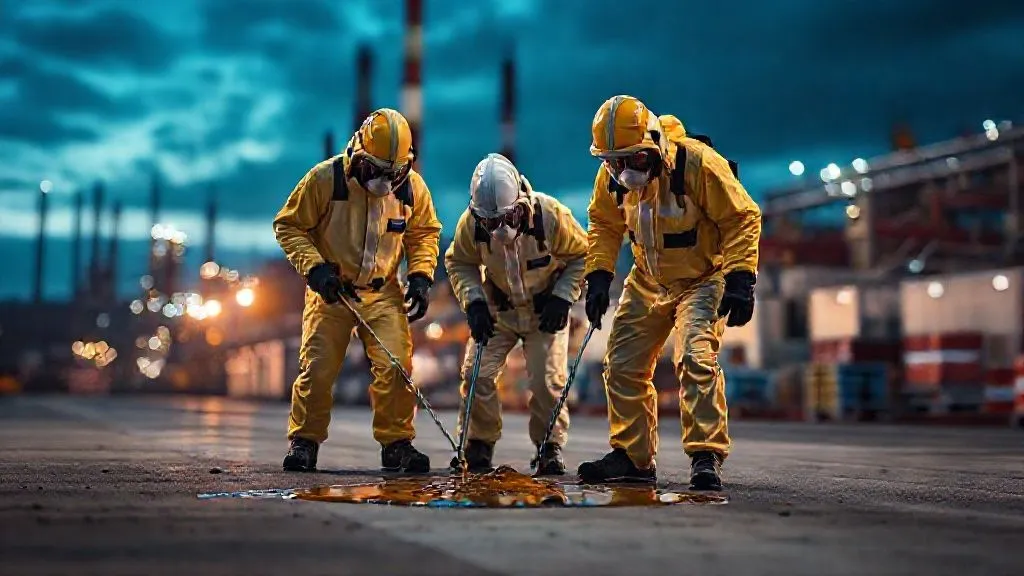
What to do when an unexpected environmental spill occurs?
For over two decades in environmental law and compliance, I've witnessed firsthand the profound impact an unexpected environmental spill can have on a business. It's not just about the immediate mess; it's about the safety of your team, the health of the surrounding environment, and the very survival of your enterprise in the face of stringent regulations and potential legal action. I've seen companies, both large and small, falter not because they were malicious, but because they were unprepared, reacting in panic rather than with a clear, strategic plan.
The moment a spill occurs, a clock starts ticking – a countdown to potential fines, reputational damage, and even criminal charges. The sheer volume of regulations, from federal agencies like the EPA and OSHA to state and local authorities, can be overwhelming. Many businesses find themselves paralyzed, unsure of the first step, leading to critical delays that exacerbate the problem, increase cleanup costs, and invite harsher penalties. The pain point is clear: a lack of immediate, actionable guidance in a high-stakes, high-pressure situation.
This article is designed to be your definitive guide, born from years of navigating complex spill scenarios and compliance challenges. I will walk you through the essential, actionable steps you must take when an unexpected environmental spill occurs. From immediate containment and safety protocols to navigating the labyrinth of reporting requirements, effective cleanup, and crucial post-incident reviews, you'll gain not just theoretical knowledge, but a practical framework, real-world insights, and strategies to mitigate risks, ensure compliance, and protect your business's future.
The Immediate Aftermath: Prioritizing Safety and Containment
When an environmental spill occurs, the very first priority, above all else, must be the safety of personnel and the public. In my experience, even a small delay in securing the area can turn a manageable incident into a catastrophe. This initial phase is about rapid assessment and decisive action to prevent harm and limit the spread of contaminants.
1. Ensure Personnel Safety and Evacuation
Before anything else, confirm that all personnel are safe. If the spill involves hazardous materials, initiate immediate evacuation of the affected area and establish a safe perimeter. Ensure that only properly trained and equipped individuals approach the spill. This often means donning appropriate Personal Protective Equipment (PPE) like respirators, gloves, and protective suits. I’ve seen situations where well-meaning but untrained employees attempted to clean up a spill without proper gear, leading to injuries or further contamination. For comprehensive guidelines on workplace safety during hazardous incidents, refer to OSHA's Emergency Preparedness and Response resources.
2. Identify the Spill Source and Material
Rapidly identify what has spilled and where it's coming from. This information is crucial for determining the appropriate response. Is it oil, chemicals, wastewater, or something else? Knowing the material's properties (flammable, corrosive, toxic, etc.) dictates the next steps. Consult Safety Data Sheets (SDS) if available, as they provide vital information on hazards and first aid measures. Time is of the essence here; the faster you understand the substance, the more effectively you can respond.
3. Contain the Spill to Prevent Spreading
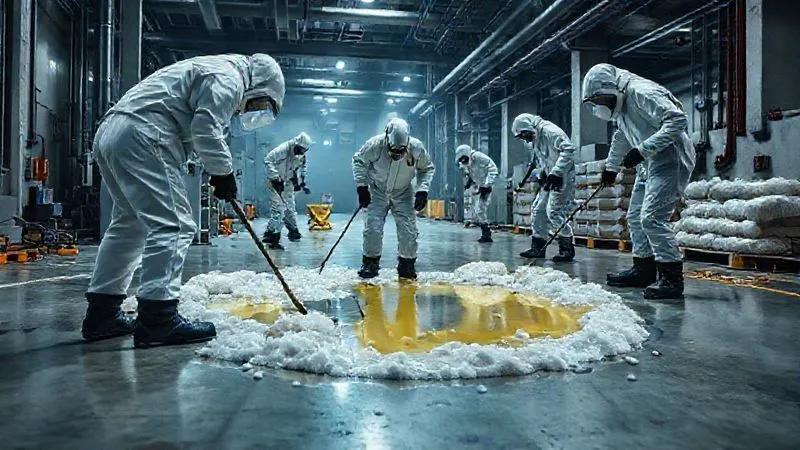
Once safety is assured and the material identified, the next critical step is containment. The goal is to prevent the spill from spreading, especially into drains, waterways, or soil. Utilize your emergency spill kit. This typically includes items like:
- Absorbent socks or booms: To encircle and contain liquids.
- Pads or pillows: For soaking up spilled material.
- Drain covers: To block entry to storm drains.
- Non-sparking tools: If flammables are involved.
- Appropriate containers: For temporary storage of contaminated materials.
I always emphasize that a well-stocked and easily accessible spill kit is an investment, not an expense. It's your first line of defense when an unexpected environmental spill occurs. Remember, containment is about limiting the damage, buying you time for a more comprehensive response.
Understanding Your Legal Obligations: Reporting and Notification
Once the immediate safety and containment actions are underway, the very next critical step is to understand and fulfill your legal reporting obligations. This is where many companies stumble, often due to a lack of awareness regarding the complex web of federal, state, and local regulations. Failing to report promptly and accurately can lead to severe penalties, regardless of the spill's size or impact.
1. Federal Reporting Requirements
Several federal laws mandate spill reporting, primarily depending on the type and quantity of material spilled. Key agencies include the Environmental Protection Agency (EPA) and the U.S. Coast Guard. The Comprehensive Environmental Response, Compensation, and Liability Act (CERCLA), often known as Superfund, requires reporting releases of hazardous substances above specific "reportable quantities." Similarly, the Clean Water Act (CWA) mandates reporting oil spills that may reach navigable waters. For spills posing an immediate threat to life or health, the National Response Center (NRC) is typically the first point of contact.
"In the environmental compliance world, ignorance of the law is never an excuse. A delayed or omitted report can escalate a minor incident into a major legal battle."
2. State and Local Notification Protocols
Beyond federal requirements, every state, and often local municipalities, have their own specific reporting thresholds and procedures. These can vary significantly, covering a wider range of substances or lower reportable quantities than federal laws. For instance, a state environmental protection agency might require reporting a spill of a certain chemical even if it falls below the federal CERCLA threshold. It is absolutely crucial to have a clear understanding of your specific state and local emergency response plans and contact numbers before an incident occurs.
I advise clients to maintain an up-to-date contact list for all relevant agencies, including:
- State Environmental Protection Agency (e.g., Department of Environmental Quality, EPA equivalent)
- State Emergency Management Agency
- Local Fire Department / Hazmat Team
- Local Health Department
- Potentially, local water or public works departments
The timelines for these reports are often very tight, sometimes within minutes or hours of discovery. Always err on the side of over-reporting rather than under-reporting, and always document every communication.
3. Navigating Reporting Timelines and Information
When reporting, be prepared to provide as much accurate information as possible. This typically includes:
- Date and Time of Spill: When was it discovered?
- Location of Spill: Precise address and description.
- Material Spilled: Name, quantity, and any known hazards.
- Source of Spill: What caused it (e.g., ruptured tank, overturned vehicle)?
- Environmental Impact: Are waterways, soil, or air affected?
- Actions Taken: What containment and cleanup efforts are underway?
- Injuries/Fatalities: Any personnel or public harm.
- Contact Person: Name and number of the reporting individual.
According to a recent study by the Environmental Law Institute, a significant portion of spill-related fines stems from reporting failures, not just the spill itself. This underscores the critical importance of a robust internal reporting protocol.
| Jurisdiction | Primary Trigger | Reportable Quantity | Reporting Timeline |
|---|---|---|---|
| Federal (NRC) | Hazardous substance release (CERCLA), Oil spill (CWA) | Specific RQs per substance | Immediately upon knowledge |
| State Environmental Agency | Varies by state (e.g., chemical, petroleum) | Often lower than federal, state-specific | Immediately to within hours |
| Local Emergency Services | Any hazardous material spill, fire/explosion risk | Any quantity posing risk | Immediately (911) |
Effective Spill Response: Activation and Execution
A well-prepared and effectively executed spill response plan is your company’s best defense. It transforms chaos into controlled action, significantly reducing environmental harm, financial penalties, and reputational damage. My years in environmental law have repeatedly shown that companies with a living, breathing Emergency Response Plan (ERP) fare far better than those relying on ad-hoc decisions.
1. Activate Your Emergency Response Plan (ERP)
Every facility that stores or handles hazardous materials should have a comprehensive ERP. This isn't just a binder on a shelf; it's a dynamic document that outlines roles, responsibilities, communication protocols, and specific actions for various spill scenarios. When an unexpected environmental spill occurs, the first step after initial safety and containment is to activate this plan. This means:
- Designate an Incident Commander: One person should be in charge, coordinating all efforts.
- Mobilize Your Spill Response Team: These are trained employees equipped to handle spills.
- Establish a Command Center: A designated area for communication and coordination.
- Initiate Communication Tree: Notify internal stakeholders and external agencies as per your plan.
Regular drills and training are paramount. A plan is only as good as the team's ability to execute it under pressure. I often advise clients to conduct surprise drills to test their ERP's efficacy.
2. Deploy Spill Kits and Specialized Equipment
As mentioned, initial containment relies on readily available spill kits. However, larger or more complex spills may require specialized equipment. This could include:
- Heavy machinery: For excavation of contaminated soil.
- Vacuum trucks: For liquid recovery.
- Booms and skimmers: For spills on water bodies.
- Personal Protective Equipment (PPE): Higher levels of protection for advanced response.
Ensure that all equipment is regularly inspected and maintained. There's nothing worse than discovering a critical piece of equipment is non-functional during an actual emergency.
3. Engage Qualified Environmental Contractors
Unless your company has extensive in-house capabilities and certified personnel for large-scale hazardous waste cleanup, it is almost always advisable, and often legally required, to engage qualified environmental contractors. These specialists have the expertise, equipment, and certifications to safely and effectively manage the cleanup and disposal of spilled materials. They are also familiar with regulatory requirements for waste characterization and disposal. I recommend establishing relationships with such contractors before an emergency arises, ensuring you have vetted partners ready to respond.
Documentation is King: Building Your Defense
In the aftermath of an environmental spill, meticulous documentation is not merely a best practice; it is your strongest defense against potential legal challenges, regulatory fines, and liability claims. When an unexpected environmental spill occurs, every action, observation, and communication must be recorded. This comprehensive record provides transparency, demonstrates due diligence, and can significantly influence the outcome of any enforcement action or litigation.
1. Maintain a Detailed Incident Log
From the moment the spill is discovered, a chronological, detailed incident log should be maintained. This log should be a living document, updated continuously throughout the response and cleanup phases. Key entries should include:
- Discovery: Date, time, and by whom.
- Initial Actions: Safety measures, containment efforts, who was involved.
- Notifications: Date, time, agency contacted, contact person, what was reported.
- Observations: Spill size, material, environmental impact, weather conditions.
- Resource Deployment: Equipment used, personnel involved, contractor details.
- Communications: All internal and external communications, including meeting minutes.
- Waste Management: Quantities of contaminated material, disposal methods, manifests.
- Costs Incurred: All expenses related to response and cleanup.
This log serves as the backbone of your defense, providing a clear, objective narrative of events.
2. Photographic and Video Evidence
Visual evidence is incredibly powerful. As soon as it is safe to do so, begin taking photographs and videos of the spill area. Document:
- The spill's initial extent and characteristics.
- Containment efforts and equipment deployment.
- Affected environmental media (soil, water, vegetation).
- Cleanup activities in progress.
- The remediated area after cleanup.
- Any potential sources or causes (e.g., damaged equipment).
Ensure photos are timestamped and accompanied by brief descriptions. This visual record provides irrefutable proof of your actions and the incident's progression.

3. Witness Statements and Interviews
Interview all personnel who witnessed the spill, were involved in the initial response, or have relevant information. Document their statements promptly while memories are fresh. These statements can provide crucial details about the incident's cause, timeline, and initial impacts. However, be mindful of legal privilege; it's often best for these interviews to be conducted under the guidance of legal counsel to protect them from discovery in potential litigation.
Remediation and Restoration: Beyond the Initial Cleanup
The immediate containment and cleanup of a spill are just the beginning. True environmental compliance and responsibility extend to full remediation and restoration of the affected area. This phase requires scientific expertise, careful planning, and often, long-term commitment. In my professional capacity, I’ve seen that regulators are far more lenient with companies that demonstrate a genuine commitment to full environmental recovery.
1. Professional Cleanup and Waste Management
Once the bulk of the spilled material is contained, professional environmental contractors will implement more thorough cleanup techniques. This might involve:
- Soil excavation: Removing contaminated soil for off-site treatment or disposal.
- Groundwater treatment: Pumping and treating contaminated groundwater.
- Bioremediation: Using microorganisms to break down contaminants.
- Air sparging/Soil vapor extraction: For volatile contaminants in soil and groundwater.
All contaminated waste (soil, water, absorbents, PPE) must be properly characterized, packaged, transported, and disposed of according to federal and state hazardous waste regulations (e.g., RCRA). Improper waste management can lead to additional severe penalties.
2. Environmental Site Assessment and Sampling
To confirm the effectiveness of the cleanup, and to determine if further action is needed, environmental site assessments (ESAs) are crucial. This involves collecting soil, water, and sometimes air samples from the affected area and sending them to an accredited laboratory for analysis. The results will indicate if contaminant levels have returned to acceptable regulatory standards or background levels. This scientific validation is essential for demonstrating successful remediation to regulatory agencies.
3. Long-Term Monitoring and Restoration
For significant spills, particularly those affecting groundwater or sensitive ecosystems, long-term monitoring may be required. This involves periodic sampling and analysis to ensure that residual contamination is not migrating or re-emerging. Furthermore, restoration efforts may be necessary to return the affected ecosystem to its pre-spill condition. This could include replanting vegetation, restoring wetlands, or re-establishing wildlife habitats. A genuine commitment to restoration showcases a company’s environmental stewardship and can significantly improve its standing with regulators and the public.
Navigating Penalties and Legal Recourse
Even with the most diligent response, an environmental spill often triggers regulatory scrutiny, and potentially, legal action. Understanding the landscape of potential penalties and legal recourse is vital for developing an effective defense strategy. When an unexpected environmental spill occurs, the legal ramifications can range from administrative fines to criminal charges, impacting both the company and individuals.
1. Administrative Fines and Penalties
Regulatory agencies like the EPA and state environmental departments have the authority to impose significant administrative fines for violations of environmental laws. These fines are often calculated based on factors such as:
- Severity of the violation: The extent of environmental harm.
- Duration of the violation: How long the non-compliance continued.
- Economic benefit: Any financial gain from non-compliance.
- Culpability: Whether the violation was negligent, reckless, or intentional.
- Compliance history: Previous violations.
- Ability to pay: The company's financial standing.
These fines can quickly escalate into hundreds of thousands or even millions of dollars, especially for major spills or repeat offenders. Prompt and cooperative response, strong documentation, and a willingness to quickly remediate can often lead to reduced penalties.
The EPA's enforcement policies provide valuable insights into how such penalties are determined and what factors can mitigate them.
2. Civil Liabilities and Lawsuits
Beyond administrative fines, companies can face civil lawsuits from various parties:
- Government agencies: For natural resource damages (NRD) or cost recovery for cleanup efforts.
- Private citizens: Property owners whose land or water was contaminated, individuals suffering health impacts, or businesses losing revenue due to the spill.
- Environmental groups: Seeking injunctive relief or damages for environmental harm.
These civil cases can result in substantial monetary judgments, including compensation for damages, medical costs, lost profits, and even punitive damages. Legal counsel specializing in environmental litigation is indispensable at this stage to build a robust defense and negotiate settlements.
3. Potential Criminal Charges
In the most egregious cases, particularly where there is evidence of knowing violation of environmental laws, gross negligence, or intentional concealment, individuals and corporate officers can face criminal charges. This could lead to significant prison sentences and massive fines. As the U.S. Department of Justice emphasizes, environmental crimes are serious offenses. This is why immediate, transparent, and legally guided action is paramount when an unexpected environmental spill occurs.
Post-Incident Review: Preventing Future Occurrences
A spill incident, while undesirable, offers a critical opportunity for learning and improvement. A thorough post-incident review is not just a formality; it's a strategic imperative for enhancing your environmental management system and preventing future occurrences. In my experience, companies that embrace this learning mindset emerge stronger and more resilient.
1. Conduct a Root Cause Analysis (RCA)
The goal of an RCA is to move beyond superficial symptoms and identify the fundamental reasons why the spill occurred. This involves asking "why" repeatedly. Was it equipment failure, human error, inadequate training, poor maintenance, flawed procedures, or a combination? Tools like the "5 Whys" or "Fishbone Diagrams" can be highly effective. For example:
- Why did the tank overflow? (Because the level sensor failed.)
- Why did the level sensor fail? (Because it wasn't calibrated.)
- Why wasn't it calibrated? (Because the maintenance schedule was missed.)
- Why was the maintenance schedule missed? (Because there's no automated reminder system.)
- Why is there no automated reminder system? (Because it wasn't deemed a priority in budget allocation.)
Understanding the root cause allows you to implement targeted, effective corrective actions rather than just patching symptoms.
2. Update Emergency Response Plans (ERP) and Procedures
The insights gained from the RCA and the actual spill response should immediately feed back into your ERP and operational procedures. Update the plan to reflect lessons learned, addressing any identified gaps or weaknesses. This could involve:
- Revising communication protocols.
- Adding new equipment to spill kits.
- Modifying operational procedures to prevent recurrence.
- Updating contact lists for agencies and contractors.
Your ERP should be a living document, constantly refined and improved based on experience.
3. Enhance Employee Training and Awareness
Human error is a significant factor in many spills. A post-incident review should assess the adequacy of existing training programs. Were employees aware of the risks? Did they know the correct procedures? Were they trained on spill response? Implement enhanced training programs, focusing on the specific areas identified as deficient. This includes regular refreshers, hands-on drills, and clear communication of any updated procedures. A well-informed and trained workforce is your first line of defense against future incidents.

Case Study: How a Proactive Response Saved 'Eco-Tech Solutions' Millions
The Challenge: A Major Chemical Leak
Eco-Tech Solutions, a mid-sized chemical manufacturer, faced a nightmare scenario: a rupture in an aging underground pipeline led to a significant leak of a proprietary solvent. The spill threatened a nearby wetland, a crucial habitat for endangered species, and had the potential for massive fines and reputational ruin. Initial estimates for cleanup and penalties hovered in the tens of millions.
The Proactive Response: Speed, Compliance, and Collaboration
What set Eco-Tech apart was their preparedness. They had invested in a robust ERP, conducted regular drills, and had a pre-vetted environmental response contractor on retainer. The moment the leak was detected by automated sensors, their trained response team immediately:
- Secured the area: Rapidly contained the spill using pre-positioned booms and absorbent materials.
- Notified agencies: Within minutes, federal, state, and local authorities were informed, providing all available details.
- Activated contractors: Their environmental cleanup team was on-site within hours, initiating advanced recovery and remediation techniques.
- Documented everything: Every step, every communication, every sample taken was meticulously logged and photographed.
Crucially, Eco-Tech maintained open and transparent communication with all regulatory agencies, demonstrating a genuine commitment to environmental protection.
The Outcome: Reduced Penalties and Enhanced Reputation
While the cleanup was extensive and costly, Eco-Tech's proactive and compliant response significantly mitigated the financial and reputational damage. Due to their immediate reporting, effective containment, and full cooperation with regulators, the EPA and state agencies acknowledged their exemplary efforts. Instead of the multi-million dollar fines initially projected, Eco-Tech received a substantially reduced penalty, primarily for the aging infrastructure that caused the leak, not for a botched response.
Furthermore, their transparent communication and genuine efforts to restore the wetland earned them praise from local environmental groups and helped preserve their community standing. This case is a powerful testament to the value of preparedness and prompt, compliant action when an unexpected environmental spill occurs. It underscores that while spills can happen, the response defines the outcome.
Frequently Asked Questions (FAQ)
Q: What are the biggest mistakes companies make when an environmental spill occurs? The most common mistakes I've observed are delayed reporting, inadequate initial containment, lack of proper documentation, and failing to engage qualified environmental professionals early on. These errors often compound the problem, increasing costs and legal exposure significantly.
Q: How can I prepare my small business for a potential environmental spill without a huge budget? Even with a limited budget, focus on the essentials: develop a basic, clear ERP tailored to your specific materials; train a core team on initial response; invest in readily accessible spill kits; and identify key emergency contacts (fire department, state environmental agency) beforehand. Proactive planning is more cost-effective than reactive crisis management.
Q: What is the role of an environmental lawyer immediately after a spill? An environmental lawyer plays a critical role in guiding your response to ensure legal compliance, protect against liability, and manage communications with regulatory agencies. They can help interpret complex regulations, advise on reporting requirements, assist with documentation, and defend against potential enforcement actions. Engaging counsel early can help preserve legal privileges and strategize your defense effectively.
Q: Will my insurance cover environmental spill cleanup costs and liabilities? It depends heavily on your specific insurance policies. Standard General Liability policies often exclude pollution incidents. You typically need specialized Environmental Impairment Liability (EIL) or Pollution Legal Liability (PLL) insurance to cover cleanup costs, third-party bodily injury, and property damage from pollution events. Review your policies carefully with your broker and legal counsel BEFORE an incident occurs to understand your coverage gaps.
Q: How long does the regulatory scrutiny last after a spill? The duration of regulatory scrutiny varies greatly depending on the spill's severity, the contaminants involved, the effectiveness of cleanup, and the specific agencies involved. For minor spills, it might be a few weeks to months. For significant contamination, especially involving groundwater, it could extend for years, requiring ongoing monitoring and reporting until closure is granted by the relevant authorities. A thorough and compliant response can often expedite the closure process.
Key Takeaways and Final Thoughts
Navigating an unexpected environmental spill is undoubtedly one of the most challenging situations a business can face. Yet, as an expert who has guided countless organizations through these crises, I can confidently say that preparedness, swift action, and unwavering commitment to compliance are your most powerful assets. This isn't just about avoiding penalties; it's about protecting your people, your planet, and your prosperity.
- Prioritize Safety First: Always ensure personnel safety and initiate immediate containment.
- Know Your Reporting Requirements: Understand and adhere to federal, state, and local notification timelines.
- Activate Your ERP: A well-drilled Emergency Response Plan is your blueprint for effective action.
- Document Everything: Meticulous records are your strongest defense in any legal or regulatory challenge.
- Remediate Thoroughly: Commit to professional cleanup, environmental assessment, and long-term restoration.
- Learn and Improve: Conduct root cause analysis and update your plans to prevent recurrence.
Remember, an unexpected environmental spill is a test of your organization's resilience and responsibility. By implementing these expert-driven strategies, you're not just reacting to a crisis; you're building a more robust, compliant, and environmentally conscious operation. Stay vigilant, stay prepared, and empower your team to act decisively. The future of your business, and the health of our environment, depends on it.
Recommended Reading
- 5 Accelerated Strategies: Resolving Cross-Border Patent Disputes Swiftly
- 7 Proven Strategies to Mitigate Sentencing for First-Time Federal Fraud
- Unjust Funding? How to Legally Challenge State Education Inequities
- Unveiling What Happens at a Personal Injury Deposition: Your Ultimate Guide
- 7 Proven Strategies: How to Prevent Critical Trade Secret Loss from Departing Employees





Comments
Leave a comment below. Your email will not be published. Required fields marked with *