


What to Do When Federal FOIA Exemptions Are Misapplied?
For over two decades in administrative law, I've witnessed firsthand the frustration and often despair when individuals and organizations face a federal agency's misapplication of Freedom of Information Act (FOIA) exemptions. It's a common hurdle, and one that can feel insurmountable when you're up against the vast resources of the government.
The core promise of FOIA is government transparency, yet often, this promise is obscured by overly broad or incorrect claims of exemption. Agencies, whether intentionally or due to internal misunderstandings, sometimes wield these exemptions like a shield, denying access to information that should rightfully be public.
This article isn't just about understanding the law; it's about empowering you with a clear, actionable framework to challenge these misapplications. I'll share expert insights, practical steps, and strategies I've honed over years, ensuring you're equipped to fight for the information you're entitled to.
Understanding the Landscape: FOIA Exemptions and Their Misuse
Before we delve into strategies, it's crucial to grasp the nine statutory exemptions under 5 U.S.C. § 552(b). These exemptions are designed to protect specific types of sensitive information, such as national security, trade secrets, or personal privacy. However, the interpretation and application of these exemptions are where problems often arise.
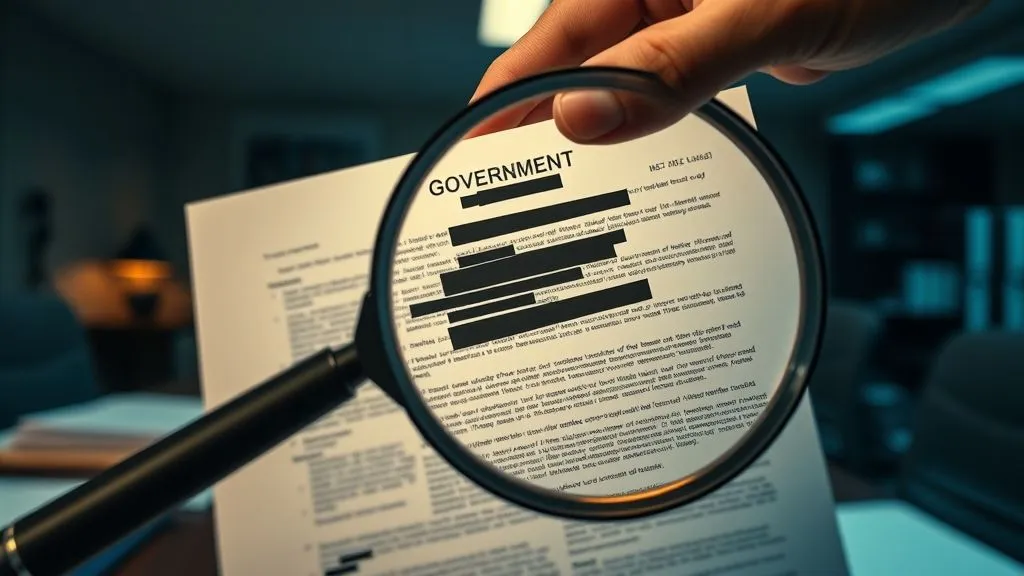
Agencies frequently misapply exemptions by: over-redacting documents, claiming an entire document is exempt when only a portion should be; using boilerplate language without specific justification; or interpreting exemptions too broadly, extending them beyond their intended scope. Identifying these patterns is the first step in building a strong challenge.
Step 1: Meticulously Review the Agency's Response and Exemption Claims
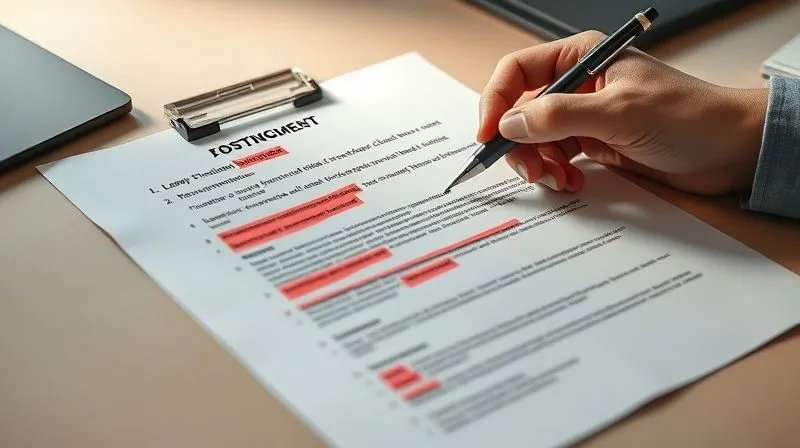
When an agency denies your FOIA request, they are legally required to provide a specific explanation for each exemption claimed. Your first, and arguably most critical, step is to dissect this response. Don't just skim it; read every word, cross-referencing it with the original request.
- Identify the specific exemptions cited: Note down which of the nine FOIA exemptions (e.g., Exemption 2, Exemption 5, Exemption 7) the agency has invoked.
- Analyze the agency's justification: Does the agency provide a detailed, factual explanation for *why* each exemption applies to *each specific piece* of withheld information? Or is it a generic, one-size-fits-all statement?
- Compare with your request: Ensure the agency correctly understood the scope of your request. Sometimes, misapplication stems from a misunderstanding of what you were asking for.
- Look for segregability: FOIA mandates that agencies must release any reasonably segregable portion of a record after exempt material has been deleted. Did the agency make a good faith effort to release non-exempt portions, or did they withhold entire documents?
"The foundation of any successful FOIA appeal lies in a thorough, almost forensic, examination of the initial denial. Every word matters, every claimed exemption must be scrutinized against the letter and spirit of the law."
Step 2: Craft a Robust Administrative Appeal
Once you've identified the weaknesses in the agency's denial, the next step is to file an administrative appeal. This is a crucial internal review process within the agency itself, and it's your opportunity to present your case before resorting to litigation. I've seen many cases resolved at this stage because a well-argued appeal can prompt the agency to reconsider.
- Timeliness is paramount: Most agencies require appeals to be filed within a specific timeframe, typically 90 days from the date of the denial letter. Miss this deadline, and you might lose your right to appeal.
- Address each claimed exemption specifically: For each exemption the agency cited, articulate why you believe it was misapplied. For instance, if Exemption 5 (deliberative process privilege) was invoked, argue why the information is purely factual, not pre-decisional, or not part of an agency's policy formulation.
- Reference relevant case law and guidance: Bolster your arguments by citing relevant court decisions (e.g., Supreme Court or D.C. Circuit cases) or Department of Justice (DOJ) FOIA guidance. This demonstrates your expertise and strengthens your position.
- Request a segregability analysis: Even if you concede some information might be exempt, re-emphasize the agency's duty to release all non-exempt portions.
- Be clear and concise: While thoroughness is key, present your arguments logically and without unnecessary jargon.
Case Study: Challenging a Blanket Exemption 7(A) Claim
A client, a journalist investigating federal procurement fraud, received a FOIA denial citing Exemption 7(A) for all requested documents, claiming it would interfere with an ongoing investigation. My client knew the investigation was largely dormant. By meticulously detailing the age of the records, public statements by officials suggesting the investigation's conclusion, and citing case law on the temporal limits of 7(A), we filed a strong administrative appeal. The agency, upon review, released a significant portion of the documents, acknowledging their initial blanket application was overly broad. This resulted in crucial evidence for the journalist's story.
Step 3: Consider Informal Negotiation or Alternative Dispute Resolution (ADR)
While the administrative appeal is formal, sometimes a direct conversation can expedite resolution. After filing your appeal, or even before, you might consider reaching out to the agency's FOIA Public Liaison or the Office of Government Information Services (OGIS).
- FOIA Public Liaisons: Each agency has a FOIA Public Liaison who can assist requesters in resolving disputes. They can act as an intermediary and help clarify misunderstandings.
- OGIS (Office of Government Information Services): OGIS, part of the National Archives and Records Administration, is a neutral ombudsman that mediates disputes between FOIA requesters and federal agencies. They don't have enforcement power but can offer recommendations and facilitate dialogue. Learn more about OGIS here.
These informal avenues can sometimes lead to a quicker resolution without the need for litigation. They are particularly useful when the misapplication seems to stem from a genuine misunderstanding rather than an intentional stonewalling.
Step 4: Exhaust Administrative Remedies Before Litigation
This step is less about action and more about patience and procedure. Before you can file a lawsuit in federal court, you generally must have 'exhausted your administrative remedies.' This means you've filed an administrative appeal, and the agency has either issued a final decision on your appeal, or the statutory timeframe for them to respond has expired (typically 20 business days, though extensions are common and often legitimate).
Skipping this step will almost certainly lead to your lawsuit being dismissed. The courts want to see that you've given the agency every opportunity to correct its own errors internally. According to a DOJ report on FOIA administration, a significant percentage of appeals are resolved at the administrative level, underscoring the importance of this stage.
Step 5: Prepare for Federal Court Litigation
If your administrative appeal is denied, or if the agency fails to respond within the statutory timeframe, you can then file a lawsuit in federal district court. This is where the stakes get higher, and having experienced legal counsel becomes almost essential.
The lawsuit is typically filed in the district where the records are maintained, where the requester resides, or in the District of Columbia. The court will conduct a de novo review of the agency's decision, meaning it will look at the case with fresh eyes, without deferring to the agency's prior judgment. The burden of proof is on the agency to demonstrate that the withheld records fall within a claimed exemption.

Step 6: Navigating the Litigation Process: Key Strategies
FOIA litigation involves several strategic considerations. My experience has shown that a proactive and well-informed approach significantly increases the chances of success.
- The "Vaughn Index": A critical tool in FOIA litigation is the "Vaughn Index." If the agency continues to withhold documents, the court will typically order them to produce a Vaughn Index. This is a detailed affidavit describing each withheld document or portion, the specific exemption claimed for it, and a justification for the claim. This index allows the court (and you) to assess the legitimacy of the agency's redactions without revealing the sensitive information itself.
- In Camera Review: In some cases, if the Vaughn Index is insufficient, the court may conduct an "in camera" review, where the judge personally examines the unredacted documents in private to determine if the exemptions were properly applied.
- Summary Judgment: Most FOIA cases are resolved through motions for summary judgment, where both parties argue that, based on the evidence (including the Vaughn Index), the court can rule in their favor without a full trial.
- Settlement Negotiations: Agencies often prefer to settle FOIA cases rather than go through protracted litigation. Be open to negotiations, which can sometimes lead to the release of more information or a compromise.
| Litigation Stage | Key Action | Goal |
|---|---|---|
| Administrative Appeal | Detailed written argument | Internal agency review, potential release |
| OGIS/Liaison | Mediation, informal discussion | Expedited resolution, clarification |
| Federal Court | Lawsuit, Vaughn Index, In Camera review | Judicial order for disclosure |
Step 7: Seeking Attorney's Fees and Litigation Costs
One powerful incentive for agencies to comply with FOIA, and for requesters to pursue litigation, is the provision for attorney's fees and litigation costs. If you substantially prevail in your lawsuit, the court may order the government to pay your reasonable attorney's fees and other litigation costs. This provision is designed to ensure that individuals are not deterred from challenging misapplied FOIA exemptions due to financial constraints.
To be eligible, you generally need to show that: 1) you substantially prevailed (e.g., the agency released records after you sued); 2) the government's withholding had no reasonable basis in law; and 3) the public interest warrants an award. This can be a significant factor, especially for non-profit organizations or individuals with limited resources.

Frequently Asked Questions (FAQ)
What if the agency claims an exemption but doesn't provide enough detail in their denial letter? This is a common issue. In your administrative appeal, specifically argue that the agency's justification is insufficient and violates their obligation to provide a detailed explanation. Refer to Department of Justice guidance which mandates specific, non-boilerplate justifications. If litigation ensues, the court may compel the agency to provide a more detailed Vaughn Index.
Can I appeal a FOIA denial to a higher authority outside the agency? Yes, after exhausting the agency's internal administrative appeal process, your next step is federal district court. Additionally, the Office of Government Information Services (OGIS) can provide mediation services, though they don't have enforcement power.
How long does the entire process, from request to potential litigation, typically take? Unfortunately, it can be a lengthy process. Initial agency responses can take weeks or months. Administrative appeals typically take 20 business days, but extensions are common. If litigation is necessary, it can take anywhere from six months to several years, depending on the complexity of the case and court docket. Patience and persistence are key.
Are there specific exemptions that are more commonly misapplied than others? In my experience, Exemption 5 (deliberative process privilege) and Exemption 7 (law enforcement records, particularly 7(A) for ongoing investigations and 7(C) for personal privacy) are frequently misapplied. Agencies often use them broadly, leading to disputes over what truly constitutes 'deliberative' information or what level of privacy interest outweighs the public interest.
What are the chances of winning a FOIA lawsuit against a federal agency? While no attorney can guarantee an outcome, many FOIA lawsuits result in requesters obtaining more information than initially released. The burden of proof is on the agency to justify its withholdings, and federal courts often scrutinize these claims carefully. Your chances significantly improve with a well-researched case and experienced legal representation.
Key Takeaways and Final Thoughts
- Scrutinize Every Detail: Your initial review of the agency's denial is the bedrock of your challenge.
- Master the Administrative Appeal: This is your best chance for an internal resolution; make it count.
- Don't Fear Litigation (But Be Prepared): Federal court is a powerful tool, but it requires thorough preparation and often legal expertise.
- Leverage All Resources: Utilize OGIS, Public Liaisons, and case law to bolster your position.
- Persistence Pays Off: Challenging federal agencies is rarely quick or easy, but the pursuit of transparency is a vital public service.
Challenging a federal agency's misapplication of FOIA exemptions can be a daunting endeavor, but it is a fight worth having for government transparency and accountability. I've seen countless individuals and organizations reclaim their right to information through diligent effort and strategic action. Remember, you have rights under FOIA, and with these steps, you are better equipped to assert them. Don't let misapplied exemptions stand in the way of the information you deserve.
Recommended Reading
- Quitting Your Job? The Truth About Losing Your Pension Revealed!
- 7 Steps to Overturn an Agency Decision: Your Guide to Effective Challenges
- Decoding Recent US Immigration Policy Changes: A Comprehensive Guide
- Unmasking the Legal Minefield: Essential TikTok Influencer Risks You Can't Ignore
- Expelling Special Ed Students: Legal Steps for Assault Incidents




Comments
Leave a comment below. Your email will not be published. Required fields marked with *