



Which Legal Bodies Require Immediate Notification After a Cyberattack?
For over 15 years in cyber law, I've witnessed firsthand the devastating aftermath when organizations, even well-intentioned ones, fumble their post-cyberattack legal notifications. It’s not just about technical recovery; it’s about navigating a labyrinth of legal obligations that, if mishandled, can amplify financial penalties, reputational damage, and even operational paralysis.
Many leaders mistakenly believe that once the technical breach is contained, their most pressing problems are over. However, the clock often starts ticking on legal notification requirements the moment a breach is discovered, and failing to meet these stringent deadlines can turn a bad situation into an irreversible catastrophe.
This article isn't just a list; it's a strategic roadmap. I'll walk you through the critical legal bodies you absolutely must notify, the timelines involved, and provide actionable frameworks, real-world insights, and a mini case study to ensure your organization is prepared to respond compliantly and effectively when the inevitable cyberattack occurs.
Understanding the "Immediate" Imperative: Why Timeliness is Non-Negotiable
In the realm of cybersecurity law, the word "immediate" doesn't always mean "within seconds," but it certainly implies a rapid, well-orchestrated response. The precise interpretation varies significantly by jurisdiction and specific regulation, but the underlying principle is universal: delays can be incredibly costly.
I've seen companies incur substantial fines not for the breach itself, but for the failure to notify the correct authorities within the stipulated timeframe. Beyond fines, delayed notifications can erode customer trust, invite more intense regulatory scrutiny, and even lead to class-action lawsuits. The legal definition of "discovery" often triggers these timelines, meaning the moment you *know* or *reasonably should have known* about an incident.
Expert Insight: "In cyber law, time is not just money; it's reputation, regulatory compliance, and potentially, your organization's future. Procrastination in notification is a direct path to compounded legal and financial woes."
Understanding this imperative is the first step toward building a robust incident response plan. It requires more than just IT expertise; it demands a deep understanding of legal obligations and a clear communication strategy.

The Global Landscape: Key Jurisdictions and Their Demands
The challenge for many multinational organizations is the sheer complexity of differing legal requirements across borders. What's compliant in one country might be a severe violation in another. This global patchwork necessitates a comprehensive understanding of major regulatory frameworks.
European Union: GDPR's Strict 72-Hour Rule
The General Data Protection Regulation (GDPR) is arguably one of the most stringent data protection laws globally. Article 33 mandates that organizations notify the relevant supervisory authority of a data breach "without undue delay and, where feasible, not later than 72 hours after becoming aware of it." This applies unless the breach is unlikely to result in a risk to the rights and freedoms of natural persons.
Furthermore, if the breach is likely to result in a *high* risk to the rights and freedoms of individuals, Article 34 requires direct notification to the affected data subjects "without undue delay." This dual notification requirement underscores the GDPR's focus on individual rights. For more detailed guidance, I often refer clients to the European Data Protection Board (EDPB) guidelines.
United States: A Patchwork of Federal and State Laws
Unlike the EU's unified GDPR, the U.S. regulatory landscape is a complex mix of federal and state-specific laws. There isn't a single overarching federal data breach notification law for all sectors.
- Federal Laws: These include sector-specific regulations like HIPAA (healthcare), GLBA (financial services), and newer directives like the Cyber Incident Reporting for Critical Infrastructure Act of 2022 (CIRCIA), which mandates reporting to CISA. The SEC also recently introduced rules for public companies to disclose material cybersecurity incidents within four business days.
- State Laws: All 50 U.S. states, the District of Columbia, Guam, Puerto Rico, and the Virgin Islands have their own data breach notification laws. These laws vary widely in their definitions of a "breach," notification triggers, timelines, and who must be notified (e.g., state Attorney General, affected individuals, credit reporting agencies). For instance, California's CCPA/CPRA has specific requirements for breaches involving personal information of California residents.
Navigating this requires meticulous legal counsel and a robust incident response plan that can adapt to multiple jurisdictions simultaneously.
Who to Notify: A Deep Dive into Specific Regulators
Identifying the correct legal bodies to notify is a critical step in your post-cyberattack response. This isn't a one-size-fits-all scenario; it depends heavily on the nature of the data compromised, the industries involved, and the geographical location of affected individuals.
Data Protection Authorities (DPAs) / Information Commissioners
These are the primary regulatory bodies for data privacy. If your organization processes personal data of EU citizens, the relevant DPA in the member state where your main establishment is located (or where the breach occurred) must be notified under GDPR. Similarly, for California residents, the California Attorney General's office and potentially the California Privacy Protection Agency (CPPA) are key.
Law Enforcement Agencies
In cases of criminal activity, such as ransomware attacks, theft of intellectual property, or espionage, notifying law enforcement is crucial. This typically includes the Federal Bureau of Investigation (FBI) in the U.S. and relevant national police forces (e.g., National Crime Agency in the UK). Early engagement can aid in investigation, potential recovery of assets, and prosecution of offenders. CISA (Cybersecurity and Infrastructure Security Agency) is also a key federal partner for critical infrastructure organizations in the U.S.
Sector-Specific Regulators
- Healthcare (HIPAA): If Protected Health Information (PHI) is compromised, the U.S. Department of Health and Human Services (HHS) Office for Civil Rights (OCR) must be notified.
- Financial Services (GLBA): Financial institutions, depending on their charter, must notify agencies like the Federal Deposit Insurance Corporation (FDIC), National Credit Union Administration (NCUA), Office of the Comptroller of the Currency (OCC), or the Consumer Financial Protection Bureau (CFPB).
- Public Companies (SEC): Publicly traded companies in the U.S. must now assess the materiality of cyber incidents and, if material, disclose them on Form 8-K within four business days.
State Attorneys General / Consumer Protection Agencies
As mentioned, virtually all U.S. states have their own breach notification laws. These often require notification to the state Attorney General's office, and sometimes to other consumer protection agencies or even credit reporting agencies, especially for breaches affecting a large number of residents.
| Regulator/Body | Scope | Trigger | Timeline |
|---|---|---|---|
| GDPR Supervisory Authority (EU) | Personal data of EU residents | Breach likely to result in risk to rights/freedoms | 72 hours of awareness |
| HHS OCR (US) | Protected Health Information (PHI) | Breach affecting 500+ individuals | 60 days of awareness (less for high-risk) |
| FBI / CISA (US) | Criminal cyber activity, critical infrastructure | Significant cyber incident, ransomware | Varies, often 'as soon as practicable' |
| State Attorneys General (US) | Personal data of state residents | Breach of unencrypted personal info | Varies by state (e.g., 30-45 days) |
| SEC (US) | Material cyber incidents for public companies | Determination of materiality | 4 business days of materiality determination |
Navigating the Notification Process: A Step-by-Step Guide
Effective notification isn't just about sending an email; it's a carefully orchestrated legal and operational process. Based on my experience, here's an actionable guide:
- Containment & Eradication: Before any notification, your primary technical objective must be to stop the bleeding. Isolate affected systems, eradicate the threat, and restore operations. This is often happening concurrently with legal assessments.
- Forensic Investigation: Engage a qualified cybersecurity forensics firm immediately. They will determine the scope, nature, and impact of the breach, including what data was compromised and who might be affected. This information is crucial for accurate legal notifications.
- Engage Legal Counsel: This is non-negotiable. Your legal team (internal or external) will interpret the applicable laws, advise on notification triggers and timelines, and help draft compliant communications. All incident response activities should ideally be conducted under legal privilege to protect sensitive information.
- Impact Assessment & Data Mapping: Based on forensic findings, precisely identify the types of data compromised (e.g., PII, PHI, financial), the number of individuals affected, and their geographical locations. This will dictate which laws apply.
- Draft Notification Statements: Work with legal and communications teams to draft accurate, transparent, and legally compliant notification letters for individuals and regulatory bodies. Avoid speculation and ensure all facts are verified.
- Execute Notifications: Once drafted and approved, send notifications via certified mail, email, or other legally acceptable methods, adhering strictly to required timelines. Document every step of this process meticulously.
- Post-Notification Actions: This includes offering credit monitoring, setting up call centers, and continuously monitoring for further threats or data misuse. Prepare for follow-up questions from regulators and affected individuals.
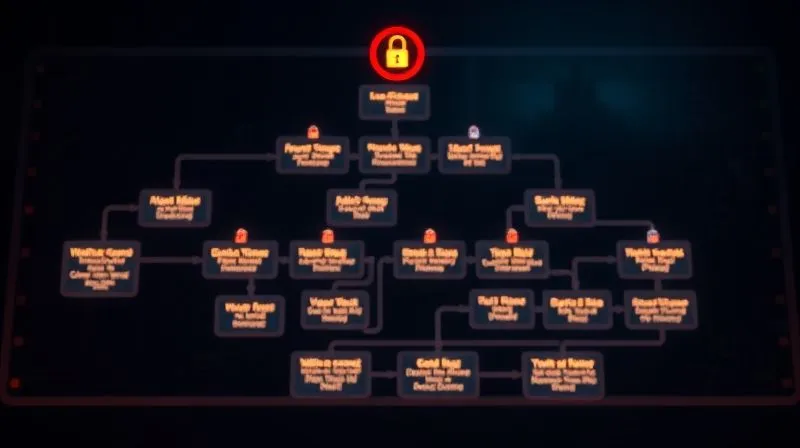
Case Study: The Ripple Effect of a Delayed Notification
Case Study: InnovateTech's Costly Delay
InnovateTech, a mid-sized SaaS provider, discovered unauthorized access to their customer database on a Friday afternoon. Their initial thought was to contain the breach over the weekend, hoping to resolve it before Monday morning, thereby avoiding immediate panic.
Their internal IT team, without immediate legal counsel, spent 72 hours trying to understand the full scope. By Monday, they realized over 500,000 customer records, including names, emails, and partial payment information, had been exfiltrated. Crucially, a significant portion of their customer base was in the EU.
By the time they engaged legal counsel on Monday, the GDPR's 72-hour notification window had already closed for their EU customers. The delay meant they were in immediate breach of Article 33. Furthermore, several U.S. state laws had much shorter notification windows than they initially assumed.
The consequences were severe: they faced a substantial fine from a European DPA for the delayed notification, separate from any fines for the breach itself. Their reputation took a massive hit, leading to a 20% churn rate in the following quarter. The incident became a public relations nightmare, exacerbated by the perception that they tried to conceal the breach. This resulted in significant legal costs, customer compensation, and a complete overhaul of their cybersecurity framework, all of which could have been mitigated by immediate legal engagement and timely notification.
Expert Insight: "A proactive, legally-informed incident response plan isn't a luxury; it's a fundamental pillar of modern business resilience. InnovateTech's experience underscores that the cost of delay far outweighs the cost of preparedness."
Beyond Compliance: Building a Resilient Cyber Incident Response Plan
While knowing which legal bodies require immediate notification after a cyberattack is paramount, true organizational resilience extends beyond mere compliance. It involves a holistic approach to cybersecurity that integrates legal, technical, and communication strategies.
I always advise clients that a robust Cyber Incident Response Plan (CIRP) should be a living document, reviewed and updated regularly. This plan must explicitly detail not only the technical steps for containment but also the legal triggers, notification protocols, and communication strategies for various stakeholders.
- Legal Review & Integration: Ensure your CIRP is reviewed by cyber law experts. They can identify gaps in compliance, particularly for multi-jurisdictional operations.
- Regular Training & Tabletop Exercises: Your incident response team, including legal and communications, should regularly participate in simulated cyberattack scenarios. This helps to identify weaknesses in your plan and ensures everyone understands their roles under pressure.
- Cyber Insurance: While not a substitute for robust security, comprehensive cyber insurance can mitigate some financial impacts, including legal fees and notification costs. However, review policies carefully, as some may have specific requirements for immediate notification to the insurer.
Ultimately, the goal is to transform a reactive scramble into a proactive, well-coordinated defense. This not only protects your organization legally but also safeguards your reputation and maintains stakeholder trust.

Emerging Trends and Future Challenges in Cyber Reporting
The landscape of cyber law is constantly evolving, driven by new technologies, sophisticated attack vectors, and a growing global awareness of data privacy. What is considered 'immediate' notification today might be even more stringent tomorrow.
We're seeing a trend towards greater harmonization in international data breach notification laws, though progress is slow. There's also increasing scrutiny on supply chain attacks, meaning organizations are not only responsible for their own breaches but also potentially for those occurring within their vendors. Artificial intelligence (AI) also poses new challenges, both in terms of sophisticated attack methods and the potential for AI-driven data processing to complicate breach assessments.
Staying abreast of these changes requires continuous education and proactive engagement with legal and cybersecurity experts. Organizations must anticipate future regulatory shifts and build flexible incident response frameworks that can adapt. For a broader perspective on future challenges, I recommend exploring insights from organizations like the World Economic Forum on global cybersecurity risks.

Frequently Asked Questions (FAQ)
Q: What if I'm unsure if an incident constitutes a "reportable" breach? A: This is a common dilemma. The best practice is to immediately engage legal counsel and your incident response team. Many regulations define a breach as an unauthorized acquisition, access, use, or disclosure of personal information. If there's any doubt, a rapid preliminary assessment is critical. Err on the side of caution and consult experts rather than making an uninformed decision that could lead to non-compliance.
Q: Can legal privilege protect my incident response communications? A: Yes, if managed correctly. By engaging external legal counsel at the outset of an incident, communications and work product generated under their direction can often fall under attorney-client privilege or attorney work product doctrine. This helps protect sensitive internal discussions and forensic findings from being discoverable in future litigation. Always involve legal counsel from the moment you suspect a breach.
Q: What are the typical penalties for non-compliance with notification laws? A: Penalties vary significantly by jurisdiction and the severity of the violation. Under GDPR, fines can reach up to €20 million or 4% of global annual turnover, whichever is higher. In the U.S., state attorneys general can impose fines per affected individual or per incident, and federal agencies like HHS OCR can levy substantial penalties for HIPAA violations. Beyond direct fines, there are also costs associated with reputational damage, legal fees, and potential class-action lawsuits.
Q: How do I manage multi-jurisdictional breaches affecting individuals in different countries/states? A: This is one of the most complex aspects of modern cyber incident response. It requires a sophisticated incident response plan that maps applicable laws to specific data types and geographic locations. You'll need to prioritize notifications based on the strictest timelines and ensure all communications are tailored to meet the specific requirements of each relevant jurisdiction. Consulting with legal experts specializing in international data privacy is essential.
Q: Should I notify customers before regulators? A: Generally, no. Most regulations prioritize notification to the relevant supervisory or regulatory authority first, often with a specific timeline that precedes individual notifications. Notifying customers before fully understanding the breach's scope and legal obligations, or before notifying regulators, can lead to confusion, misinformation, and additional legal complications. Always follow the legally mandated sequence and timing.
Key Takeaways and Final Thoughts
Navigating the legal aftermath of a cyberattack is a high-stakes endeavor that demands precision, speed, and expert guidance. The question of "Which legal bodies require immediate notification after a cyberattack?" is not just academic; it's a business-critical query that directly impacts your organization's legal standing, financial health, and public trust.
- Prioritize Legal Counsel: Engage cyber law experts immediately upon discovery of a potential breach.
- Understand Your Data: Know what personal data you hold, where it resides, and which jurisdictions it falls under.
- Build a Robust CIRP: Develop and regularly test an incident response plan that integrates legal notification requirements.
- Be Timely & Transparent: Adhere strictly to notification timelines and provide accurate, factual information.
- Stay Informed: The cyber legal landscape is dynamic; continuous learning and adaptation are crucial.
As an industry specialist, I can't stress enough that preparedness is your strongest defense. By understanding these critical legal obligations and integrating them into your cybersecurity strategy, you can transform a potential crisis into a manageable challenge, safeguarding your organization's future in an increasingly digital world.
Recommended Reading
- Critical Evidence at Risk? How to Secure Your Accident Scene Now
- 7 Immediate Legal Steps After a Toxic Spill: Avoid Severe Penalties
- Lack of Notice in Slip Fall? 4 Legal Strategies to Challenge Property Owners
- 7 Legal Strategies: Secure AI-Generated IP from Digital Theft
- 9 Steps: Correct Worker Misclassification Before an Audit Hits





Comments
Leave a comment below. Your email will not be published. Required fields marked with *