


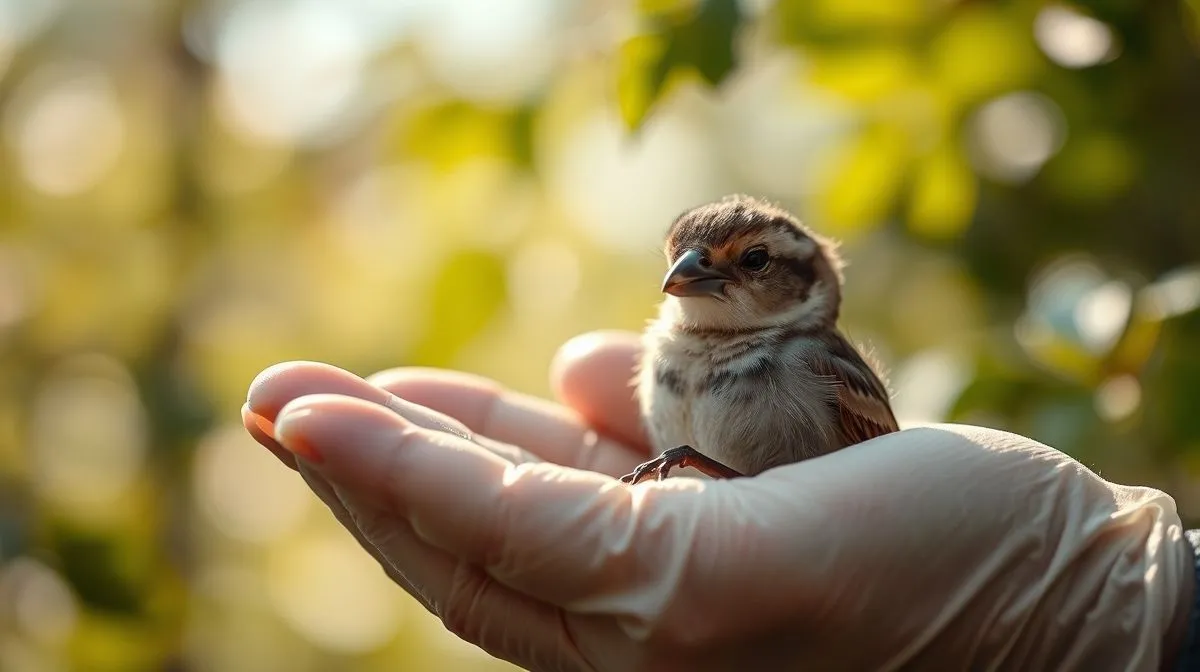
Understanding the Legal Landscape: Can I Legally Rehabilitate Injured Wild Animals?
Imagine stumbling upon a helpless, injured squirrel on your morning walk, or a disoriented bird after a storm. Your first instinct is likely to help, to scoop them up and bring them to safety. But what if that act of kindness, born from genuine compassion, inadvertently puts you on the wrong side of the law?
This common dilemma leads to a crucial question for many compassionate individuals: Can I legally rehabilitate injured wild animals? The desire to aid wildlife is noble, yet the legal and ethical landscape surrounding it is complex, often misunderstood, and varies significantly by location. Without proper knowledge, even well-intentioned actions can lead to legal penalties or, worse, unintended harm to the very animal you aim to help.
This comprehensive guide will demystify the regulations, outline the necessary steps, and empower you with the knowledge to act responsibly and effectively when encountering distressed wildlife. You'll learn about permits, best practices, and how to truly make a difference while ensuring both the animal's well-being and your compliance with the law.
The Rationale Behind Wildlife Rehabilitation Laws
At first glance, it might seem counterintuitive that helping an injured animal could be illegal. However, wildlife rehabilitation laws are not designed to hinder compassionate actions but rather to protect both animals and humans, and to maintain ecological balance. These regulations serve several critical purposes.
Firstly, they safeguard the animals themselves. Wild animals are not pets; they have specific dietary, environmental, and social needs that untrained individuals cannot meet. Improper care can lead to prolonged suffering, stress, or even death. Laws ensure that only individuals with specialized training, facilities, and knowledge handle these delicate creatures, maximizing their chances of successful recovery and release.
Secondly, these laws protect public health. Wild animals can carry zoonotic diseases, which are illnesses transmissible from animals to humans. Rabies, distemper, salmonella, and various parasites are just a few examples. Unregulated contact increases the risk of disease transmission to rescuers, their families, and pets. Licensed rehabilitators are trained in biosecurity protocols to mitigate these risks.
Finally, wildlife laws aim to preserve the wild nature of animals. Keeping wild animals in captivity, even temporarily, can lead to habituation – a loss of natural fear of humans. Habituation can be a death sentence for a wild animal once released, as it may approach humans for food, making it vulnerable to harm or necessitating its removal from the wild permanently. Rehabilitation seeks to return animals to their natural state, capable of independent survival.
Federal and State Regulations: Navigating the Legal Maze
Understanding the legal framework governing wildlife rehabilitation is paramount. In the United States, a dual system of federal and state laws dictates who can handle and care for wild animals. Ignorance of these laws is not a valid defense, making it crucial for anyone considering intervention to be well-informed.
The Migratory Bird Treaty Act and Its Implications
One of the most significant pieces of federal legislation is the Migratory Bird Treaty Act (MBTA) of 1918. This act makes it illegal to pursue, hunt, take, capture, kill, or sell migratory birds, their eggs, feathers, or nests without a permit. This includes many common bird species you might encounter, from robins and sparrows to raptors and waterfowl. Under the MBTA, it is strictly illegal for an unlicensed individual to possess a migratory bird, even if it is injured or orphaned, without federal authorization.
The U.S. Fish and Wildlife Service (USFWS) issues permits for wildlife rehabilitation, but these are typically granted only to qualified individuals or organizations with extensive experience and appropriate facilities. This federal oversight ensures that these protected species receive expert care and are not exploited or harmed by well-meaning but unqualified individuals.
State-Specific Licensing and Permit Requirements
Beyond federal laws, each state has its own set of regulations concerning native wildlife. These state laws often cover mammals, reptiles, amphibians, and non-migratory birds. To legally rehabilitate injured wild animals, you almost always need a state-issued license or permit, in addition to any federal permits for migratory birds.
Requirements for state permits vary widely but commonly include:
- Completion of specialized training courses in wildlife care.
- Apprenticeship with a licensed rehabilitator.
- Demonstration of adequate facilities for housing and caring for various species.
- Knowledge of zoonotic diseases and proper hygiene protocols.
- Passing written and practical examinations.
- Regular inspections of facilities by state wildlife agencies.
These stringent requirements are in place to ensure that individuals undertaking the complex task of wildlife rehabilitation are truly equipped to provide the best possible care, minimizing stress, preventing habituation, and maximizing the chances of successful release.
The Perils of Unlicensed Intervention: Why Professional Help is Crucial
While your heart may be in the right place, attempting to rehabilitate an injured wild animal without proper licensing can lead to severe negative consequences, both for you and for the animal. Understanding these risks underscores why professional intervention is not just recommended, but legally mandated.
Legal Ramifications and Penalties
As discussed, various federal and state laws prohibit the unlicensed possession of wild animals. Violations can range from significant fines to imprisonment, depending on the species involved and the severity of the infraction. For instance, possessing a migratory bird without a permit can result in substantial penalties under the MBTA. State laws often carry similar punishments for handling native mammals or other protected species. These legal consequences are a serious deterrent, highlighting that the answer to "Can I legally rehabilitate injured wild animals?" is generally "no" without a permit.
Health Hazards: Zoonotic Diseases and Public Safety
Perhaps one of the most immediate and dangerous risks of unlicensed rehabilitation is exposure to zoonotic diseases. Animals such as raccoons, bats, foxes, and skunks are common carriers of rabies, a fatal viral disease. Even a scratch or bite from an apparently healthy animal can transmit the virus. Other diseases like distemper, leptospirosis, salmonella, and various parasitic infections can also be transmitted from wildlife to humans or domestic pets.
Licensed rehabilitators are trained in proper handling techniques, personal protective equipment (PPE) use, and biosecurity measures to minimize these risks. They also ensure that animals are tested and vaccinated where appropriate, protecting both the animal and the public.
Compromising Animal Welfare: The Unintended Harm
The most tragic outcome of unlicensed intervention is often the suffering of the animal itself. Wild animals are incredibly sensitive to stress, and improper housing, diet, or handling can cause immense physiological and psychological harm. For example:
- Improper diet: Feeding an animal the wrong food can lead to digestive issues, nutritional deficiencies, and organ damage.
- Stress: Captivity, human presence, and unfamiliar environments can cause severe stress, suppressing the immune system and hindering recovery.
- Habituation: Prolonged human contact can cause an animal to lose its natural fear, making it vulnerable to predators, vehicles, or aggressive humans once released.
- Lack of specialized medical care: Many injuries require veterinary expertise, specialized medications, or surgical procedures that only licensed professionals can provide.
Without the specific knowledge and resources of a licensed rehabilitator, the chances of a successful and humane recovery are dramatically reduced, often leading to a prolonged death or a life sentence in captivity if the animal can never be released.
Your First Response: What to Do When You Find Injured Wildlife
Given the complexities and legalities, the best and safest course of action when you encounter an injured wild animal is not to attempt rehabilitation yourself. Instead, focus on immediate safety and connecting with the right professionals. Your compassionate instinct can still make a profound difference.
Safety First: Assessing the Situation Without Risk
Before doing anything, prioritize your own safety and the safety of others, including pets. Injured or frightened animals can be unpredictable and may bite, scratch, or transmit diseases. Observe the animal from a distance. Do not approach or attempt to touch it, especially if it's a mammal known to carry rabies (raccoons, bats, foxes, skunks) or a large, potentially dangerous animal like a deer or coyote.
Assess the situation: Is the animal truly injured or just stunned? Is it in immediate danger (e.g., in the middle of a road)? If it's a bird that has flown into a window, it might just need a quiet moment to recover before flying off. If it's a baby animal, its parents might be nearby, and intervention could do more harm than good.
Immediate Steps: Contacting a Licensed Rehabilitator
Once you've assessed the situation safely, the most crucial step is to contact a licensed wildlife rehabilitator. These professionals are trained, equipped, and legally authorized to handle injured and orphaned wildlife. You can find them through various resources:
- Your state's Department of Natural Resources (DNR) or Fish and Wildlife agency website often has a directory.
- Local humane societies or animal control agencies may have lists or be able to direct you.
- Online searches for "wildlife rehabilitator near me" or "injured animal rescue [your city/state]".
- The National Wildlife Rehabilitators Association (NWRA) or the International Wildlife Rehabilitation Council (IWRC) websites can provide directories.
Be prepared to provide details: the type of animal, its exact location, visible injuries, and any observed behavior. They will guide you on the next steps, which may involve you safely containing the animal for transport or waiting for them to arrive.
Temporary Care and Transport Guidelines
If instructed by a licensed rehabilitator to temporarily contain the animal for transport, follow their directions precisely. Generally, this involves:
- Using appropriate containment: A cardboard box with air holes is usually best for small animals. Line it with a soft cloth (like an old t-shirt, not terry cloth which can snag claws).
- Keeping it dark and quiet: This reduces stress. Do not handle the animal unnecessarily.
- No food or water: Unless specifically instructed by a rehabilitator, do not offer food or water. Improper feeding can cause severe digestive issues or aspiration.
- Maintaining temperature: Keep the animal warm, especially if it's a baby or appears to be in shock. A warm (not hot) water bottle wrapped in a towel placed outside the box can help.
- Minimizing contact: Avoid talking to or petting the animal. The goal is to keep it wild.
Transport the animal directly to the rehabilitator as soon as possible. Remember, this temporary containment is for the animal's safety during transport, not for home care or rehabilitation.
The Journey of Rehabilitation: What Licensed Professionals Do
Once an injured wild animal is in the hands of a licensed rehabilitator, it embarks on a specialized journey toward recovery and, hopefully, a return to the wild. This process is complex, demanding, and requires a unique blend of veterinary science, animal behavior knowledge, and dedication.
Specialized Care and Medical Treatment
The first step for any incoming animal is a thorough assessment. This includes identifying the species, estimating its age, determining the extent of its injuries, and checking for signs of disease or parasites. Rehabilitators work closely with veterinarians who specialize in wildlife medicine to diagnose and treat conditions that range from broken bones and internal injuries to infections and poisoning.
Treatment may involve:
- Surgical procedures to repair fractures or internal damage.
- Administering medications for pain, infection, or parasitic infestations.
- Specialized diets tailored to the animal's species, age, and health condition.
- Physical therapy to regain strength and mobility.
- Fluid therapy for dehydration.
The facilities of licensed rehabilitators are designed to mimic natural environments as much as possible while allowing for close monitoring and treatment. This often includes quiet, secluded enclosures that minimize human interaction.
Minimizing Human Imprinting and Habituation
A critical aspect of wildlife rehabilitation is preventing habituation and human imprinting. Imprinting occurs when a young animal forms a strong bond with a human caregiver, mistakenly identifying humans as its own species. Habituation is a general loss of fear of humans. Both are detrimental to an animal's ability to survive in the wild.
Rehabilitators employ various strategies to prevent this:
- Limited human contact: Interaction is kept to a minimum, only for essential feeding, cleaning, and medical treatment.
- Species-appropriate housing: Enclosures are designed to provide natural stimuli and hiding places.
- Cross-fostering: Orphaned young may be placed with surrogate parents of their own species if available.
- "No-touch" techniques: Using tools or wearing disguises (e.g., raptor masks) to avoid direct contact.
- Peer socialization: Housing young animals with others of their species to promote natural behaviors.
The goal is always to ensure the animal remains wild and wary of humans, a vital survival skill for release.
The Ultimate Goal: Successful Release Back into the Wild
The entire rehabilitation process is geared towards one primary objective: returning the animal to its natural habitat. Release is not simply about opening a cage door; it's a carefully planned event.
- Conditioning: Animals are often moved to larger outdoor enclosures to build strength, practice hunting/foraging skills, and acclimate to outdoor temperatures.
- Pre-release assessment: Rehabilitators evaluate whether the animal can hunt, find food and water, avoid predators, and interact appropriately with its own species.
- Site selection: The release site is chosen carefully, considering the animal's natural range, habitat availability, food sources, water, and absence of immediate threats.
- Soft release: Sometimes, a "soft release" is used, where the animal is initially released into an enclosure at the release site and gradually given more freedom, allowing it to acclimate to the specific environment.
A successful release means the animal is not only physically healthy but also behaviorally wild, capable of thriving independently. This is the ultimate measure of a rehabilitator's success, and it's why the question "Can I legally rehabilitate injured wild animals?" is answered by the need for professional, licensed care.
Common Misconceptions and Ethical Dilemmas
Wildlife rehabilitation often brings up complex ethical questions and is surrounded by common misconceptions. Addressing these helps foster a deeper understanding of responsible wildlife intervention.
Is it Okay to Help an Orphaned Animal?
A common scenario involves finding seemingly orphaned young animals. While the instinct to help is strong, it's crucial to first determine if the animal is truly an orphan. Many wild parents leave their young temporarily to forage for food, and intervention can inadvertently separate families. For example, baby bunnies are often left alone for hours, and fawns are left hidden while their mothers feed nearby. If you find a young animal, observe it from a distance for several hours before assuming it's orphaned. If it's in immediate danger or clearly injured, contact a rehabilitator. Otherwise, leaving it alone might be the best course of action. A good rule of thumb: if it's warm, quiet, and appears healthy, its parents are likely nearby.
When Euthanasia Becomes the Most Humane Option
One of the hardest decisions in wildlife rehabilitation is when euthanasia becomes necessary. While the goal is always release, sometimes an animal's injuries are too severe, or its condition is irreversible, preventing it from ever living a normal, wild life. In such cases, a licensed rehabilitator, often in consultation with a veterinarian, may determine that euthanasia is the most humane option to prevent prolonged suffering. This difficult decision is made with the animal's welfare as the absolute priority, acknowledging that a life of pain or permanent captivity is not a life lived wildly.
The Challenge of Non-Native and Invasive Species
Another ethical consideration involves non-native or invasive species. Laws and policies often dictate that these animals, even if injured, cannot be rehabilitated and released, as they can pose a threat to native ecosystems. For example, in many regions, species like European starlings, house sparrows, or certain types of turtles are not native and may outcompete native species for resources. Rehabilitators typically cannot return these animals to the wild, and euthanasia or placement in educational facilities may be the only options.
Beyond Direct Rescue: Supporting Wildlife Conservation
Even if you cannot legally rehabilitate injured wild animals yourself, there are numerous ways you can contribute to wildlife conservation and help protect the creatures you care about. Your passion can be channeled into impactful actions that go beyond individual rescues.
Volunteering and Financial Contributions
Licensed wildlife rehabilitation centers are often non-profit organizations that rely heavily on volunteers and donations. You can offer your time to assist with administrative tasks, facility maintenance, fundraising, or even basic animal care under strict supervision (e.g., cleaning enclosures, preparing food, but rarely direct handling of wild animals). Financial contributions are also vital, covering the costs of specialized food, medical supplies, facility upkeep, and utilities. Even small donations can make a significant difference in an animal's recovery journey.
Habitat Preservation and Environmental Advocacy
The greatest threat to wildlife worldwide is habitat loss and degradation. Supporting efforts to preserve and restore natural habitats is a powerful way to help animals. This can involve participating in local clean-up initiatives, planting native species in your yard, or advocating for policies that protect green spaces, wetlands, and forests. Educating yourself on local environmental issues and contacting your elected officials to express your support for conservation measures can contribute to larger systemic change.
Educating Your Community
One of the most effective ways to prevent wildlife injuries and promote responsible interactions is through education. Share the knowledge you've gained about the importance of licensed rehabilitators, the dangers of unlicensed intervention, and what to do when encountering wildlife. Teach children and adults about respecting wildlife, keeping pets leashed, and reducing human-wildlife conflicts. By spreading awareness, you help create a more informed and compassionate community that understands the best practices for coexisting with our wild neighbors.
Frequently Asked Questions (FAQ)
Is it always illegal to help an injured wild animal? No, it's not always illegal to help, but it is illegal to possess or rehabilitate most wild animals without proper state and/or federal permits. The legal way to "help" is to contact a licensed wildlife rehabilitator immediately.
What is the first thing I should do if I find an injured animal? Prioritize your safety by observing from a distance. Do not touch or approach. Then, immediately contact a licensed wildlife rehabilitator, your local animal control, or a state wildlife agency for guidance.
Can I keep a wild animal as a pet if I'm rehabilitating it? Absolutely not. It is illegal to keep most wild animals as pets, and rehabilitation is strictly for returning the animal to the wild. Keeping a wild animal as a pet can lead to severe legal penalties, health risks, and is detrimental to the animal's welfare.
How can I find a licensed rehabilitator near me? Check your state's Department of Natural Resources or Fish and Wildlife website, contact local animal shelters, or use online directories from organizations like the National Wildlife Rehabilitators Association (NWRA).
What are zoonotic diseases, and why are they a concern? Zoonotic diseases are illnesses that can be transmitted from animals to humans (e.g., rabies, salmonella). They are a significant concern because wild animals can carry them, and direct, unprotected contact can put you and your family at risk of infection. Licensed rehabilitators are trained to mitigate these risks.
Recommended Reading
- Unveiling the Power: What Are the Constitutional Limits on Executive Orders?
- How is Law Promoting Sustainable Development? The Ultimate Guide
- Unlock County Public Records Online: Your Ultimate Guide
- Unraveling the Legal Maze: What Are Legal Challenges to Global AI Governance?
- Sue Debt Collector Financial Services? Know Your Rights Now!
Conclusion
The desire to help an injured wild animal springs from a deep well of empathy, a truly admirable human trait. However, as we've explored, the question "Can I legally rehabilitate injured wild animals?" has a nuanced answer: typically no, not without specific, hard-earned licenses and permits. These regulations are not obstacles to compassion but rather safeguards, ensuring that wildlife receives the highest standard of care while protecting public health and preserving the animals' inherent wildness.
Your role as a compassionate citizen is vital. By knowing when and how to intervene safely, by connecting with licensed professionals, and by supporting their invaluable work, you become an essential part of the larger wildlife conservation effort. Remember, the most profound help you can offer an injured wild animal is to ensure it reaches the hands of those legally and expertly equipped to give it the best chance at a true second life back in the wild.




Comments
Leave a comment below. Your email will not be published. Required fields marked with *