


How to Challenge Breathalyzer Accuracy in a Repeat DUI Case?
For over two decades in criminal law, specifically defending against DUI charges, I've witnessed firsthand the profound impact a repeat DUI accusation can have on an individual's life. The stakes are incredibly high, and the legal landscape becomes far more complex with each subsequent offense.
The immediate challenge often revolves around the breathalyzer test. Many assume these devices are infallible, a black-and-white indicator of guilt. However, in my experience, that couldn't be further from the truth. These machines, while designed for accuracy, are susceptible to a myriad of errors – both human and mechanical – that can significantly skew results.
This article will arm you with the expert insights and actionable frameworks I've developed over years of defending clients. You'll learn not just the common pitfalls of breathalyzer accuracy, but precisely how to challenge breathalyzer accuracy in a repeat DUI case, utilizing legal precedents, scientific principles, and strategic defense tactics.
Understanding the Stakes: Why a Repeat DUI is Different
When you're facing a repeat DUI charge, the consequences escalate dramatically. Unlike a first offense, which might involve probation and fines, subsequent DUIs often carry mandatory jail time, longer license suspensions, stricter probation terms, and the installation of ignition interlock devices for extended periods.
Prosecutors and judges tend to view repeat offenders with less leniency, making a robust and meticulous defense absolutely critical. The legal system, in its effort to deter repeat offenses, imposes harsher penalties, which means every potential defense avenue, especially challenging breathalyzer accuracy, must be thoroughly explored.
Your freedom, your livelihood, and your future are on the line. Understanding the gravity of the situation is the first step toward building an aggressive and effective defense strategy.
The Foundation of Your Defense: Scrutinizing Police Procedure
One of the most powerful initial defenses against any DUI charge, particularly a repeat one, lies in a meticulous examination of police procedure. Law enforcement officers must follow strict protocols from the moment of the stop through the administration of chemical tests. Any deviation can be grounds to challenge the evidence.
I always begin by asking: Was the initial traffic stop lawful? An officer must have probable cause or reasonable suspicion to pull you over. Without it, all subsequent evidence, including breathalyzer results, could be deemed inadmissible. Next, were the implied consent warnings properly read? In many jurisdictions, failure to inform you of the consequences of refusing a chemical test can impact the case.
Furthermore, the observation period before a breath test is crucial. Officers are required to observe a suspect for a continuous period (typically 15-20 minutes) to ensure no foreign substances enter the mouth, and no burping, vomiting, or regurgitation occurs. This prevents 'mouth alcohol' from artificially inflating the reading. Any break in this observation can be a significant point of contention.
Deconstructing the Breathalyzer: Technical Malfunctions & Calibration Errors
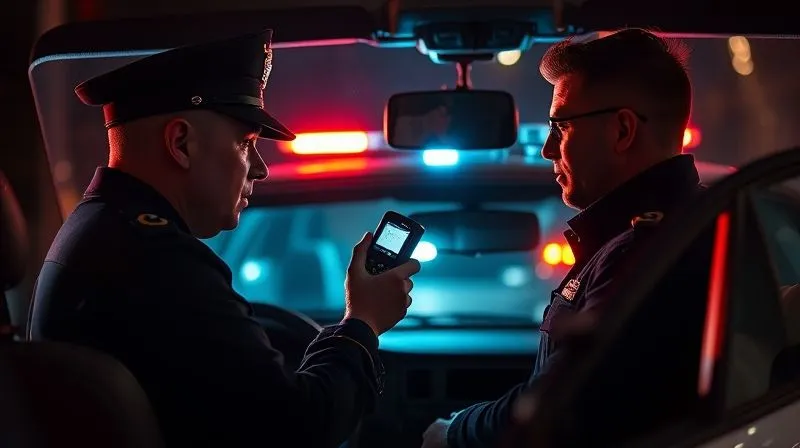
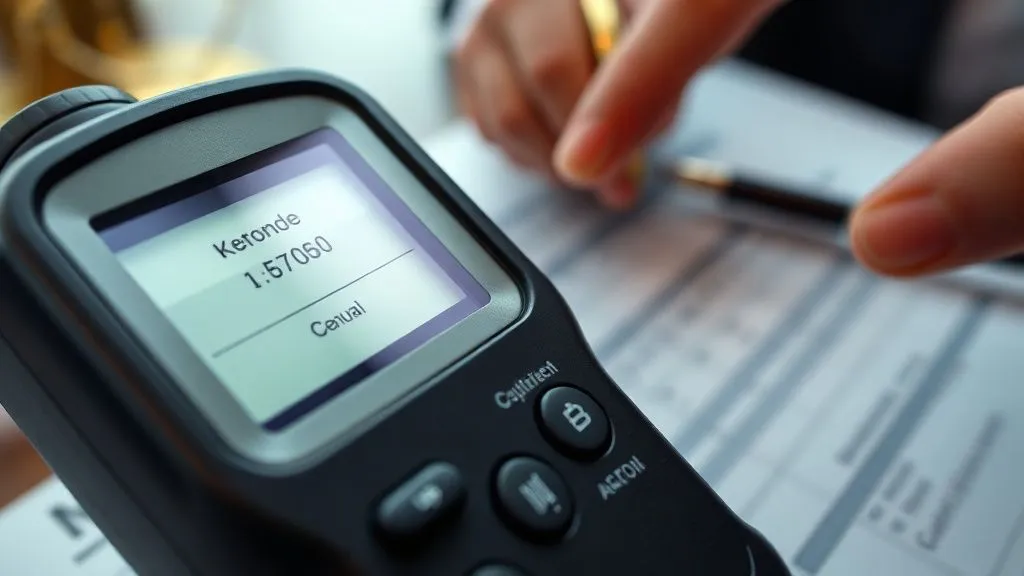
Breathalyzer devices, despite their perceived authority, are complex instruments prone to various technical issues. Challenging their accuracy often involves delving into the device's maintenance history and operational integrity.
Calibration records are paramount. These machines require regular calibration and maintenance to ensure they provide accurate readings. If the device used in your case was not calibrated according to state standards, or if there are gaps in its maintenance log, its reliability comes into question. I've seen countless cases where a lack of proper calibration documentation has led to the suppression of breath test results.
Another factor is the operator's certification. Was the officer who administered the test properly trained and certified to operate that specific breathalyzer model? Errors in operation, even minor ones, can lead to inaccurate readings. Environmental factors like radio frequency interference (RFI) or electromagnetic interference (EMI) from police radios, cell phones, or even power lines can also cause device malfunctions.
Temperature fluctuations and humidity can also impact the accuracy of some breathalyzer models. A device calibrated at one temperature may provide different results in extreme heat or cold. These technical nuances are often overlooked but can be powerful tools in how to challenge breathalyzer accuracy in a repeat DUI case.
| Aspect of Challenge | Key Question | Potential Impact |
|---|---|---|
| Calibration Records | Was the device calibrated within the required timeframe? | Results suppressed if not properly calibrated |
| Maintenance Logs | Are there records of all repairs and service? | Evidence of device malfunction |
| Operator Certification | Was the officer certified for this specific device? | Test invalid if operator untrained |
| Environmental Factors | Were there sources of RFI/EMI nearby? | Results may be unreliable due to interference |
Physiological & Medical Defenses: Beyond the Alcohol
The human body is complex, and certain physiological conditions or medical issues can significantly impact breathalyzer readings, creating falsely elevated blood alcohol content (BAC) results. These defenses are often overlooked but can be incredibly powerful in how to challenge breathalyzer accuracy in a repeat DUI case.
Conditions like Gastroesophageal Reflux Disease (GERD), acid reflux, or even severe heartburn can cause stomach contents, including residual alcohol, to be regurgitated into the mouth. When a breathalyzer samples air from the lungs, it also picks up this 'mouth alcohol,' leading to a higher, inaccurate reading. Similarly, individuals with certain dental work, such as dentures or bridges, can trap alcohol in their mouths, affecting the test.
For individuals with diabetes, particularly those experiencing diabetic ketoacidosis, their bodies produce ketones, which can be mistakenly identified as alcohol by some breathalyzer devices. This metabolic state can lead to a false positive or an inflated BAC reading, even if the person has consumed little to no alcohol. Hypoglycemia, or low blood sugar, can also mimic symptoms of intoxication, further complicating the situation.
Certain medications, including some over-the-counter cold remedies or asthma inhalers, contain small amounts of alcohol that can register on a breathalyzer. Even the propellant in some inhalers can interfere with the device's sensors. A thorough medical history review is essential to uncover these potential defenses.
The Importance of the Observation Period and Mouth Alcohol
As I mentioned earlier, the observation period before a breathalyzer test is a critical procedural safeguard. Most states mandate a continuous 15-20 minute observation period during which the subject must not eat, drink, smoke, belch, vomit, or place anything in their mouth. The purpose is to eliminate any residual 'mouth alcohol' that could contaminate the deep lung air sample the breathalyzer is designed to measure.
Mouth alcohol dissipates very quickly, typically within 15 minutes. If a person has recently consumed alcohol, burped, or had acid reflux, this residual alcohol in the mouth can be detected by the breathalyzer, leading to an artificially high and inaccurate reading. This is not alcohol from the bloodstream, which is what the test is supposed to measure.
Case Study: How John Doe's Dental Work Saved His Case
I recall a case involving a client, John Doe, who was facing his second DUI. The breathalyzer registered a .10% BAC. During our consultation, John mentioned he had extensive dental bridgework and had recently used an alcohol-based mouthwash for a toothache just before driving. He also recalled burping a few times in the patrol car.
We argued that the officer failed to properly observe John for the mandated 20 minutes, as evidenced by dashcam footage showing the officer briefly turning away and engaging in conversation with another officer during that period. Furthermore, we presented expert testimony regarding how his specific dental work could trap mouthwash residue and how burping could bring stomach alcohol into the mouth.
The judge, considering the totality of the evidence and the procedural lapses, ruled that the breathalyzer results were unreliable due to potential mouth alcohol contamination. The breath test was suppressed, significantly weakening the prosecution's case, and ultimately leading to a favorable plea agreement for John that avoided a repeat DUI conviction.
Expert Witness Testimony: Bringing Science to Your Defense
When challenging breathalyzer accuracy in a repeat DUI case, sometimes the most compelling evidence comes from an independent expert. I frequently collaborate with forensic toxicologists, breathalyzer specialists, and medical professionals who can provide invaluable testimony.
These experts can analyze the specific breathalyzer device used, its maintenance records, and the officer's training. They can explain to a jury or judge the scientific principles behind breath testing, the potential for error, and how specific factors in your case (like medical conditions or environmental interference) could have skewed the results. Their testimony adds a layer of scientific authority and trust that is difficult for the prosecution to refute.
For instance, a forensic toxicologist can testify about the partition ratio, a scientific assumption breathalyzers make about the ratio of alcohol in your breath to alcohol in your blood. This ratio (2100:1) is an average, and an individual's actual ratio can vary significantly, leading to inaccurate readings. As a key aspect of litigation, expert witness testimony can dismantle the prosecution's seemingly strong evidence.
| Expert Type | Role in Defense | Value |
|---|---|---|
| Forensic Toxicologist | Analyzes BAC results, explains scientific errors, partition ratio variations. | Scientific credibility, challenges underlying assumptions |
| Breathalyzer Specialist | Evaluates device maintenance, calibration, operator procedure, RFI/EMI. | Identifies technical and procedural flaws |
| Medical Expert | Testifies on how medical conditions (GERD, diabetes) affect readings. | Explains physiological factors leading to false positives |
Demanding Discovery: Unearthing Crucial Evidence
A cornerstone of any effective DUI defense, especially when challenging breathalyzer accuracy, is the aggressive pursuit of discovery. This legal process compels the prosecution to provide all evidence they intend to use, as well as exculpatory evidence that might help your case.
I always demand a comprehensive list of items, including: police reports, dashcam and bodycam footage from the traffic stop and arrest, breathalyzer maintenance and calibration records for the specific device used, the officer's training and certification records for operating that device, and any witness statements. Reviewing these materials can expose procedural errors, inconsistencies in officer testimony, or evidence of device malfunction.
For example, bodycam footage might reveal that the officer failed to conduct the observation period properly, or that the breathalyzer displayed an error code that was not documented in the report. Maintenance logs might show that the device was due for calibration or had a history of malfunctions. This meticulous review of discovery is often where the most compelling defense arguments are born.
Strategic Legal Maneuvers: Pre-Trial Motions and Plea Bargaining
Beyond challenging the evidence itself, a skilled defense attorney employs strategic legal maneuvers throughout the pre-trial phase. One of the most common and effective is a Motion to Suppress evidence. If we can demonstrate that the breathalyzer test was administered improperly, the device was faulty, or your rights were violated, we can ask the court to exclude the breath test results from being used against you.
Challenging probable cause for the initial stop or for the arrest itself can also lead to the dismissal of the entire case. If the officer lacked a lawful reason to pull you over or arrest you, then all evidence gathered subsequently, including the breathalyzer results, becomes 'fruit of the poisonous tree' and may be inadmissible.
Even if the evidence is strong, a robust defense that highlights the weaknesses in the prosecution's case can open the door for favorable plea bargaining. Prosecutors are often willing to negotiate reduced charges (e.g., reckless driving instead of DUI) or lesser penalties if they perceive a significant risk of losing at trial. This is particularly crucial in repeat DUI cases where avoiding a conviction can mean the difference between freedom and incarceration.
In my experience, no piece of evidence, especially a breathalyzer reading, is beyond challenge. The key is a relentless pursuit of truth through meticulous investigation, scientific scrutiny, and aggressive legal advocacy.
For further understanding of chemical test accuracy, consider reviewing resources from organizations like the National Highway Traffic Safety Administration (NHTSA), which sets standards for breath test devices and field sobriety tests.
Frequently Asked Questions (FAQ)
Question: Can I refuse a breathalyzer in a repeat DUI? Refusing a breathalyzer in a repeat DUI case typically carries severe consequences under implied consent laws, including automatic license suspension and potentially harsher penalties than a first refusal. While you have the right to refuse, it's crucial to understand that there are often administrative penalties regardless of the outcome of your criminal case. It's best to consult with an attorney immediately to understand the specific implications in your state.
Question: What's the difference between a PBT and an evidentiary breath test? A PBT (Preliminary Breath Test) is typically administered at the roadside and is used by officers to establish probable cause for arrest. Its results are generally not admissible in court as evidence of BAC. An evidentiary breath test, usually given at the police station, is performed on a more sophisticated device, and its results are intended to be used as evidence in court. Challenging accuracy applies more rigorously to evidentiary tests.
Question: How does a medical condition affect breathalyzer results? Medical conditions like GERD, acid reflux, diabetes (ketoacidosis), and even certain dental issues can cause mouth alcohol or produce compounds that breathalyzers misinterpret as ethanol, leading to falsely elevated BAC readings. A skilled defense attorney will investigate your medical history and may call a medical expert to explain these effects to the court.
Question: Is a blood test more accurate than a breath test? Generally, blood tests are considered more accurate and reliable than breath tests because they directly measure alcohol concentration in the blood, bypassing many of the variables that can affect breath tests. However, blood tests are not infallible and can be challenged based on issues like improper collection, storage, chain of custody, or laboratory errors.
Question: How long do I have to challenge the results? The timeline for challenging breathalyzer results is tied to your court dates and specific legal deadlines in your jurisdiction. It's imperative to engage an attorney as soon as possible after arrest. The sooner you act, the more time your attorney has to gather evidence, subpoena records, and file necessary motions to challenge the breathalyzer accuracy effectively.
Key Takeaways and Final Thoughts
Navigating a repeat DUI charge, especially when challenging breathalyzer accuracy, requires a sophisticated and multi-faceted defense strategy. As an experienced industry specialist, I've learned that success hinges on meticulous attention to detail, a deep understanding of scientific principles, and aggressive legal advocacy.
- Scrutinize Police Procedure: Ensure all protocols, from the stop to the test, were flawlessly followed.
- Investigate Device Integrity: Demand calibration and maintenance records for the breathalyzer.
- Explore Medical Defenses: Consider how physiological conditions might have skewed results.
- Leverage Expert Testimony: Bring in specialists to explain scientific errors and device limitations.
- Demand Comprehensive Discovery: Unearth all evidence, including video footage and training logs.
- Employ Strategic Motions: Use pre-trial motions to suppress unreliable evidence.
Facing a repeat DUI is undoubtedly daunting, but it is not a lost cause. With the right legal team and a commitment to challenging every aspect of the prosecution's case, particularly the often-flawed breathalyzer results, you can significantly improve your outcome. Remember, the system isn't perfect, and you deserve a defense that leaves no stone unturned in protecting your rights and your future.
Recommended Reading
- The Secret Edge: How to Identify Strong Evidence for Trade Secret Litigation?
- Win Your Tax Appeal: A 7-Step Guide to Overturn Adverse Court Judgments
- 9 Steps: Correct Worker Misclassification Before an Audit Hits
- The Definitive Guide: How to Legally Challenge Online Content Removal
- 7 Proven Defenses: Safeguarding Teams from Athlete Negligence Claims

Comments
Leave a comment below. Your email will not be published. Required fields marked with *