



How to Counter Defense Experts Disputing Mild TBI Causation
For over two decades in personal injury law, I've witnessed countless battles where the most insidious injuries – those you can't see – become the hardest to prove. Mild traumatic brain injury (mTBI), often dismissed as 'just a concussion,' presents one of the greatest challenges in the courtroom.
The problem isn't just the invisible nature of the injury; it's the sophisticated, often cynical, tactics employed by defense experts. They aim to sow doubt, attributing symptoms to pre-existing conditions, psychological factors, or even outright malingering, leaving victims feeling unheard and uncompensated.
This article isn't just theory; it's a battle-tested blueprint. I'll share how to counter defense experts disputing mild TBI causation, providing you with actionable strategies, insights from real cases, and the frameworks necessary to dismantle their arguments and secure the justice your clients deserve.
Understanding the Defense's Playbook: Common Arguments Against Mild TBI Causation
Before you can effectively counter an argument, you must first understand it. Defense experts, often well-funded and highly rehearsed, rely on a surprisingly consistent set of arguments to minimize or outright deny mTBI causation.
Their primary weapon is the 'lack of objective findings.' They’ll point to normal CT scans and standard MRIs, arguing that if there's no visible structural damage, there's no brain injury. This is a deliberate misdirection, ignoring the microscopic, diffuse axonal injury often characteristic of mTBI.
Another common tactic is to attribute post-concussive symptoms to psychological factors like anxiety, depression, or somatization. They'll suggest that symptoms like headaches, dizziness, and cognitive fog are manifestations of emotional distress, rather than direct neurological injury. This narrative shifts blame from the traumatic event to the victim's psychological state.
Finally, allegations of malingering or symptom exaggeration are always lurking. The defense will scrutinize every aspect of your client's life, searching for inconsistencies or motives to feign injury. They often imply that the pursuit of financial compensation is the true driver of reported symptoms.
"Never underestimate the defense's ability to create doubt. Their goal isn't necessarily to prove your client is lying, but to plant enough seeds of uncertainty in the minds of the jury or judge that causation becomes ambiguous."
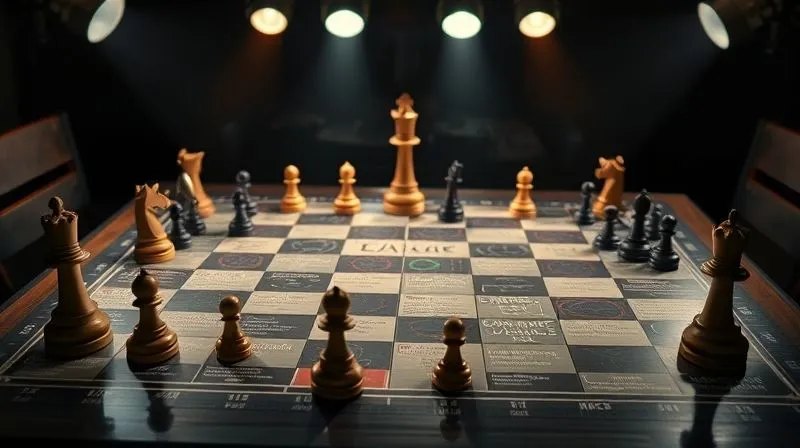
The Indispensable Role of Early and Comprehensive Medical Documentation
In the legal arena, the pen is often mightier than the sword. The foundation of any successful mTBI claim rests squarely on meticulous, consistent, and early medical documentation. Without it, even the most compelling personal narrative can crumble under defense scrutiny.
I've seen cases falter because a client delayed seeking medical attention, or because their initial reports lacked the specificity needed to link symptoms directly to the incident. Immediate medical evaluation, ideally within hours or days of the trauma, establishes the temporal connection that is so vital.
Crucially, documentation must go beyond a simple diagnosis. It needs to detail the mechanism of injury, the immediate symptoms, and the progression (or lack thereof) of recovery. Every headache, dizzy spell, memory lapse, or mood change must be recorded.
Encourage your clients to keep a detailed symptom diary. This daily log, while not a formal medical record, provides a powerful, consistent narrative of their struggles and demonstrates the pervasive impact of the injury on their daily life. It counters the defense's narrative that symptoms are fleeting or imagined.
- Emergency Room Records: Ensure details of impact, loss of consciousness (even brief), confusion, and initial symptoms are recorded.
- Primary Care Physician Visits: Follow-up visits are critical for tracking symptom evolution and ruling out other causes.
- Specialist Referrals: Document referrals to neurologists, neuropsychologists, otolaryngologists, or physical therapists.
- Imaging Reports: While often normal, document when scans were done and who interpreted them.
- Medication Records: Track all prescriptions and over-the-counter remedies used for symptoms.
- Client Symptom Diaries: Daily entries detailing symptoms, their severity, triggers, and impact on activities.
| Phase | Key Documentation | Defense Challenge Addressed |
|---|---|---|
| Acute (0-72 hrs) | ER visit, Glasgow Coma Scale (GCS), initial symptoms, mechanism of injury, brief loss of consciousness (if any) | Lack of immediate symptom reporting, no objective findings |
| Sub-Acute (1 week - 3 months) | PCP follow-ups, specialist referrals (neurology, neuropsychology), symptom diaries, medication logs, initial therapy notes | Delayed symptom onset, attribution to other causes |
| Chronic (3+ months) | Ongoing specialist care, comprehensive neuropsychological testing, advanced imaging (if recommended), therapy progress notes, vocational assessments | Symptoms are 'temporary,' malingering, pre-existing conditions |
Objective Evidence: Neuropsychological Testing, Advanced Imaging, and Biomarkers
One of the most potent weapons how to counter defense experts disputing mild TBI causation is objective evidence. While standard imaging like CT and MRI often appear normal in mTBI cases – a fact the defense will gleefully exploit – there are sophisticated tools that can reveal the subtle, yet devastating, impact of brain injury.
Neuropsychological Testing: Unmasking Cognitive Deficits
A comprehensive neuropsychological evaluation is paramount. Administered by a qualified neuropsychologist, these tests assess various cognitive domains: memory, attention, processing speed, executive function, and language. Unlike subjective symptom reporting, these tests provide quantifiable data on cognitive impairment.
It's vital that the evaluation includes tests designed to detect malingering, as defense experts will always look for this. A skilled neuropsychologist can identify inconsistent effort, which can be a double-edged sword if your client isn't genuinely impaired. Ensure your expert uses a battery of tests, including those with embedded validity indicators.
The results, when interpreted correctly, can demonstrate a clear decline from pre-injury functioning, even if pre-injury baseline data isn't available. This is often achieved by comparing performance to normative data adjusted for age, education, and other demographic factors.
Advanced Imaging and Emerging Biomarkers: The Future of Proof
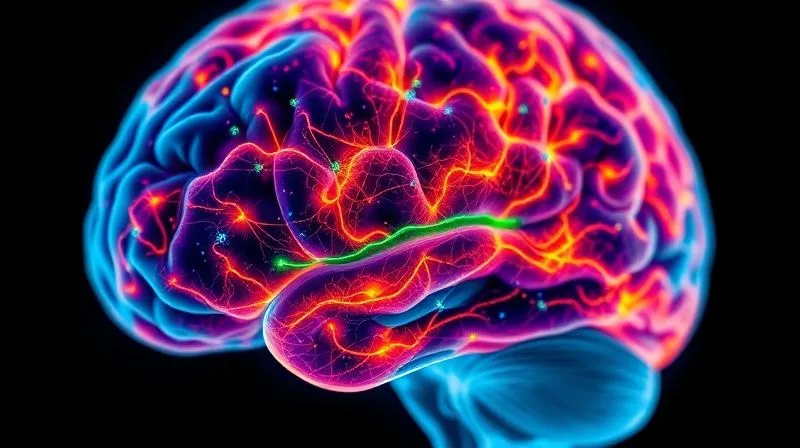
While still evolving, advanced neuroimaging techniques offer increasingly compelling objective evidence. Diffusion Tensor Imaging (DTI) can detect subtle damage to the brain's white matter tracts, which are often disrupted in mTBI, even when conventional MRI is normal. Functional MRI (fMRI) can show changes in brain activity patterns.
Positron Emission Tomography (PET) scans can reveal metabolic abnormalities in the brain. These technologies, though not universally accepted in every courtroom for causation, are gaining traction and can strongly support the narrative of a physically altered brain.
Furthermore, research into blood biomarkers for TBI, such as Glial Fibrillary Acidic Protein (GFAP) and Ubiquitin C-terminal Hydrolase-L1 (UCH-L1), is promising. While not yet standard in litigation, their eventual integration could provide irrefutable evidence of brain trauma. Keeping abreast of these developments is crucial for any forward-thinking attorney.
According to a landmark study published in the Journal of Neurotrauma, advanced neuroimaging techniques like DTI have demonstrated a significant correlation between white matter abnormalities and persistent post-concussive symptoms, even in patients with normal conventional MRI scans. This research underscores the limitations of relying solely on standard imaging. Journal of Neurotrauma Study
Building Your A-Team: Selecting and Preparing Plaintiff Expert Witnesses
Your expert witnesses are your champions in the courtroom. Their credibility, clarity, and ability to educate the jury are paramount. When facing defense experts who specialize in downplaying mTBI, your choice and preparation of your own experts become critical.
Start by selecting experts with impeccable credentials, extensive experience in TBI, and, crucially, excellent communication skills. A brilliant scientist who can't explain complex concepts in simple terms to a lay jury is a liability. Look for neurologists, neuropsychologists, neuroradiologists, and physiatrists who are not only knowledgeable but also articulate and empathetic.
Prepare your experts meticulously. Provide them with every single relevant medical record, imaging report, therapy note, and client diary. Ensure they have a comprehensive understanding of the entire case history, including any pre-existing conditions that the defense will inevitably highlight.
Walk them through the anticipated defense arguments. Discuss how they plan to address the 'normal imaging' narrative or the 'psychological overlay' claims. Your experts should be ready to explain why mTBI symptoms are real, even without gross structural damage, and how they differentiate TBI symptoms from psychological issues.
"A well-chosen and thoroughly prepared expert witness doesn't just present facts; they tell a compelling, scientifically sound story that connects the dots between the trauma and your client's current struggles."
Case Study: How Attorney Patel Secured a TBI Verdict with Expert Testimony
Attorney Patel represented a client who suffered a rear-end collision, resulting in persistent cognitive deficits despite normal MRI scans. The defense's expert neurologist dismissed the symptoms as 'subjective' and 'non-organic.' Patel meticulously prepared her neuropsychologist, Dr. Evans, who had conducted a comprehensive battery of tests.
During testimony, Dr. Evans not only presented the raw scores showing significant impairment in processing speed and memory but also used analogies to explain why these impairments, though invisible, were as real as a broken bone. She explained diffuse axonal injury in simple terms, likening it to a damaged electrical grid that affects the brain's communication. This direct, educational approach resonated deeply with the jury, leading to a favorable verdict for the plaintiff.
Cross-Examining Defense Experts: Strategies for Dismantling Their Opinions
Cross-examination is where the rubber meets the road how to counter defense experts disputing mild TBI causation. It's not about making the defense expert look bad, but about exposing the weaknesses in their methodology, assumptions, or biases, thereby undermining their credibility with the jury.
Thorough Preparation is Non-Negotiable
Before stepping into court, you must become intimately familiar with the defense expert's report, their CV, and any prior publications or testimonies. Research their typical positions on mTBI. Have they consistently minimized similar injuries in other cases? Are they known for certain biases? Tools like jury verdict reporters and online legal databases can be invaluable here.
Identify specific points of contention: What data did they ignore? What tests did they fail to administer? Did they spend sufficient time with your client? Did they review all relevant medical records, or only a select few provided by the defense?
Strategic Questioning Techniques
Limit Scope: Often, defense experts are limited in their review. They might not have seen all medical records, or they may have spent a minimal amount of time with your client. Highlight these limitations. 'Doctor, you spent a total of 30 minutes examining my client, correct?'
Lack of Treatment: Defense experts rarely treat patients. Emphasize that their role is purely evaluative, contrasting it with the treating physicians who have a long-term, therapeutic relationship with the client. 'Doctor, you have never prescribed medication for my client, nor have you recommended any specific therapy, is that right?'
Reliance on Outdated Criteria: Many defense experts still rely on outdated diagnostic criteria or dismissive views of mTBI. Pin them down on their understanding of current medical consensus regarding post-concussive syndrome or the evolving understanding of brain injury.
Bias: While direct accusations of bias can backfire, subtle questioning can expose it. If an expert consistently testifies for the defense, inquire about the percentage of their income derived from defense work. 'Doctor, can you confirm that over 90% of your expert witness income comes from defense firms?'
- Master Their Report: Know every sentence, every omission.
- Identify Gaps in Review: Did they miss crucial records?
- Challenge Assumptions: Are their conclusions based on sound medical principles or conjecture?
- Expose Methodological Flaws: Did they use appropriate tests? Did they interpret them correctly?
- Highlight Lack of Clinical Experience: If they don't treat patients, emphasize their limited perspective.
- Address Inconsistencies: Compare their current testimony to past statements or publications.
For deeper insights into effective cross-examination techniques, I highly recommend exploring resources from organizations like the American Association for Justice (AAJ), which frequently publishes articles and hosts seminars on handling expert witnesses. American Association for Justice Publications
The Power of the Narrative: Lay Witness Testimony and Daily Impact
While medical experts provide the scientific backbone, lay witnesses breathe life into your client's story. They are the eyes and ears that observed the profound changes in your client's life after the injury, changes that no MRI or cognitive test can fully capture.
Defense experts often try to intellectualize the injury, reducing it to medical jargon. Lay witnesses, however, humanize the impact. Family members, friends, colleagues, and even former employers can provide compelling testimony about your client's pre-injury personality, cognitive abilities, mood, and daily routines, and how dramatically these have shifted post-trauma.
Their testimony provides crucial corroboration for the client's subjective complaints. If your client reports memory problems, a spouse can testify about forgotten appointments or difficulty following conversations. If they complain of irritability, a colleague can describe a previously calm individual now prone to outbursts.
Preparing lay witnesses is just as important as preparing experts. Help them articulate the specific, observable changes they witnessed. Encourage them to use concrete examples rather than generalizations. For instance, instead of 'he's more forgetful,' guide them to say 'he used to manage all our finances, but now he forgets to pay bills and loses track of our bank balance.'
- Family Members: Can describe changes in personality, mood, memory, sleep patterns, and ability to perform household tasks.
- Friends: Can attest to social withdrawal, changes in hobbies, or difficulty engaging in previous activities.
- Co-workers/Supervisors: Can provide insights into cognitive difficulties at work, decreased productivity, or changes in professional demeanor.
- Teachers/Coaches (for minors): Can highlight academic struggles, difficulty concentrating, or changes in athletic performance.
- Neighbors: Can speak to changes in outdoor activities, community engagement, or general demeanor.

Addressing Pre-Existing Conditions and Malingering Allegations Head-On
Two of the defense's most potent weapons against mTBI claims are allegations of pre-existing conditions and malingering. As a plaintiff attorney, you must be prepared to confront these issues directly, rather than allowing them to fester and undermine your case.
Pre-Existing Conditions: The 'Eggshell Skull' Doctrine
Defense experts will meticulously comb through your client's medical history, searching for any prior head injuries, mental health issues (anxiety, depression), or even unrelated conditions that they can blame for the current symptoms. The goal is to argue that the present injury is either not new or not caused by the incident.
Your counter-argument hinges on two key principles: the 'eggshell skull' doctrine and the concept of exacerbation. The eggshell skull rule states that a defendant takes their victim as they find them. Even if your client had a pre-disposition, the defendant is still liable for aggravating that condition or causing a new injury.
Crucially, you must demonstrate a clear and significant change in your client's condition post-accident. Use comparative evidence: 'Yes, my client had anxiety before, but it was well-managed. After the accident, it became debilitating, coupled with new cognitive issues.' This requires thorough review of past medical records and strong lay witness testimony.
Malingering: Debunking the Deceit Allegation
The accusation of malingering – that your client is faking or exaggerating symptoms for financial gain – is deeply offensive and damaging. It's also a common defense tactic how to counter defense experts disputing mild TBI causation.
The best defense against malingering allegations is a consistent and cohesive narrative. This means:
- Consistent Symptom Reporting: Across all medical visits, therapy sessions, and client diaries.
- Objective Test Results: Neuropsychological testing that includes validity scales is crucial. A good neuropsychologist can differentiate between genuine impairment and inconsistent effort.
- Lay Witness Corroboration: Friends and family can testify to the authenticity of the client's struggles and the changes they observe, which are difficult to feign over time.
- Lack of Secondary Gain: Show that your client genuinely wants to recover and is actively participating in treatment, even if progress is slow. Emphasize the loss of quality of life, not just financial losses.
In my experience, juries are often skeptical of outright malingering claims if the evidence of suffering is pervasive and consistent across multiple sources. The defense often overplays this hand, and it can backfire if your evidence is strong.
Navigating Daubert Challenges and Evidentiary Hurdles
The battle over expert testimony isn't just about what your experts say, but whether they're even allowed to say it. Defense attorneys frequently file Daubert challenges, attempting to exclude your expert witnesses or their specific methodologies, especially in complex areas like mTBI causation.
The Daubert standard, established by the U.S. Supreme Court in Daubert v. Merrell Dow Pharmaceuticals, Inc., requires that scientific testimony be both relevant and reliable. Judges act as 'gatekeepers,' assessing several factors:
- Testability: Can the theory or technique be tested?
- Peer Review and Publication: Has it been subjected to peer review and publication?
- Error Rate: What is the known or potential rate of error?
- Standards and Controls: Are there controlling standards?
- General Acceptance: Has the theory or technique been generally accepted in the relevant scientific community?
For mTBI cases, defense challenges often focus on the 'general acceptance' of advanced imaging techniques (like DTI) or the diagnostic methodologies used by neuropsychologists. Your job is to ensure your experts' opinions are firmly rooted in widely accepted scientific principles and methodologies.
Work closely with your experts to prepare for potential Daubert challenges. Have them articulate the scientific basis for their opinions, citing relevant literature and explaining their methodology in detail. Be prepared to submit affidavits and present mini-hearings to defend the admissibility of your expert's testimony.
Understanding and proactively addressing these evidentiary hurdles is a critical component of how to counter defense experts disputing mild TBI causation. It ensures that your most powerful evidence makes it into the courtroom.
For a comprehensive overview of Daubert challenges and expert testimony admissibility, consult legal resources such as those provided by the Federal Judicial Center, which offers detailed guides on scientific evidence in federal courts. Federal Judicial Center - Reference Manual on Scientific Evidence
Frequently Asked Questions (FAQ)
Q: Can someone have a mild TBI without losing consciousness? A: Absolutely. Loss of consciousness is not a prerequisite for a mild TBI diagnosis. Many individuals suffer significant concussive injuries without ever losing consciousness, experiencing symptoms like disorientation, confusion, memory gaps, or a dazed feeling. The severity of the injury is not solely determined by the duration of unconsciousness.
Q: How long do mTBI symptoms typically last, and what if they persist? A: For many, mTBI symptoms resolve within days to a few weeks. However, a significant minority (around 10-30%) experience persistent symptoms lasting months or even years, a condition often referred to as Post-Concussion Syndrome (PCS). If symptoms persist beyond the typical recovery window, it indicates a more complex and potentially chronic injury requiring ongoing specialized care.
Q: What's the difference between a concussion and a mild TBI? A: In modern medical terminology, a concussion is considered a type of mild traumatic brain injury (mTBI). The terms are often used interchangeably. mTBI is a broader category that encompasses concussions, emphasizing the functional disruption to the brain rather than structural damage visible on standard imaging.
Q: Are there specific tests that definitively prove mild TBI? A: While there isn't one single "definitive" test like an X-ray for a broken bone, a combination of objective measures provides strong evidence. Comprehensive neuropsychological evaluations are highly effective. Advanced imaging techniques like Diffusion Tensor Imaging (DTI) and functional MRI (fMRI) are increasingly showing promise in revealing subtle brain changes not seen on conventional scans. Emerging blood biomarkers also hold future potential.
Q: How does a jury typically perceive mild TBI cases? A: Juries can be skeptical of "invisible injuries," especially when defense experts present normal imaging. Education is key. Juries respond well to clear, consistent evidence from multiple sources – treating physicians, neuropsychologists, advanced imaging (if admissible), and particularly compelling lay witness testimony that illustrates the real-world impact on the victim's life. Empathy and understanding are built through a cohesive narrative.
Key Takeaways and Final Thoughts
Successfully litigating mild TBI cases against well-resourced defense experts requires more than just legal acumen; it demands a deep understanding of neuroanatomy, neuropsychology, and strategic evidentiary presentation. It's about building an unassailable fortress of evidence around your client's invisible injury.
Remember these critical pillars in your quest how to counter defense experts disputing mild TBI causation:
- Document Relentlessly: Every symptom, every visit, every change must be recorded from day one.
- Embrace Objective Evidence: Leverage neuropsychological testing and stay updated on advanced imaging and biomarkers.
- Curate Your Expert Team: Select articulate, credible experts who can educate and persuade.
- Master Cross-Examination: Know the defense expert's playbook and dismantle their arguments systematically.
- Humanize the Injury: Use powerful lay witness testimony to illustrate the profound daily impact.
- Anticipate Challenges: Be prepared for Daubert motions, pre-existing condition arguments, and malingering allegations.
The journey to justice for mTBI victims is often arduous, but it is a fight worth waging. By equipping yourself with these strategies and a steadfast commitment to your client's truth, you can effectively challenge the defense's narrative, ensure their voices are heard, and ultimately, secure the compensation they rightfully deserve. Your expertise and dedication are the most powerful forces against injustice.
Recommended Reading
- Unlocking the Truth: How Effective Are International Legal Frameworks Truly?
- Avoid Capital Gains: Smart Tax Strategies When Selling Your Business
- How to Draft a Family Care Agreement: 7 Steps to Avoid Medicaid Penalties
- Unraveling the Mystery: How Does Customary International Law Form?
- 5 Strategies: How to Overcome Sovereignty Challenges in Digital Governance?




Comments
Leave a comment below. Your email will not be published. Required fields marked with *