



How to Defend Athletes Against Career-Ending Doping Allegations? A Specialist's Framework
In my two decades specializing in sports law and anti-doping defense, I've witnessed firsthand the devastating impact a doping allegation can have. It's not just about a temporary ban; it's often the sudden, brutal halt to a dream, a career, and a lifetime of dedication.
The accusation alone, regardless of its veracity, casts a long, dark shadow over an athlete's reputation, endorsements, and future prospects. Navigating the labyrinthine rules of anti-doping agencies like WADA, coupled with the intense public scrutiny, can feel like an impossible uphill battle for an athlete and their team.
This article isn't just a guide; it's a specialist's framework, forged in the crucible of countless cases. I'll share actionable strategies, expert insights, and a clear roadmap to help you understand how to defend athlete against career-ending doping allegations, ensuring every possible avenue for a robust defense is explored.
The Immediate Aftermath: Crisis Management and Initial Steps
When an athlete receives notification of an Adverse Analytical Finding (AAF), the clock starts ticking. Panic is a natural reaction, but immediate, calculated action is paramount to protecting their career and reputation.
Understanding the Notification Process
The initial notification from an Anti-Doping Organization (ADO) is usually formal and sets out the alleged violation. It's crucial to understand the specific substance, the date of the sample collection, and the deadlines for response. Misinterpreting this initial communication can lead to missed opportunities for defense.
Securing Legal Counsel: Why Specialist Expertise is Non-Negotiable
This is not the time for a general practitioner. Anti-doping law is a highly specialized field, requiring intricate knowledge of scientific testing protocols, WADA Code, international arbitration, and sports federation rules. A lawyer without this specific expertise can inadvertently jeopardize the entire defense.
- Deep WADA Code Knowledge: Understanding the nuances of strict liability, categories of substances, and sanctioning frameworks.
- Scientific Acumen: The ability to interpret lab reports, challenge analytical methods, and work effectively with scientific experts.
- Procedural Expertise: Navigating the complex hearing processes, from national panels to the Court of Arbitration for Sport (CAS).
- Reputation Management: Guiding public statements and media interactions to protect the athlete's image.
As I've often advised, 'An athlete's career is not the place for on-the-job training for their legal team.' Seek out counsel with a proven track record in anti-doping cases. The International Association of Sports Law (IASL) or relevant national sports law associations can be excellent starting points for finding qualified professionals. Learn more about sports law associations here.
Athlete's Rights and Responsibilities Post-Notification
Athletes have fundamental rights, including the right to a fair hearing, the right to present evidence, and the right to appeal. However, they also have responsibilities, such as adhering to deadlines and cooperating with their legal team. One critical piece of advice I always give:
Do not make any public statements, admit guilt, or discuss the case with anyone other than your legal team and trusted advisors until a clear strategy is in place. Premature statements can be used against the athlete.

Deconstructing the Allegation: The Scientific and Procedural Review
A doping allegation is only as strong as the evidence supporting it. A thorough review of both the scientific findings and the procedural integrity of the sample collection and analysis is the bedrock of any successful defense.
Analyzing the Adverse Analytical Finding (AAF) Report
The AAF report details the laboratory's findings. This document is highly technical and requires expert interpretation. Key elements to scrutinize include:
- Substance Identification and Concentration: Verify the precise substance identified and its measured concentration.
- Testing Methodology: Ensure the lab used validated and WADA-accredited methods.
- Cut-off Levels: Confirm the substance concentration exceeds established WADA minimum reporting levels.
- Laboratory Documentation: Review all internal lab documents for any anomalies or deviations from standard operating procedures.
Understanding the Sample Chain of Custody
The integrity of the sample, from collection to analysis, is paramount. Any break or irregularity in the chain of custody can be grounds for defense. I've seen cases turn on seemingly minor procedural errors.
The chain of custody is not merely a formality; it is the unbroken evidentiary link that ensures the sample analyzed is indeed the athlete's and has not been tampered with or compromised. A single lapse can undermine the entire case.
| Step | Checkpoints |
|---|---|
| Sample Collection | Athlete ID verified, sealed containers, tamper-evident kits, proper documentation. |
| Transportation to Lab | Secure transport, temperature control, documented handover, no unauthorized access. |
| Lab Receipt & Storage | Verification of seals, proper storage conditions, unique identifiers, documented entry. |
| Analysis & Reporting | WADA-accredited methods, instrument calibration, expert review, secure data management. |
The Role of Independent Scientific Review
Engaging independent scientific experts – toxicologists, pharmacologists, or analytical chemists – is often critical. These experts can:
- Provide an objective assessment of the laboratory's findings.
- Challenge the analytical methods or interpretation of results.
- Identify potential alternative explanations for the AAF, such as endogenous production or cross-reactivity.
- Conduct re-analysis of the B-sample, if available, in an independent WADA-accredited laboratory.
According to a study published in the Journal of Forensic Sciences, a significant percentage of initial AAFs can be challenged successfully on scientific or procedural grounds, underscoring the importance of this meticulous review.
Building Your Defense Strategy: Categories of Contamination
The WADA Code operates on a principle of 'strict liability,' meaning an athlete is responsible for any banned substance found in their body, regardless of intent. However, various defense pathways exist to mitigate or even eliminate sanctions, primarily by demonstrating how the substance entered the body without significant fault or negligence.
Inadvertent Ingestion: The Supplement Contamination Defense
One of the most common and challenging defenses involves proving inadvertent ingestion, particularly through contaminated supplements. The supplement industry is notoriously unregulated in many regions, leading to products that contain undeclared banned substances.
- Common Sources: Cross-contamination during manufacturing, intentional spiking by unscrupulous manufacturers, or mislabeling.
- Burden of Proof: The athlete bears the heavy burden of proving, on a balance of probabilities, that the banned substance entered their system through a contaminated product and that they exercised 'utmost caution.'
To successfully argue supplement contamination, an athlete must demonstrate rigorous due diligence: only using third-party tested products, checking batch numbers, and maintaining meticulous records of all supplements consumed.
Case Study: The Contaminated Supplement Saga
A promising young sprinter, 'Athlete X,' tested positive for a low level of an anabolic agent. His career hung in the balance. Working with his legal team, we immediately initiated a thorough investigation. We collected samples of every supplement he had been taking, cross-referenced batch numbers, and sent them for independent laboratory testing. One particular pre-workout supplement, which was not on any banned list, tested positive for trace amounts of the same anabolic agent. Through extensive documentation, including purchase receipts, daily logs of supplement intake, and expert testimony on the manufacturing process and potential for cross-contamination, we were able to demonstrate that Athlete X had exercised utmost caution and the ingestion was entirely inadvertent. The panel ultimately ruled that while a violation occurred, Athlete X bore 'no significant fault or negligence,' resulting in a substantially reduced sanction, allowing him to return to competition much sooner than initially feared.
Therapeutic Use Exemptions (TUEs): A Critical Pathway
If an athlete requires a banned substance for a legitimate medical condition, a Therapeutic Use Exemption (TUE) can be granted. However, this must be obtained in advance (except in emergencies) and meet strict criteria.
- Criteria: The substance is necessary for a medical condition, there's no reasonable alternative, and it won't provide an unfair performance enhancement.
- Process: Applications are reviewed by a TUE Committee (TUEC) and require comprehensive medical documentation.
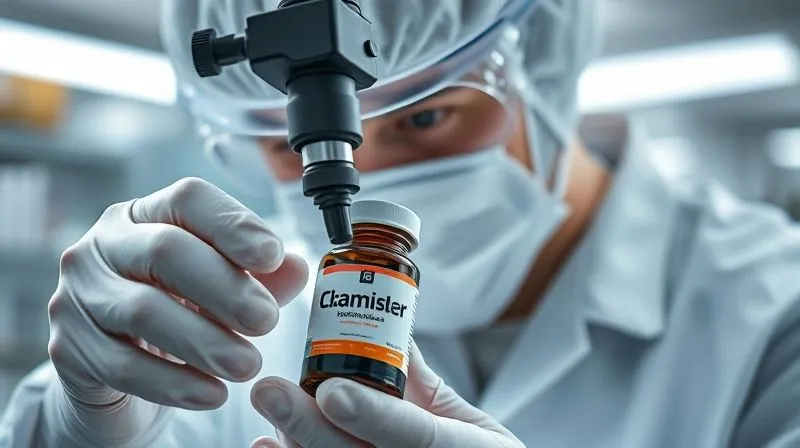
No Fault or Negligence: Exceptional Circumstances
In extremely rare cases, an athlete might demonstrate 'no fault or negligence,' leading to the elimination of the period of ineligibility. This typically applies to situations like sabotage, where a third party maliciously administers the substance without the athlete's knowledge or consent. Examples include:
- Spiked food or drink by a competitor or disgruntled individual.
- Misapplication of a substance by a medical professional without the athlete's knowledge of its prohibited status.
The Evidentiary Burden: Proving Your Case
The success of any defense hinges on the ability to gather, present, and effectively argue compelling evidence. This requires a systematic approach and the strategic use of expert testimony.
Gathering Corroborating Evidence
Every piece of information, no matter how small, can contribute to building a robust defense. I instruct my clients to be relentlessly thorough.
- Detailed Logs: Maintain precise records of all food, drink, supplements, and medications consumed, including batch numbers, expiry dates, and purchase locations.
- Medical Records: Collect all relevant medical history, prescriptions, and doctor's notes, especially if a TUE is being considered.
- Witness Statements: Obtain sworn statements from coaches, teammates, family members, or other individuals who can corroborate the athlete's account of events.
- Financial Records: Receipts for supplement purchases, travel records, and any other financial documentation that can support the athlete's narrative.
- Expert Reports: Commission independent scientific or medical reports to challenge the AAF or support a contamination defense.
Expert Witnesses: Scientific, Medical, and Forensic
Expert witnesses are the backbone of a complex anti-doping defense. Their testimony provides the scientific and medical context necessary to challenge the ADO's findings or explain the circumstances of the positive test.
- Analytical Chemists/Toxicologists: To interpret laboratory results, challenge testing methods, or explain substance metabolism.
- Pharmacologists: To discuss drug interactions, dosage effects, and potential routes of administration.
- Medical Doctors: To provide evidence for TUE applications or explain medical conditions.
- Forensic Scientists: In cases of alleged sabotage, to analyze evidence for third-party involvement.
Athlete's Testimony: Credibility and Consistency
The athlete's own testimony is a critical component. While they are not expected to be a scientific expert, their account of events must be credible, consistent, and delivered with conviction. Preparation is key.
An athlete's credibility can be their most powerful asset or their greatest liability. Thorough preparation for questioning, understanding the timeline of events, and maintaining a consistent narrative are essential to building trust with the hearing panel.
As marketing guru Seth Godin often says about building trust, 'People do not buy goods and services. They buy relations, stories, and magic.' In this context, the 'story' of the athlete, supported by evidence, is what the panel needs to believe.
Navigating the Hearing Process: Arbitration and Appeals
The anti-doping hearing process can be daunting, often involving multiple stages from initial ADO hearings to international appeals. Understanding each step is vital for a comprehensive defense.
Understanding the Anti-Doping Organization's Hearing Panel
Most ADOs have internal hearing panels composed of legal, medical, and sports experts. These panels conduct the initial hearing, review evidence, and issue a decision regarding the anti-doping rule violation (ADRV) and any resulting sanctions.
Preparing for Cross-Examination
Both the athlete and any expert witnesses will be subject to cross-examination by the ADO's legal team. This is often the most challenging part of the hearing.
- Mock Hearings: Conduct practice sessions with your legal team to simulate the hearing environment and anticipate difficult questions.
- Review Documents: Ensure the athlete is intimately familiar with all evidence, statements, and reports submitted.
- Stay Calm and Truthful: Advise the athlete to answer questions directly, avoid speculation, and ask for clarification if a question is unclear.
The Court of Arbitration for Sport (CAS)
If the initial decision is unfavorable, the Court of Arbitration for Sport (CAS) in Lausanne, Switzerland, is the ultimate appellate body for most international sports disputes. Appealing to CAS is a complex, costly, and time-consuming process but often the last resort for athletes seeking to overturn a ban.
- Jurisdiction: CAS hears appeals from decisions rendered by international federations and other sports organizations.
- Procedure: Involves written submissions, a hearing with a panel of arbitrators, and often a final binding award.
The CAS website provides extensive information on its procedures and past cases, offering valuable insights for legal teams. Explore the CAS official website for more details.
Mitigation and Sanctions: Minimizing the Impact
Even if an anti-doping rule violation is established, there are often opportunities to argue for a reduction in the period of ineligibility. The WADA Code provides a framework for sanction reduction based on various factors.
Factors Influencing Sanction Reduction
The WADA Code outlines specific provisions for reducing sanctions, such as 'No Significant Fault or Negligence' (Article 10.5.1) or 'No Fault or Negligence' (Article 10.4). Proving these can significantly impact the length of a ban.
| Factor | Description | Potential Impact |
|---|---|---|
| No Significant Fault or Negligence | Athlete establishes how the substance entered their body and demonstrates they bore no significant fault, e.g., contaminated supplement with due diligence. | Reduced sanction, typically 1-2 years instead of 4. |
| No Fault or Negligence | Athlete establishes how the substance entered their body and demonstrates absolutely no fault, e.g., sabotage. | Elimination of the period of ineligibility. |
| Substantial Assistance | Athlete provides significant assistance to an ADO in discovering or establishing an ADRV by another individual. | Reduced or suspended sanction, up to three-quarters of the period of ineligibility. |
| Prompt Admission of an ADRV | Athlete promptly admits the ADRV after being confronted with the violation. | Can reduce the period of ineligibility by one year for certain violations. |
Negotiating Settlements and Plea Bargains
In some cases, particularly where the evidence against the athlete is strong, negotiating a settlement or plea bargain with the ADO may be the most pragmatic approach. This can involve agreeing to a reduced sanction in exchange for waiving the right to a full hearing or appeal.
Reputation Management During and After the Case
The damage to an athlete's reputation can be more lasting than any ban. A strategic approach to public relations is crucial throughout the process. This includes carefully crafted statements, managing social media, and rebuilding trust.
Rebuilding a shattered reputation is a marathon, not a sprint. It requires transparency, humility, and consistent demonstration of integrity long after the legal battle concludes. The public, and sponsors, need to see genuine remorse or a clear vindication.

Preventative Measures: Educating and Protecting Athletes
While this article focuses on defense, the best defense is often prevention. Educating athletes and their support staff about anti-doping rules is crucial for safeguarding careers.
Athlete Education Programs
Ongoing and comprehensive education programs are essential. These should cover:
- The WADA Prohibited List and its updates.
- Risks associated with supplements.
- TUE application procedures.
- The rights and responsibilities of athletes.
Due Diligence in Supplement Use
I cannot stress this enough: athletes must exercise extreme caution with supplements. I always advise:
- 'Food First' Philosophy: Prioritize whole foods for nutrition.
- Third-Party Certified Products: Use only supplements certified by reputable third-party testing programs (e.g., Informed-Sport, NSF Certified for Sport).
- Batch Testing: Whenever possible, verify the specific batch of a supplement.
- Consult Experts: Work with sports nutritionists and anti-doping experts before taking any new product.
According to a report by the US Anti-Doping Agency (USADA), a significant percentage of positive tests originate from contaminated supplements, highlighting the scale of this problem. Visit USADA's website for comprehensive educational resources.
Team and Support Staff Responsibilities
The responsibility doesn't lie solely with the athlete. Coaches, medical staff, agents, and even family members play a vital role in creating an anti-doping culture.
An athlete's support network is their first line of defense. Every member of the team must be educated, vigilant, and committed to upholding clean sport principles to truly protect an athlete's career.
Teams should implement clear policies on supplement use, TUE management, and reporting potential violations. This collective responsibility fosters an environment where doping risks are minimized.
Frequently Asked Questions (FAQ)
Q: What's the very first thing an athlete should do after receiving a doping allegation notification? A: The absolute first step is to immediately contact and secure specialized legal counsel with expertise in sports law and anti-doping defense. Do not make any statements or take any action without their guidance. They will help you understand the charges, your rights, and the crucial deadlines.
Q: Can a contaminated supplement truly be a full defense against a doping charge? A: Yes, a contaminated supplement can be a valid defense, often leading to a reduced sanction or, in rare 'no fault' cases, no sanction at all. However, the burden of proof is very high. The athlete must demonstrate precisely how the substance entered their body, that they exercised 'utmost caution' in selecting and using the supplement, and that the contamination was not their fault. This typically involves independent testing of the supplement, detailed logs, and expert testimony.
Q: How long does a typical doping case take from initial notification to a final resolution? A: The timeline for a doping case can vary significantly, ranging from a few months to over a year, especially if it involves appeals to the Court of Arbitration for Sport (CAS). Factors influencing the duration include the complexity of the defense, the ADO's internal procedures, the availability of expert witnesses, and the scheduling of hearings. Patience and persistence are key.
Q: What if the athlete unknowingly consumed a banned substance through food or drink, not a supplement? A: While less common than supplement contamination, accidental ingestion through food or drink (e.g., meat contaminated with growth promoters in some regions, or a drink spiked by a third party) can also form the basis of a defense. Similar to supplement contamination, the athlete must prove, on a balance of probabilities, the source of the substance and that they bore no significant fault or negligence. This requires a meticulous investigation and strong corroborating evidence.
Q: Is it possible to clear an athlete's name completely and avoid any sanction? A: Yes, it is possible, but extremely challenging. This typically occurs under the 'No Fault or Negligence' provision of the WADA Code (Article 10.4), where the athlete establishes that they bore absolutely no fault or negligence for the anti-doping rule violation. Examples include proving malicious sabotage by a third party or a verified laboratory error. Such cases are rare and demand irrefutable evidence.
Key Takeaways and Final Thoughts
- Act Swiftly and Strategically: The moment an allegation arises, engage specialist legal counsel immediately.
- Meticulous Documentation is Paramount: Every detail, from supplement logs to medical records, can be critical evidence.
- Embrace Scientific Rigor: Challenge the AAF report and the chain of custody with independent scientific review and expert witnesses.
- Understand Your Defense Pathways: Whether it's inadvertent ingestion, TUEs, or no fault/negligence, know your options.
- Prepare for the Long Haul: Doping cases are complex and often lengthy, requiring resilience and a robust legal strategy.
- Prevention is the Best Defense: Invest in continuous education and exercise extreme caution with all substances.
Defending an athlete against career-ending doping allegations is one of the most demanding challenges in sports law. It requires a blend of scientific understanding, legal acumen, strategic thinking, and unwavering advocacy. While the strict liability principle places a heavy burden on athletes, a well-executed, expert-led defense can and often does preserve careers, reputations, and dreams. Remember, you're not just fighting a charge; you're fighting for a future.
Recommended Reading
- 5 Critical Strategies: Resolve Commercial Property Title Defects Fast
- 7 Proven Strategies: Secure Funding for Complex Legal Aid Family Cases
- 5 Legal Strategies to Halt Commercial Foreclosure & Save Your Business
- 7 Steps: Guiding Clients Through Data Breach Notification Compliance
- 7 Proven Strategies to Mitigate Demurrage Penalties in Delayed Shipping Contracts




Comments
Leave a comment below. Your email will not be published. Required fields marked with *