



Mitigating Demurrage Penalties in a Delayed Shipping Contract: An Expert's Guide
For over two decades in maritime law and shipping logistics, I've witnessed firsthand the devastating financial impact of demurrage penalties. It's a common, yet often underestimated, threat that can erode profit margins, strain relationships, and even jeopardize the viability of shipping ventures.
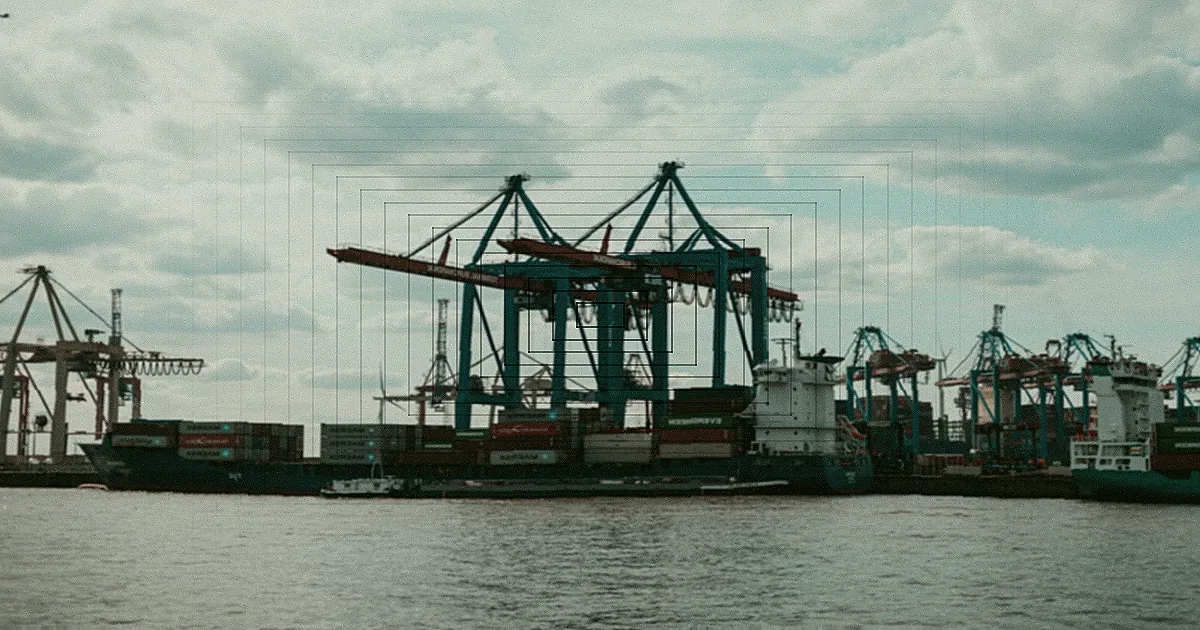
The sting of demurrage isn't just a minor inconvenience; it's a significant financial burden that arises when a vessel stays in port beyond its allotted free time, known as laytime. Whether it's due to port congestion, documentation errors, equipment breakdown, or unforeseen weather, these delays translate directly into substantial daily fines, impacting both charterers and ship owners.
In this definitive guide, I'll share my insights and provide you with actionable strategies, drawing from real-world scenarios and established legal frameworks. My goal is to equip you with the knowledge to not just react to, but proactively prevent and effectively mitigate demurrage penalties in a delayed shipping contract, safeguarding your bottom line.
Understanding the Demurrage Landscape: What You're Up Against
Before we delve into mitigation strategies, it's crucial to grasp the fundamental concepts that govern demurrage. A solid understanding of these terms and their implications is your first line of defense.
Decoding Laytime and Laycan
Laytime refers to the agreed-upon period allowed to the charterer for loading and unloading operations without incurring extra charges. This period is meticulously defined in the charter party agreement, often expressed in days, hours, or even a rate per ton.
Laycan, or Laytime Cancelling Date, is equally critical. It represents the window within which the vessel must arrive at the loading port, ready to load. If the vessel arrives after the cancelling date, the charterer typically has the option to cancel the contract, though this rarely happens without significant negotiation.
The Anatomy of a Demurrage Clause
The demurrage clause itself is the contractual bedrock for these penalties. It specifies the rate per day (or pro-rata for part of a day) that the charterer must pay to the shipowner for detention beyond the agreed laytime. I've seen these clauses range from straightforward to incredibly complex, often including provisions for dispatch (a bonus for finishing early) and exceptions to demurrage.
"Never underestimate the power of a well-negotiated demurrage clause. It's not just about the rate; it's about the conditions, the exceptions, and the notice requirements that can save you millions."
Common causes of delays leading to demurrage include:
- Port congestion and lack of berthing space.
- Customs and immigration delays.
- Breakdown of loading/unloading equipment.
- Labour disputes or strikes at port.
- Adverse weather conditions (though often covered by 'weather working days' clauses).
- Documentation discrepancies or delays.
- Issues with cargo readiness or quality inspection.
Proactive Contract Negotiation: Your First Line of Defense
The most effective way to mitigate demurrage is to address it before the contract is even signed. Strong, clear, and comprehensive charter party clauses are paramount. I always advise clients to invest heavily in this stage.
Key Clauses to Strengthen Your Position
When negotiating, focus on these critical areas:
- Clear Laytime Definition: Ensure the laytime calculation is unambiguous. Specify 'weather working days,' 'holidays excluded,' and 'reachable on arrival' clauses. Ambiguity here is a primary source of disputes.
- Reasonable Demurrage Rates: While shipowners want high rates, negotiate for rates that are fair and reflective of the market. Consider tiered rates that might decrease after a certain period of prolonged delay.
- Notice of Readiness (NOR) Specificity: Define precisely when and how a valid NOR can be tendered. This includes the vessel's physical readiness, customs clearance, and the availability of a berth.
- Exclusion Clauses: Negotiate for specific exclusions from laytime/demurrage, such as delays caused by port authorities, customs, strikes not related to charterer's operations, or breakdown of ship's gear.
- Dispute Resolution Mechanism: Clearly outline the process for resolving demurrage disputes, including timelines for claims and responses, and preferred arbitration venues. For more on maritime contract best practices, see this guide from BIMCO.
Remember, every word in a charter party matters. Don't rush this phase.
Real-Time Communication and Documentation: The Unsung Heroes
Once a contract is in motion and delays begin to surface, meticulous communication and documentation become your most powerful tools. I've seen many cases where a lack of clear records turned a minor dispute into a major financial headache.
Establishing Robust Reporting Protocols
It's not enough to just communicate; you need a structured approach. Implement protocols for daily reporting between the vessel, agent, and charterer. These reports should detail:
- Time of arrival and NOR tender.
- Commencement and cessation of loading/unloading operations.
- Specific causes of any delays, including start and end times.
- Weather conditions and their impact.
- Any extraordinary events.
Every communication, especially concerning delays, should be documented in writing – emails, faxes, or official messages. Verbal agreements are notoriously difficult to prove in a dispute.

Furthermore, ensure that all parties acknowledge receipt of delay notices. This creates an undeniable paper trail that can be crucial in any subsequent demurrage calculation or dispute resolution.
Leveraging Force Majeure and Excepted Perils Clauses
In the unpredictable world of shipping, unforeseen events are a certainty. This is where Force Majeure and Excepted Perils clauses become vital. They can provide legal grounds to suspend contractual obligations, including the accumulation of demurrage.
Understanding the Scope of Force Majeure
A Force Majeure event is typically defined as an unforeseeable circumstance that prevents someone from fulfilling a contract. Common examples include natural disasters (hurricanes, earthquakes), war, acts of terrorism, or widespread epidemics. The key is that the event must be beyond the control of either party and render performance impossible or commercially impracticable.
Crucially, the party invoking Force Majeure usually bears the burden of proving that the event occurred, that it directly caused the delay, and that all reasonable steps were taken to mitigate its effects. Always review your specific contract's Force Majeure clause, as definitions and conditions can vary significantly.
Case Study: The 'Northern Star' Delay
In early 2020, the MV 'Northern Star' was chartered to carry a shipment of automotive parts to a port experiencing unprecedented lockdown measures due to a global pandemic. The charter party included a standard Force Majeure clause. Upon arrival, the port was effectively closed, and no berthing or discharge operations were possible for weeks.
The charterer promptly issued a Force Majeure notice, detailing the port closure and its direct impact on discharge. They provided official port advisories and government decrees as evidence. While the shipowner initially claimed demurrage, the clear contractual language and the undeniable evidence of the Force Majeure event allowed the charterer to successfully argue that laytime had been suspended for the duration of the closure, thereby mitigating substantial demurrage penalties. This case underscores the importance of both a well-drafted clause and diligent documentation.
It's important to understand the legal nuances of such clauses. For a deeper dive into Force Majeure in maritime law, consider resources like those provided by ITF-OECD.
Strategic Operational Adjustments to Minimize Impact
While contractual clauses provide a framework, practical operational decisions on the ground can significantly reduce or even eliminate demurrage. This requires proactive management and flexibility.
Port Congestion Mitigation Strategies
When facing potential delays due to port congestion, consider these operational maneuvers:
- Diversion Options: If feasible and economically viable, explore diverting the vessel to a less congested, alternative port. This requires careful calculation of additional steaming time, port charges, and onward transport costs versus projected demurrage.
- Pre-Arrival Planning: Work closely with port agents, stevedores, and cargo receivers to ensure all necessary documentation, equipment, and personnel are ready the moment the vessel arrives.
- Optimized Stowage Planning: Efficient cargo stowage can significantly reduce loading/unloading times. Collaborate with the ship's master and stevedores to plan the most efficient sequence.
- Continuous Monitoring: Utilize real-time vessel tracking and port congestion data to anticipate delays and make informed decisions about arrival times or potential adjustments.
Sometimes, the cost of a proactive operational adjustment, like a diversion, is far less than the accumulating demurrage. Here's a simplified comparison:
| Option | Estimated Daily Cost | Estimated Total Cost (10 days delay) |
|---|---|---|
| Incur Demurrage | $20,000 | $200,000 |
| Divert to Alternate Port | N/A | $75,000 |

Dispute Resolution and Settlement Tactics
Despite best efforts, demurrage claims will sometimes arise. When they do, a strategic approach to dispute resolution can significantly reduce your financial exposure. It’s about managing the inevitable.
Negotiating Waivers and Reductions
Once a demurrage claim is lodged, don't immediately accept it at face value. Always scrutinize the calculation. Check the laytime statement, review the NOR validity, and verify any alleged delays against your own records. I've often found discrepancies that can lead to a reduction in the claimed amount.
Open communication with the shipowner or charterer is key. Propose a settlement figure that is mutually acceptable, perhaps offering a prompt payment in exchange for a reduction. Highlight any mitigating factors, such as port-wide issues or unforeseen circumstances that impacted the delay.
The Role of Mediation and Arbitration
If direct negotiation fails, consider alternative dispute resolution methods like mediation or arbitration as stipulated in your charter party. Mediation involves a neutral third party facilitating a discussion to reach a voluntary settlement, which is often faster and less costly than litigation.
Arbitration, on the other hand, is a more formal process where an impartial arbitrator (or panel) hears both sides and issues a binding decision. It's a common and respected method in maritime disputes, offering a specialized forum for complex issues. Organizations like the London Maritime Arbitrators Association (LMAA) are crucial in this regard.
Insurance and Financial Safeguards: A Safety Net
Even with the best mitigation strategies, some risks are simply unavoidable. This is where appropriate insurance coverage and robust financial safeguards come into play, offering a critical safety net against unexpected demurrage liabilities.
Types of Marine Insurance Relevant to Demurrage
While standard cargo insurance typically doesn't cover demurrage, several specialized policies can offer protection:
- Charterers' Liability Insurance: This is perhaps the most direct form of cover. It protects charterers against various liabilities, including claims for demurrage, detention, and other contractual breaches.
- Freight, Demurrage & Defence (FD&D) Insurance: Often part of a P&I Club membership, FD&D cover assists members with legal costs and expenses incurred in pursuing or defending claims related to freight, demurrage, and other contractual disputes.
- Extended Risk or Special Clauses: In some cases, it might be possible to negotiate specific clauses within broader marine insurance policies to cover particular demurrage risks, especially for high-value or time-sensitive shipments.

It's crucial to consult with a specialized marine insurance broker to assess your specific exposure and tailor a policy that adequately addresses potential demurrage liabilities. Don't assume you're covered; verify your policy details meticulously.
Post-Mortem Analysis and Continuous Improvement
Every demurrage incident, regardless of its outcome, presents a valuable learning opportunity. A systematic post-mortem analysis is essential for continuous improvement and for refining your strategies to prevent future occurrences.
Implementing Feedback Loops
After each voyage, especially those involving delays or demurrage claims, I strongly advocate for a detailed review process. This involves:
- Gathering All Data: Collect all relevant documents – charter party, NOR, daily reports, port logs, communication records, and final demurrage statements.
- Identifying Root Causes: Go beyond the immediate trigger. Was it truly port congestion, or was there an underlying issue like poor scheduling or inadequate communication?
- Evaluating Response Effectiveness: How well did your team respond to the delay? Were communication protocols followed? Were all contractual rights exercised?
- Documenting Lessons Learned: Create a formal report detailing the incident, its causes, the costs incurred, and specific recommendations for avoiding similar issues in the future.
This feedback loop should inform future contract negotiations, operational planning, and risk management strategies. It transforms a costly mistake into a valuable investment in organizational learning.
| Incident ID | Voyage Date | Port | Delay Days | Demurrage Cost | Root Cause | Action Taken |
|---|---|---|---|---|---|---|
| V-001 | 2023-08-15 | Rotterdam | 5 | $100,000 | Customs Documentation Error | Revised Doc. Protocol |
| V-002 | 2023-09-01 | Shanghai | 3 | $60,000 | Unexpected Port Congestion | Implemented Diversion Plan |

Frequently Asked Questions (FAQ)
What is the difference between demurrage and detention? While often used interchangeably by some, in maritime law, demurrage typically refers to the penalty for keeping a vessel (ship) beyond the agreed laytime in port. Detention, conversely, usually refers to the penalty for keeping equipment (like containers) beyond the free time allowed at the port, terminal, or inland depot. Both represent charges for exceeding free time but apply to different assets and often different contractual parties.
Can demurrage be considered a penalty or liquidated damages? This is a critical legal distinction. In most common law jurisdictions, demurrage is generally considered liquidated damages – a pre-agreed amount designed to compensate the shipowner for losses incurred due to the delay. For it to be enforceable, the rate must be a genuine pre-estimate of loss, not an extravagant penalty. If deemed a 'penalty' by a court, it might not be fully enforceable.
Are there international standards for demurrage calculation? While there are common practices and standard charter party forms (like GENCON, NYPE) that provide templates for demurrage clauses, there isn't a single, universally binding international standard for its calculation. The specific terms are always defined within each individual charter party agreement, which is why meticulous negotiation is so vital.
What role does the port agent play in mitigating demurrage? The port agent plays a crucial role as the eyes and ears on the ground. They are responsible for communicating the vessel's status, coordinating with port authorities, customs, and stevedores, and providing accurate daily statements of facts. A proactive and efficient port agent can significantly help in minimizing delays and providing timely, accurate documentation essential for demurrage disputes.
How does a 'despatch' clause work in relation to demurrage? A despatch clause is the flip side of demurrage. If the charterer completes loading and/or unloading operations in less time than the agreed laytime, the shipowner pays the charterer a 'despatch' bonus. This incentivizes efficiency and can be a win-win, reducing port turnaround times for the owner and providing a financial benefit to the charterer.
Key Takeaways and Final Thoughts
Mitigating demurrage penalties in a delayed shipping contract is not a matter of luck; it's a strategic imperative that demands foresight, diligence, and expert knowledge. As I've outlined, success lies in a multi-faceted approach, integrating robust contractual clauses with proactive operational management and astute dispute resolution.
- Negotiate with Precision: Your contract is your primary shield.
- Document Everything: A clear paper trail is invaluable in any dispute.
- Communicate Continuously: Real-time information is power.
- Understand Legal Avenues: Leverage clauses like Force Majeure when applicable.
- Be Operationally Agile: Adapt to challenges on the ground.
- Insure Wisely: Protect against unforeseen liabilities.
- Learn from Every Incident: Implement feedback for continuous improvement.
By adopting these strategies, you won't just react to demurrage; you'll master it. The maritime industry is complex and ever-changing, but with a solid understanding of these principles, you can navigate its challenges more effectively, protecting your investments and ensuring smoother sailing for your operations. Equip yourself with knowledge, act decisively, and turn potential liabilities into managed risks.
Recommended Reading
- 7 Proven Strategies: How to Prevent International Trademark Infringement in China?
- Critical Evidence Excluded? 7 Steps for License Revocation Hearings
- 7 Steps to Overturn an Agency Decision: Your Guide to Effective Challenges
- 7 Legal Safeguards: Mitigating Faculty Research Misconduct Risks
- 7 Proactive Steps: Minimizing Concussion Liability for Youth Sports?

Comments
Leave a comment below. Your email will not be published. Required fields marked with *