


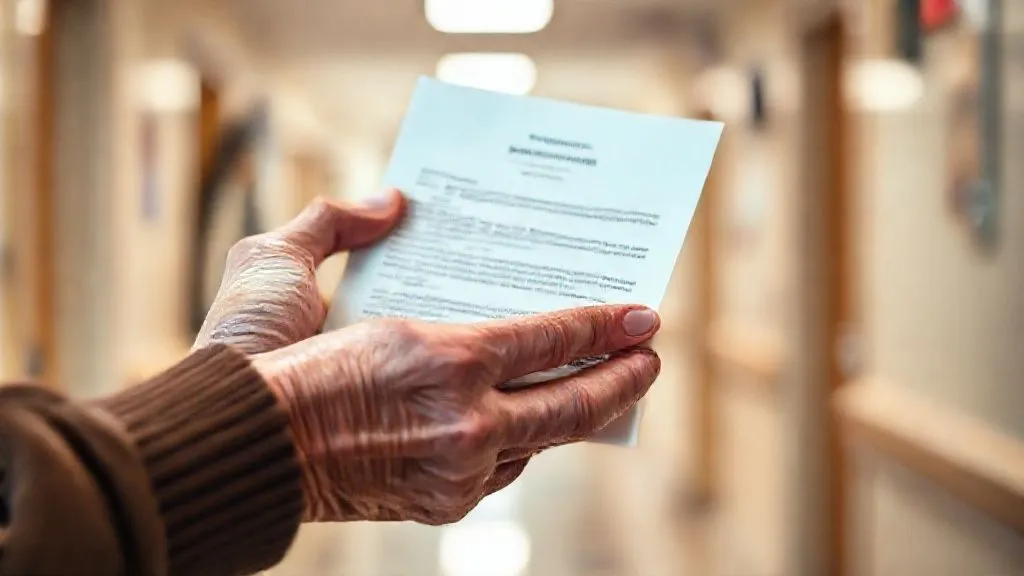
How to fight an unlawful nursing home resident eviction?
For over two decades in the intricate world of Elder Law, I've witnessed firsthand the profound vulnerability of our senior population. One of the most distressing situations I've encountered is the unlawful eviction of a nursing home resident. It's not just a procedural error; it's a devastating uprooting, often leaving elders disoriented, traumatized, and without proper care.
The pain points for families are immense: fear for a loved one's safety, confusion over complex regulations, and the crushing pressure of finding alternative care under duress. Many believe they are powerless against the institution, but I am here to tell you that this is simply not true. You have rights, and there are powerful avenues for recourse.
This article isn't just a guide; it's a battle plan. I'll walk you through actionable frameworks, share insights from real-world scenarios, and provide you with the expert knowledge needed to confidently fight an unlawful nursing home resident eviction. We'll explore everything from understanding your fundamental rights to navigating the appeals process and engaging legal experts. Your loved one's home and well-being are worth fighting for, and I'm here to equip you for that fight.
Understanding Your Rights: The Foundation of Defense
Before you can effectively fight an unlawful eviction, you must understand the bedrock of resident rights. These rights are not privileges; they are legally mandated protections designed to ensure dignity, safety, and proper care for individuals residing in long-term care facilities. Knowledge here is truly power.
Federal Protections You Must Know
At the federal level, the Nursing Home Reform Act, part of the Omnibus Budget Reconciliation Act of 1987 (OBRA '87), sets comprehensive standards for nursing home care and residents' rights. This landmark legislation dictates strict rules regarding admission, transfer, and discharge. A nursing home cannot simply evict a resident on a whim.
Under federal law, a resident can only be discharged or transferred for specific, legally permissible reasons. These include: the resident's welfare or that of other residents cannot be met in the facility; the resident's health has improved to the point they no longer need nursing home services; the safety of individuals in the facility is endangered; the health of individuals in the facility would otherwise be endangered; the resident has failed to pay (after reasonable and appropriate notice); or the facility ceases to operate. Crucially, even when these reasons exist, strict procedures must be followed, including written notice and appeal rights. For more details, consult resources from the Centers for Medicare & Medicaid Services (CMS), which oversees these regulations.
State-Specific Regulations and Ombudsman Programs
While federal laws provide a baseline, state laws often add further protections, sometimes even more stringent ones. It's imperative to familiarize yourself with your specific state's regulations, which can usually be found on your state's Department of Health or Aging Services website. These state laws might dictate specific notice periods, appeal processes, or additional permissible reasons for discharge.
An invaluable resource at both federal and state levels is the Long-Term Care Ombudsman Program. Every state has a program, mandated by the Older Americans Act, to advocate for residents of nursing homes and assisted living facilities. An ombudsman is an impartial advocate who can help resolve complaints, explain rights, and guide you through the complex system. I've seen countless times how an ombudsman's intervention can halt an unlawful eviction in its tracks. You can find your local ombudsman through the National Long-Term Care Ombudsman Program.
Recognizing an Unlawful Eviction: What to Look For
Unlawful evictions often don't announce themselves with a clear 'unlawful' stamp. Instead, they appear as seemingly legitimate discharges, cloaked in bureaucratic language. My experience tells me that vigilance is key to identifying these deceptive practices. Here are the common red flags and signs of an eviction that may be unlawful:
- Insufficient or Incorrect Notice: Federal law generally requires a 30-day written notice of transfer or discharge, though exceptions exist for immediate threats to health or safety. If the notice period is shorter without a clear, documented emergency, or if the notice lacks specific information about appeal rights, it's a red flag.
- Vague or Unsubstantiated Reasons: The notice must state a specific, legitimate reason for discharge. Phrases like 'inability to meet needs' without detailed medical justification, or 'behavioral issues' without documented interventions and care plan adjustments, are often insufficient.
- Lack of Discharge Planning: A nursing home must develop a comprehensive discharge plan, identifying safe and appropriate alternative placements and services. If no such plan is offered, or if the proposed alternative is unsafe or inappropriate, the discharge is likely flawed.
- Retaliation: If a resident or family member has complained about care, raised concerns about billing, or asserted rights, and then suddenly receives an eviction notice, it could be a retaliatory measure, which is strictly prohibited.
- Failure to Provide Necessary Services: Sometimes, a facility may claim they can no longer meet a resident's needs. However, if those needs developed while the resident was in their care, the facility has an obligation to adapt and provide the necessary services, unless doing so is truly beyond their scope or licensure.
- Financial Issues Without Proper Notice: Non-payment is a legitimate reason, but only if the resident has been given proper notice, an opportunity to pay, and assistance in applying for benefits if eligible. A sudden eviction for alleged non-payment without prior communication is highly suspicious.
Never assume the facility is always correct. Always question, always verify, and always seek clarification. Your skepticism can be your greatest asset in these situations.

Immediate Actions: The First 72 Hours After Receiving Notice
When an eviction notice arrives, panic is a natural first reaction. However, in my experience, the initial 72 hours are critically important. Acting swiftly and strategically can make all the difference in preventing an unlawful eviction from becoming a reality. This isn't the time for emotional outbursts, but for methodical and determined action.
- Do NOT Panic, But Act Swiftly: While it's easy to feel overwhelmed, understand that you have a limited window to respond. Take a deep breath, and then immediately shift into action mode. Every hour counts, especially when appeal deadlines are often short.
- Review the Notice Carefully: Scrutinize every detail of the written notice. What is the stated reason for discharge? What is the effective date? Most importantly, does it clearly outline your right to appeal, and provide instructions on how and where to file that appeal? Note any discrepancies or missing information.
- Document Everything: Start a dedicated file for this issue. Log all communications – who you spoke to, their title, the date, time, and a summary of the conversation. Keep copies of all documents provided by the nursing home, your loved one's care plans, financial statements, and any personal notes. This meticulous documentation will be invaluable if you need to appeal or pursue legal action.
- Contact the Long-Term Care Ombudsman: This should be one of your very first calls. The ombudsman is an impartial advocate specifically trained to handle resident complaints and mediate disputes with nursing homes. They can explain your rights, investigate the situation, and often intervene on your behalf, sometimes resolving the issue without further escalation.
- Seek Legal Counsel Immediately: Even if you think the situation is straightforward, an elder law attorney specializing in nursing home resident rights can provide immediate, critical advice. They understand the nuances of state and federal regulations, can identify an unlawful eviction quickly, and guide you through the complex appeals process. Do not wait until the last minute; early legal intervention is often the most effective.
"The window for effective intervention in an unlawful nursing home eviction is often narrow. Procrastination is the enemy of advocacy. Act decisively, and you dramatically increase your chances of success."
Building Your Case: Gathering Evidence and Documentation
Fighting an unlawful eviction is akin to building a legal case, and like any good case, it relies heavily on compelling evidence and thorough documentation. In my career, I've seen many legitimate grievances fail simply because the family couldn't produce the necessary proof. The burden of proof, to a significant extent, will fall on you to demonstrate why the eviction is unlawful. This is where your meticulous record-keeping truly pays off.
Key Documents to Collect
Your documentation should create a comprehensive timeline and narrative of your loved one's stay and the events leading up to the eviction notice. Here's a checklist of essential documents:
- Admission Agreement: The contract signed upon admission. This outlines terms, conditions, services, and payment responsibilities. Review it for any clauses related to discharge.
- Care Plans: These are crucial. They detail the resident's medical needs, personal care requirements, and how the facility plans to meet them. If the eviction reason is 'inability to meet needs,' compare it against the care plans.
- Medical Records: Request a complete copy of all medical records, including physician's orders, progress notes, medication administration records (MARs), and therapy notes. These can contradict claims of improved health or unmanageable conditions.
- Communication Logs: Your personal log of calls, emails, and meetings with nursing home staff, administrators, and doctors. Include dates, times, names, and summaries of discussions.
- Financial Statements/Payment Records: If the eviction is for non-payment, gather all bank statements, payment receipts, and insurance Explanation of Benefits (EOBs) to prove payments were made or that the facility failed to properly bill.
- Eviction/Discharge Notice: The original document you received.
- Facility's Policies and Procedures: If available, these can show if the facility failed to follow its own rules.
- Any Written Correspondence: Emails, letters, or faxes exchanged with the nursing home.
Witness Testimonies and Resident Statements
Beyond paperwork, human testimony can be incredibly powerful. If your loved one is capable, their written statement or direct testimony about the events leading to the eviction can be compelling. Similarly, statements from other residents, family members, or even former staff members who can attest to the resident's care, the facility's practices, or the circumstances surrounding the eviction can be invaluable. Always ensure these statements are factual and preferably in writing, signed, and dated.
Remember, the goal is to paint a clear, undeniable picture that contradicts the facility's stated reason for eviction. The more evidence you have, the stronger your position.
| Document Type | Purpose | Status |
|---|---|---|
| Admission Agreement | Contractual terms, discharge clauses | Collected/Pending |
| Care Plans | Resident needs & facility's plan to meet them | Collected/Pending |
| Medical Records | Health status, contradictions to claims | Collected/Pending |
| Communication Logs | Timeline of interactions, facility's conduct | Collected/Pending |
| Financial Records | Proof of payment, billing discrepancies | Collected/Pending |
| Eviction Notice | Facility's stated reasons, appeal instructions | Collected/Pending |
The Appeals Process: Navigating the Bureaucracy
Once you've gathered your evidence, the next critical step is to formally appeal the eviction. This process is designed to give residents a fair hearing, but it can be intimidating due to its bureaucratic nature. In my experience, understanding each stage and preparing thoroughly is paramount to success in how to fight an unlawful nursing home resident eviction through the formal channels.
Filing Your Appeal
Your eviction notice should contain clear instructions on how to appeal, including the deadline, the specific agency to contact (often the state's Department of Health or a designated administrative appeals board), and what information to include in your appeal request. Do not miss the deadline! Missing it can forfeit your right to a hearing.
- Written Request: Most appeals require a written request. Clearly state that you are appealing the discharge decision, reference the resident's name, the facility's name, and the date of the eviction notice.
- Submit Timely: Ensure your appeal is submitted well before the deadline, using a method that provides proof of delivery (e.g., certified mail with a return receipt, or email with a read receipt).
- Temporary Stay: In many states, filing an appeal automatically grants the resident a temporary stay of the eviction, meaning they cannot be moved until a decision is made after the hearing. This is a critical protection.
The Hearing: What to Expect
The appeal hearing is your opportunity to present your case. It's usually less formal than a court trial but still requires organization and professionalism. An impartial hearing officer or panel will typically preside.
- Preparation is Key: Organize all your documentation. Create a binder with tabs for each type of evidence. Prepare a concise opening statement outlining why the eviction is unlawful and what relief you seek. Anticipate questions and prepare your answers.
- Presenting Your Case: You (or your attorney) will present your evidence. This includes submitting documents, offering witness testimony (including your own and the resident's if applicable), and explaining how the facility's actions violate resident rights or regulations.
- Cross-Examination: The facility will also present its case, and you (or your attorney) will have the opportunity to question their witnesses and challenge their evidence. Conversely, they will question you.
- Decision: After the hearing, the hearing officer will issue a written decision. If the decision is in your favor, the eviction will be overturned, and the resident can remain in the facility. If it's against you, you may have further appeal options through the courts, which is where legal counsel becomes even more indispensable.

Legal Intervention: When to Engage an Elder Law Attorney
While the ombudsman program and the administrative appeals process are vital, there are times when fighting an unlawful nursing home resident eviction absolutely requires the specialized knowledge and advocacy of an elder law attorney. From my perspective, this isn't a sign of weakness; it's a strategic move to level the playing field against institutions with significant legal resources.
Finding the Right Attorney
Not all attorneys are equipped for this specific niche. You need someone with expertise in elder law, specifically nursing home resident rights and regulations. Here’s what to look for:
- Specialization: Seek an attorney who explicitly lists elder law and long-term care issues as their practice areas.
- Experience: Ask about their track record with unlawful eviction cases. How many have they handled? What were the outcomes?
- Referrals: Ask your local Long-Term Care Ombudsman, state bar association, or trusted family friends for referrals. Organizations like the National Academy of Elder Law Attorneys (NAELA) can also be a good resource.
- Compassion and Communication: Beyond legal acumen, you need an attorney who is empathetic, understands the emotional toll of these situations, and communicates clearly and regularly.
What an Attorney Can Do For You
An elder law attorney brings a distinct advantage to your fight:
- Expert Interpretation: They understand the intricate web of federal and state laws, identifying violations you might miss.
- Document Review: They can meticulously review all facility documents, contracts, and medical records to identify weaknesses in the nursing home's case.
- Representation in Appeal Hearings: An attorney can represent you during the administrative appeal, presenting evidence, cross-examining witnesses, and arguing legal points far more effectively than a layperson.
- Negotiation: Sometimes, an attorney can negotiate a favorable resolution with the nursing home, such as a withdrawal of the eviction notice or a transition to a more suitable facility, avoiding a protracted legal battle.
- Litigation: If administrative appeals fail, an attorney can pursue the case in court, filing a lawsuit to protect your loved one's rights and potentially seeking damages for harm caused by the unlawful eviction.
Remember: The cost of an attorney can seem daunting, but the cost of an unlawful eviction – including potential health deterioration, emotional trauma, and finding a new facility – can be far greater. Many attorneys offer initial consultations to discuss your case and potential fees.
Case Study: Sarah's Stand Against Unjust Eviction
Case Study: How Sarah Fought Back and Won
I recall a particularly poignant case involving Sarah, an 85-year-old resident of 'Maplewood Gardens' nursing home. Sarah had lived there for three years, her care paid diligently through a combination of Medicare, supplemental insurance, and her personal savings, managed by her daughter, Emily, through an auto-pay system. One Friday afternoon, Emily received a 'Notice of Discharge' stating Sarah was being evicted for 'non-payment of services' and had 10 days to vacate.
Emily was stunned. Her records showed all payments were current. She immediately called Maplewood Gardens, but was met with vague answers and unhelpful staff. Following my advice, Emily did not panic. She immediately:
- Documented Everything: She compiled all payment records, bank statements, and email correspondence with the facility's billing department.
- Contacted the Long-Term Care Ombudsman: The ombudsman's office assigned an advocate who immediately contacted Maplewood Gardens, requesting clarification and a halt to the eviction.
- Engaged an Elder Law Attorney: Emily then contacted an elder law attorney I had recommended. The attorney swiftly reviewed the eviction notice and Emily's documentation. They discovered the nursing home had recently switched billing software, and a glitch had failed to process Sarah's last two auto-payments, despite the funds being available in her account. The facility had not communicated this error to Emily prior to the eviction notice.
The attorney, armed with irrefutable proof of payment and the facility's lack of proper communication, filed an immediate appeal. The ombudsman's prior intervention had already put the facility on notice. During the administrative hearing, the attorney presented the meticulously organized financial records and argued that the facility had failed to provide proper notice of non-payment and had not made reasonable efforts to resolve the billing discrepancy before resorting to eviction. The hearing officer quickly sided with Sarah. The eviction was overturned, and Maplewood Gardens was ordered to rectify the billing error and reimburse Sarah for any legal fees incurred. Sarah remained in her home, her rights upheld, thanks to Emily's swift, informed, and determined action, guided by expert advice.
Preventing Future Issues: Proactive Measures
While knowing how to fight an unlawful nursing home resident eviction is crucial, an even better strategy is to prevent such situations from arising in the first place. My years in elder law have taught me that proactive measures, careful planning, and consistent vigilance can significantly reduce the risk of an unlawful discharge. It's about building a strong foundation of understanding and communication.
- Thoroughly Review Admission Agreements: Before admission, meticulously read and understand every clause in the nursing home contract. Pay particular attention to sections on discharge, transfer, payment responsibilities, and dispute resolution. Ask questions and clarify anything unclear. Do not sign if you have doubts.
- Maintain Open Communication: Regularly communicate with nursing home staff, especially the charge nurse, social worker, and administrator. Attend care plan meetings and advocate for your loved one's needs. Document these interactions. A good relationship can often preempt misunderstandings that lead to disputes.
- Stay on Top of Financials: Ensure all bills are paid on time and keep meticulous records of all payments, insurance claims, and correspondence with the billing department. If you notice any discrepancies, address them immediately and in writing.
- Understand Care Plans: Be fully engaged in the development and review of your loved one's care plan. Ensure it accurately reflects their needs and that the facility is indeed meeting them. If there are changes in health or behavior, ensure the care plan is updated accordingly.
- Designate a Responsible Party/Power of Attorney: Ensure there is a legally designated individual (e.g., through a Durable Power of Attorney for Healthcare and Finances) who can make decisions and advocate on behalf of the resident if they become incapacitated. This person should be well-versed in the resident's rights and care.
- Know Your Ombudsman: Establish contact with your local Long-Term Care Ombudsman early on. They are a valuable resource for information and can offer advice even before a problem arises.
- Regularly Assess the Facility: Periodically evaluate the quality of care, staffing levels, and overall environment. If you notice a decline in care or recurring issues, address them promptly. Sometimes, an unlawful eviction is a symptom of a larger problem within the facility.
By taking these proactive steps, you create a robust shield of protection around your loved one, making it far more difficult for a nursing home to initiate an unlawful eviction without facing immediate, well-documented resistance.

Frequently Asked Questions (FAQ)
Q: Can a nursing home evict a resident for refusing treatment? A: Generally, no. Competent residents have the right to refuse medical treatment, and this refusal alone is not a valid reason for eviction. However, if the refusal of treatment creates a significant risk to the resident's health or the safety of others that the facility cannot manage, and if all other options (like care plan adjustments or alternative placements) have been exhausted, it *might* be argued as a reason for discharge under specific circumstances. This is a complex area where legal counsel is highly advisable, as the resident's right to self-determination is a strong protection.
Q: What if the nursing home claims they can't meet the resident's needs? A: This is a common reason cited for discharge. The nursing home must demonstrate that the resident's needs genuinely cannot be met in that facility, even with reasonable accommodations. They must provide detailed medical justification, show evidence of trying to meet the needs (e.g., through care plan adjustments, specialist consultations), and prove that they lack the necessary licensure or staff expertise. If the needs developed while the resident was in their care, the facility often has a responsibility to adapt. An ombudsman or attorney can challenge this claim, especially if the facility is simply trying to avoid providing more complex or costly care.
Q: How long does the eviction appeal process typically take? A: The timeline can vary significantly by state and the complexity of the case. Typically, once an appeal is filed, a hearing might be scheduled within 10-30 days. The decision from the hearing officer could follow within a few days to a few weeks after the hearing. If the decision is unfavorable and further court action is pursued, the process can extend for several months or even longer. The crucial point is that in most states, the resident cannot be evicted while the appeal is pending.
Q: Are there free legal resources available for unlawful evictions? A: Yes, there are several options. The Long-Term Care Ombudsman Program, as discussed, is a free advocacy service. Many states have Legal Aid or Legal Services programs specifically for seniors or low-income individuals, which can offer free or low-cost legal representation. The Eldercare Locator, a public service of the U.S. Administration for Community Living, can help you find local resources, including legal assistance. University law clinics specializing in elder law may also offer pro bono services.
Q: What's the difference between discharge and transfer? A: While often used interchangeably, there's a subtle but important distinction in the context of resident rights. A 'discharge' typically implies the resident is leaving the facility permanently, either to return home, move to a different level of care (e.g., assisted living), or for a permissible reason like non-payment. A 'transfer' usually means moving to another bed within the same facility or to a different facility, often for medical reasons (e.g., hospital stay) or due to changes in care needs. Both discharge and transfer are subject to the same strict federal and state regulations regarding notice, reasons, and appeal rights, ensuring residents are not moved arbitrarily.
Key Takeaways and Final Thoughts
Fighting an unlawful nursing home resident eviction is undoubtedly a challenging journey, fraught with emotional stress and complex legalities. However, as an experienced industry specialist, I want to leave you with an unwavering message of empowerment: you are not powerless.
- Knowledge is Your Strongest Weapon: Understand your loved one's federal and state resident rights.
- Act Swiftly and Document Everything: The initial hours and meticulous record-keeping are crucial.
- Utilize the Ombudsman: This free, impartial advocate is your first line of defense.
- Build an Unassailable Case: Gather all relevant medical, financial, and communication records.
- Don't Hesitate to Seek Legal Counsel: An elder law attorney can navigate complexities and represent your interests effectively.
- Prevention is Key: Proactive measures like thorough contract review and open communication can reduce future risks.
The fight to protect the dignity and home of our elders is a noble one. While the system can feel overwhelming, remember that countless individuals have successfully challenged unlawful evictions by being informed, persistent, and well-supported. Arm yourself with the knowledge and resources provided here, stand firm in advocating for your loved one, and trust that justice can prevail. Their well-being, peace of mind, and security depend on your resolve. You have the tools; now, go forth and protect those who deserve our utmost care and respect.

Recommended Reading
- Sue Debt Collector Financial Services? Know Your Rights Now!
- 7 Proven Ways: How to Challenge Executive Branch Overreach of Powers?
- Client Misrepresents Assets in Bankruptcy? 5 Steps to Protect Your Case
- Unmasking the Legal Minefield: Essential TikTok Influencer Risks You Can't Ignore
- Unlock True Worth: How to Value Intellectual Property for Licensing Success





Comments
Leave a comment below. Your email will not be published. Required fields marked with *