



How to Legally Manage Surprise Asbestos Discovery During Demolition?
For over 20 years in real estate law, specializing in environmental compliance, I've guided countless developers, contractors, and property owners through the labyrinthine challenges of site remediation. One of the most disruptive and financially perilous surprises is the unexpected discovery of asbestos during demolition. I've seen projects grind to a halt, budgets explode, and legal battles ensue, all because the proper protocols weren't understood or followed.
The moment that 'DANGER ASBESTOS' sign goes up, it's not just a construction delay; it's a complex legal and logistical emergency. The stakes are incredibly high, involving worker safety, significant financial penalties, project delays, and potential long-term liability. The natural inclination might be panic, but in my experience, a calm, methodical, and legally informed response is your strongest defense.
This article isn't just a guide; it's a comprehensive framework built on years of navigating these exact scenarios. I’ll walk you through the immediate actions, the regulatory maze, the crucial professional engagements, and the meticulous documentation required to legally manage surprise asbestos discovery during demolition, transforming a potential catastrophe into a manageable challenge.
The Immediate Aftermath: First Steps & Legal Obligations
The very first moments after an asbestos discovery are critical. Your response here sets the tone for everything that follows, both legally and operationally. There’s no room for hesitation or cutting corners.
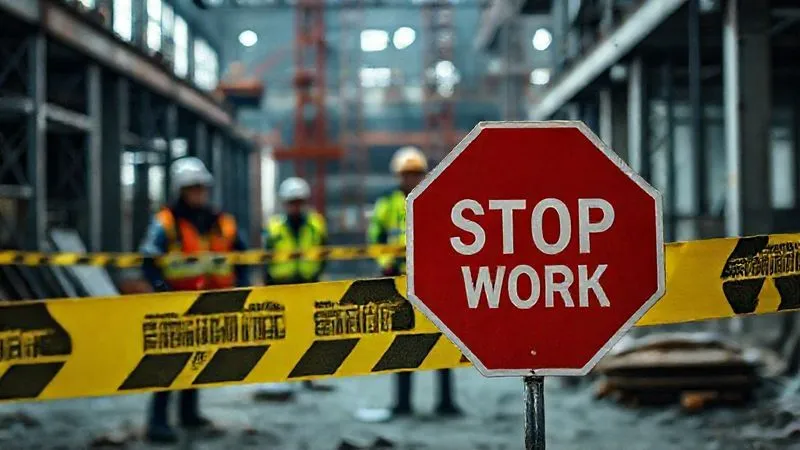
Stop Work Immediately and Secure the Area
This is non-negotiable. Any activity that could disturb the material further must cease. Continuing work, even for minutes, can disperse asbestos fibers, increasing health risks and dramatically escalating your legal liability.
- Halt All Operations: Issue a stop-work order to all personnel in the affected area immediately.
- Evacuate Non-Essential Personnel: Ensure only those trained for hazardous material response remain, if necessary.
- Secure the Perimeter: Establish a clear exclusion zone around the discovery site. Use caution tape, barriers, and clear signage (e.g., “DANGER: ASBESTOS – AUTHORIZED PERSONNEL ONLY”).
- Minimize Air Movement: Turn off HVAC systems in the immediate vicinity to prevent the spread of fibers.
- Notify Site Management: Alert the project manager, site supervisor, and the property owner without delay.
Notify Relevant Authorities
Depending on the jurisdiction and the nature of the discovery, various federal, state, and local agencies may require immediate notification. Failing to do so can result in severe fines and legal action.
- OSHA (Occupational Safety and Health Administration): If workers are exposed or potentially exposed, OSHA must be informed. They oversee workplace safety standards.
- EPA (Environmental Protection Agency): Under the National Emission Standards for Hazardous Air Pollutants (NESHAP) for asbestos, the EPA has strict notification requirements for asbestos-containing material (ACM) disturbances.
- State Environmental Agencies: Many states have their own departments of environmental protection (e.g., California EPA, New York DEC) with specific asbestos reporting mandates.
- Local Air Quality Management Districts: These local bodies often have the most stringent and immediate notification requirements for asbestos disturbances.
It’s imperative to consult legal counsel specializing in environmental law at this stage. I always advise clients to have their legal team manage or review all communications with regulatory bodies to ensure compliance and avoid inadvertent admissions of liability. For federal guidelines, the EPA's website offers comprehensive resources.
Understanding Your Legal Landscape: Federal, State, and Local Regulations
Navigating asbestos regulations is like deciphering a multi-layered legal onion. There are federal mandates, overlaid by state laws, and further complicated by local ordinances. A misstep at any level can lead to significant repercussions.
Federal Regulations: EPA NESHAP and OSHA Standards
At the federal level, the two primary regulatory bodies are the EPA and OSHA.
- EPA NESHAP (National Emission Standards for Hazardous Air Pollutants): The NESHAP regulations, specifically 40 CFR Part 61, Subpart M, govern asbestos during demolition and renovation activities. They dictate pre-demolition asbestos surveys, notification requirements for planned demolitions (even if no asbestos is found), specific work practices for removal, and disposal procedures for asbestos-containing materials (ACM). The goal is to prevent the release of asbestos fibers into the air.
- OSHA (Occupational Safety and Health Administration) Standards: OSHA's primary focus is worker protection. Their standard 29 CFR 1926.1101 (for construction) and 29 CFR 1910.1001 (for general industry) mandate comprehensive worker training, personal protective equipment (PPE), medical surveillance, exposure monitoring, and specific work practices to minimize worker exposure to asbestos. Any discovery immediately triggers these stringent safety protocols. You can find detailed information on OSHA's asbestos page.
State and Local Compliance: The Devil in the Details
While federal regulations provide a baseline, state and local authorities often impose more stringent requirements. These can include:
- More Restrictive Notification Periods: Some local air districts require notification within 24 hours, not just the 10 business days mandated by NESHAP for planned activities.
- Stricter Licensing for Abatement Contractors: Many states require specific licenses, certifications, and insurance beyond federal mandates for asbestos professionals.
- Specific Waste Disposal Protocols: Local landfills or waste management facilities may have unique requirements for accepting asbestos waste.
- Additional Permitting: Beyond demolition permits, you might need specific asbestos abatement permits from local health or environmental departments.
"Ignorance of the law is no excuse, especially when it comes to hazardous materials. Proactive understanding and rigorous adherence to all jurisdictional requirements save not just money, but also reputations and lives."
I’ve witnessed projects where federal compliance was meticulously handled, only for the project to be shut down due to a missed local permit or notification. This layered regulatory environment underscores the need for local expertise.
Professional Assessment and Abatement Planning
Once the immediate stop-work order is in place and initial notifications are made, the next critical phase involves bringing in the right experts to assess the situation and develop a compliant abatement plan.
Engaging Certified Asbestos Professionals
This is not a job for your general contractor, unless they are specifically licensed and certified for asbestos work. You need a team of specialists:
- Certified Asbestos Inspector/Consultant: An AHERA (Asbestos Hazard Emergency Response Act) certified inspector is crucial. They will conduct detailed sampling and analysis to confirm the presence of asbestos, identify its type (e.g., chrysotile, amosite, crocidolite), its condition, and estimate the quantity. Their report will be the foundation of your abatement strategy and a key piece of your legal documentation.
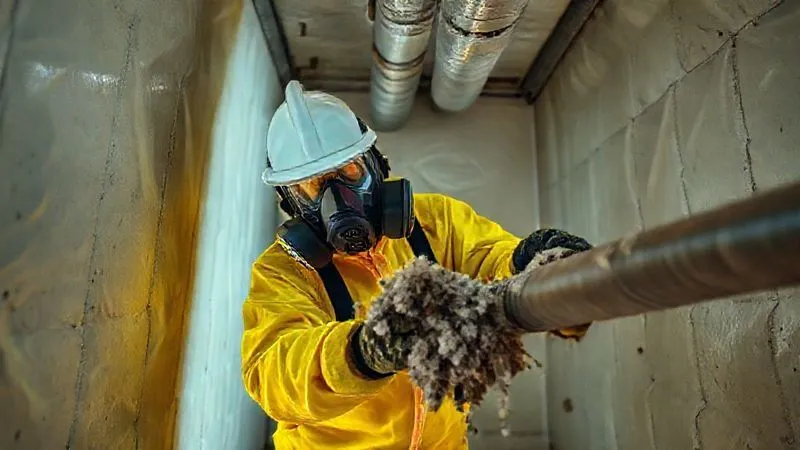
- Licensed Asbestos Abatement Contractor: These are specialized firms with trained and certified workers, proper equipment (e.g., negative air machines, HEPA vacuums), and experience in safe asbestos removal, encapsulation, or enclosure. They understand containment protocols, worker protection, and proper disposal.
- Environmental Attorney: As your legal counsel, they will ensure all actions comply with federal, state, and local laws, review contracts, and manage communication with regulatory agencies.
Developing a Comprehensive Abatement Plan
Based on the inspector's findings, the abatement contractor, in conjunction with your legal and project management teams, will develop a detailed plan. This plan is often submitted to regulatory agencies for approval.
- Scope of Work: Clearly define what materials will be removed, where, and by what method.
- Containment Strategy: Detail how the work area will be isolated to prevent fiber release (e.g., critical barriers, negative pressure enclosures).
- Worker Protection: Outline PPE, decontamination procedures, and medical surveillance.
- Air Monitoring: Specify how air quality will be monitored during and after abatement.
- Waste Management: Detail packaging, labeling, transportation, and disposal at an approved landfill.
- Emergency Procedures: What happens if there's a breach or accident?
| Phase | Key Action | Regulatory Link |
|---|---|---|
| Assessment | AHERA-certified inspection, material sampling, risk evaluation | EPA NESHAP, OSHA 29 CFR 1926.1101 |
| Containment | Establish negative pressure enclosures, critical barriers, decontamination units | OSHA 29 CFR 1926.1101, State/Local Air Quality |
| Abatement | Safe removal, encapsulation, or enclosure by certified workers, fiber control | State/Local Licensing Boards, OSHA, EPA |
| Disposal | Proper packaging, labeling, transport to approved landfill, manifest tracking | DOT, EPA, State/Local Waste Management |
Documentation, Notification, and Record-Keeping
In the world of environmental law, if it wasn't documented, it didn't happen. Meticulous record-keeping and timely notifications are not merely administrative tasks; they are your primary legal defense.
Meticulous Record-Keeping: Your Legal Shield
Every step of the asbestos management process must be documented with precision. This creates an auditable trail that demonstrates due diligence and compliance, crucial if you ever face regulatory scrutiny or litigation.
- Pre-Demolition Survey Report: Even if conducted before the surprise discovery, this document proves your efforts to identify hazards.
- Asbestos Inspection Report: The findings of the AHERA-certified inspector, including sample locations, laboratory results, and material quantities.
- Regulatory Notifications: Copies of all notifications sent to EPA, OSHA, state, and local agencies, including proof of delivery.
- Abatement Plan: The approved plan, including any revisions.
- Worker Certifications and Training Records: Proof that all personnel involved in abatement are properly trained and certified.
- Daily Work Logs: Detailed records of abatement activities, personnel on site, equipment used, and any incidents.
- Waste Manifests and Disposal Records: Documents tracking the asbestos waste from your site to an approved landfill, including weigh tickets and chain of custody.
- Air Monitoring and Clearance Reports: Results from air sampling during and after abatement, confirming the area is safe for re-occupancy or continued demolition.
- Contracts and Invoices: Agreements with all consultants, contractors, and disposal facilities.
Required Notifications and Permits
Beyond the initial discovery notification, you'll have ongoing requirements:
- NESHAP Demolition/Renovation Notification: Even if you didn't find asbestos initially, its discovery necessitates specific notifications to the EPA (or delegated state/local agency) before abatement begins, typically 10 working days in advance.
- Abatement Permits: Many jurisdictions require specific permits for asbestos removal projects.
- Waste Hauler Permits: Ensure your waste transporter is licensed to carry hazardous materials.
I cannot stress enough the importance of having your environmental attorney review all documentation before submission. This ensures accuracy, completeness, and legal compliance. For example, the California Air Resources Board provides specific forms and guidelines for asbestos notification and demolition in that state, highlighting the local variations.
Financial Implications and Insurance Considerations
A surprise asbestos discovery can be a significant financial blow. Understanding these implications and having the right insurance coverage is vital for mitigating the economic impact.
Understanding the Costs of Abatement
The costs associated with asbestos abatement are multifaceted and can quickly escalate:
- Direct Abatement Costs: This includes the fees for certified inspectors, abatement contractors, air monitoring, and specialized waste disposal. These costs vary widely based on the quantity, type, and friability of the asbestos.
- Project Delays: Time is money in construction. Abatement can halt a project for weeks or even months, leading to extended loan interest, loss of revenue, and contractual penalties for missed deadlines.
- Legal and Consulting Fees: Costs for environmental attorneys, compliance consultants, and expert witnesses if litigation arises.
- Fines and Penalties: Non-compliance with regulations can result in substantial fines from federal, state, and local agencies.
- Reputational Damage: While harder to quantify, a reputation for environmental negligence can impact future projects and public trust.
Insurance Coverage: Are You Protected?
Standard general liability insurance often excludes coverage for pollution and hazardous materials. Therefore, specific environmental insurance policies are crucial:
- Environmental Impairment Liability (EIL) Insurance: Also known as Pollution Legal Liability (PLL), this policy covers third-party bodily injury, property damage, and cleanup costs arising from pollution conditions, including asbestos.
- Contractor's Pollution Liability (CPL) Insurance: Designed for contractors, this covers liability for pollution conditions caused by their operations.
- Owner's Protective Professional Indemnity (OPPI): This can cover the owner for professional negligence of consultants, including environmental consultants.
Case Study: "The Downtown Redevelopment Delay"
I recall a client, "CityScape Developers," who purchased an old commercial building for a lucrative downtown redevelopment project. A pre-demolition survey, conducted by an uncertified firm, missed significant asbestos in pipe insulation. During demolition, a worker, not properly trained, disturbed the material. The surprise asbestos discovery during demolition immediately triggered a stop-work order from the local air quality district. Without proper EIL insurance, CityScape faced direct abatement costs of over $750,000, $200,000 in regulatory fines, and an additional $1.2 million in project delay penalties. Their initial survey firm had no environmental coverage, leaving CityScape holding the bag. This starkly contrasts with another client, "Urban Renewal Inc.," who, after a similar discovery, had invested in robust environmental due diligence and EIL insurance. While they still incurred abatement costs and some delays, their insurance covered a significant portion, and their meticulous compliance documentation mitigated fines to a minimal amount, allowing them to resume demolition much faster.
Worker Safety and Training Protocols
At the heart of all asbestos regulations is the paramount concern for human health. Ensuring worker safety is not just a moral imperative but a stringent legal requirement with severe penalties for non-compliance.
OSHA Compliance and Worker Protection
OSHA's asbestos standards (29 CFR 1926.1101 for construction) are incredibly detailed and must be followed without exception. The moment asbestos is discovered, specific protocols are triggered:
- Exposure Assessment: Determine the potential for worker exposure.
- Regulated Areas: Establish and demarcate areas where asbestos work is occurring, restricting access to authorized personnel.
- Personal Protective Equipment (PPE): Provide and ensure the correct use of respirators (e.g., N95 for low exposure, supplied-air for high), disposable protective clothing (Tyvek suits), and other necessary gear.
- Medical Surveillance: Workers involved in asbestos-related tasks must undergo medical examinations, including lung function tests, to monitor their health.
- Training: All workers who might be exposed to asbestos must receive comprehensive training on asbestos hazards, safe work practices, emergency procedures, and the proper use of PPE.
- Hygiene Facilities: Provide decontamination showers and changing rooms for workers leaving regulated areas.
Preventing Exposure and Ensuring Long-Term Health
The long latency period of asbestos-related diseases (often 20-50 years) means that mistakes made today can have devastating consequences decades down the line. This underscores the need for:
- Strict Containment: Preventing the spread of fibers outside the work area is crucial for protecting both on-site workers and the surrounding community.
- Negative Air Pressure: Using specialized equipment to draw air into the containment area and filter it before release ensures fibers don't escape.
- Air Monitoring: Continuous air sampling during abatement and final clearance testing verifies that fiber levels are safe.
- Proper Decontamination: Ensuring workers and equipment are thoroughly decontaminated before leaving the regulated area.
As an expert, I always emphasize that investing in top-tier safety measures and training is not an expense; it's an investment in your company's future, preventing costly lawsuits, regulatory actions, and, most importantly, protecting human lives.
Post-Abatement Procedures and Project Resumption
The physical removal of asbestos is a significant milestone, but the legal and procedural journey isn't over. Proper post-abatement verification is essential before demolition can safely and legally resume.
Final Clearance Testing and Air Monitoring
Before any containment barriers are removed or other trades re-enter the area, independent third-party testing is mandatory. This typically involves:
- Visual Inspection: A thorough visual check by the certified inspector to ensure all visible ACM has been removed and surfaces are clean.
- Aggressive Air Sampling: Air samples are taken within the abatement area, often with fans used to agitate the air, to measure airborne fiber concentrations.
- Laboratory Analysis: Samples are sent to an accredited laboratory for analysis, typically using Phase Contrast Microscopy (PCM) or Transmission Electron Microscopy (TEM), to determine if airborne fiber levels meet regulatory clearance standards (e.g., below 0.01 fibers per cubic centimeter).
Obtaining Clearance Documentation
Once the clearance testing confirms that the area is safe, the independent consultant will issue a final clearance report. This document is paramount. It officially certifies that the abatement work was successful and the area is safe for re-occupancy or continued demolition. Without this, you cannot legally proceed.
Resuming Demolition: A Phased Approach
Even with clearance, I advise a cautious, phased resumption of demolition. Review the original demolition plan, update it to reflect the asbestos abatement, and ensure all personnel are briefed on the new site conditions. Consider a "soft start" to monitor for any unforeseen issues. This demonstrates ongoing due diligence.
| Stage | Legal Action | Risk Factor |
|---|---|---|
| Pre-Abatement | Notify authorities, secure site, engage certified inspector, develop plan | High (fines, exposure, delays) |
| Abatement | Implement approved plan, meticulous documentation, worker safety, continuous monitoring | Medium (operational, cost, compliance) |
| Post-Abatement | Clearance testing, final reports, permit closure, phased resumption | Low (compliance verification, residual liability) |
Navigating Liability and Mitigating Future Risks
Even after successful abatement, the shadow of liability can linger. Understanding potential liabilities and implementing robust risk mitigation strategies are crucial for protecting your interests long-term.
Understanding Owner and Contractor Liability
Liability for asbestos discovery and exposure can be complex and may extend to multiple parties:
- Property Owner: The owner typically holds ultimate responsibility for hazardous materials on their property. Even if a contractor is hired, the owner can be held liable for negligent oversight or failure to ensure compliance.
- General Contractor: Responsible for overall site safety and ensuring subcontractors comply with regulations.
- Asbestos Abatement Contractor: Directly liable for performing the abatement work safely and compliantly.
- Asbestos Inspector/Consultant: Can be liable for professional negligence if they fail to identify asbestos that should have been found.
I've seen cases where property owners were held liable for millions, even when they believed they had delegated all responsibility. The key is active engagement and verification of compliance at every step, not just delegation.
Due Diligence: The Best Defense
The most effective way to mitigate future risks related to asbestos is thorough environmental due diligence *before* property acquisition or project commencement.
- Phase I Environmental Site Assessment (ESA): This non-invasive review identifies potential environmental liabilities, including the likelihood of ACM.
- Phase II ESA: If Phase I identifies potential ACM, Phase II involves intrusive sampling and testing to confirm its presence, type, and quantity.
- Asbestos Demolition/Renovation Survey: Always conduct a comprehensive, destructive asbestos survey by an AHERA-certified professional *before* any demolition or renovation activities. Assume all suspect materials contain asbestos until proven otherwise.
- Robust Contracts: Ensure contracts with all parties (sellers, buyers, contractors, consultants) clearly define responsibilities, indemnities, and insurance requirements for hazardous materials.
- Ongoing Training and Vigilance: Educate your project teams on the signs of asbestos and the immediate protocol for discovery.
By implementing these proactive measures, you can significantly reduce the likelihood of a surprise asbestos discovery during demolition and protect your project, your finances, and your reputation.
Frequently Asked Questions (FAQ)
Q: What if our contractor concealed the asbestos discovery to avoid delays? A: This is an extremely serious offense. Concealing asbestos discovery is a violation of multiple federal, state, and local laws, carrying severe criminal and civil penalties for both the contractor and potentially the property owner if complicit or negligent. It can lead to massive fines, imprisonment, and permanent disbarment from future projects. Immediate reporting to authorities and legal counsel is critical if you suspect concealment.
Q: Can I get an exemption for a small amount of asbestos? A: Generally, no. Most regulations do not have de minimis exemptions for asbestos. Any amount of friable asbestos (material that can be crumbled by hand pressure when dry) or specified non-friable asbestos, if disturbed during demolition, triggers regulatory requirements for proper handling and disposal. It's always best to assume all asbestos-containing material (ACM) requires compliant management, regardless of perceived quantity.
Q: What are the typical penalties for non-compliance with asbestos regulations? A: Penalties vary widely. EPA fines for NESHAP violations can reach tens of thousands of dollars per day per violation. OSHA fines for worker safety violations can also be substantial. State and local agencies often have their own fine structures. Beyond monetary penalties, non-compliance can lead to project shutdowns, legal injunctions, criminal charges, and civil lawsuits from exposed individuals or affected parties.
Q: How long does the asbestos abatement process typically take after discovery? A: The timeline can vary significantly based on the scope, quantity, and type of asbestos, as well as regulatory notification periods. After discovery, initial stop-work and notification can take days. Engaging certified professionals and developing a plan can take a week or more. Regulatory approval and mandatory notification periods (often 10 working days for NESHAP) add further time. The actual abatement itself can range from a few days for small, contained areas to several weeks or months for large-scale projects. Overall, expect weeks to months of delay.
Q: Who typically bears the cost of a surprise asbestos discovery during demolition? A: Ultimately, the property owner is usually responsible for the costs. While contracts with general contractors or sellers might shift some financial burden through indemnification clauses, the owner often remains the party on the hook for regulatory compliance and remediation. This underscores the importance of thorough pre-purchase due diligence, robust contracts, and appropriate environmental insurance policies.
Key Takeaways and Final Thoughts
- Act Immediately & Secure: Stop work and establish an exclusion zone the moment asbestos is suspected.
- Notify Relentlessly: Inform all relevant federal, state, and local authorities without delay.
- Engage Experts: Hire AHERA-certified inspectors, licensed abatement contractors, and experienced environmental legal counsel.
- Document Everything: Maintain meticulous records of surveys, plans, notifications, work logs, and disposal manifests.
- Insure Proactively: Ensure you have adequate environmental impairment liability (EIL) insurance to cover potential costs.
- Prioritize Safety: Adhere strictly to OSHA protocols for worker protection and training.
- Verify Clearance: Obtain independent clearance testing and documentation before resuming work.
- Due Diligence is Key: Proactive environmental assessments and robust contracts are your best defense against future surprises.
A surprise asbestos discovery during demolition is undoubtedly a daunting challenge, but it doesn't have to be a project killer. With a clear understanding of your legal obligations, a methodical approach, and the right team of experts, you can navigate these complex waters safely, compliantly, and with minimal long-term repercussions. Remember, in environmental real estate, foresight and meticulous planning are your most valuable assets.
Recommended Reading
- 7 Expert Strategies: Proving Subtle mTBI When Initial Scans Are Normal
- Can I Legally Rehabilitate Injured Wild Animals? Your Essential Guide
- What To Do After a Workplace Investigation: Your Essential Guide
- IRS Audit Defense: 7 Strategies for Complex Business Expense Deductions
- 5 Pillars: How to Establish a Particular Social Group for Asylum Claims?



Comments
Leave a comment below. Your email will not be published. Required fields marked with *