



How to Legally Mitigate Diplomatic Immunity Abuse by Foreign Officials?
For over two decades in the intricate world of international law, I've personally witnessed the profound challenges and ethical dilemmas posed by diplomatic immunity. It’s a cornerstone of international relations, designed to foster communication and prevent harassment, yet in specific, egregious cases, it can become a shield for misconduct, leaving victims without recourse and host nations frustrated.
The problem isn't the immunity itself, but its occasional, deliberate abuse by a select few foreign officials who exploit this privilege for personal gain or to evade accountability for serious offenses. This erosion of trust not only harms individuals but also strains bilateral relations, undermines the rule of law, and can even compromise the very principles of diplomatic engagement.
In this definitive guide, I will draw upon my extensive experience to dissect the legal frameworks surrounding diplomatic immunity and, more importantly, equip you with actionable, expert-backed strategies and frameworks to legally mitigate its abuse. We’ll move beyond theoretical discussions to explore practical steps, drawing on case studies and international precedents to show how host states can assert their sovereignty while upholding their international obligations.
Understanding the Foundations: The Vienna Convention on Diplomatic Relations (VCDR)
Before we delve into mitigation strategies, it's crucial to understand the bedrock of diplomatic immunity: the 1961 Vienna Convention on Diplomatic Relations (VCDR). This multilateral treaty, almost universally ratified, codifies long-standing customs regarding diplomatic privileges and immunities. Its primary purpose, as I often emphasize to my clients, is to ensure the efficient performance of the functions of diplomatic missions as representing States, not to benefit individuals.
Articles 29 to 40 of the VCDR outline the scope of immunity, covering everything from the inviolability of the diplomatic agent's person, residence, and property to immunity from criminal, civil, and administrative jurisdiction. However, it’s vital to recognize that these immunities are not absolute. Article 41, for instance, explicitly states that diplomats have a duty to respect the laws and regulations of the receiving State and not to interfere in its internal affairs. This duty, often overlooked in public discourse, is a critical lever in addressing abuse.
Expert Insight: The VCDR represents a delicate balance between a diplomat's need for unhindered operation and the host state's sovereign right to enforce its laws. True mitigation lies in understanding and strategically navigating this balance, not in outright rejection of the Convention.
Immunity from jurisdiction means a diplomat cannot be prosecuted or sued in the courts of the receiving state. This extends to their family members forming part of their household. However, it does not mean they are exempt from the law of their sending state. The sending state retains jurisdiction over its diplomats, a crucial point we will revisit when discussing internal accountability. For a comprehensive understanding, I always recommend consulting the original text of the Vienna Convention on Diplomatic Relations.
The Nuance of Waiver: A Primary Mitigation Tool
One of the most direct and effective legal avenues for addressing diplomatic immunity abuse is through the waiver of immunity. Article 32 of the VCDR clearly stipulates that the sending State may waive the immunity from jurisdiction of its diplomatic agents. This isn't a unilateral decision by the host state; it requires the explicit consent of the sending state, typically communicated through its Head of Mission or Ministry of Foreign Affairs.
In my experience, securing a waiver is often a diplomatic tightrope walk. It involves sustained communication, presenting compelling evidence of the alleged misconduct, and emphasizing the serious implications of non-cooperation for bilateral relations. The sending state might agree to a waiver if the alleged offense is particularly grave, if the evidence is irrefutable, or if they wish to demonstrate their commitment to justice and avoid international condemnation.
Types of Waivers and Their Implications
- Express Waiver: This is the most common form, where the sending state formally communicates its decision to waive immunity, usually in writing. It can be for specific acts (e.g., criminal prosecution for a particular incident) or for a broader scope.
- Implied Waiver: While rarer in practice for criminal matters, an implied waiver can occur if a diplomat initiates proceedings in the receiving state's courts (e.g., filing a civil lawsuit) and then attempts to invoke immunity for a counter-claim directly connected to those proceedings. The VCDR specifies that making a counter-claim directly connected with the principal claim initiated by the diplomatic agent prevents them from invoking immunity.
Challenges in obtaining waivers are numerous. Sending states may be reluctant to waive immunity due to concerns about reciprocity, national prestige, or simply to protect their officials. This is where persistent, evidence-based diplomatic pressure from the host state becomes paramount. It's not about accusation, but about presenting a clear, undeniable case for justice.
| Waiver Type | Mechanism | Scope | Challenges |
|---|---|---|---|
| Express Waiver | Formal written communication from sending state | Can be specific (e.g., criminal case) or general | Political will, national prestige, reciprocity concerns |
| Implied Waiver | Diplomat initiates legal proceedings in host state | Limited to counter-claims directly related to original action | Rarely applicable for serious criminal offenses, specific legal conditions |
| Ad Hoc Waiver | Agreement for specific, often serious, incidents | Highly tailored to the individual case and circumstances | Requires high-level diplomatic negotiation and political will |
Host State Recourse: Declarations of Persona Non Grata (PNG)
When a waiver of immunity is not forthcoming, or when the abuse is so severe that the continued presence of the diplomat is untenable, the host state has a powerful, albeit often last-resort, tool: declaring the individual persona non grata (PNG). Article 9 of the VCDR grants the receiving State the right, at any time and without having to explain its decision, to notify the sending State that the head of the mission or any member of the diplomatic staff of the mission is persona non grata.
This declaration effectively means the diplomat is no longer welcome in the host country and must leave within a specified period, failing which their immunity may cease. While it does not retroactively remove immunity for past actions, it prevents future misconduct and signals a strong diplomatic protest. I've seen this used effectively in cases ranging from espionage to serious criminal offenses where a waiver was denied.
Considerations Before Declaring Persona Non Grata:
- Severity of Misconduct: PNG is typically reserved for serious offenses or persistent breaches of local law or diplomatic conduct.
- Diplomatic Repercussions: It can lead to retaliatory declarations by the sending state, impacting the host state's own diplomatic staff abroad.
- Evidence Threshold: While no explanation is legally required, providing strong evidence to the sending state can help justify the action and potentially mitigate retaliatory measures.
- Political Will: The decision often requires high-level political will due to its significant diplomatic implications.
While PNG doesn't directly lead to prosecution in the host state, it removes the individual, preventing further abuse and signaling the host state's commitment to upholding its laws and the integrity of diplomatic relations. It's a clear statement that while immunity is respected, impunity is not tolerated.
Navigating Civil Liability: Beyond Criminal Immunity
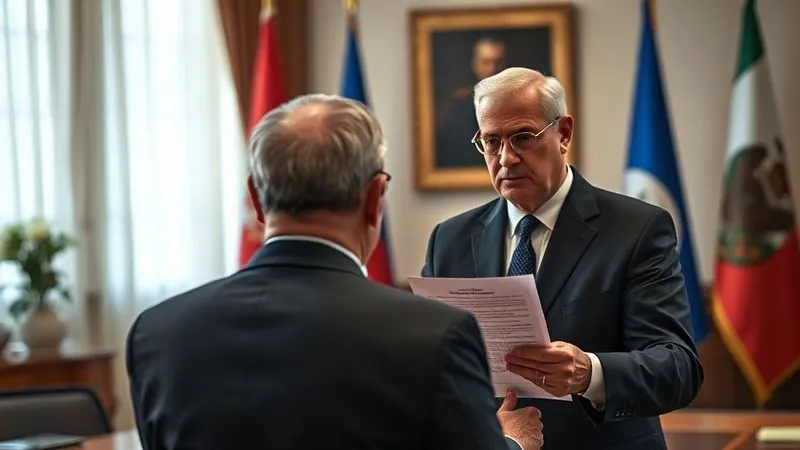
It’s a common misconception that diplomatic immunity provides blanket protection from all legal consequences. While criminal immunity is extensive, the VCDR provides crucial exceptions for civil and administrative jurisdiction. This distinction is vital for victims seeking redress for non-criminal harms, such as contract disputes, property damage, or personal injury.
Article 31(1) of the VCDR outlines three specific circumstances under which a diplomatic agent does not enjoy immunity from civil and administrative jurisdiction:
(a) a real action relating to private immovable property situated in the territory of the receiving State, unless he holds it on behalf of the sending State for the purposes of the mission;
(b) an action relating to succession in which the diplomatic agent is involved as executor, administrator, heir or legatee as a private person and not on behalf of the sending State;
(c) an action relating to any professional or commercial activity exercised by the diplomatic agent in the receiving State outside his official functions.
These exceptions are powerful tools. For instance, if a diplomat owns a private rental property in the host state and fails to pay property taxes or breaches a lease agreement, they can be sued in local courts regarding that property. Similarly, if they engage in a side business unrelated to their diplomatic duties and incur debts, they can face civil action. I always advise individuals and entities dealing with diplomats in a private capacity to be aware of these specific exceptions.
Case Study: How Veridian Properties Secured Redress
Veridian Properties, a mid-sized real estate firm in a European capital, rented a luxury apartment to 'Mr. X,' a diplomat from a non-EU country. The lease agreement explicitly stated the property was for Mr. X's private residence, not for official mission use. Upon Mr. X's sudden recall, he left the property extensively damaged and owing several months of rent, totaling over €50,000. Initially, Veridian Properties was advised that Mr. X was immune. However, leveraging Article 31(1)(a) of the VCDR, which exempts immunity for 'real action relating to private immovable property,' Veridian's legal team filed a civil suit against Mr. X. They successfully argued that since Mr. X held the property in a private capacity, the action fell within the exception. While the diplomat himself had left, the court issued a judgment which, through diplomatic channels and pressure on the sending state, eventually led to a settlement where Veridian Properties recovered their losses. This case highlights the importance of understanding specific VCDR exceptions.
For further insights into the complexities of civil liability and diplomatic immunity, a detailed analysis from the American Society of International Law is highly recommended.
Strategic Engagement: Bilateral Agreements and Memoranda of Understanding (MOUs)
While the VCDR provides a universal framework, it's not exhaustive. Host states can proactively mitigate potential abuse by entering into specific bilateral agreements or Memoranda of Understanding (MOUs) with sending states. These agreements can clarify ambiguities, establish additional protocols, or even stipulate conditions for waiver in certain circumstances, going beyond the general provisions of the VCDR.
In my practice, I've seen host states negotiate MOUs that, for example, require sending states to carry specific types of insurance for their diplomatic vehicles, ensuring that victims of traffic accidents involving diplomats have a clear avenue for compensation, even if a direct lawsuit is barred by immunity. Other MOUs might establish clearer channels for reporting misconduct and expediting requests for waivers.
Crafting Effective Bilateral Protocols:
- Identify Common Areas of Abuse: Analyze historical data on diplomatic incidents to pinpoint areas where abuse is most prevalent (e.g., traffic violations, minor offenses).
- Propose Specific Solutions: Instead of broad demands, propose concrete mechanisms, such as mandatory insurance coverage, clear notification procedures for incidents, or agreed-upon timelines for waiver requests.
- Emphasize Mutual Benefit: Frame the agreement not as a restriction on immunity, but as a mechanism to preserve the integrity of diplomatic relations and prevent isolated incidents from escalating into diplomatic crises.
- Seek Reciprocity: Offer similar assurances or mechanisms for the host state's diplomats in the sending state, creating a framework of mutual trust and respect.
- Involve Legal and Diplomatic Experts: Ensure that the drafting process is informed by both international legal expertise and seasoned diplomatic negotiators to create enforceable and politically viable agreements.
These supplementary agreements demonstrate a proactive approach, building stronger frameworks of accountability and transparency that complement, rather than contradict, the VCDR. They are an often-underutilized tool in the mitigation arsenal.

The Role of International Pressure and Public Diplomacy
While direct legal remedies are limited, the power of international pressure and public diplomacy should not be underestimated. When legal avenues are exhausted, shining a light on instances of diplomatic immunity abuse can be a potent, albeit indirect, mitigation strategy. This involves carefully managed public statements, engagement with international human rights organizations, and appeals to the global community's sense of justice.
Host states can leverage their diplomatic networks to raise awareness of specific cases within international fora, such as the United Nations, or through regional bodies. When a sending state faces scrutiny from multiple countries or from influential non-governmental organizations, the pressure to address the misconduct, either through waiver or internal disciplinary action, significantly increases. This is particularly true in an age of instant global communication, where egregious abuses can quickly become international news.
Expert Insight: Public diplomacy must be wielded carefully. It's not about sensationalism, but about presenting facts, highlighting the human cost of impunity, and framing the issue within the broader context of upholding international law and human rights. A measured, evidence-based approach is always more effective than inflammatory rhetoric.
Organizations like Human Rights Watch or Amnesty International can play a crucial role in documenting and publicizing cases where victims are denied justice due to immunity. Their reports can add significant moral and political weight to a host state's requests for accountability. Furthermore, engaging with international legal scholars and think tanks can help shape the discourse around diplomatic immunity, advocating for greater accountability without undermining its fundamental purpose.
For more on the strategic application of public diplomacy in international relations, a resource like the Council on Foreign Relations offers valuable perspectives.
Enhancing Internal Accountability Within Sending States
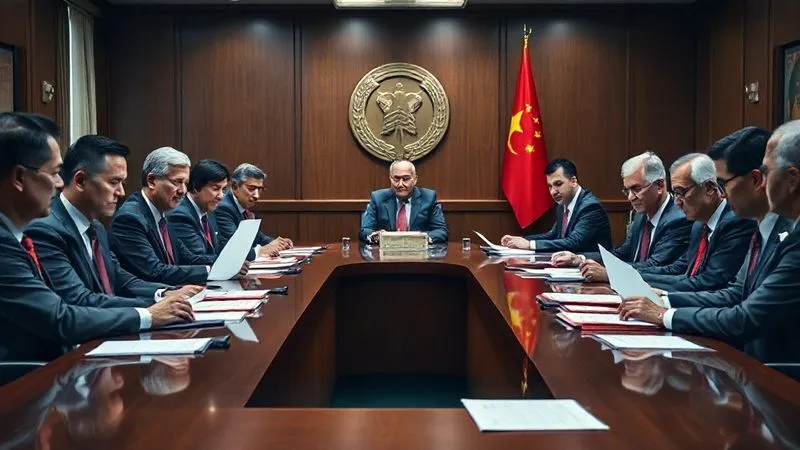
Ultimately, the most comprehensive solution to diplomatic immunity abuse lies with the sending states themselves. The VCDR grants immunity from the host state's jurisdiction, but it does not absolve the diplomat of their legal obligations, nor does it remove the sending state's jurisdiction. My experience suggests that host states should actively encourage and facilitate internal accountability mechanisms within diplomatic missions and their home governments.
This approach involves formal requests to the sending state to investigate allegations, prosecute their own officials, or impose disciplinary measures. While a sending state might be reluctant to waive immunity to a foreign court, they may be more amenable to handling the matter internally to preserve their international reputation and maintain discipline within their diplomatic corps. This requires clear communication, sharing of evidence, and emphasizing the mutual interest in upholding the integrity of diplomatic service.
Encouraging Internal Disciplinary Actions:
- Formal Requests for Investigation: Submit detailed, evidence-backed requests to the sending state's Ministry of Foreign Affairs for an internal investigation into the alleged misconduct.
- Offer of Assistance: Propose to share evidence, witness statements, and any other relevant information to aid their internal investigation, demonstrating cooperation rather than confrontation.
- Highlight Reputational Risk: Gently remind the sending state of the potential damage to its international standing and the reputation of its diplomatic service if serious allegations of abuse go unaddressed.
- Suggest Recall and Internal Sanctions: Even without a waiver, a sending state can recall the diplomat, impose internal disciplinary actions, or even pursue criminal charges in their home country. Encouraging these steps can be a significant victory for justice.
- Promote Best Practices: Engage in bilateral dialogues on best practices for diplomat training, emphasizing ethical conduct and adherence to host country laws.
This strategy shifts the burden of justice to where it ultimately belongs – the state that granted the immunity – while still ensuring that accountability is pursued.
Future Directions: Calls for Reform and Modernization
The VCDR, while remarkably robust for its age, was drafted in a different geopolitical era. The nature of diplomatic work, international travel, and even the types of crimes committed have evolved. Consequently, there are ongoing debates and academic discussions about potential reforms or modern interpretations of diplomatic immunity to better address contemporary challenges, including persistent abuse.
While a wholesale revision of the VCDR is highly unlikely given the complexities of international treaty negotiations, incremental changes or widely accepted interpretative guidelines could emerge. Discussions often center on whether the scope of immunity should be re-evaluated for certain grave crimes, or if faster, more streamlined waiver processes could be implemented without undermining the core principles of diplomatic protection.
Key Areas of Discussion for VCDR Modernization:
- Clarification of 'Official Functions': A clearer definition of what constitutes 'official functions' could limit the scope of immunity for actions clearly outside diplomatic duties.
- Expedited Waiver Procedures: Developing international best practices or template agreements for faster, more predictable waiver requests, especially for serious offenses.
- Mandatory Insurance: Universal adoption of mandatory liability insurance for diplomats, especially for vehicle-related incidents, to ensure victim compensation.
- Role of International Criminal Court (ICC): Debates exist on whether immunity should apply to diplomats accused of crimes falling under the ICC's jurisdiction, though this remains highly contentious.
- Enhanced Training and Education: Greater emphasis on ethical conduct and respect for host state laws in diplomatic training programs globally.
As an international law specialist, I believe that continued dialogue, research, and collaborative efforts between states, academics, and international organizations are essential to ensure that diplomatic immunity remains a facilitator of peace and cooperation, rather than a shield for injustice. The goal isn't to dismantle the system, but to refine it for the 21st century.
For a deeper dive into the academic perspectives on VCDR reform, research papers from institutions like the European Journal of International Law offer insightful analyses.
Frequently Asked Questions (FAQ)
Question? Can a diplomat ever be arrested or detained by a host state? No, Article 29 of the VCDR states that 'The person of a diplomatic agent shall be inviolable. He shall not be liable to any form of arrest or detention.' This is a fundamental principle. However, in extreme emergencies where there is an immediate threat to life or property (e.g., a diplomat actively committing a violent crime), law enforcement may take immediate, temporary measures to neutralize the threat, but they must immediately contact the diplomat's embassy and release the diplomat, pursuing other diplomatic channels for accountability.
Question? What's the difference between diplomatic and consular immunity? While related, consular immunity (governed by the 1963 Vienna Convention on Consular Relations) is generally more restricted than diplomatic immunity. Consular officers typically only have immunity from jurisdiction for acts performed in the exercise of consular functions (functional immunity). They do not enjoy the broader personal inviolability or immunity from criminal jurisdiction for all acts that diplomatic agents do, although they do have some protections.
Question? Do family members of diplomats have immunity? Yes, generally, family members forming part of the household of a diplomatic agent also enjoy the same privileges and immunities as the diplomatic agent themselves, provided they are not nationals of the receiving State. This is covered under Article 37 of the VCDR.
Question? What if a diplomat commits a serious crime like murder? What are the host state's options if a waiver is denied? If a diplomat commits a serious crime like murder and the sending state denies a waiver of immunity, the host state cannot prosecute them. The primary recourse for the host state would be to declare the diplomat persona non grata, compelling their departure. The sending state is then expected to take appropriate action, including potentially prosecuting the diplomat in their home country, as their immunity only applies in the receiving state. International pressure and public diplomacy can also be employed.
Question? Is there a global database for diplomatic immunity abuses? While there isn't one official, publicly accessible global database maintained by an international body, various governments (like the U.S. State Department) do track incidents involving diplomatic immunity. Academic researchers, NGOs, and news organizations often compile their own data to highlight the issue and advocate for reforms, but a centralized, universally recognized repository does not currently exist.
Key Takeaways and Final Thoughts
Navigating the complexities of diplomatic immunity abuse requires a sophisticated understanding of international law, coupled with astute diplomatic practice. It's a field where legal precision meets political reality, and where every step must be carefully considered to uphold justice without undermining the vital framework of international relations.
- Understand the VCDR: Recognize its intent to facilitate relations, not impunity, and identify its specific exceptions.
- Prioritize Waiver Requests: Systematically and persuasively pursue waivers for serious offenses, backed by irrefutable evidence.
- Utilize Persona Non Grata: Employ PNG as a powerful, albeit last-resort, tool to remove abusive diplomats.
- Leverage Civil Exceptions: Educate victims and legal practitioners about the specific circumstances where civil immunity does not apply.
- Proactive Bilateral Agreements: Negotiate MOUs to clarify expectations and establish additional accountability mechanisms.
- Employ Public Diplomacy: Strategically use international pressure and public awareness to encourage accountability.
- Push for Internal Accountability: Advocate for sending states to investigate and prosecute their own officials.
As an industry veteran, I've seen that while the path to justice in these cases can be arduous, it is not impossible. By strategically applying these legal and diplomatic tools, host states can effectively mitigate diplomatic immunity abuse, ensuring that the privilege serves its intended purpose of fostering international cooperation, rather than becoming a shield for misconduct. The pursuit of justice, even in the most complex international scenarios, remains a cornerstone of a rules-based global order.
Recommended Reading
- Treaty Withdrawal: How It Impacts National Law - The Ultimate Guide
- Navigating Termination: 7 Steps Post-Protected Activity Complaint
- Port Detention? 7 Steps for Minor Oil Spill Response & Release
- Originalism & AI: 5 Principles for Interpreting Novel Tech Cases
- Urgent Product Recall? Your 6-Step Legal Playbook for Crisis Management





Comments
Leave a comment below. Your email will not be published. Required fields marked with *