


What to do when a minor oil spill triggers port detention?
For over two decades in maritime law and environmental compliance, I've witnessed firsthand the sheer panic and operational paralysis that can grip a shipping company when a seemingly minor incident escalates into a major crisis. A small sheen on the water, easily dismissed by some as inconsequential, can quickly snowball into a port detention, bringing a vessel and its operations to a grinding halt.
The immediate aftermath of a minor oil spill triggering port detention is a vortex of confusion, regulatory pressure, and looming financial penalties. It's not just about cleaning up the oil; it's about navigating a complex web of international conventions, national laws, and port state regulations, all while facing potential reputational damage and significant delays. The stakes are incredibly high, and a misstep can cost millions.
This comprehensive guide isn't just a list of dos and don'ts; it's a strategic framework, born from years of practical experience and legal insight. I'll walk you through the critical steps, from immediate response to long-term preventative measures, ensuring you have the actionable insights and expert advice needed to effectively manage the situation and secure your vessel's release.
The Immediate Aftermath: Containment and Reporting
When that call comes in, often from a vigilant port official or even your own crew, the clock starts ticking. Your initial actions are paramount and will largely dictate the trajectory of the entire incident.
First Priority: Containment and Mitigation
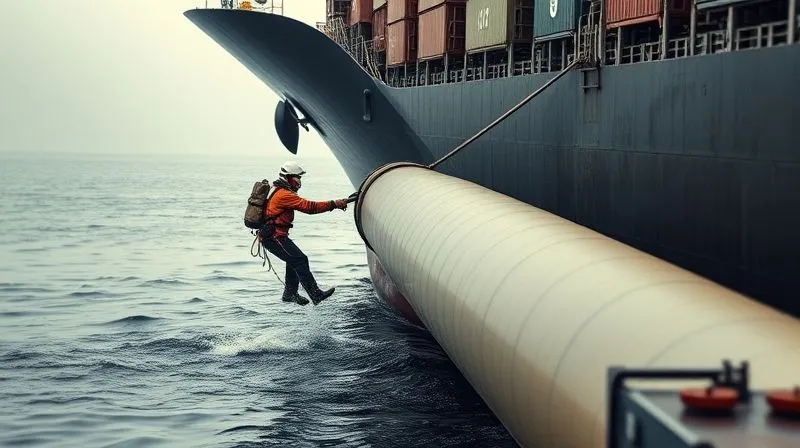
The very first step, even before the full scope of the incident is understood, is to prevent further pollution. This is not merely a best practice; it's a legal obligation under international conventions like MARPOL.
- Assess the Spill: Quickly determine the source, type of oil, estimated quantity, and trajectory of the spill. Is it bunker fuel, lube oil, or hydraulic fluid? Is it spreading rapidly?
- Activate Shipboard Oil Pollution Emergency Plan (SOPEP): Your vessel's SOPEP is your bible in this scenario. It outlines specific procedures for spill response, including assigning roles and responsibilities to the crew.
- Deploy Containment Equipment: Utilize your ship's onboard spill kit. This typically includes absorbent booms, pads, and skimmers. The goal is to contain the spill to the smallest possible area, preventing it from spreading further into the port waters.
- Mitigate the Source: Identify and stop the source of the leak. This might involve closing valves, patching holes, or transferring oil to another tank.
- Document Everything: From the moment the spill is detected, meticulously document every action taken, observations made, and equipment used. Photos, videos, and detailed log entries are invaluable for later investigations and legal defenses.
I've seen cases where swift, documented containment efforts significantly reduced fines and expedited vessel release, even when the initial spill was substantial. Conversely, delays in containment are often viewed harshly by authorities.
Mandatory Reporting: Who, What, When?
Once containment is underway, reporting becomes the next critical phase. Failure to report a pollution incident promptly and accurately can lead to severe penalties, often exceeding those for the spill itself.
- Port State Authorities: This is your immediate contact. Inform the Port State Control (PSC) authorities and the local Coast Guard or environmental agency without delay. Provide all known details: vessel name, position, time of spill, type and quantity of oil, and actions taken.
- Flag State Administration: Your vessel's flag state must also be informed. They have a vested interest in your compliance with international regulations.
- P&I Club: Contact your Protection and Indemnity (P&I) Club immediately. They are your primary insurer for pollution incidents and will provide crucial legal, technical, and financial support. Their expertise in navigating these situations is indispensable.
- Company Designated Person Ashore (DPA): Ensure your company's DPA is fully aware and involved. They will coordinate shore-side support and communication.
- Adjacent Coastal States: If there's a possibility the spill could affect neighboring waters, those coastal states must also be notified.
Remember, transparency and honesty are key. Any attempt to conceal or downplay the incident will be detrimental. As IMO guidelines often emphasize, prompt and thorough reporting is a sign of responsible operation.
Navigating Port State Control (PSC) Inspections
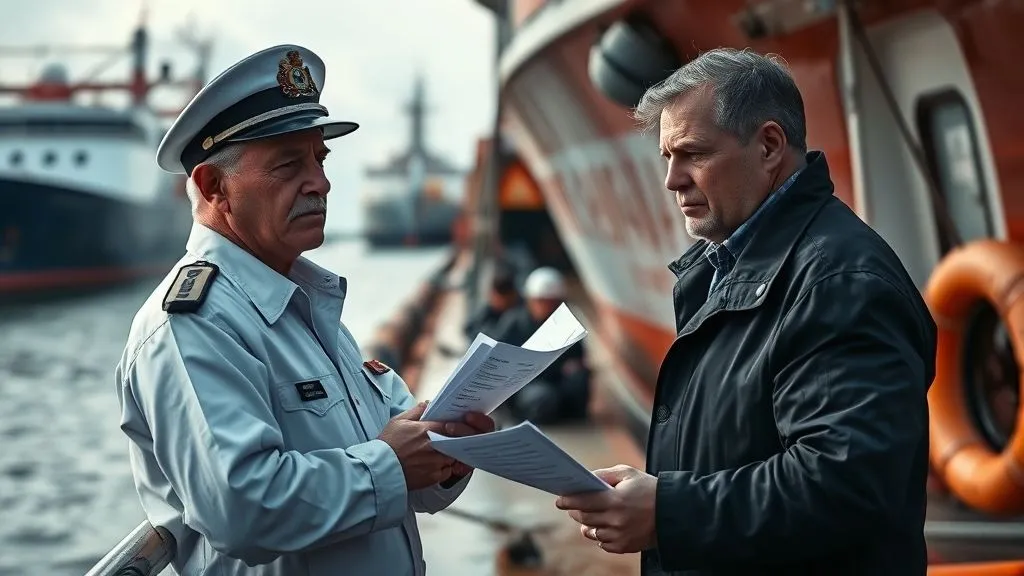
A port detention typically follows a PSC inspection that identifies a significant deficiency – in this case, an oil pollution incident or a failure to comply with MARPOL regulations. How you handle this inspection is crucial.
Understanding the PSC Mindset
PSC officers are regulatory watchdogs. Their primary goal is to ensure vessels entering their ports comply with international safety and environmental standards. A pollution incident immediately raises red flags, signaling potential systemic failures.
"PSC officers are not adversaries; they are regulators. Approach them with respect, transparency, and a clear demonstration of your commitment to rectifying the situation. Their trust is invaluable."
They will be looking for:
- Evidence of the spill and its origin.
- Effectiveness of initial containment and cleanup.
- Compliance with MARPOL Annex I requirements (e.g., Oil Record Book, SOPEP, OWS operation).
- Crew familiarity with pollution prevention procedures.
- Condition of pollution prevention equipment.
- Any indications of deliberate pollution or gross negligence.
Preparing for the Inspection: Documentation is Key
Your ability to present well-maintained, accurate documentation can significantly influence the outcome of a PSC inspection. Ensure all relevant documents are readily accessible and up-to-date.
- Oil Record Book (Part I & II): This is perhaps the most scrutinized document. Ensure all oil transfers, discharges, and spills are accurately recorded. Any discrepancies will lead to suspicion.
- SOPEP: Demonstrate crew familiarity with the plan and that it was properly activated.
- International Oil Pollution Prevention (IOPP) Certificate: Verify its validity.
- Garbage Management Plan & Record Book: While not directly about oil, it shows overall environmental compliance.
- Maintenance Records: Show that the equipment related to the spill (e.g., piping, valves, pumps) was regularly inspected and maintained.
- Training Records: Prove that your crew is adequately trained in pollution prevention and response.
- Incident Report: A detailed internal report outlining the spill, causes, and immediate actions.
Presenting a disorganized mess of papers will only exacerbate the situation. A well-prepared master and crew, with all documentation in order, instills confidence.
| Document | Purpose | Status |
|---|---|---|
| Oil Record Book | Chronicles all oil operations | Up-to-date, accurate |
| SOPEP | Spill response procedures | Activated, crew familiar |
| IOPP Certificate | MARPOL Annex I compliance | Valid |
| Maintenance Records | Equipment integrity | Current for relevant systems |
| Training Records | Crew competency | All relevant personnel trained |
Engaging Your P&I Club and Legal Counsel
This is not a battle you should fight alone. Your P&I Club and specialized maritime legal counsel are your strongest allies in a port detention scenario.
The Indispensable Role of Your P&I Club
Your P&I Club is more than just an insurer; they are a vital resource network. From the moment you report the spill, they will initiate a coordinated response.
- Expert Guidance: They will advise on reporting requirements, assist with communication with authorities, and guide you through the inspection process.
- Claims Handling: They will manage the financial aspects of the spill, including cleanup costs, fines (where insurable), and third-party claims.
- Appointing Surveyors and Experts: P&I Clubs often have a network of approved surveyors, technical experts, and local correspondents who can be deployed quickly to assess the situation, verify facts, and provide independent reports.
- Legal Support: They will often appoint local maritime lawyers to represent your interests and advise on legal strategies.
Ignoring or delaying contact with your P&I Club is one of the gravest errors a company can make. Their early involvement is critical for minimizing liability and ensuring a structured response.
For further information on the role of P&I Clubs in pollution incidents, you can refer to resources provided by organizations like The International Group of P&I Clubs.
When to Call Legal Experts: Early Intervention Matters
While your P&I Club provides legal support, a dedicated maritime lawyer specializing in environmental compliance can offer an additional layer of protection and strategic advice, especially if the incident involves complex legal questions or potential criminal charges.
- Navigating Local Laws: Local regulations can be intricate and vary significantly from international conventions. A local lawyer understands these nuances.
- Interrogation Support: If crew members are questioned, legal representation ensures their rights are protected and statements are accurately recorded.
- Negotiating with Authorities: Lawyers can negotiate on your behalf regarding fines, cleanup responsibilities, and the terms of vessel release.
- Preventing Escalation: Early legal intervention can often prevent a minor incident from escalating into a prolonged legal battle.
Developing a Comprehensive Remediation and Corrective Action Plan
Securing your vessel's release isn't just about cleaning up the visible oil. Port State Control will demand a robust plan to address the root cause and prevent recurrence. This is where your commitment to environmental stewardship truly shines.
Beyond the Spill: Addressing Root Causes
A minor oil spill is often a symptom of a deeper issue. Authorities will want to know that you've identified and rectified the underlying problem, not just the visible consequence.
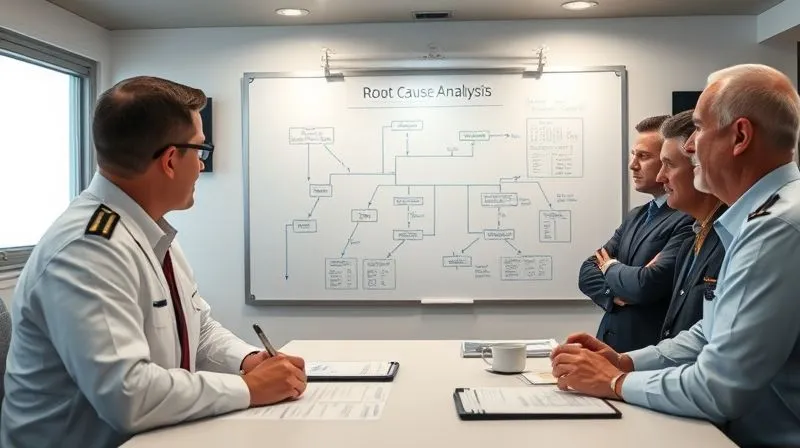
- Root Cause Analysis (RCA): Conduct a thorough RCA. Was it equipment failure, human error, inadequate maintenance, or a procedural flaw? Use techniques like the "5 Whys" or Fishbone diagrams.
- Identify Contributing Factors: Often, several factors contribute to an incident. A worn gasket might be the direct cause, but inadequate inspection protocols or a lack of proper training could be contributing factors.
- Document Findings: Clearly articulate your findings from the RCA. This forms the basis of your corrective action plan.
My experience shows that authorities respond far more favorably to a company that demonstrates a genuine commitment to understanding and fixing systemic issues, rather than simply offering a superficial cleanup.
Crafting an Acceptable Corrective Action Plan (CAP)
The CAP is your promise to the authorities that the incident will not happen again. It must be specific, measurable, achievable, relevant, and time-bound (SMART).
- Specific Actions: Detail exactly what steps will be taken. (e.g., "Replace all oil transfer hoses with new, certified hoses by [Date]").
- Responsible Parties: Clearly assign who is responsible for each action.
- Timeline: Provide realistic but firm deadlines for completion.
- Verification Measures: How will you confirm the actions have been effectively implemented? (e.g., "Third-party inspection of new hoses upon installation").
- Preventative Measures: Include actions to prevent similar incidents in the future (e.g., "Implement weekly visual inspection of all bilge lines").
- Training & Awareness: Detail any additional crew training or awareness campaigns.
The CAP is a living document. Be prepared to discuss and potentially modify it based on feedback from PSC or other authorities. An effective CAP is often the key to securing the release of a detained vessel.
Case Study: A Small Spill, A Big Lesson Learned
How the M/V 'Ocean Guardian' Overcame Detention
The M/V 'Ocean Guardian', a bulk carrier, was preparing to depart a major European port when a small amount of hydraulic oil, estimated at less than 50 liters, spilled onto the deck and subsequently into the harbor due to a faulty hose connection during cargo gear maintenance. The sheen was visible, and port authorities were immediately notified.
The master, having undergone recent environmental training, immediately activated the SOPEP, and the crew swiftly deployed absorbent materials and booms, containing the spill within minutes. Crucially, the P&I Club was contacted within the hour, and they dispatched a local surveyor and a legal representative.
During the subsequent PSC inspection, the 'Ocean Guardian' was detained due to a MARPOL deficiency related to inadequate maintenance and a "deficient oil pollution prevention plan implementation." While the spill was minor, the detention was a severe blow.
However, the proactive steps taken paid dividends. The P&I legal team worked closely with the vessel's management to develop a comprehensive Corrective Action Plan. This included:
- Immediate replacement of all hydraulic hoses on deck with a more robust, certified type.
- An enhanced "Critical Equipment Inspection Checklist" for all cargo gear, specifically focusing on hydraulic systems.
- Mandatory refresher training for the entire engine and deck crew on hydraulic system maintenance and spill response, conducted by a third-party expert.
- A detailed Root Cause Analysis that identified not just the faulty hose, but also a gap in the routine inspection schedule for non-critical hydraulic lines.
By presenting a transparent, detailed, and actionable CAP, supported by their P&I Club and legal counsel, the 'Ocean Guardian' was released after only three days, significantly less than the typical detention period for such incidents. The fines were also mitigated due to the prompt response and demonstrated commitment to compliance. This case starkly illustrates that while a minor spill can trigger a major problem, a structured and proactive response can lead to a swift resolution.
Financial Implications: Fines, Costs, and Insurance Claims
Beyond the immediate operational disruption, the financial repercussions of a port detention due to a minor oil spill can be substantial. Understanding these costs is crucial for effective management and claims processing.
Understanding the Cost Landscape
The costs associated with a minor oil spill and subsequent detention are multifaceted:
- Cleanup Costs: This includes the cost of absorbent materials, specialized cleanup contractors, waste disposal, and any environmental monitoring required.
- Fines and Penalties: These can vary wildly based on the jurisdiction, the severity of the spill (even if minor, intent can play a role), and the perceived negligence. Fines can range from tens of thousands to hundreds of thousands of dollars.
- Port Detention Charges: Daily fees for occupying a berth during detention, pilotage, tug services, and other port-related charges.
- Loss of Earnings/Demurrage: The most significant financial impact often comes from the vessel being unable to perform its scheduled voyages, leading to lost charter hire or contractual penalties.
- Legal and Expert Fees: Costs for P&I Club correspondents, local lawyers, technical surveyors, and other consultants.
- Reputational Damage: While not directly quantifiable, a tarnished reputation can lead to loss of future business and increased scrutiny from charterers and port authorities.
As a 2019 study by a leading maritime consultancy highlighted, even a "minor" spill can easily incur costs exceeding $100,000 when all factors are considered.
Managing Insurance Claims and Deductibles
Your P&I Club is your primary insurer for pollution liability. Understanding your policy's scope and deductibles is vital.
- Pollution Liability Coverage: Most P&I policies cover cleanup costs, fines (where legally insurable), and third-party damages arising from pollution.
- Deductibles: Be aware of your policy's deductibles, which can be substantial for pollution incidents.
- Loss of Hire Insurance: If you have separate loss of hire insurance, this may cover some of the revenue lost during detention.
- Prompt Notification: Again, immediate notification to your P&I Club is paramount to ensure your claim is valid and processed efficiently.
| Cost Category | Typical Range (USD) | Covered by P&I |
|---|---|---|
| Cleanup & Remediation | $10,000 - $100,000+ | Yes |
| Fines & Penalties | $20,000 - $500,000+ | Partially (jurisdiction dependent) |
| Port Detention Charges | $5,000 - $20,000/day | No (unless part of loss of hire) |
| Loss of Earnings | $20,000 - $100,000+/day | No (separate insurance) |
| Legal & Expert Fees | $15,000 - $150,000+ | Yes |
Preventative Measures and Future-Proofing Your Operations
The best way to handle a port detention from a minor oil spill is to prevent it from happening in the first place. Proactive measures are always more cost-effective than reactive ones.
Investing in Training and Equipment
Human error and equipment failure are often the culprits. Addressing these systematically is key.
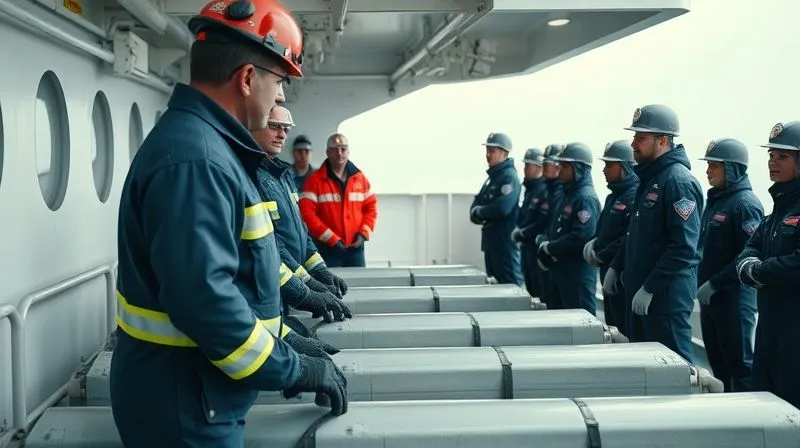
- Enhanced Crew Training: Regular, realistic drills for spill response, including deployment of equipment and communication protocols. Emphasize the importance of the Oil Record Book and SOPEP.
- Equipment Upgrades and Maintenance: Invest in high-quality, reliable equipment (hoses, valves, pumps). Implement a robust Planned Maintenance System (PMS) that goes beyond minimum requirements, focusing on critical pollution prevention equipment.
- Spill Kit Readiness: Ensure spill kits are always fully stocked, easily accessible, and crew members know how to use all components effectively.
- Technology Adoption: Consider technologies like bilge water monitoring systems with enhanced alarms, or even AI-powered predictive maintenance to anticipate equipment failures.
Proactive Environmental Management Systems
Beyond individual incidents, a strong safety and environmental culture, underpinned by robust management systems, is your ultimate defense.
- ISM Code Compliance: Ensure your Safety Management System (SMS) fully integrates environmental protection, not just safety.
- ISO 14001 Certification: Pursuing environmental management certification demonstrates a commitment to continuous improvement in environmental performance.
- Internal Audits and Reviews: Regularly audit your environmental procedures and equipment. Learn from near-misses and minor incidents.
- Culture of Reporting: Foster an environment where crew members feel empowered to report potential issues or near-misses without fear of reprisal. This is crucial for early detection and prevention.
As I often remind my clients, "Environmental compliance is not a checkbox; it's a continuous journey." Proactive measures are not just about avoiding fines; they're about building a resilient, responsible, and respected maritime operation. For more on proactive environmental strategies, resources from organizations like BIMCO can be invaluable.
The Role of Reputation Management in the Aftermath
While the immediate focus is on getting your vessel released, the long-term impact on your company's reputation cannot be underestimated. A minor oil spill triggering port detention can significantly damage trust among stakeholders.
Communicating with Stakeholders
Transparency and controlled communication are essential. Your P&I Club and legal counsel will often guide this process.
- Port Authorities & Regulators: Maintain open, honest, and respectful communication. Provide updates on your CAP progress and cleanup efforts.
- Charterers & Clients: Inform them promptly of the situation, the actions you are taking, and the estimated delays. Transparency can help mitigate contractual disputes and maintain goodwill.
- Media (if applicable): In rare cases, even a minor spill can attract local media attention. Have a pre-approved statement ready, focusing on your commitment to environmental protection and the steps being taken.
Rebuilding Trust and Credibility
This is a long-term endeavor that extends beyond the immediate incident. It involves consistently demonstrating your commitment to environmental responsibility.
- Follow Through on CAP: Ensure all elements of your Corrective Action Plan are implemented diligently and effectively.
- Internal Review & Learning: Use the incident as a learning opportunity to strengthen your environmental management system.
- Proactive Engagement: Participate in industry initiatives for environmental protection, share lessons learned (anonymously if necessary), and highlight your company's efforts in sustainability.
In today's environmentally conscious world, a company's perceived commitment to sustainability directly impacts its market value and operational freedom. Building and maintaining a strong reputation for environmental stewardship is an ongoing investment. More insights on crisis communication in the maritime sector can be found through industry publications or specialized PR firms like The Maritime Executive.
Frequently Asked Questions (FAQ)
What constitutes a "minor" oil spill in the context of port detention? The definition of "minor" can be subjective, often depending on the jurisdiction, type of oil, and environmental sensitivity of the area. However, any visible sheen or detectable quantity of oil, regardless of volume, can trigger an investigation and potential detention if found to be in violation of MARPOL Annex I or local regulations. It's less about the quantity and more about the breach of environmental standards and the potential for harm.
Can a port detention be appealed? Yes, generally, a port detention can be appealed through formal channels, often involving a review by higher port authority officials or administrative courts. However, this is a complex legal process that should always be pursued with expert maritime legal counsel and in conjunction with your P&I Club. The success of an appeal largely depends on the strength of your evidence, the validity of the detention grounds, and your demonstrated compliance.
What are the typical grounds for detention after an oil spill? Common grounds include "insufficient implementation of SOPEP," "defective oil filtering equipment," "false entries in the Oil Record Book," "discharge of oily mixture exceeding permissible limits," or simply "pollution incident." The specific wording will refer to a non-compliance with MARPOL Annex I requirements.
How long does a typical port detention last for a minor oil spill? The duration varies significantly. If the initial response is swift, transparent, and a robust Corrective Action Plan is immediately presented and approved, detention might last only a few days (as seen in our case study). However, if there are disputes over responsibility, slow implementation of corrective actions, or further deficiencies are found, it can extend to weeks or even months, incurring massive costs.
Is it possible to receive a waiver for a minor oil spill? Waivers for pollution incidents are exceedingly rare, especially in developed countries with stringent environmental regulations. The focus is almost always on accountability and remediation. The best outcome you can hope for is a mitigation of fines and a swift release through demonstrated cooperation, effective cleanup, and a credible plan to prevent recurrence, rather than a waiver of the incident itself.
Key Takeaways and Final Thoughts
Navigating the choppy waters of a port detention triggered by a minor oil spill is undoubtedly challenging, but it is far from insurmountable. My years in this niche have taught me that preparedness, immediate decisive action, and a commitment to transparency are your most powerful tools.
- Act Swiftly & Decisively: Containment and reporting are your immediate priorities.
- Leverage Your Network: Your P&I Club and legal counsel are indispensable allies.
- Document Meticulously: Every action, every communication, every piece of data is crucial.
- Address Root Causes: A robust Corrective Action Plan is key to securing release and preventing future incidents.
- Invest in Prevention: Proactive training, maintenance, and strong environmental management systems are your best defense.
Remember, a minor oil spill triggering port detention is a test of your operational resilience and your commitment to environmental stewardship. By following these expert-backed strategies, you not only increase your chances of a swift resolution but also reinforce your company's reputation as a responsible maritime operator. Stay vigilant, stay prepared, and navigate these challenges with confidence.
Recommended Reading
- 7 Legal Mechanisms: How Do We Prevent Armed Conflict Escalation?
- Fixing Sales Tax Underpayment: 7 Proactive Steps Before a State Audit Notice
- Shielding Investments: 7 Steps to Protect Assets in Global Disputes
- Can Drug Addiction Be a Defense? Unlocking Its Impact on Criminal Cases
- Hiring Staff with Probation? 7 Legal Risk Mitigation Steps



Comments
Leave a comment below. Your email will not be published. Required fields marked with *